The Immigrant
"Golden-hued hope meets the soot-stained American Dream."
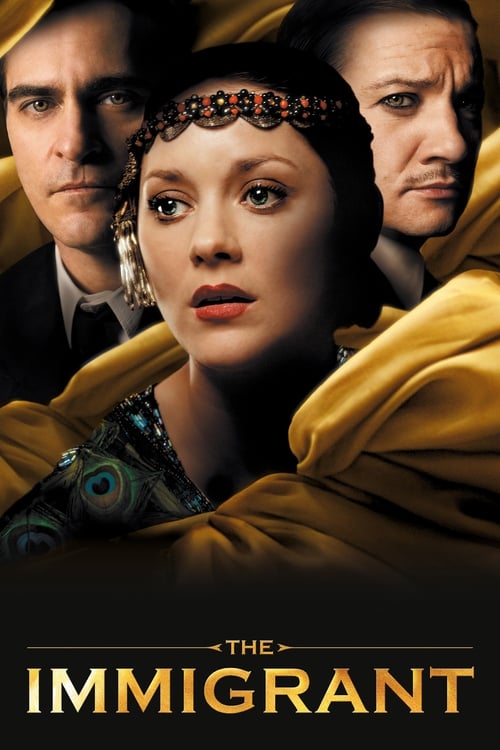
James Gray doesn't just make movies; he exhumes them. Watching The Immigrant feels like discovering a lost silent-era masterpiece that somehow learned how to talk. It’s a film that looks like it was shot through a lens smeared with soot and coal dust, capturing a 1921 New York that is as beautiful as it is predatory. I watched this for the first time while my apartment window was stuck open just a crack during a November drizzle, and honestly, the drafty chill and the smell of wet pavement only made the experience feel more authentic.

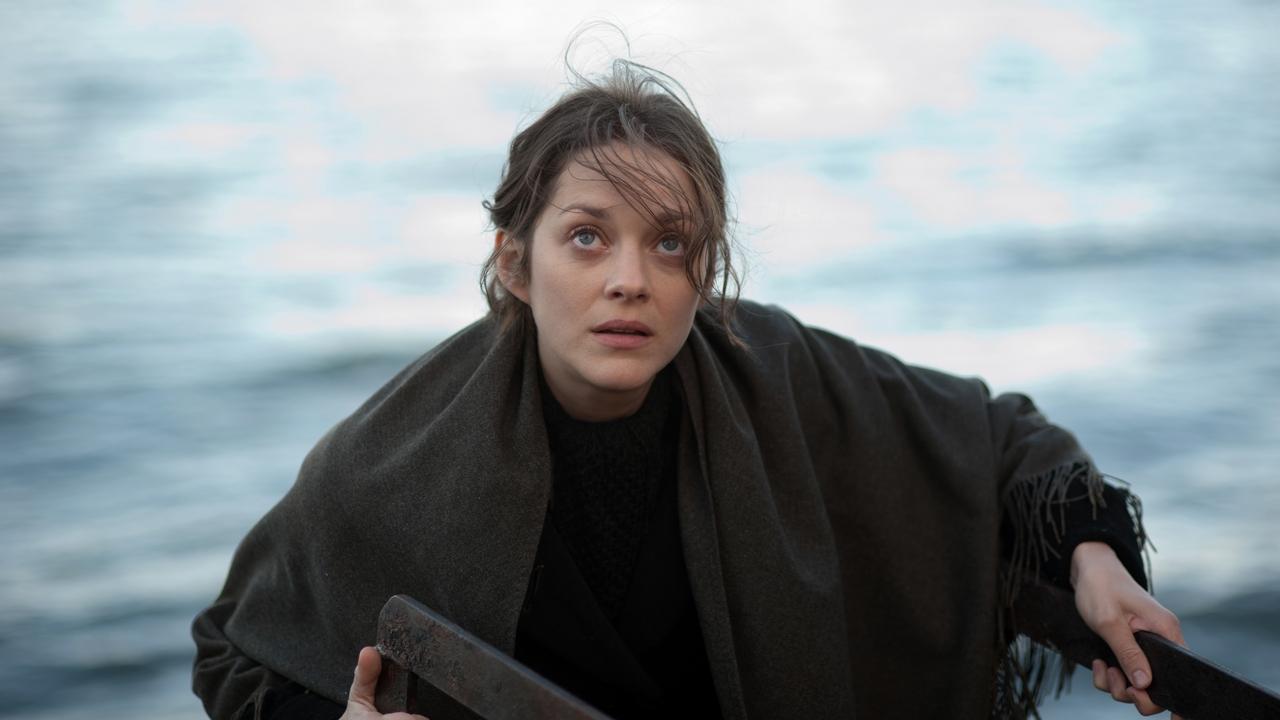
It’s rare to find a film from the early 2010s that feels so utterly disconnected from the "slickness" of the era. While everyone else was busy chasing the crisp, sterile digital look or building the next interconnected universe, Gray was in the trenches of Ellis Island, trying to figure out how to make Marion Cotillard look like she’d been living on a diet of prayer and stale bread.
The Ghostly Glow of Ellis Island
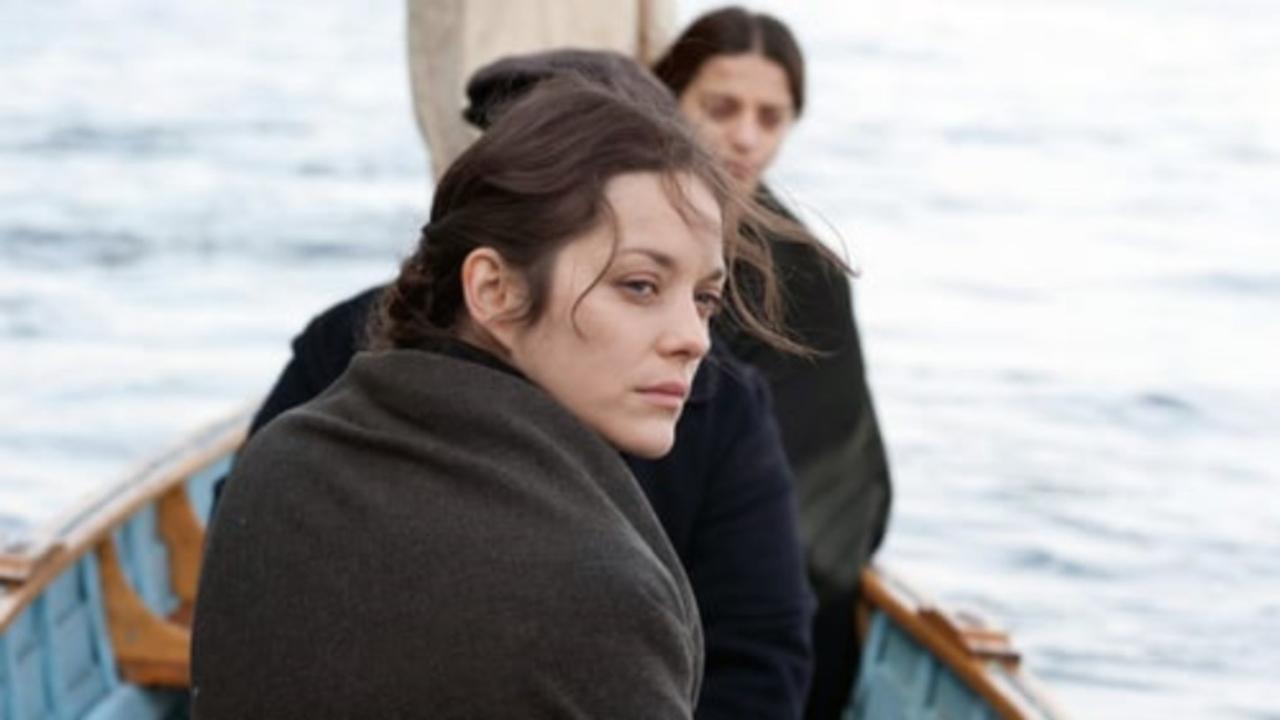
The plot is deceptively simple, almost operatic. Ewa (Marion Cotillard) arrives from Poland with her sister, only to be separated by the cold bureaucracy of the immigration system. Enter Bruno (Joaquin Phoenix), a man who walks with the nervous energy of a stray dog and possesses the morals of a loan shark. He "saves" her, which in this world means putting her to work in a burlesque show where the customers' eyes are as heavy as the atmosphere.
Gray’s vision of New York isn't the sparkling metropolis we usually see. Working with the legendary cinematographer Darius Khondji (who also lensed Seven and The City of Lost Children), the film uses a color palette inspired by autochrome photography. It’s all sepia, deep ochre, and shadows that seem to swallow the characters whole. Every frame looks like a vintage postcard that’s been left in a damp basement for eighty years. It’s gorgeous, but it’s a heavy beauty.
Marion Cotillard is the soul of the film. She reportedly learned twenty pages of Polish for the role, and her performance is a masterclass in silent-acting techniques adapted for the modern screen. Her eyes are doing 90% of the work, reflecting a woman who is refining the art of being a victim until it becomes a survival tactic.
A Battle of Wills and Wiles
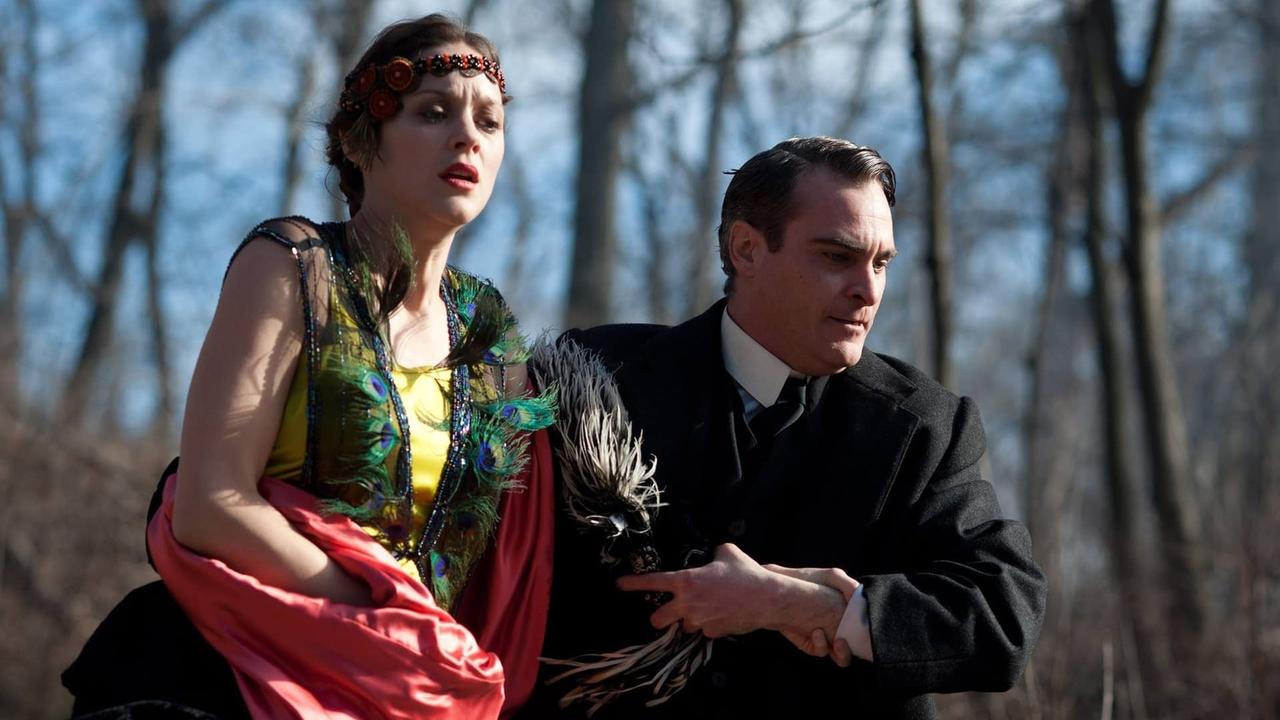
Then there’s Joaquin Phoenix. At this point in his career, Phoenix was fully leaning into his "unpredictable" era, and his Bruno Weiss is a fascinating, repulsive creation. He plays Bruno like a man who is actively allergic to his own conscience. He’s a pimp, yes, but he’s a pimp who is desperately, pathetically in love with his best worker. It’s a performance that makes you want to wash your hands after watching, yet you can’t look away.
The dynamic shifts when Jeremy Renner appears as Orlando the Magician (who also happens to be Bruno’s cousin). Renner provides a much-needed breath of air in an otherwise suffocating atmosphere. He represents the "Magic" of the American Dream—the illusion that everything can be fixed with a sleight of hand and a charming smile. The rivalry between the two men over Ewa’s soul (and body) turns the film into a tragic triangle that feels more like a 19th-century novel than a 21st-century movie. Renner’s levitation act is the only thing in this movie lighter than a lead pipe, and even that has a tragic edge to it.
The Tragedy of the Untouched Masterpiece
Why haven't you heard more about this movie? You can blame the "Weinstein Curse." Back in 2013, The Weinstein Company was the gatekeeper of "prestige" cinema, and Harvey Weinstein famously clashed with James Gray over the film’s ending. Gray refused to change his vision for a more "commercial" (read: happy) conclusion. As a result, the film was buried. It sat on a shelf for a year after its Cannes premiere and was eventually dumped into a handful of theaters with almost zero marketing. It earned less than $6 million against a $16 million budget—a total box-office disaster that had nothing to do with the quality of the work.
In retrospect, The Immigrant serves as a poignant reminder of a specific moment in cinema history—the tail end of the mid-budget, director-driven drama. Before streaming services became the default home for these "adult" stories, movies like this were the lifeblood of film festivals. It’s a film that demands your full attention; it doesn't move fast, and it doesn't care about your comfort.
Apparently, Gray based much of the film on his own grandparents' stories of coming to America, and that personal connection shines through the grittiness. There’s a specific detail about Ewa eating a banana for the first time—skin and all—that feels like a piece of family lore captured on celluloid. It’s these small, human touches that keep the film from becoming a mere exercise in "misery porn."
The Immigrant is a film that rewards the patient viewer. It’s a haunting, melancholic look at the price of entry into the "New World," anchored by three actors at the absolute top of their game. If you can handle a movie that feels like a slow-motion heartbreak, this is a hidden gem that deserves to be pulled out of the shadows. Just make sure you have a warm blanket and a stiff drink nearby—you’re going to need them by the time the final, breathtaking shot fades to black.
Keep Exploring...
-
Two Lovers
2008
-
We Own the Night
2007
-

Rust and Bone
2012
-
Ghost Town
2008
-

Nick and Norah's Infinite Playlist
2008
-

Wild Child
2008
-
A Single Man
2009
-
An Education
2009
-

Crazy Heart
2009
-
The Young Victoria
2009
-
Youth in Revolt
2009
-
I Love You Phillip Morris
2010
-

Morning Glory
2010
-
The Switch
2010
-

You Will Meet a Tall Dark Stranger
2010
-

Footloose
2011
-
Larry Crowne
2011
-

My Week with Marilyn
2011
-

Ruby Sparks
2012
-

What to Expect When You're Expecting
2012