The Incredible Burt Wonderstone
"High stakes, higher hair, zero dignity."
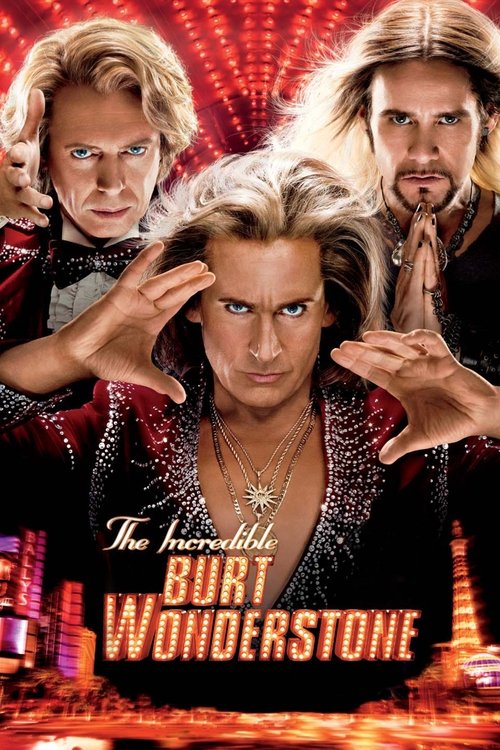
The smell of Aqua Net and desperate relevancy hangs heavy over the first act of The Incredible Burt Wonderstone. It’s a film that arrived in 2013—a year when the world was pivoting from the loud, polished spectacle of the 2000s toward something grittier and more cynical—and it captured that identity crisis perfectly, perhaps by accident. While I watched this on a Tuesday afternoon while recovering from a particularly nasty sunburn I got trying to read a book on my porch, I couldn’t help but feel that the film itself was suffering from a similar kind of exposure. It’s a mid-budget comedy that feels like a relic of a time when studios still threw thirty million dollars at a high-concept premise just to see if Steve Carell’s hair could reach the rafters.
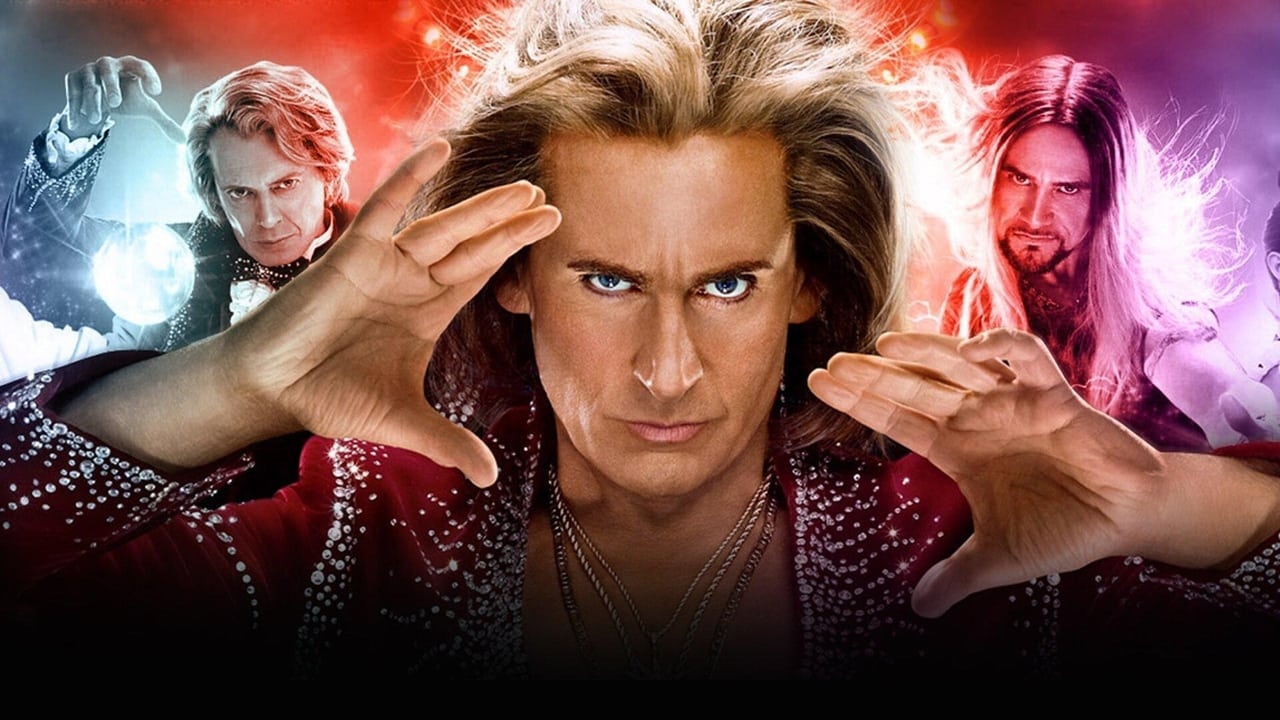
The Sequin-Smeared Hubris of the Strip
The story follows Burt Wonderstone (Steve Carell) and Anton Marvelton (Steve Buscemi), two childhood friends who rode a wave of 1980s magic-kit nostalgia to the top of the Las Vegas food chain. By the time we meet them in the "modern" day (circa 2013), they are a walking graveyard of velvet and spray tans. They haven’t spoken to each other off-stage in years, performing the same "The Hot Box" routine with the mechanical precision of two people who have stared at the same wallpaper for a decade.
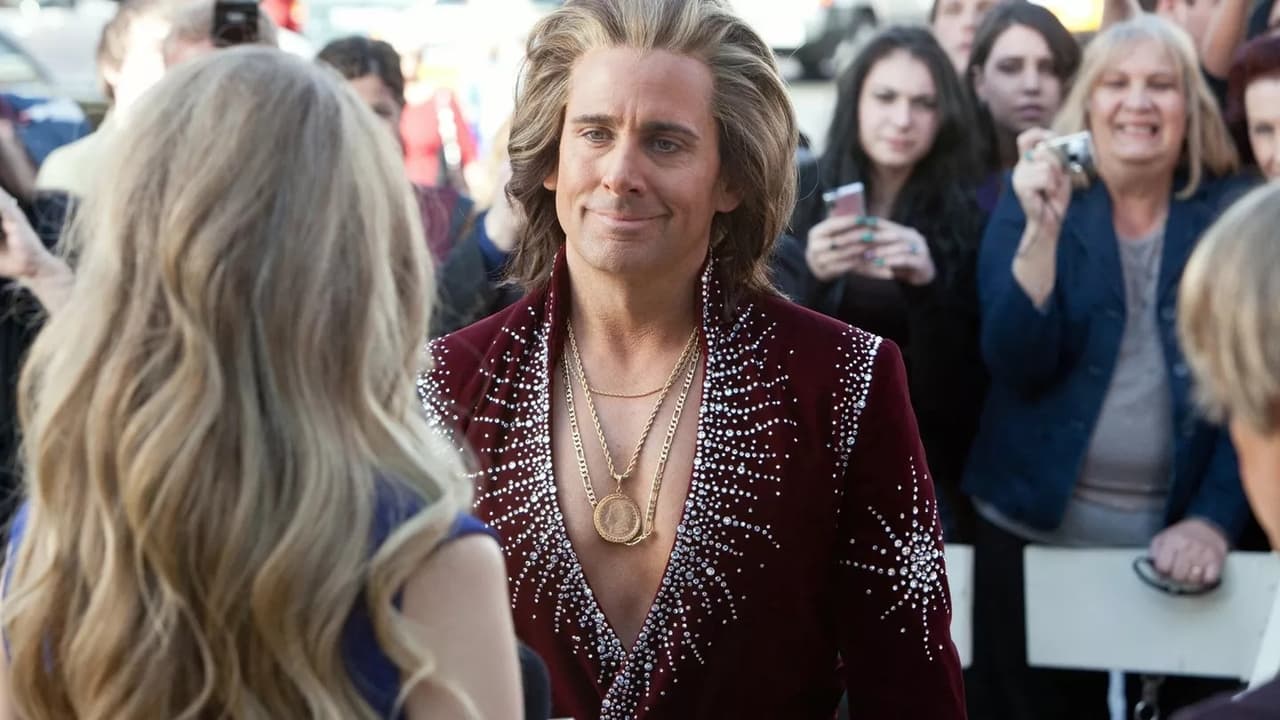
Steve Carell plays Burt with a level of unearned arrogance that is genuinely difficult to watch, which is exactly the point. He’s the kind of guy who calls his assistants "Nicole" regardless of their actual names. Beside him, Steve Buscemi provides the soul, playing the perpetually optimistic Anton with a sweetness that keeps the movie from curdling. Their chemistry is the highlight; you can tell they’ve been friends since their early improv days. However, the film really finds its teeth when it introduces the "new" magic: the "Brain Rapist" Steve Gray, played by an absolutely unhinged Jim Carrey.
The Gospel of Self-Mutilation
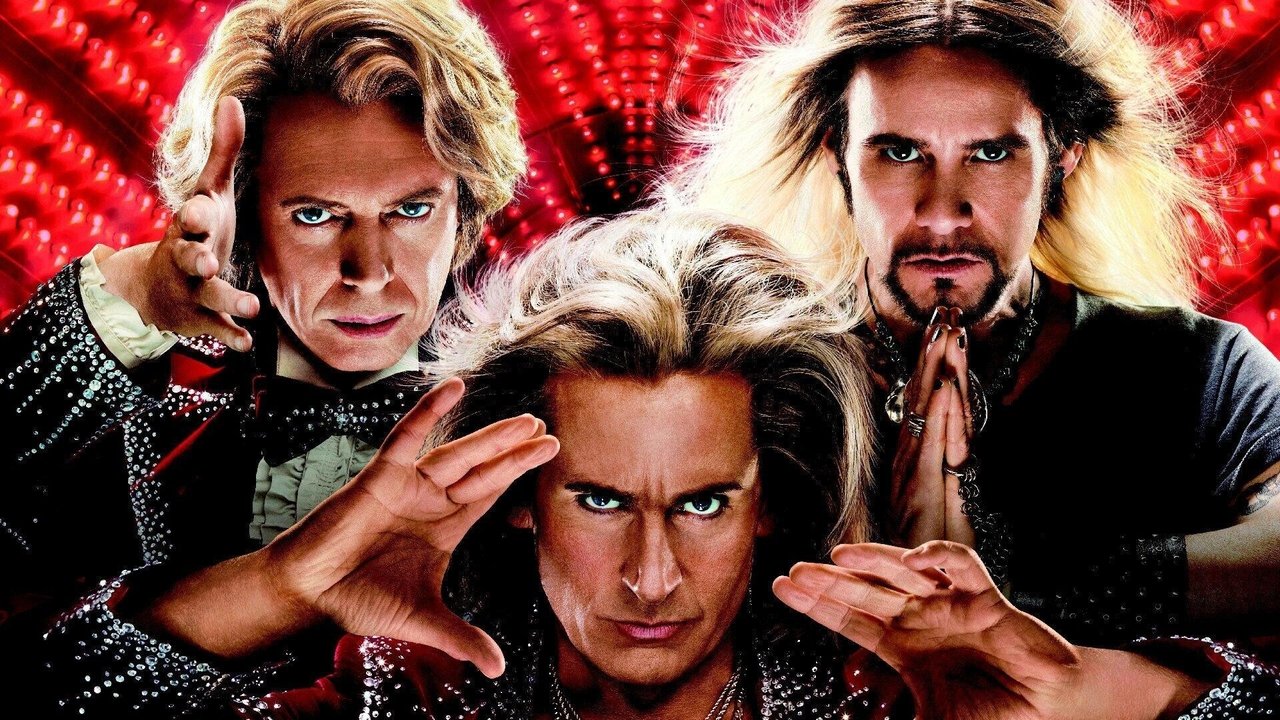
Jim Carrey as Steve Gray is a terrifyingly accurate parody of the Criss Angel/David Blaine era of "street magic." While Burt and Anton are worried about their pyrotechnics and sequin counts, Gray is out on the sidewalk holding his urine for twelve days and burning his own skin to "reveal" a card. It’s a clash of eras that feels incredibly poignant in retrospect. We were moving away from the theater of the mind and into the theater of "look how much pain I can endure for your clicks."
Jim Carrey is the only person in this movie who fully understands the assignment, leaning into a physical performance that feels like a fever dream. Whether he's staring at a wall for two days or drilling a hole in his head to "let the thoughts out," he represents the encroaching digital age—fragmented, shocking, and devoid of the "wonder" the title promises. His presence highlights the film’s central question: in a world that has seen everything through a smartphone screen, how do you make someone believe in a trick?
A Vanishing Act for the Mid-Budget Comedy

Despite the star-studded lineup—including a soulful James Gandolfini as a casino mogul and the legendary Alan Arkin as the retired magician who started it all—the film performed a disappearing act at the box office. It’s a "forgotten" film because it’s caught between two worlds. It isn't quite as dark as The Cable Guy (directed by Ben Stiller), nor is it as purely goofy as Anchorman. It occupies a strange, sentimental middle ground that 2013 audiences weren't particularly hungry for.
What’s fascinating to me now is how much craft actually went into the magic. David Copperfield served as a consultant, and the "Hangman" trick shown in the finale was a real illusion designed specifically for the movie. There’s a scene where Olivia Wilde (playing the long-suffering Jane) helps Burt rediscover the basics of sleight of hand, and for a few minutes, the CGI-heavy era of 2010s filmmaking takes a backseat to actual, tactile skill. It’s a brief glimpse into a movie that could have been a deep dive into the history of the craft, rather than a vehicle for Steve Carell to wear a series of increasingly ridiculous wigs. The wig budget alone should have bankrupt New Line Cinema, but it’s those little details—the texture of the costumes, the sadness of the backstage corridors—that make it worth a look today.
Ultimately, the film is a victim of its own timing, arriving just as the "Frat Pack" era of comedy was losing its grip on the cultural zeitgeist. It’s a comedy about being irrelevant that accidentally became irrelevant itself. Yet, there’s something undeniably charming about seeing Alan Arkin teach Steve Carell how to palm a coin, or watching Jim Carrey transform into a human pincushion. It’s not a masterpiece, but in an age of algorithm-driven sequels, this weird, sparkly, slightly mean-spirited look at the world of illusions is a curiosity that deserves a second chance on a lazy Sunday afternoon.
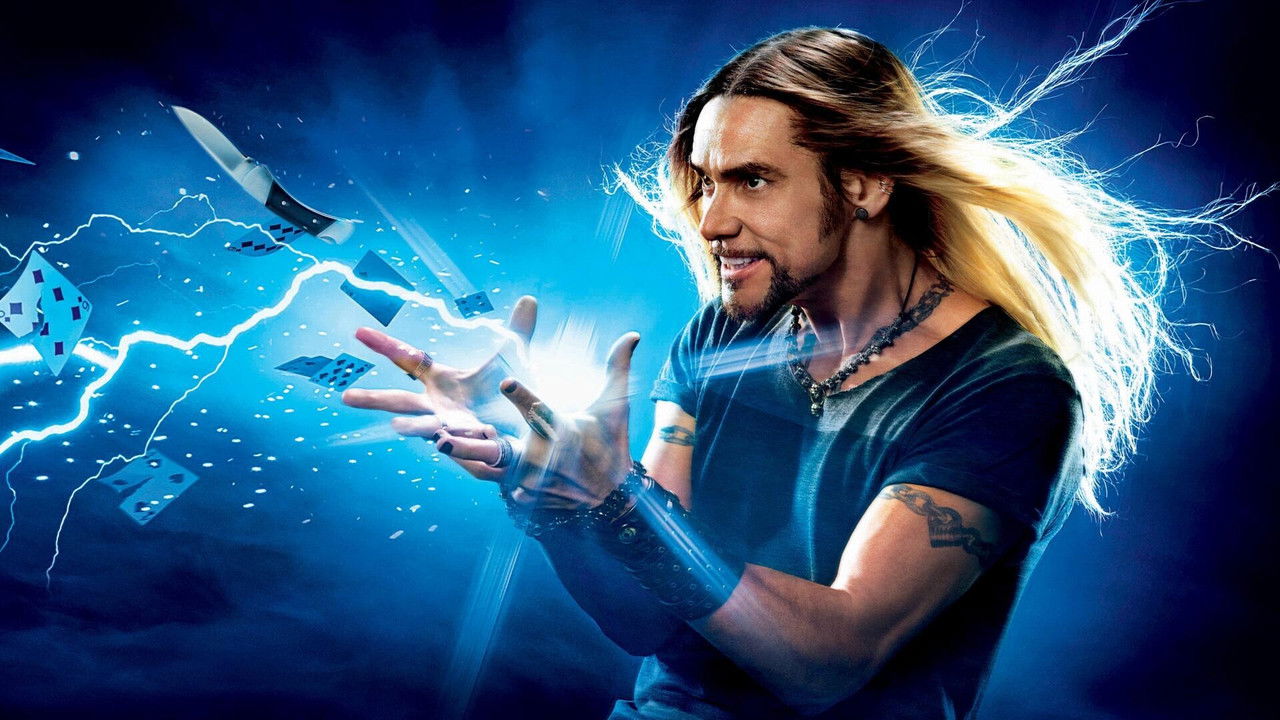
Keep Exploring...
-

Dan in Real Life
2007
-
Youth in Revolt
2009
-
Stand Up Guys
2012
-
Grudge Match
2013
-

The Cobbler
2014
-
Get Smart
2008
-

Seeking a Friend for the End of the World
2012
-

Alexander and the Terrible, Horrible, No Good, Very Bad Day
2014
-
Be Kind Rewind
2008
-

Drillbit Taylor
2008
-
Ghost Town
2008
-
Harold & Kumar Escape from Guantanamo Bay
2008
-
Made of Honor
2008
-

Nick and Norah's Infinite Playlist
2008
-
Nim's Island
2008
-
Sex Drive
2008
-
The House Bunny
2008
-
Wild Child
2008
-
Aliens in the Attic
2009
-

I Love You, Beth Cooper
2009