The Lone Ranger
"Justice gets a mask. Adventure gets weird."
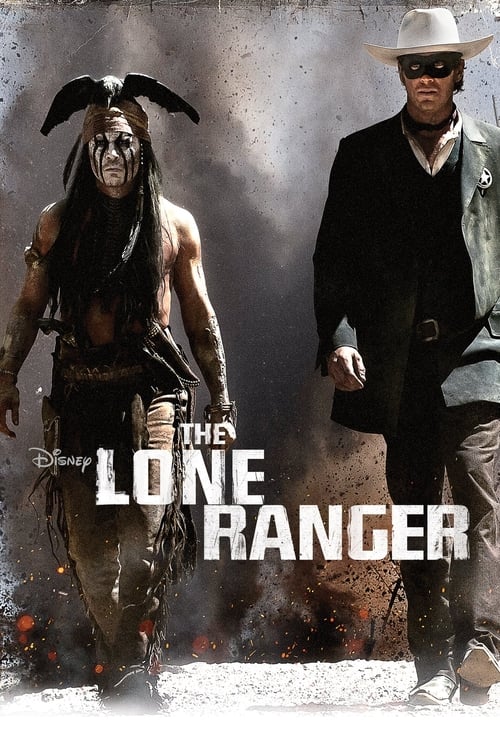
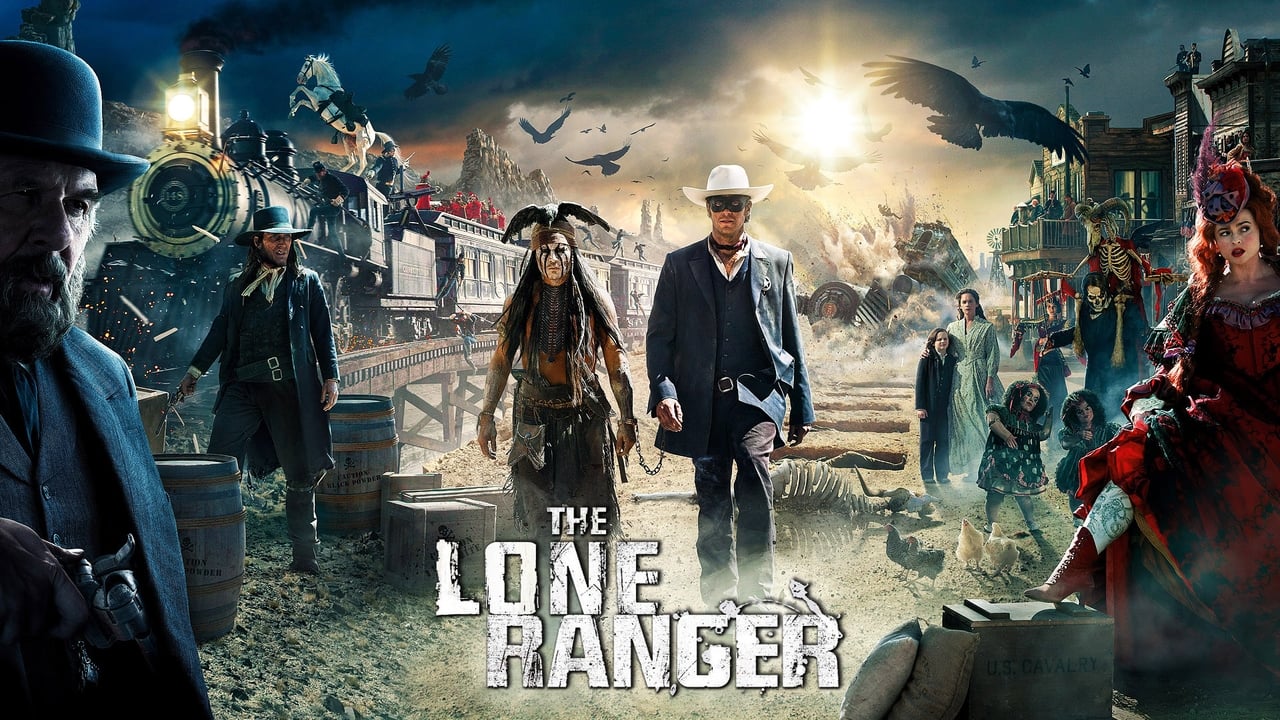
There is a specific kind of audacity unique to 2013-era Disney, a high-stakes gambling energy where the studio handed Gore Verbinski a mountain of cash—$215 million, to be precise—and let him put a dead crow on Johnny Depp’s head. This was the peak of the "Bruckheimer Era," a time when Jerry Bruckheimer could greenlight almost anything on the strength of a few pirate movies. Looking back, The Lone Ranger feels like the ultimate "blank check" movie, a sprawling, eccentric, and occasionally grotesque Western that feels less like a corporate product and more like a fever dream experienced while staring at a diorama in a dusty roadside museum.
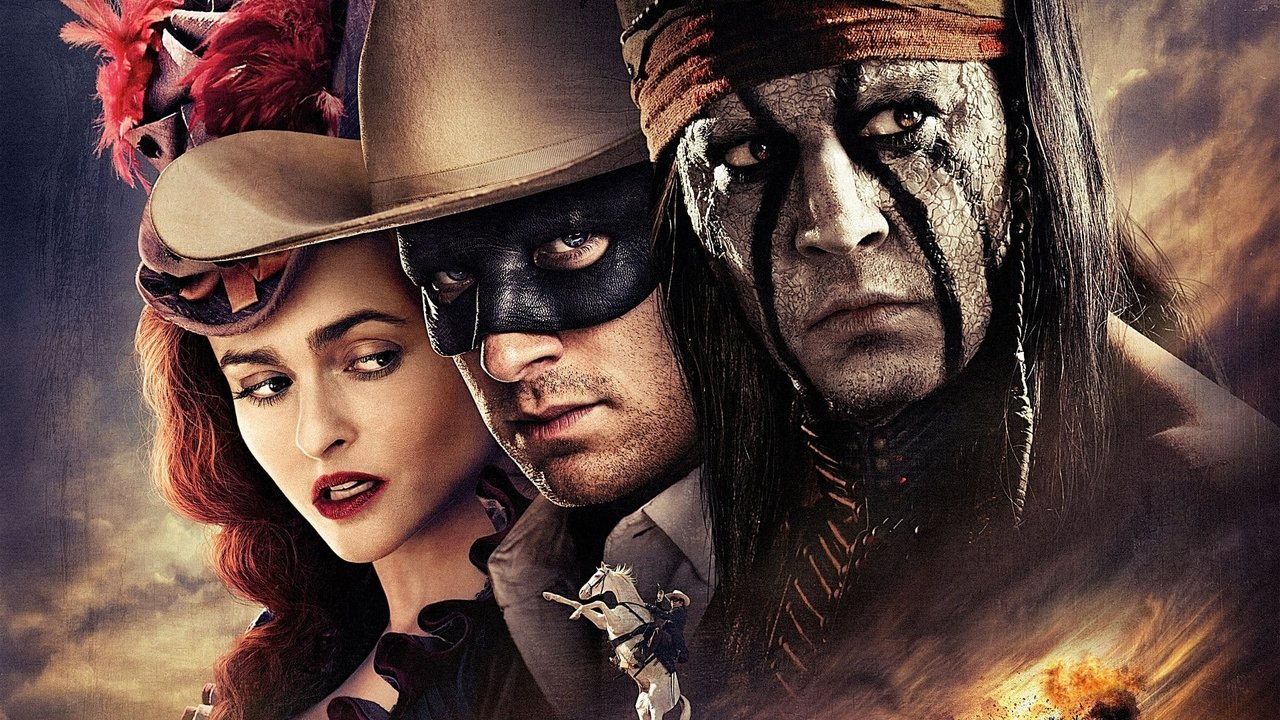
I once watched this film while eating a bag of particularly bitter kale chips, and I realized the experience perfectly mirrored the movie: expensive, slightly difficult to swallow, yet undeniably crunchy and full of unexpected textures. It’s a film that asks you to sit still for 149 minutes—an eternity in modern blockbusters—to witness a story that is half slapstick comedy and half somber meditation on the genocide of Indigenous peoples. It shouldn't work, and for many people in 2013, it absolutely didn't. But in the years since it "bombed," it has slowly morphed into a cult oddity that I find myself defending more often than I probably should.
The Iron Horse and Practical Magic
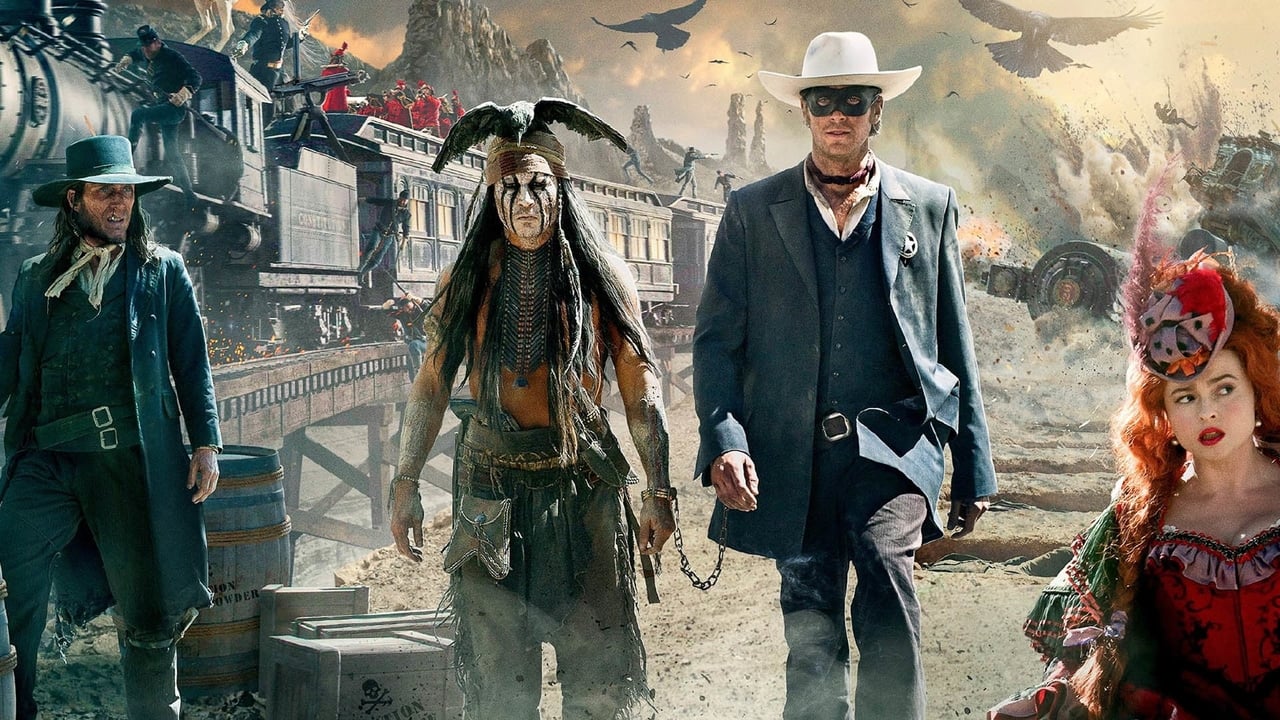
While most modern blockbusters have devolved into "gray soup" CGI battles, Gore Verbinski (who also gave us the wonderfully weird Rango) insisted on a level of physical reality that is frankly staggering. The production famously built two 250-ton locomotives and miles of actual track in the New Mexico desert just so they could crash them for real. You can feel that weight on screen. When Armie Hammer—playing the titular hero as a sort of naive, law-abiding Boy Scout—clambers across the top of a moving train, the wind and the grit feel authentic because they were.
The cinematography by Bojan Bazelli captures the American West with a clarity that feels like a John Ford film on acid. The colors are saturated with dust and blood, and the scale is massive. This was a transitional moment for cinema, where digital effects were becoming the norm, but Verbinski was still clinging to the tactile glory of the analog world. It’s the kind of movie that looks better on a high-definition Blu-ray today than it did in the theater, simply because there is so much detail in every frame of the desert landscapes and the intricately designed costumes.
A Villain for the Ages and a Score that Soars
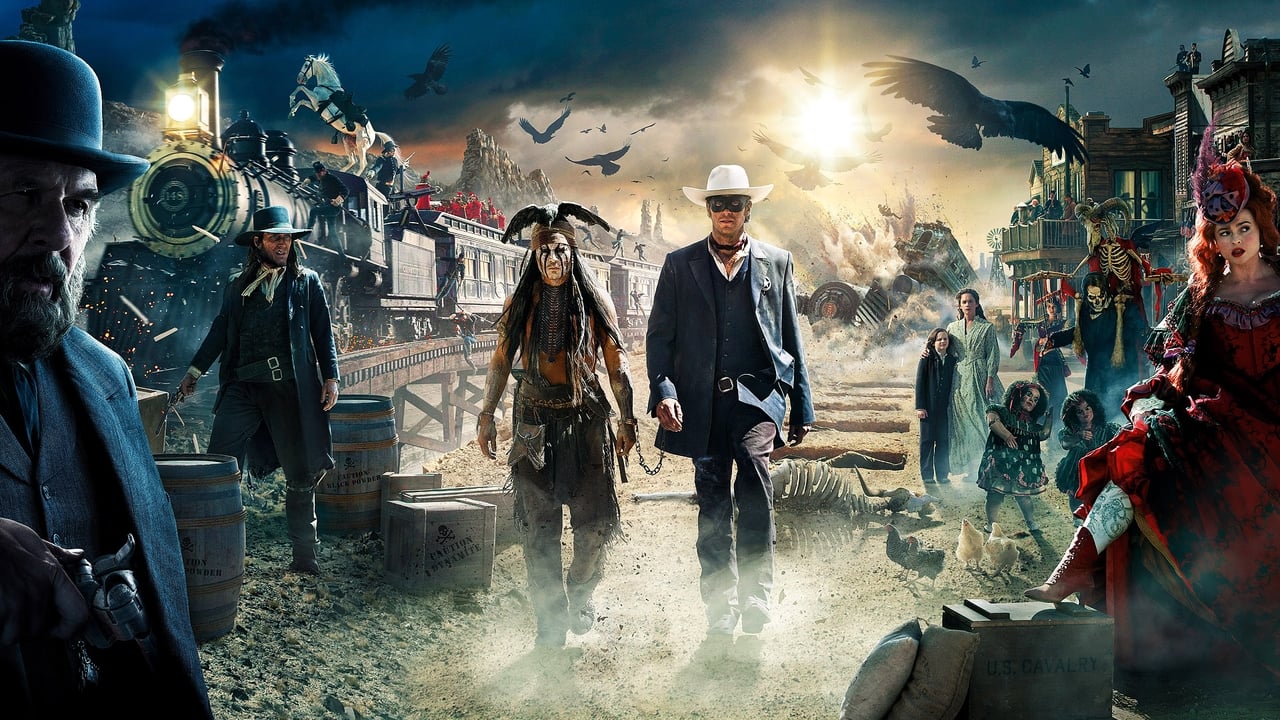
If there is one reason to revisit this film, it’s William Fichtner as Butch Cavendish. Fichtner plays the outlaw with such a terrifying, greasy intensity that he feels like he wandered in from a much darker horror movie. There is a scene involving a silver star and a human heart that is genuinely too metal for a Disney movie, and it’s these flashes of darkness that make the film so much more interesting than your standard superhero origin story.
Supporting turns from Tom Wilkinson, Helena Bonham Carter (rocking an ivory leg that doubles as a shotgun), and Barry Pepper add a layer of prestige to the chaos. But the real MVP is Hans Zimmer. His score is a masterclass in subverting expectations, climaxing in a 20-minute arrangement of the "William Tell Overture" that is arguably the most joyful, well-choreographed action sequence of the 2010s. It’s the moment where the "Lone Ranger" theme finally kicks in, and for those twenty minutes, the movie becomes the perfect version of itself—pure, unadulterated cinematic kineticism.
The Cult of the Misunderstood
So, why did it fail? Cultural attitudes were shifting rapidly. Johnny Depp’s portrayal of Tonto was met with immediate skepticism; his "weird guy in makeup" schtick, which felt fresh in Pirates of the Caribbean (2003), was starting to wear thin by 2013. Plus, the movie's tone is a total disaster. It jumps from Johnny Depp feeding a dead bird to a scene of cavalry-led slaughter without warning. It was a film out of time—too weird for kids, too goofy for adults, and too expensive for its own good.
Yet, this is exactly why it has found a second life among film nerds. It represents a time before the MCU "formula" completely homogenized the blockbuster. It’s a messy, auteur-driven spectacle that takes massive risks. Turns out, Johnny Depp actually narrowly escaped death on set when he fell from his horse and was dragged for twenty-five yards; that kind of "everything on the line" energy permeates the whole production. It’s a movie that refused to be small, and even when it stumbles over its own length, I can’t help but admire the view from the top of its ambition.
In the end, The Lone Ranger is a beautiful, bloated disaster of a sundae. It’s overstuffed with plot and features a redface performance that aged like milk in a desert sun, yet it remains one of the most visually impressive Westerns of the 21st century. If you can forgive the pacing issues and lean into the madness, there’s a genuinely grand adventure hidden under all that face paint. Just maybe skip the kale chips and go for the extra-large popcorn—you’re going to be there for a while.
Keep Exploring...
-
Rango
2011
-

Pirates of the Caribbean: Dead Man's Chest
2006
-
Pirates of the Caribbean: At World's End
2007
-
Pirates of the Caribbean: On Stranger Tides
2011
-
Shanghai Noon
2000
-
Pirates of the Caribbean: The Curse of the Black Pearl
2003
-
Shanghai Knights
2003
-
The Legend of Zorro
2005
-
Date Night
2010
-

The Mask of Zorro
1998
-
The Grey
2012
-
Small Soldiers
1998
-
10,000 BC
2008
-
Babylon A.D.
2008
-
Jumper
2008
-
The Incredible Hulk
2008
-
The Mummy: Tomb of the Dragon Emperor
2008
-

G.I. Joe: The Rise of Cobra
2009
-
Night at the Museum: Battle of the Smithsonian
2009
-

X-Men Origins: Wolverine
2009