The Mafia Kills Only in Summer
"First crushes, school photos, and car bombs."

I watched this movie on my couch with a bag of slightly stale taralli I’d forgotten in the pantry, and honestly, the loud crunching made the 1970s sequences feel weirdly more authentic. There is something about Italian cinema from the early 2010s that feels like it’s finally exhaling after decades of tension, and The Mafia Kills Only in Summer (or La mafia uccide solo d'estate) is the perfect example of that deep, necessary breath.
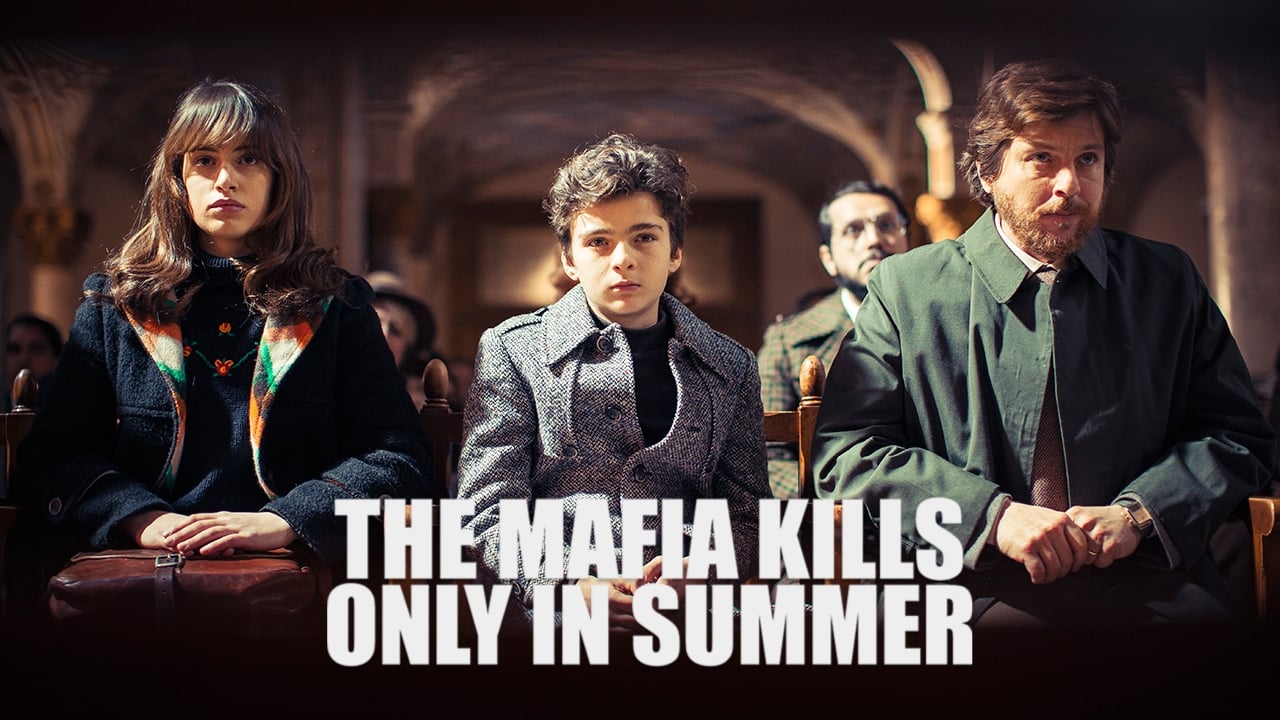
If you grew up on a diet of The Godfather or Goodfellas, you’ve been conditioned to see the Mafia as a collection of shadow-dwelling operatic figures or high-energy psychopaths in tracksuits. This film, directed by and starring the Italian TV satirist Pif (Pierfrancesco Diliberto), takes a different route. It suggests that, for a kid growing up in Palermo in the 70s and 80s, the Mafia wasn't a movie—it was the noisy, murderous neighbor that everyone pretended wasn't there.
The Forrest Gump of the Cosa Nostra
The story follows Arturo, played as a child by the wonderfully expressive Alex Bisconti and later by Pif himself. Arturo is a kid with two obsessions: his classmate Flora (Ginevra Antona, later Cristiana Capotondi) and the Italian Prime Minister Giulio Andreotti. Yes, you read that right. While other kids have posters of soccer stars, Arturo has a crush on a deeply controversial, hunchbacked politician. It’s a hilarious, specific character trait that immediately tells you this isn't going to be your standard "coming of age" slog.
Arturo’s life is structured like a darkly comic Forrest Gump. He’s always just on the periphery of history. He tries to get a scoop for his school paper and ends up sharing a pastry with a man who will be assassinated moments later. He navigates the treacherous waters of elementary school romance while the city around him is quite literally being dismantled by corruption and dynamite.
The brilliance of the script, co-written by Pif and Marco Martani, is how it handles the "omertà"—the code of silence. In Arturo’s world, the adults have developed a specialized form of gymnastics to avoid acknowledging the carnage. When a journalist is killed, they blame it on "women." When a judge is blown up, it’s just "politics." The Mafia has never looked more like a collection of bumbling, petty roommates who occasionally murder people. This absurdity is the film's greatest weapon.
A Tonal Tightrope Walk
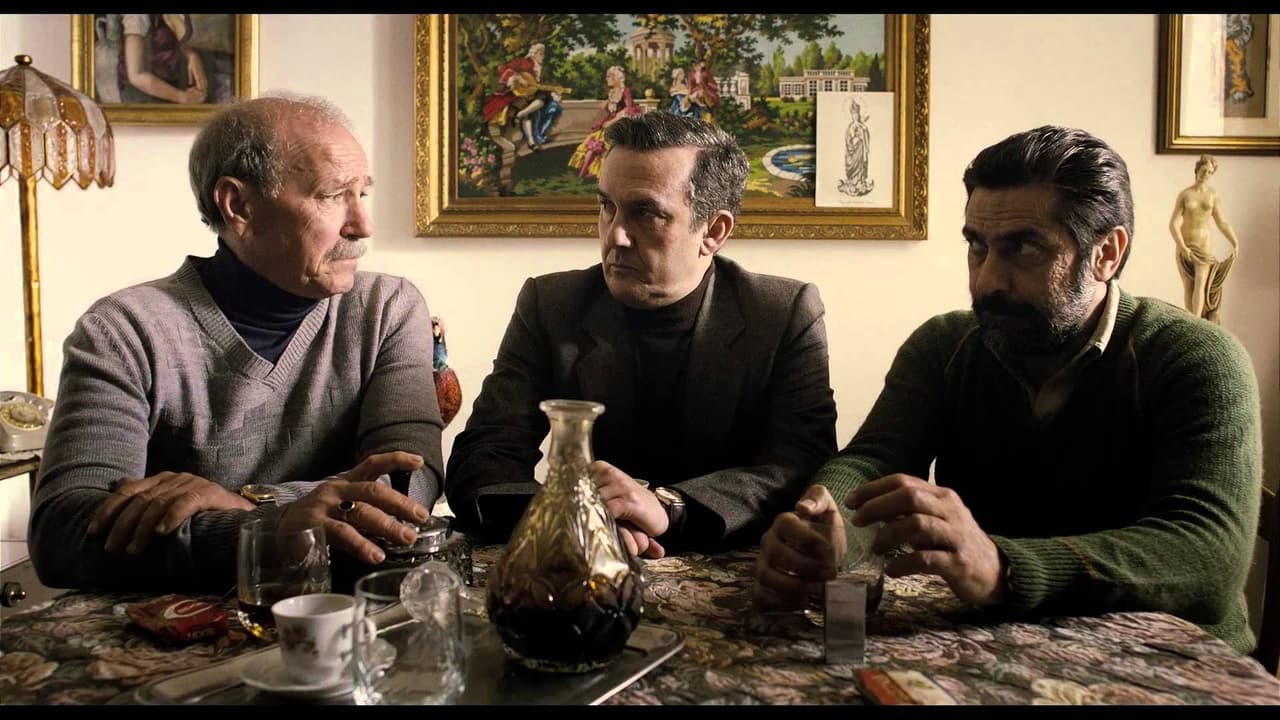
Dramas that try to be funny often feel like they’re trivializing their subject matter, but Pif manages a miraculous balancing act here. He uses comedy to strip the Mafia of their glamour. By making them look ridiculous—showing high-ranking bosses arguing over air conditioning or being confused by basic technology—he makes them more pathetic, and therefore less invincible.
Cristiana Capotondi is luminous as the adult Flora, providing the emotional anchor Arturo needs. Their chemistry is sweet and grounded, which is essential because the film needs you to care about their "will-they-won't-they" fluff to offset the grim reality of the historical timeline.
Looking back at this film from a decade-plus out, you can see how it fits into that 2013-2014 era of digital filmmaking. It doesn't have the grainy, sweat-soaked texture of 70s Italian crime films; instead, it has a bright, almost postcard-like clarity. It feels like a memory—sometimes fuzzy, sometimes sharp, but always colored by the passage of time. The score by Santi Pulvirenti underscores this perfectly, moving from playful whimsy to somber reflection without missing a beat.
When the Laughter Stops
The film eventually has to stop joking. As the timeline moves toward 1992—the year the Mafia murdered judges Giovanni Falcone and Paolo Borsellino—the "summer" of the title takes on a chilling weight. I remember the news reports from that era vaguely, but seeing it through Arturo’s eyes, as a man finally realizing that his city is on fire, is genuinely moving.
Pif’s direction is surprisingly restrained in these moments. He doesn't over-direct the tragedy. He lets the historical footage do the heavy lifting, and the transition from his fictional world to the real-life mourning of Palermo is one of the most effective endings I've seen in modern European cinema. It transforms from a quirky comedy into a profound act of civic remembrance.
It’s a shame this movie didn't make a bigger splash in the States. It was a massive hit in Italy, even spawning a TV series, but it remains a "hidden gem" for most international audiences. It’s the kind of film that deserves a spot on your shelf next to Cinema Paradiso—it has that same DNA of loving a place even when that place is breaking your heart.
The Mafia Kills Only in Summer is a rare feat: a political satire with a soul. It manages to be funny, romantic, and devastating all within a tight 90-minute runtime that never feels rushed. If you’re tired of the glamorized "tough guy" tropes of the crime genre, find a way to stream this. Just make sure you have some taralli on hand—fresh ones, if possible.
Keep Exploring...
-
I Love You Phillip Morris
2010
-

Nick and Norah's Infinite Playlist
2008
-

Morning Glory
2010
-
Submarine
2011
-

Salmon Fishing in the Yemen
2012
-
Filth
2013
-
Stuck in Love
2013
-
Veronica Mars
2014
-
Confessions of a Dangerous Mind
2002
-
To Die For
1995
-

EverAfter
1998
-
Out of Sight
1998
-
Blast from the Past
1999
-
The Spanish Apartment
2002
-
Love Me If You Dare
2003
-
Casanova
2005
-
The Sisterhood of the Traveling Pants
2005
-

Cashback
2007
-

Camp Rock
2008
-

Love & Other Drugs
2010