The Place Beyond the Pines
"The sins of the father are never truly buried."
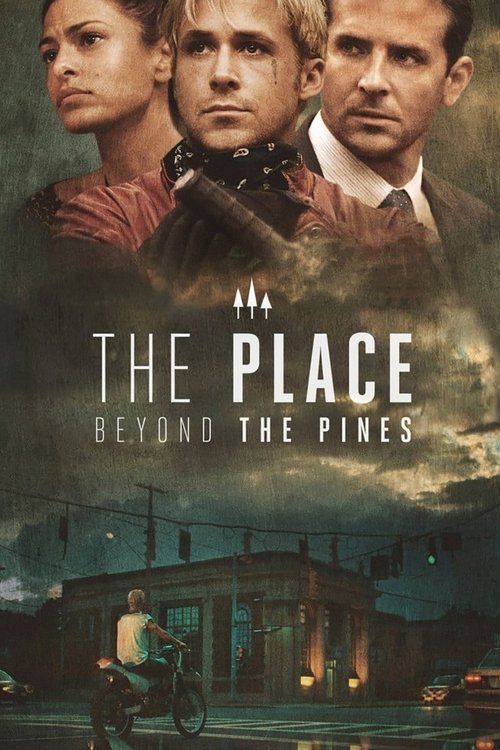
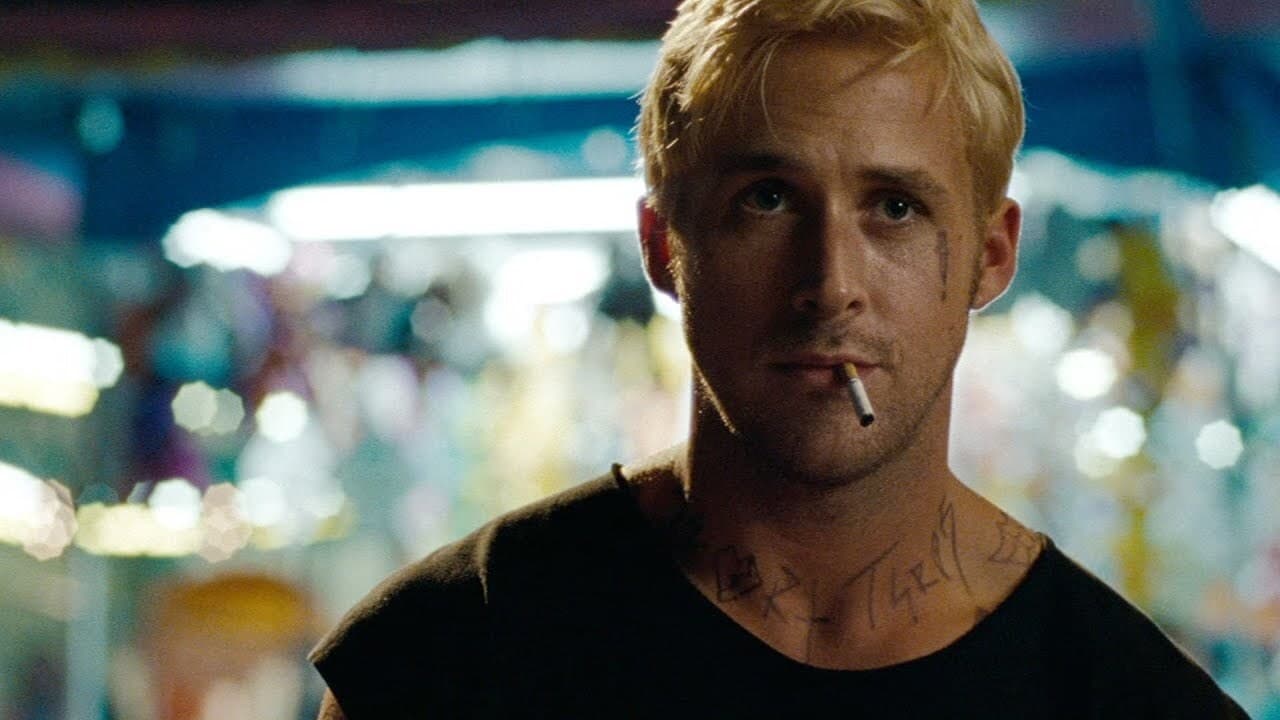
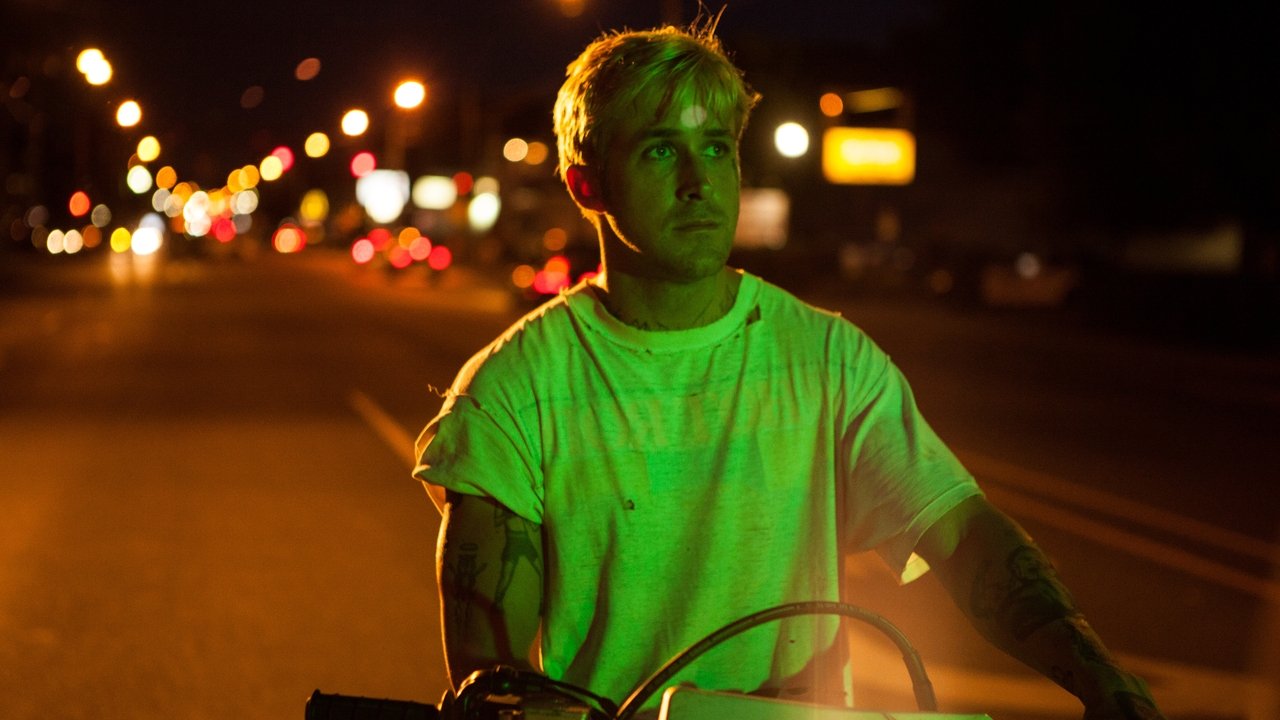
The opening shot of The Place Beyond the Pines is a long, unbroken prowl that follows a shirtless, tattooed Ryan Gosling through a traveling carnival. He flips a butterfly knife, pulls on a red "Metallica" shirt, and enters a steel globe on a motorcycle to defy gravity. It’s a sequence that screams "indie cool" in a way that defined the early 2010s—that specific window where Ryan Gosling was the undisputed king of brooding, laconic anti-heroes. But then, the movie does something absolutely insane: it breaks its own back.

I watched this film on a laptop with a screen so dim I had to turn off every light in the house to see into the shadows of Schenectady, and honestly, the squinting felt right. This isn’t a movie meant for bright rooms or easy viewing. It’s a triptych—a three-act structure that plays more like a generational relay race than a standard crime drama. Just when you think you’ve settled into a gritty heist flick about a stunt rider robbing banks to support a secret son, the baton is passed. The film literally shifts protagonists, moving from Ryan Gosling’s Luke to Bradley Cooper’s Avery, a rookie cop with a law degree and a guilty conscience.
The Audacity of the Hand-Off
Director Derek Cianfrance, fresh off the emotional wreckage of Blue Valentine (2010), was clearly uninterested in making a "safe" follow-up. In 2013, Hollywood was already deep into the franchise-building era, but The Place Beyond the Pines feels like a stubborn relic of the 70s New Hollywood movement. It was shot on 35mm film by Sean Bobbitt (the genius behind the lens of 12 Years a Slave), and you can practically feel the grain under your fingernails.
The decision to kill off the primary "hook" of the movie (Gosling) halfway through is a move that still divides audiences. Bradley Cooper's Avery Cross is actually the villain of his own story, or at least a man who mistakes ambition for atonement. Watching Cooper navigate the murky waters of police corruption alongside a terrifyingly sleazy Ray Liotta provides a sharp, cold contrast to the sweaty, romantic desperation of the first act. Liotta, who we lost recently, plays Peter Deluca with a predatory stillness that makes your skin crawl. He doesn't need to shout; he just looms in the doorway of a house he's currently robbing under the guise of the law.
A Legacy of Cigarettes and Bad Choices
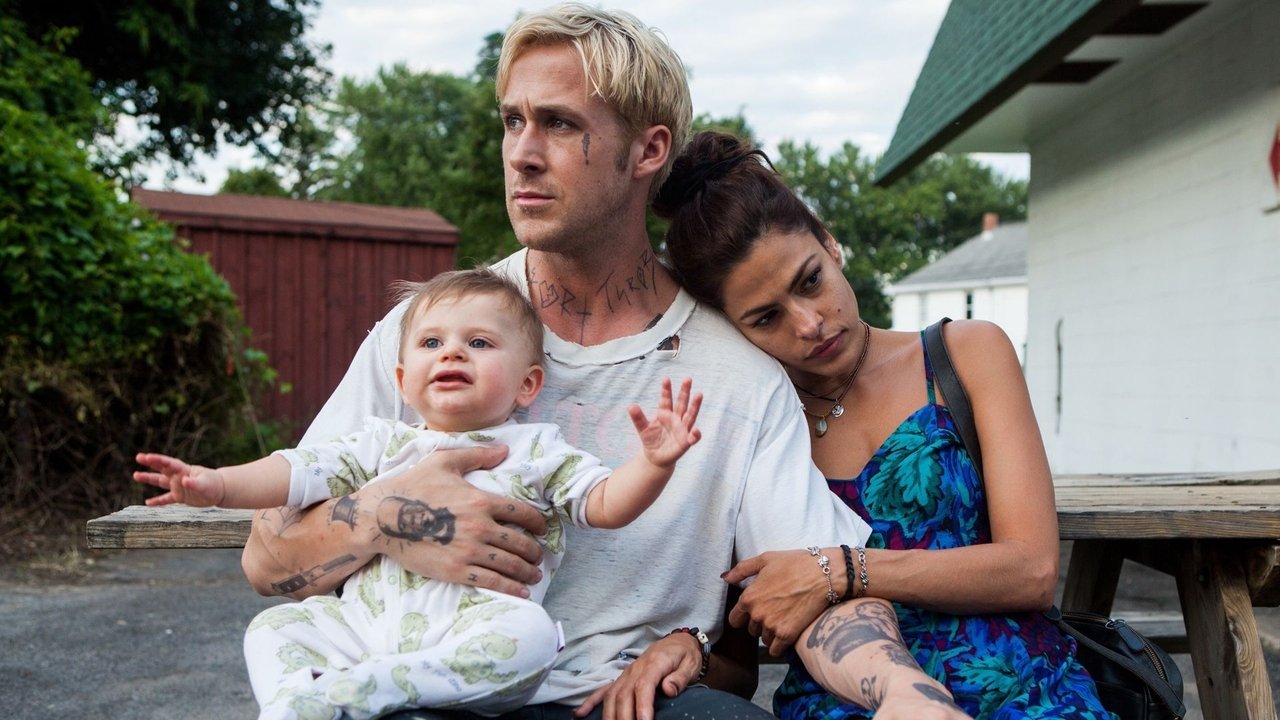
While the first two acts are powerhouse displays of acting, the third act—focusing on the sons of Luke and Avery fifteen years later—is where the "cult" status of this film was truly cemented. It’s the most divisive segment, featuring a young Dane DeHaan as Jason and Emory Cohen as AJ. Dane DeHaan has this perpetual "I haven't slept in three days" energy that perfectly mirrors Ryan Gosling’s haunted stare, making the biological connection feel eerily authentic.
I’ve heard people complain that the third act is too coincidental, that the chances of these two kids meeting in high school are astronomical. To those people, I say: you’re missing the point. This isn't a documentary; it's a Greek tragedy set in Upstate New York. The title itself comes from the Mohawk word for Schenectady, which translates to "the place beyond the pine plains." The film treats the geography like a trap—a loop of trauma that these boys are born into before they even take their first breath.
The score by Mike Patton (yes, the Faith No More frontman) is the secret weapon here. It’s not a traditional orchestral sweep; it’s a shimmering, eerie soundscape that makes the pine forests feel like they’re whispering secrets. It captures that transition-era vibe perfectly—experimental, moody, and deeply atmospheric.
Stuff You Didn't Notice
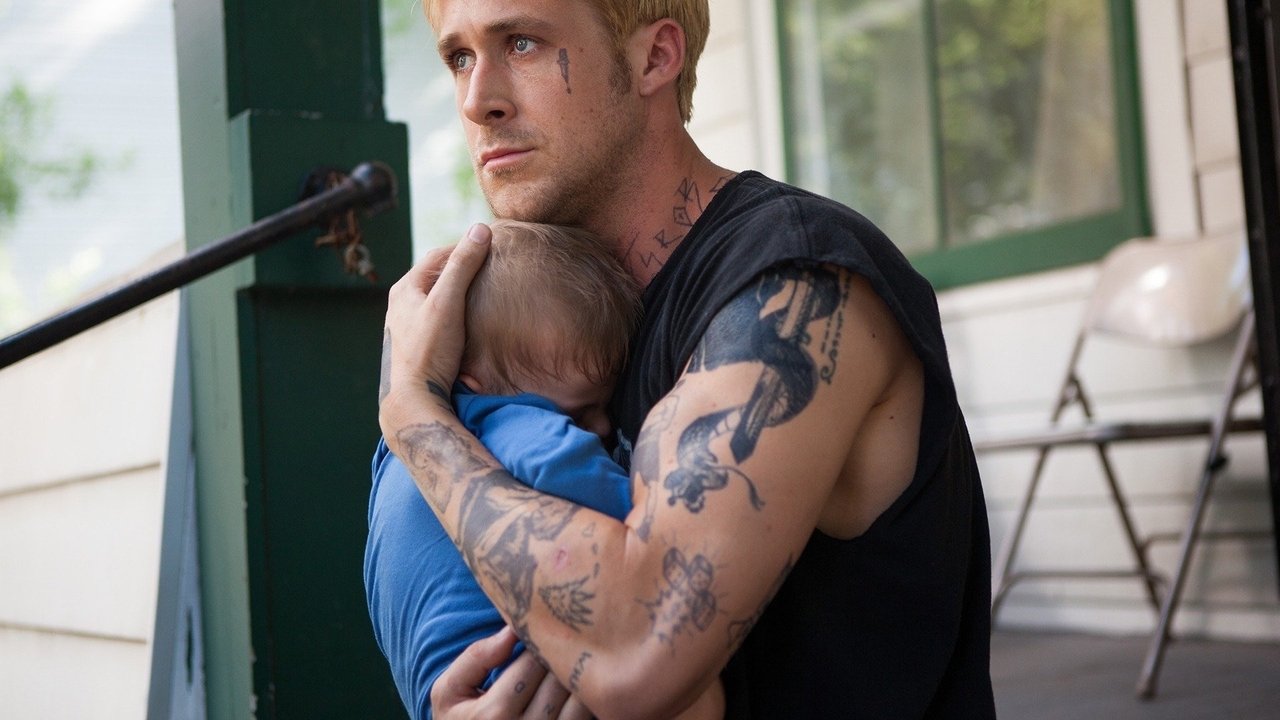
One of the reasons this film has maintained such a dedicated following is the level of "lived-in" detail. Ryan Gosling actually performed many of his own motorcycle stunts, including the terrifyingly fast bank getaway through a busy intersection. He also suggested the face tattoo under his left eye, which he later admitted he regretted during filming because he thought it looked "distracting." Derek Cianfrance refused to let him remove it, telling him, "This is a movie about consequences."
There’s also a hidden layer of authenticity in the casting. Many of the "cops" in the police station scenes were actual local officers, and the bank tellers were people who had actually been robbed in real life. That’s the kind of production trivia that changes how you watch a scene; those looks of genuine terror on the tellers' faces aren't entirely manufactured. Eva Mendes, who plays Romina, gives perhaps the most underrated performance of her career here. She’s the anchor of the film, the one who has to carry the weight of both men’s choices across two decades without ever feeling like a plot device.
The Place Beyond the Pines is a massive, messy, and deeply moving achievement that rewards the patient viewer. It’s a film about how we can’t outrun our bloodlines, no matter how fast we ride our bikes. While the middle-to-end transition can feel like a jolt to the system, it’s that very ambition that makes it a modern cult classic. It dares to be three different movies at once, and somehow, by the time the credits roll to the sound of Bon Iver, it feels like one singular, devastating punch to the gut. It’s the kind of film that lingers in your head for days, making you wonder which of your own father’s ghosts are currently riding pillion.
Keep Exploring...
-
Drive
2011
-
Blue Valentine
2010
-
Lawless
2012
-
The Next Three Days
2010
-
The Lincoln Lawyer
2011
-
End of Watch
2012
-
Nightcrawler
2014
-
John Q
2002
-

Changeling
2008
-

Law Abiding Citizen
2009
-
The Best Offer
2013
-

Blow
2001
-
Boyz n the Hood
1991
-
Thelma & Louise
1991
-
A Bronx Tale
1993
-

Falling Down
1993
-
Natural Born Killers
1994
-

Jackie Brown
1997
-
American Psycho
2000
-
Training Day
2001