The Purge
"Blessed be our New Founding Fathers."
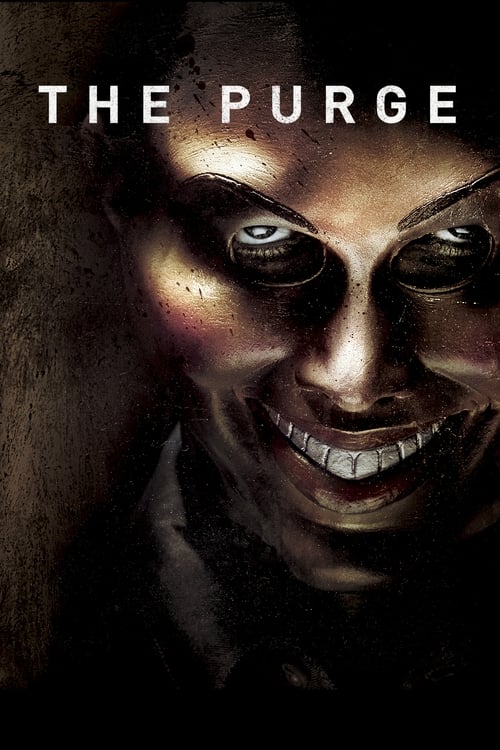
The siren sounds, the heavy steel shutters slide into place, and for twelve hours, your neighbor is allowed to murder you because it’s "good for the economy." In 2013, this premise felt like the ultimate water-cooler conversation starter. It’s a hook so sharp it practically catches the fish, fries it, and serves it with a side of social anxiety. While the sequels eventually took the chaos to the streets, the original The Purge decided to lock us in a room and see how we’d sweat.

I ate an entire bag of slightly stale pretzel sticks while watching this recently, and the crunching was so loud I actually missed half the dialogue in the first act, though honestly, you don't need much exposition to understand "stay inside or die."
The House Always Loses
Looking back at the early 2010s, we were in the middle of a massive shift in how horror movies were made. Big-budget studio horror was dying out, replaced by the "Blumhouse Model": keep the budget tiny, the location singular, and the concept massive. Ethan Hawke plays James Sandin, a man who has grown wealthy selling high-tech security systems to other wealthy people so they can sit out the annual government-sanctioned murder spree. He’s the ultimate "I’m alright, Jack" protagonist—until his son, played by Max Burkholder, sees a wounded man (Edwin Hodge) screaming for help outside and disarms the security system.
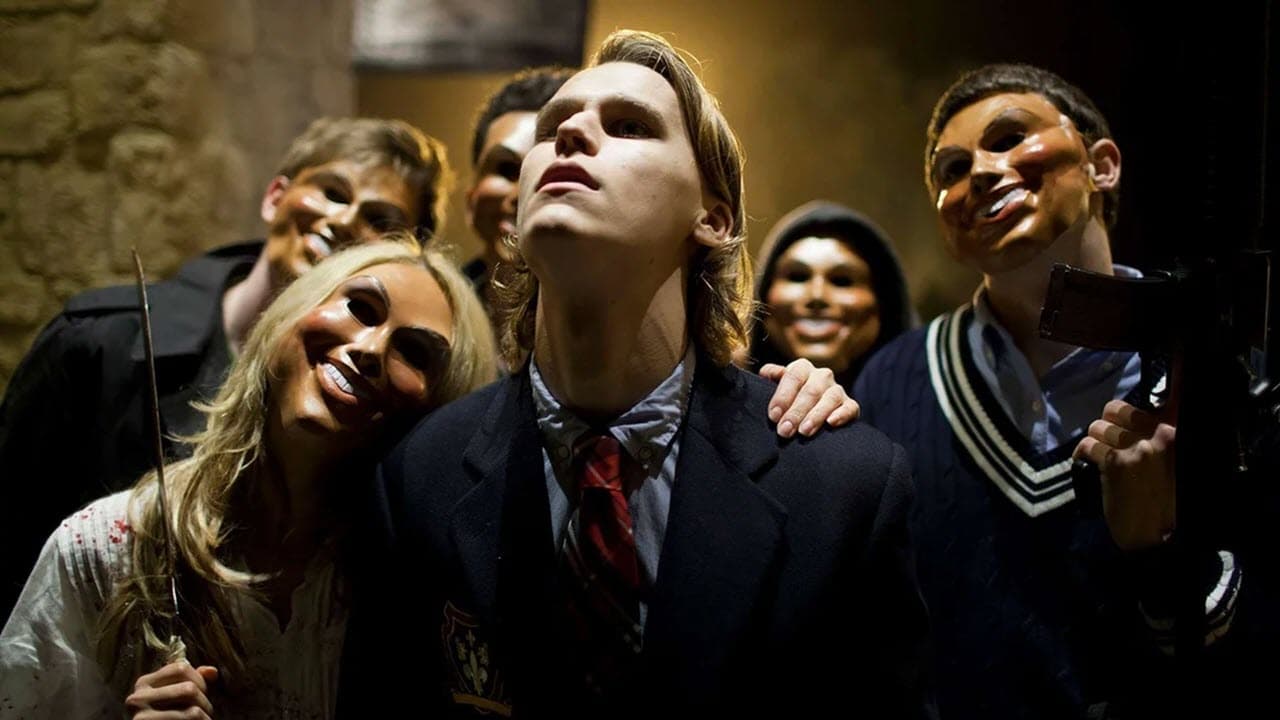
It’s the classic horror movie catalyst where empathy leads to catastrophe. Soon, a group of preppy, mask-wearing sociopaths led by a terrifyingly polite Rhys Wakefield is at the front door. They want the "homeless pig" inside, or they’re coming in to kill everyone. What follows isn't the sweeping social epic some expected, but a claustrophobic home invasion thriller that uses its high-concept backdrop as a pressure cooker for the Sandin family.
A Masterclass in Creepiness (and Bad Choices)
The film lives and breathes on its atmosphere. Director James DeMonaco uses the shadows of the Sandin mansion effectively, turning a place of luxury into a labyrinth of dread. But my biggest takeaway from a retrospective watch is just how much the tension relies on the "creepy prep" aesthetic. Rhys Wakefield, billed simply as the Polite Leader, is doing some truly unsettling work here. His permanent, wide-eyed grin and prep-school vernacular are way scarier than the machetes his friends are carrying.
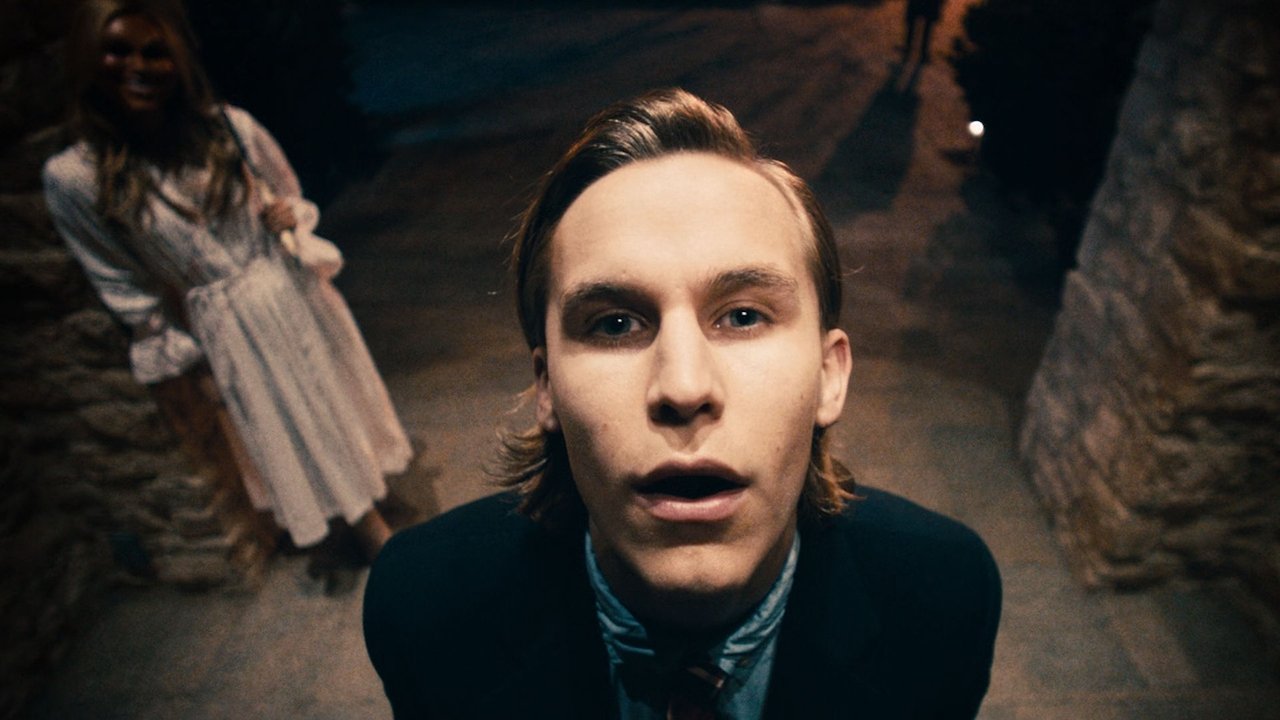
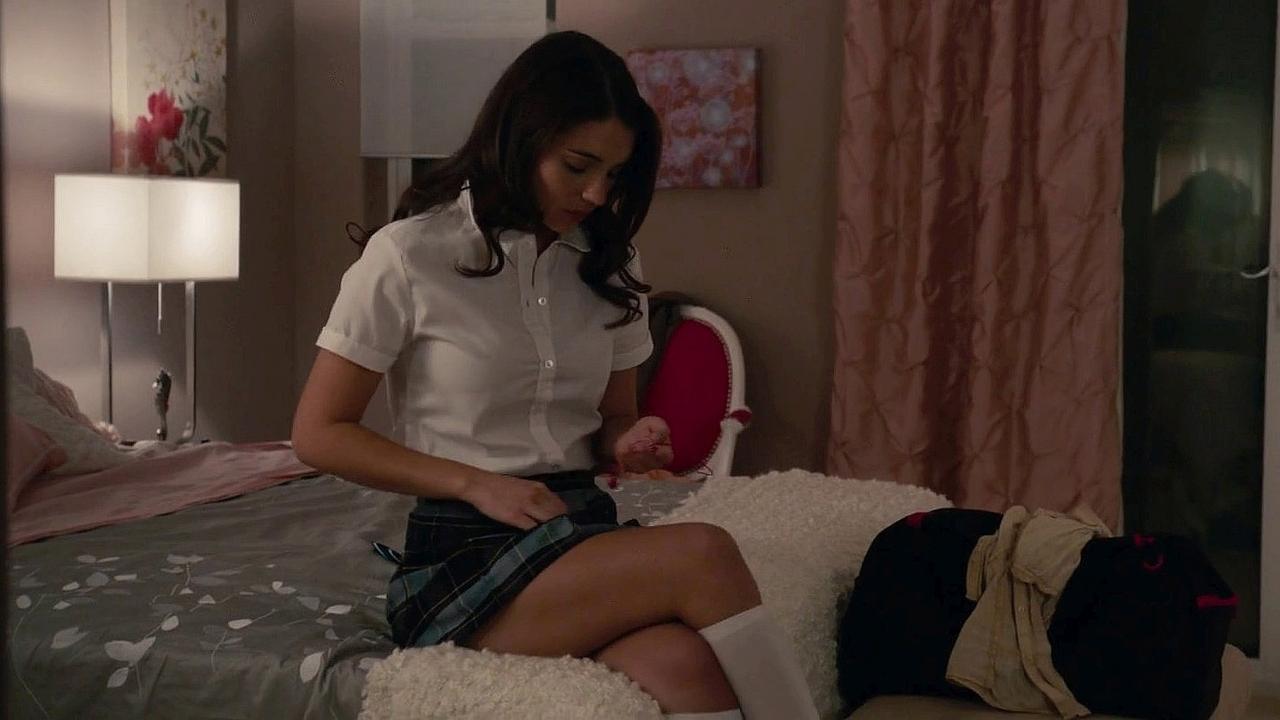
However, we have to talk about the Sandin children. Adelaide Kane as Zoey and Max Burkholder as Charlie are essentially the reasons the movie happens, but the kids in this movie are the real villains because their lack of survival instincts is the only reason the plot moves forward. Whether it’s Charlie letting a stranger into a high-security fortress or Zoey disappearing into the vents to make out with her boyfriend during a national emergency, their decision-making is enough to make you root for the invaders for a split second.
Stuff You Didn't Notice
What’s fascinating about The Purge in retrospect is how it was pieced together on a shoestring. Apparently, the budget was so tight—just $3 million—that Ethan Hawke didn't even get a salary. He took a back-end deal instead, which turned out to be a genius move considering the movie raked in over $90 million.
The shoot only lasted 19 days, which explains why so much of the film takes place in the dark; it’s an old-school trick to hide a lack of set dressing. Also, if you look closely at the "Sandin" house, it’s actually the same mansion used in several other productions. The production team had to move fast, often shooting entire sequences in just one or two takes. This frantic pace actually helps the movie; there’s a raw, jittery energy to the performances, especially from Lena Headey, who brings a layer of steel to Mary Sandin that hints at the powerhouse she’d become in Game of Thrones.
The Legacy of the Siren
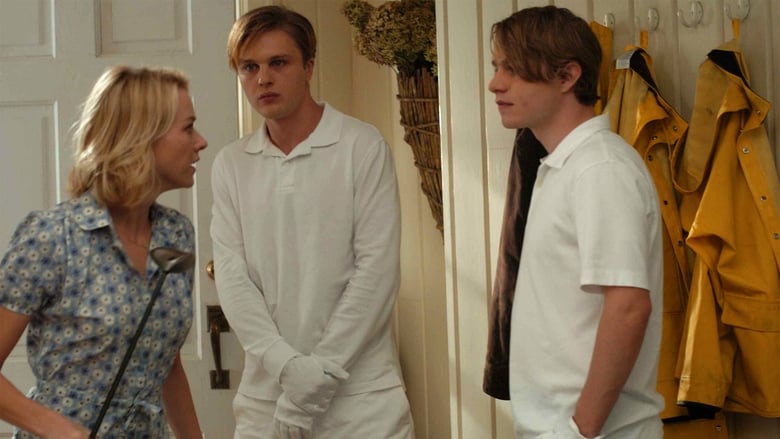
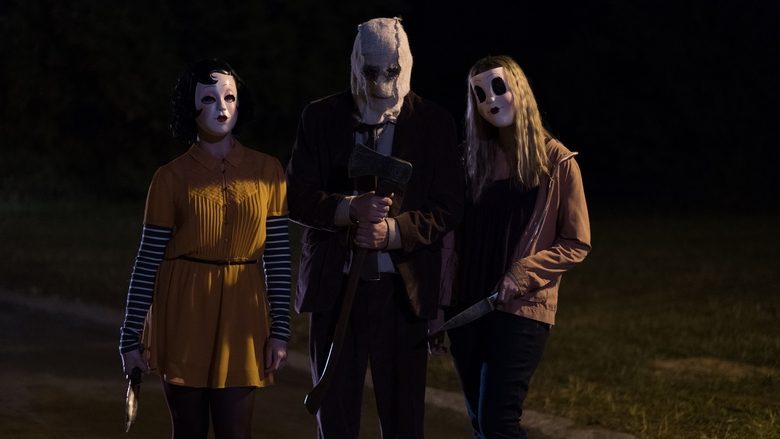
The Purge didn't invent the home invasion genre—The Strangers and Funny Games were already there—but it gave it a political spine that felt uniquely 2013. It captured that post-recession "haves vs. have-nots" anxiety perfectly. While it’s easy to poke holes in the logic (why wouldn't people just go to Canada for the weekend?), the film works because it taps into the primal fear that our neighbors are only nice to us because the law says they have to be.
It isn't a perfect movie. It’s often clunky, and it retreats into standard "jump scare" territory just when it starts to get intellectually interesting. But as the start of a franchise that eventually redefined the "B-movie with a brain," it deserves its flowers. It’s a lean, mean 85 minutes that gets in, scares you, and gets out before the sun rises.
While it doesn't quite fulfill the massive promise of its premise—leaving that to the more expansive sequels—The Purge remains a solid, sweaty-palm thriller. It’s the kind of movie that makes you double-check the locks on your front door, even if it’s just a regular Tuesday night. It’s recent enough to look great on a modern TV, but old enough to remind us of a time when a $3 million movie could still take over the world.
Keep Exploring...
-
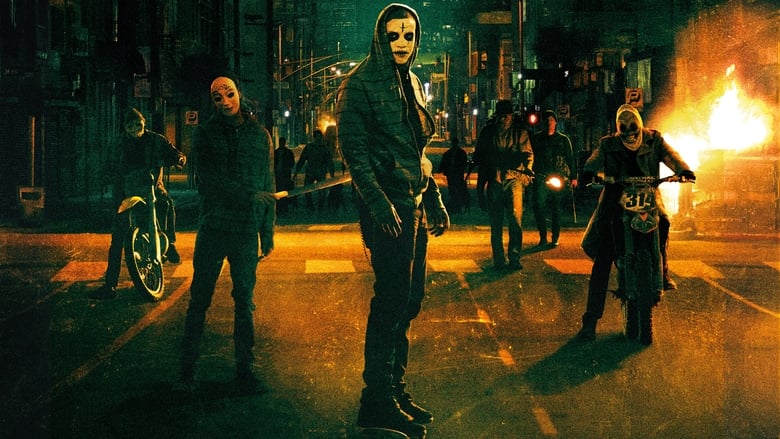
The Purge: Anarchy
2014
-
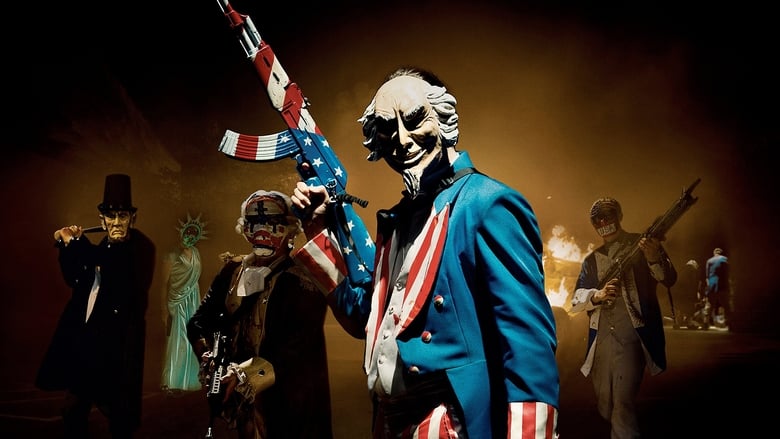
The Purge: Election Year
2016
-
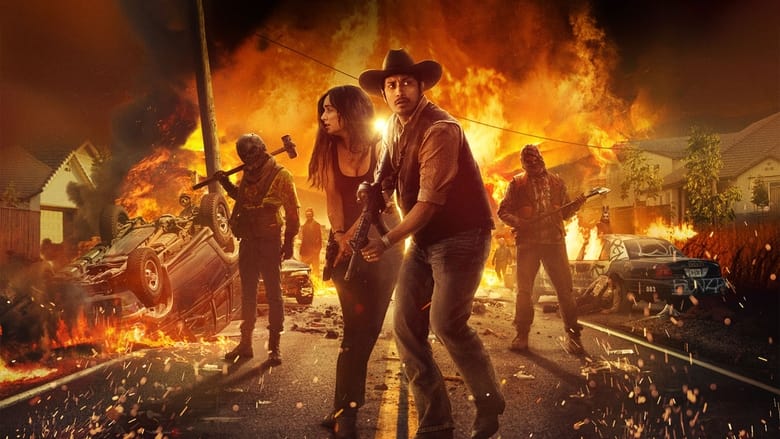
The Forever Purge
2021
-

The First Purge
2018
-
Pandorum
2009
-

World War Z
2013
-

28 Weeks Later
2007
-

The Mist
2007
-
Dark Skies
2013
-

Sinister
2012
-
Quarantine
2008
-
Carriers
2009
-
As Above, So Below
2014
-

Time Lapse
2014
-
Babylon A.D.
2008
-
Death Race
2008
-

Eden Lake
2008
-
Funny Games
2008
-

The Day the Earth Stood Still
2008
-
The Strangers
2008