The Secret Life of Walter Mitty
"The world is waiting, even if your boss isn't."
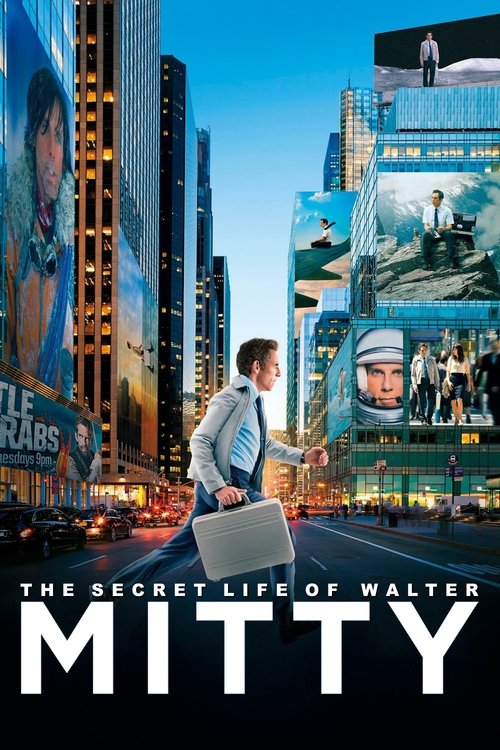
There is a specific, quiet hum that existed in 2013—the sound of an analog world finally, irreversibly, clicking into a digital one. It’s the sound of a negative cutter’s light-box flickering off for the last time. Ben Stiller’s The Secret Life of Walter Mitty isn't just a movie about a guy who daydreams; it’s a high-definition eulogy for the tactile, the physical, and the adventurous spirit of the 20th century, wrapped in a 21st-century "Instagram-ready" aesthetic. I watched this again last night while eating a bowl of lukewarm cereal and wearing a pair of mismatched socks—one of which had a hole in the toe—and it made the scene where Walter loses a shoe in the middle of Greenland feel oddly, painfully personal.
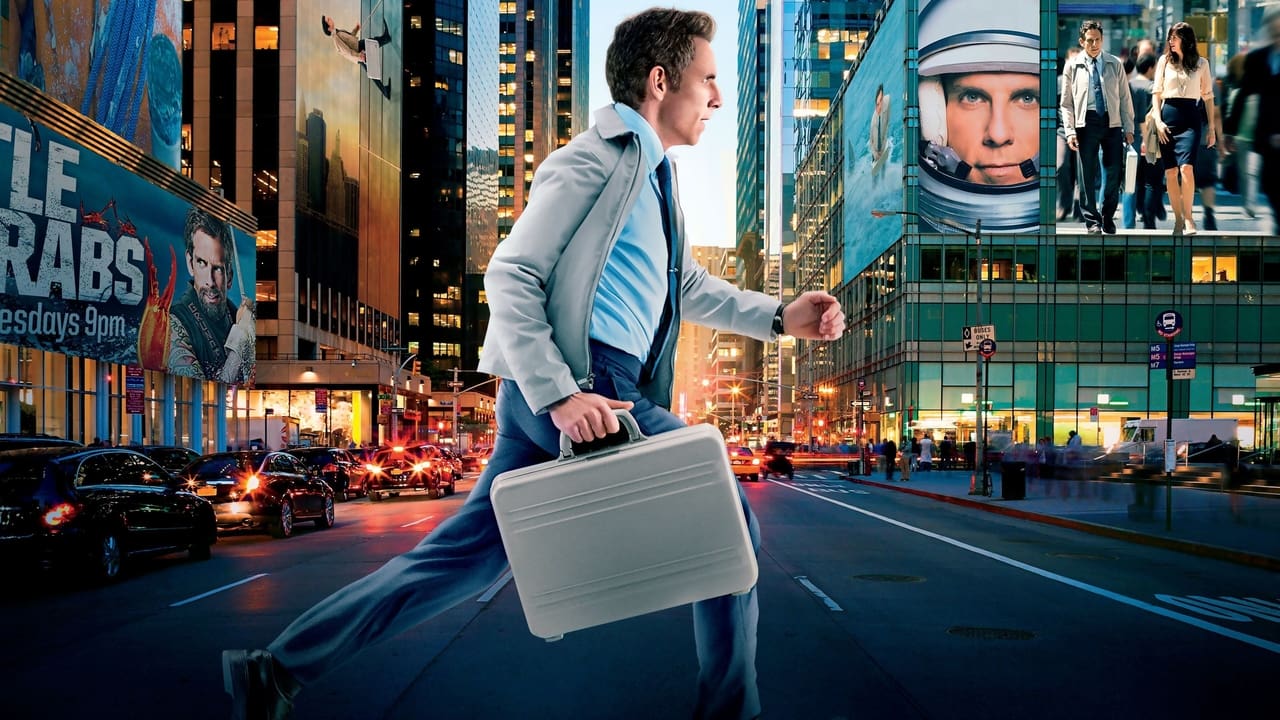
The Man Who Wasn’t There
We’ve all been Walter. He’s the guy at the office who spends ten minutes staring at a "send" button on an e-mail, paralyzed by the weight of his own potential. Ben Stiller gives us a performance that is remarkably restrained compared to his work in Zoolander or Tropic Thunder. He trades the "Blue Steel" pouts for a weary, soulful blink that tells you everything about a man who has spent sixteen years in a basement darkroom.
Walter’s foil is the corporate takeover personified by Adam Scott as Ted Hendricks. Ted Hendricks’ beard is the true antagonist of the film, a perfectly groomed, aggressively hip chin-shrub that screams "I am here to fire you and then go get a $9 cold brew." Adam Scott plays this role with such oily, condescending perfection that you practically cheer when Walter finally finds his spine. The drama here isn't just about finding a missing photo negative; it’s about the crushing weight of corporate transitions. We see Life magazine—a titan of the print era—being gutted by people who don’t understand that a photo is more than just pixels.
A Love Letter to the Long Shot
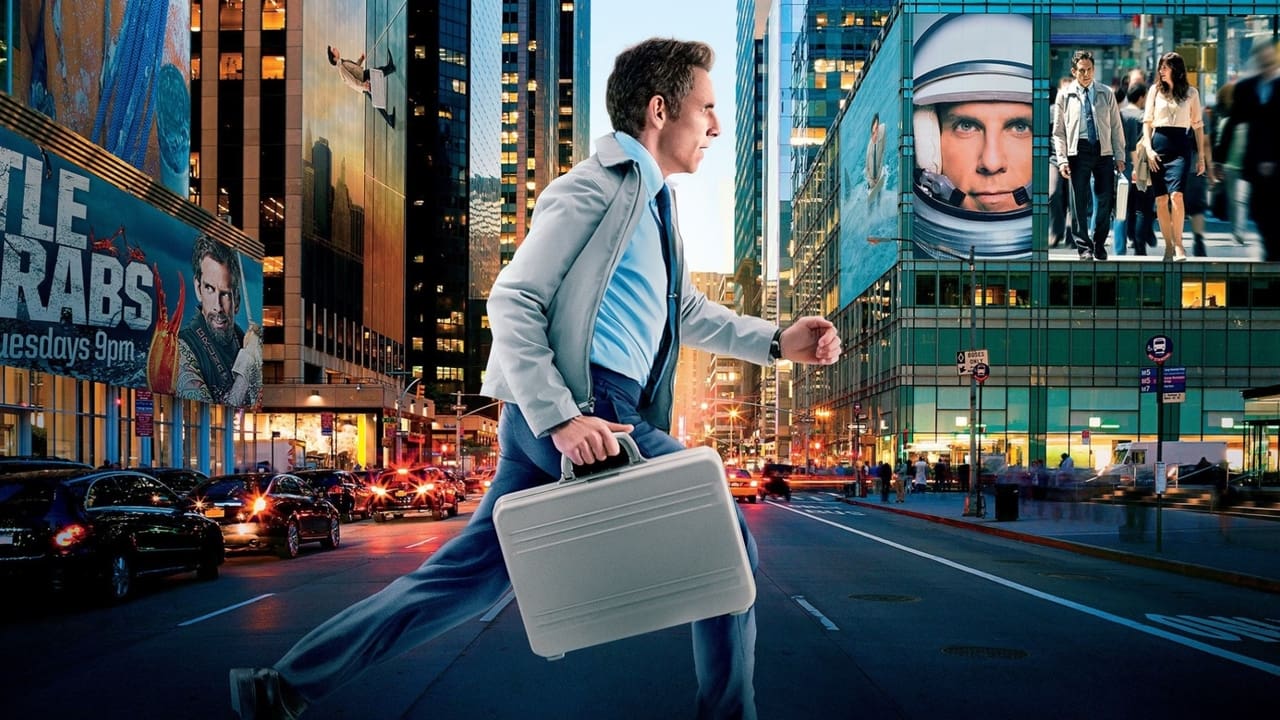
Visually, this film is a feast that Stuart Dryburgh (the cinematographer behind The Piano) cooked up with an obsessive eye for symmetry. In the first act, the world is grey, boxed-in, and sterile. But when Walter finally "leaps" into the unknown, the screen explodes. The transition from a cramped New York apartment to the vast, lonely roads of Iceland is one of those cinematic moments that reminds you why we still need the big screen.
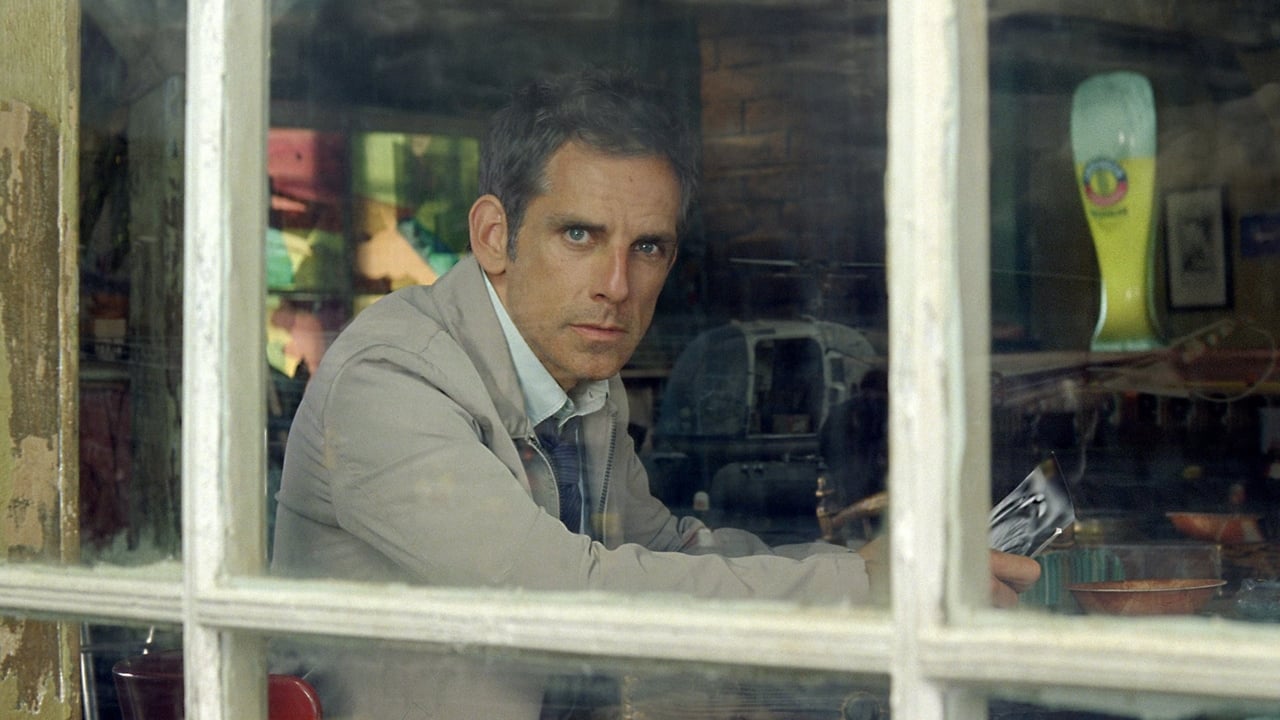
I’ve heard critics argue that the film feels like a two-hour travel brochure, but I think that misses the point. The "glossiness" is the point. It’s the visual representation of Walter’s inner life finally bleeding into his reality. When Walter is longboarding down a winding road at sixty miles per hour—a stunt Ben Stiller actually performed himself, by the way—the camera doesn't just show the action; it captures the sheer, terrifying breath of freedom. It’s a drama that uses the scale of an adventure film to explore the interiority of a lonely man.
The Secret History of Negative #25
This film spent nearly twenty years in "development hell," with everyone from Jim Carrey to Mike Myers attached to it at various points. I’m glad we got the Ben Stiller version. There’s a sincerity here that might have been lost in a more overtly "zany" comedy.
Here’s some of the stuff you might have missed while distracted by the scenery:
The "Life" motto featured so prominently—"To see the world, things dangerous to come to..."—was actually written specifically for the movie. It wasn't the real motto of the magazine, but it was so convincing that people started quoting it as historical fact. The character of Sean O'Connell, played by a rugged, weathered Sean Penn, is essentially the ghost of the analog era. When he refuses to take the photo of the snow leopard, it’s a direct middle finger to our modern "pics or it didn't happen" culture. The skateboarding scene wasn't just movie magic. Ben Stiller grew up skating in New York and insisted on doing as much of the downhill run as the insurance company would allow. The movie was one of the last major productions to be shot primarily on film stock, fitting given that the plot revolves around a dying film laboratory. * The "Space Oddity" duet between Ben Stiller and a holographic Kristen Wiig was actually approved by David Bowie himself, who liked the script's earnestness.
The film earns its emotional beats, even if it occasionally wanders into the territory of a high-budget motivational poster. The chemistry between Stiller and Kristen Wiig is grounded and sweet; she isn't a "prize" to be won, but a person who simply notices the version of Walter he’s too afraid to show. Shirley MacLaine as Edna Mitty brings a warmth that anchors the whole third act, reminding us that every adventurer has a home they’re trying to live up to.
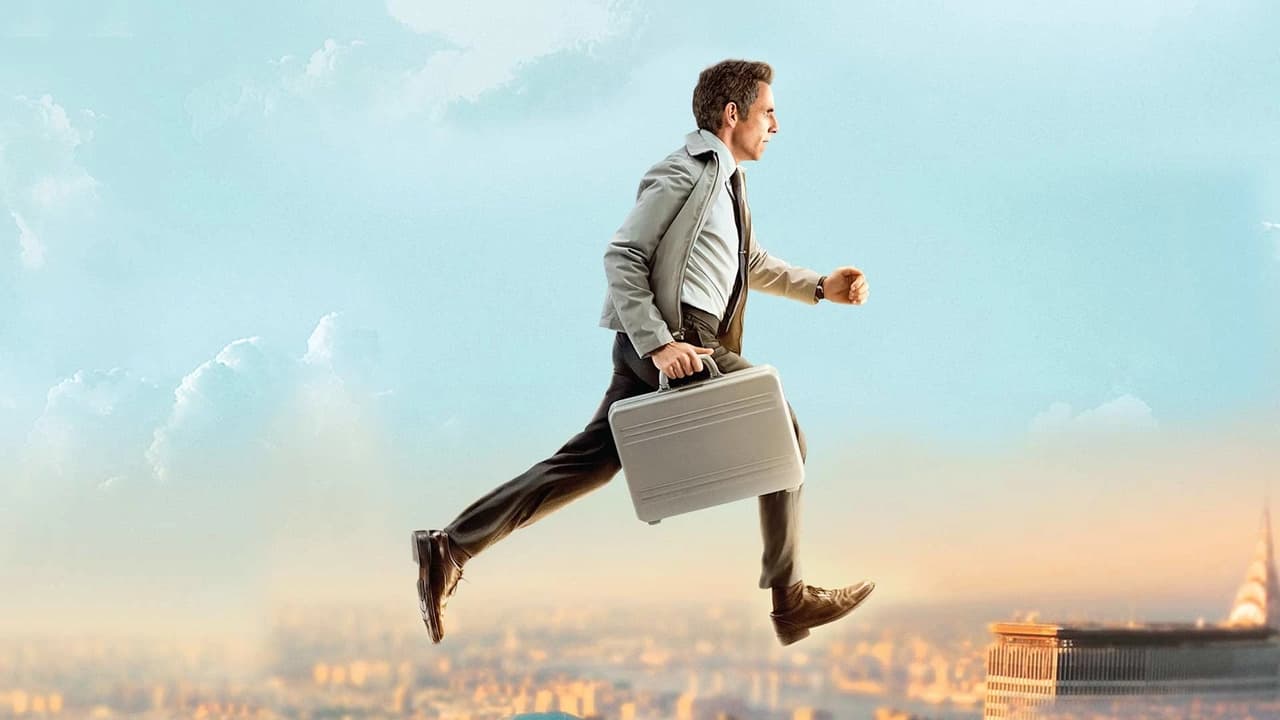
If you’re feeling a little stuck in your own "negative space," give this one another look. It’s a reminder that the transition from dreaming to living usually starts with one really awkward, terrifying jump into a helicopter piloted by a drunk guy in Greenland. It’s messy, it’s beautiful, and it’s way better than staying in the darkroom.
Keep Exploring...
-
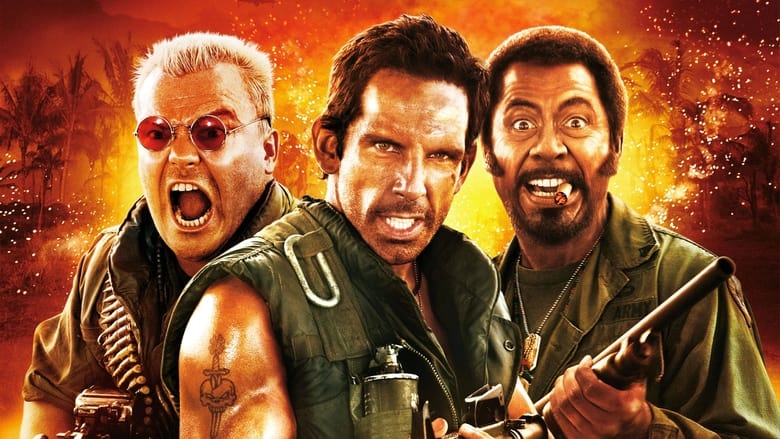
Tropic Thunder
2008
-
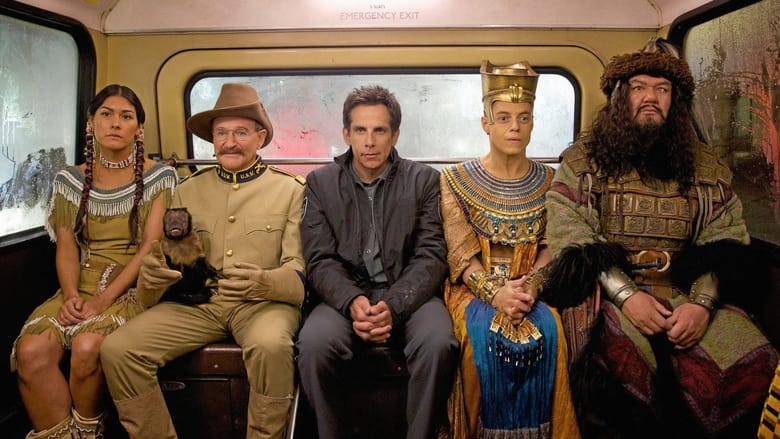
Night at the Museum: Secret of the Tomb
2014
-

Wizards of Waverly Place: The Movie
2009
-
Night at the Museum: Battle of the Smithsonian
2009
-
Brave
2012
-
The Book of Life
2014
-

Night at the Museum
2006
-
How to Train Your Dragon 2
2014
-
Last Action Hero
1993
-
Hercules
1997
-

The Emperor's New Groove
2000
-
The Road to El Dorado
2000
-

Sinbad: Legend of the Seven Seas
2003
-
The Life Aquatic with Steve Zissou
2004
-
Just Like Heaven
2005
-
Fear and Loathing in Las Vegas
1998
-
Dogma
1999
-

Asterix & Obelix: Mission Cleopatra
2002
-
Stranger Than Fiction
2006
-

The Darjeeling Limited
2007