The Wind Rises
"Build beauty, even if the world burns."
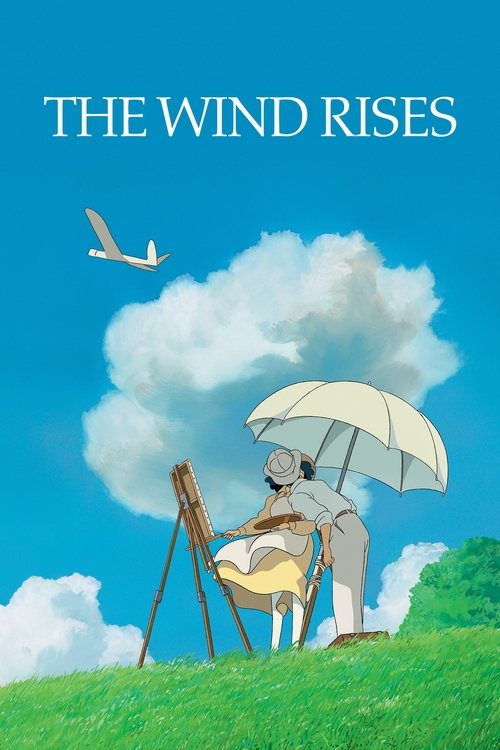
In 2013, the animation world felt like it was holding its collective breath. We were told this was the final bow from Hayao Miyazaki, the man who turned Studio Ghibli into a global shorthand for childhood wonder. But instead of a whimsical romp with forest spirits or moving castles, he gave us a somber, hand-painted reflection on the 20th century’s most beautiful—and most lethal—ambitions. The Wind Rises isn’t a comfortable movie, and it certainly wasn't the "safe" retirement project anyone expected. I watched this for the third time recently while drinking a cup of green tea that had gone depressingly lukewarm, and I realized that the film’s quiet, persistent heaviness actually grows more potent the older I get.
The Engineering of a Cursed Dream
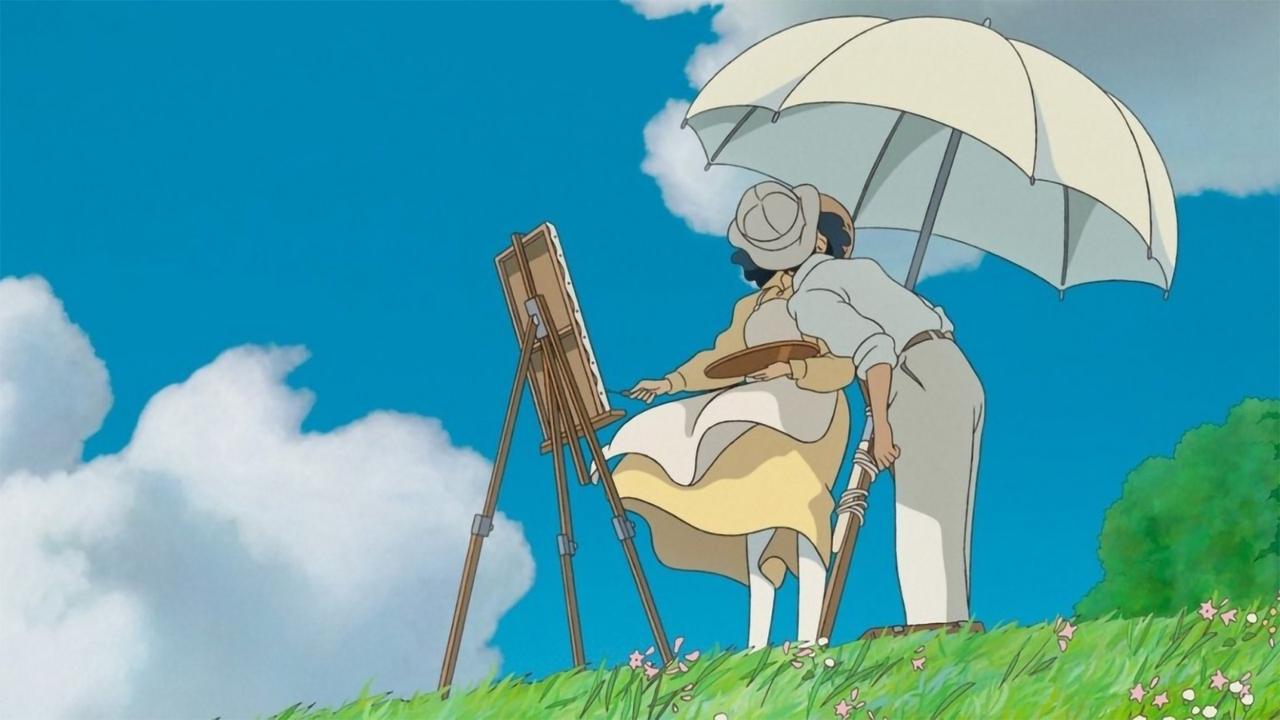
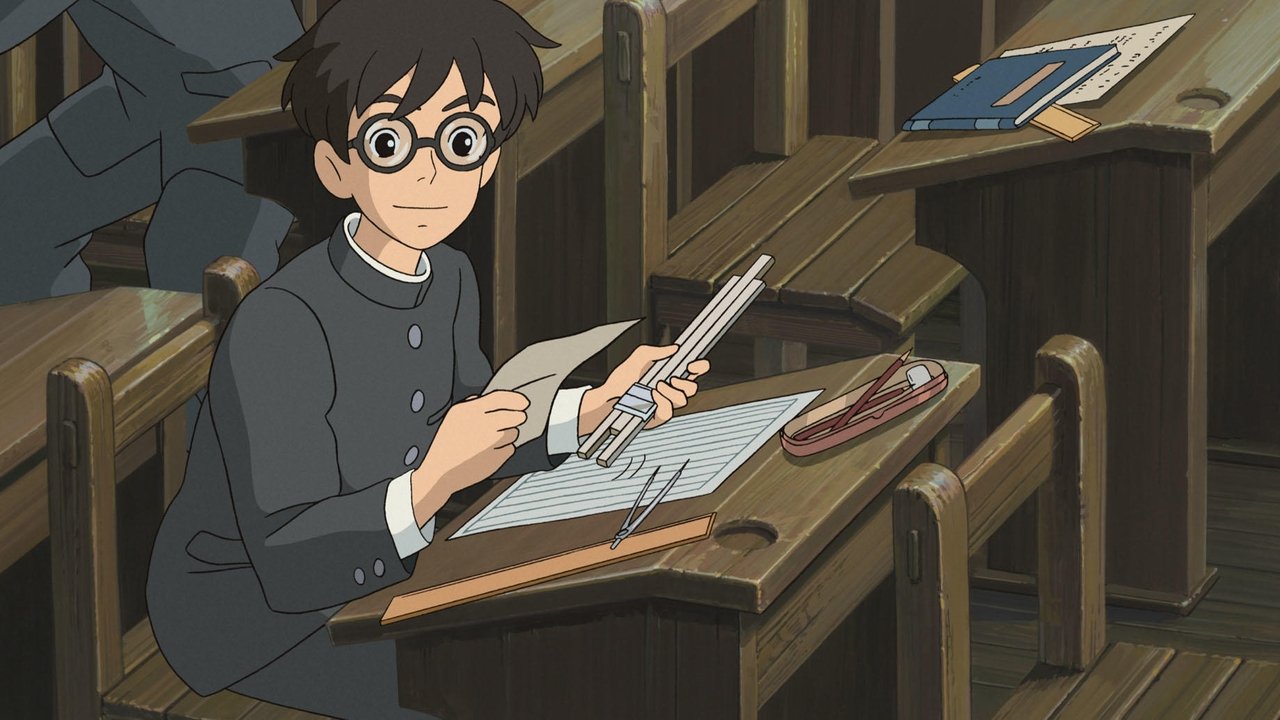
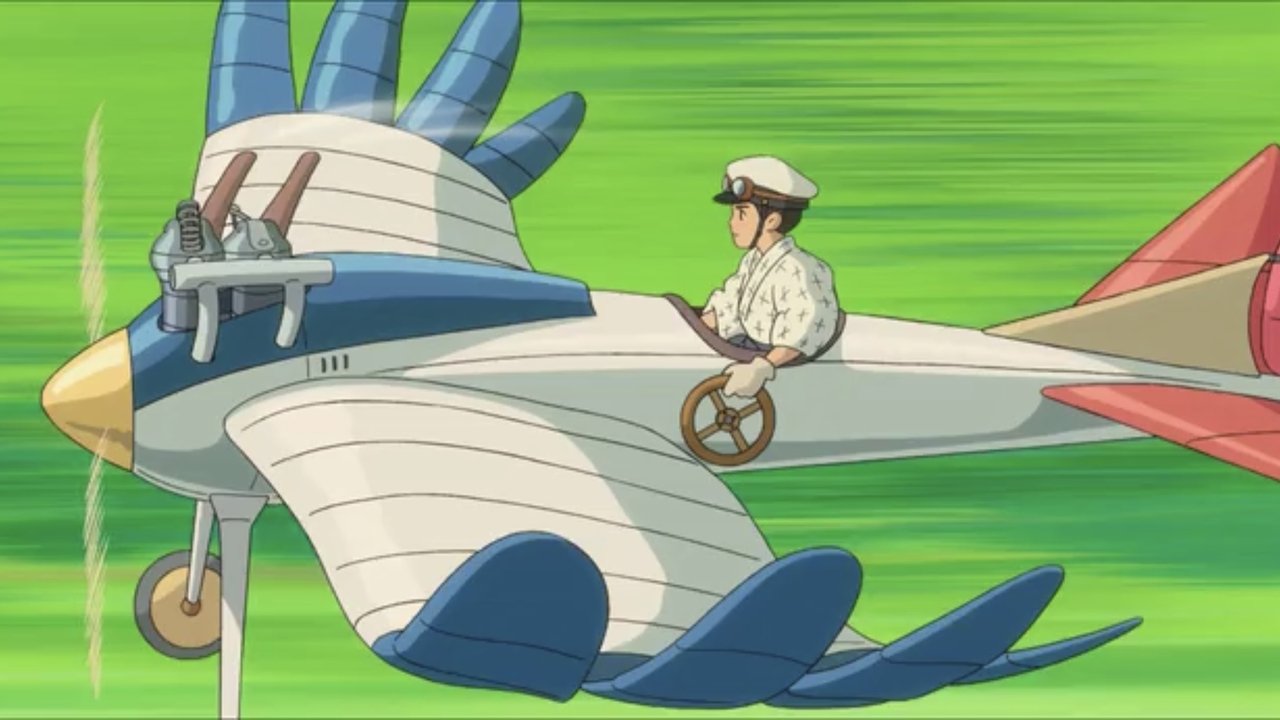
The story follows Jiro Horikoshi, a fictionalized version of the real-life engineer who designed the Mitsubishi A6M Zero—the plane that would eventually define Japan’s aerial campaign in World War II. For a director like Miyazaki, who has spent a career balancing a deep love for aviation with a fierce pacifism, this is clearly his most personal conflict put to screen. Jiro isn't a warmonger; he’s a man obsessed with the curve of a wing and the sleekness of a fuselage.
The film captures that era-specific transition from the "analog" world of slide rules and wooden struts to the terrifying speed of modern metal. In an age where we now see the MCU and big-budget franchises lean into digital artifice, there is something startlingly tactile about The Wind Rises. You can almost feel the texture of the drafting paper and the vibration of the wind. The decision to have the plane engines and the sound of the Great Kanto Earthquake voiced by humans is the kind of 'mad genius' move that modern CGI blockbusters are too cowardly to attempt. It gives the technology a soul—and a groan—that feels hauntingly organic.
Beauty in the Shadow of Collapse
While Jiro chases his "beautiful dream," the world around him is falling apart. The 1923 earthquake sequence is one of the most terrifying things Ghibli has ever produced, not because of monsters, but because of the sheer, undulating scale of the disaster. As Jiro rises through the ranks of the aviation industry, we see the creeping shadows of poverty, tuberculosis, and the inevitable slide toward a war that will turn his masterpieces into coffins.
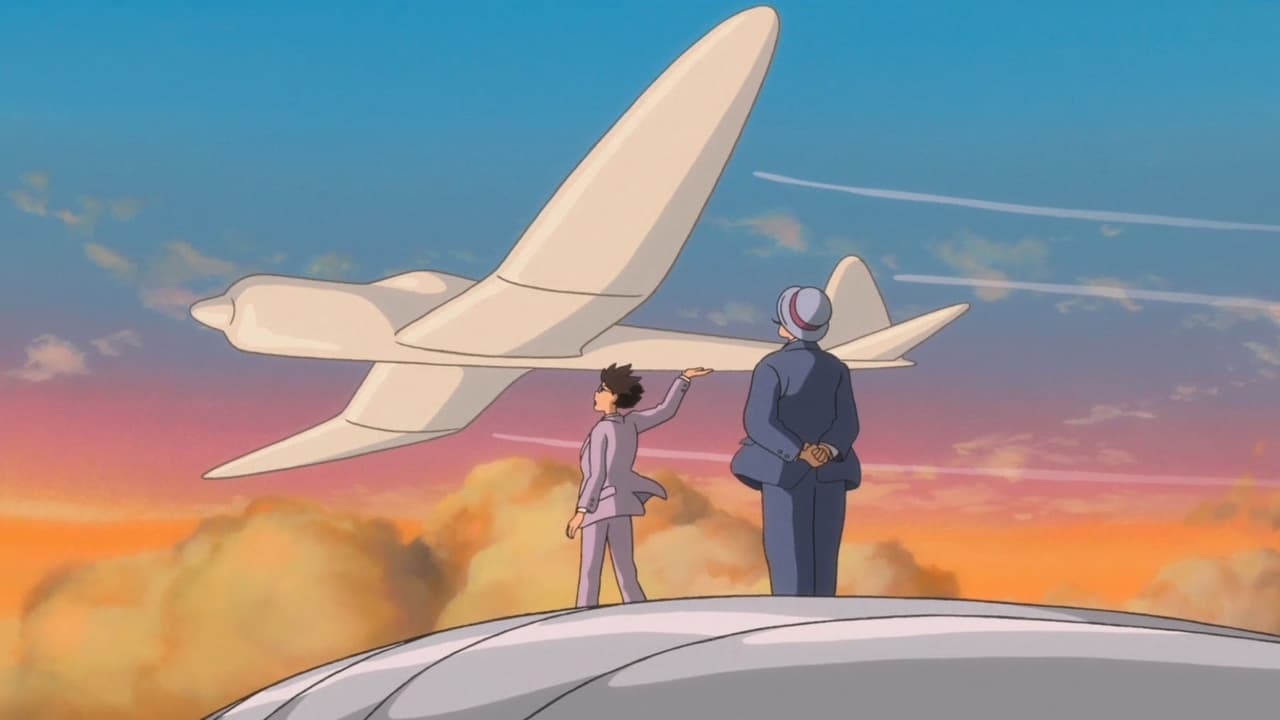
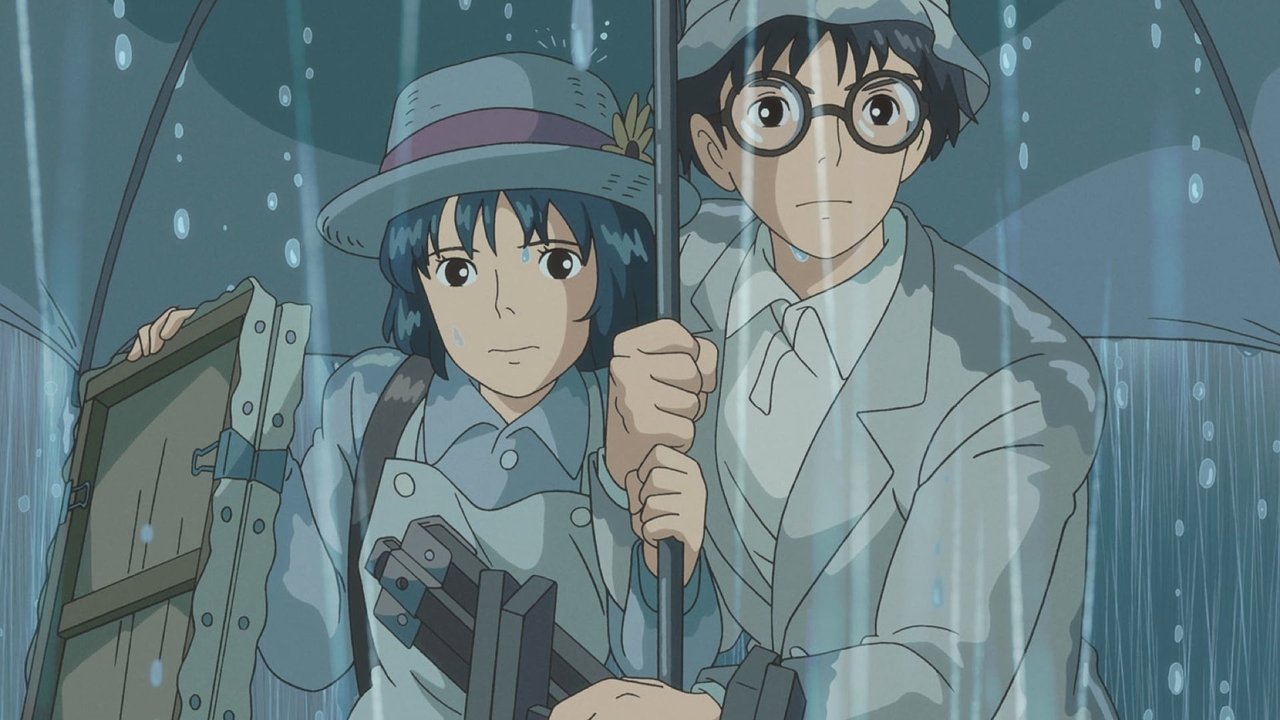
The voice cast brings a grounded, almost weary reality to the proceedings. Hideaki Anno—the creator of Neon Genesis Evangelion—voices Jiro with a flat, understated tone that some critics found jarring, but I find it perfect. He sounds like a man who is constantly looking at a horizon no one else can see. His chemistry with Miori Takimoto, who plays his ill-fated wife Naoko, provides the film's emotional marrow. Their romance is tragic and fleeting, a small candle burning in a very dark room. The romance in this film is actually more heartbreaking than most modern YA dramas precisely because it refuses to be manipulative; it just acknowledges that time is a thief.
A Blockbuster of a Different Scale
It is easy to forget now, but The Wind Rises was a massive commercial phenomenon, particularly in Japan where it topped the box office for 2013. This wasn't just another cartoon; it was a national event. With a budget of $30 million—a significant sum for hand-drawn animation—it went on to gross over $117 million worldwide. It also sparked significant controversy, catching flak from both Japanese nationalists who hated its anti-war undertones and international critics who felt it glossed over the horrors committed with the planes Jiro designed.
But that’s exactly why the film works for me. It refuses to offer a clean moral out. Jiro’s mentor, the Italian designer Caproni (voiced with theatrical flair by Mansai Nomura), tells him that "the wind is rising" and he must try to live. It’s an acknowledgment that we all work within systems we cannot control, creating things that might be used for evil, yet we still have an obligation to seek out excellence and beauty.
Stuff You Didn't Notice
If you listen closely to the soundscape, you’ll realize how much Joe Hisaishi deviates from his usual sweeping orchestral style. The score is dominated by accordions and mandolins, giving it a European, almost "lost" feeling that echoes Jiro’s travels to Germany and his dreams of Italian design.
The production was famously grueling, with Miyazaki's perfectionism pushed to the limit. The earthquake scene took two years to complete because of the intricate layering required to make the ground look like it was breathing. It was also a family affair in a way; Toshio Suzuki, the powerhouse producer, helped navigate the film through a changing industry where 2D was being rapidly replaced by 3D. Looking back, this film feels like a lighthouse at the end of an era, a final, defiant statement that hand-drawn lines can carry more weight than a million polygons.
The Wind Rises is a staggering piece of work that demands your full attention. It’s not a "fun" movie in the traditional sense, but it is a deeply rewarding one that stays with you long after the credits roll. It captures a specific moment in cinema history where one of our greatest living artists decided to tell a story about the cost of creation itself. If you’ve ever loved something enough to ignore the world around you, this film will cut you to the bone.
Keep Exploring...
-
Joyeux Noel
2005
-
Ponyo
2008
-
Red Cliff
2008
-
Princess Mononoke
1997
-
Enemy at the Gates
2001
-

Legends of the Fall
1994
-
The English Patient
1996
-

Spirited Away
2001
-

Howl's Moving Castle
2004
-
The Boy in the Striped Pyjamas
2008
-
The Round Up
2010
-

The Imitation Game
2014
-

Waltz with Bashir
2008
-

The Impossible
2012
-

Lone Survivor
2013
-
The Last of the Mohicans
1992
-
Batman: Mask of the Phantasm
1993
-
Schindler's List
1993
-

A Very Long Engagement
2004
-
Downfall
2004