The Wolf of Wall Street
"A three-hour adrenaline shot of pure greed, debauchery, and absolute moral bankruptcy."
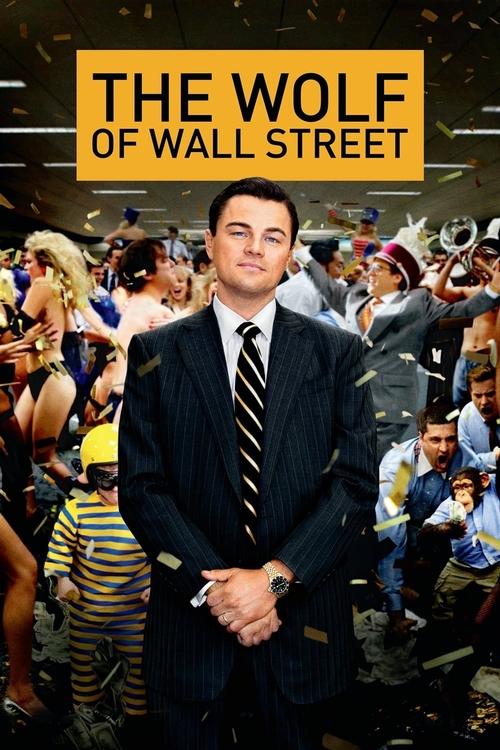
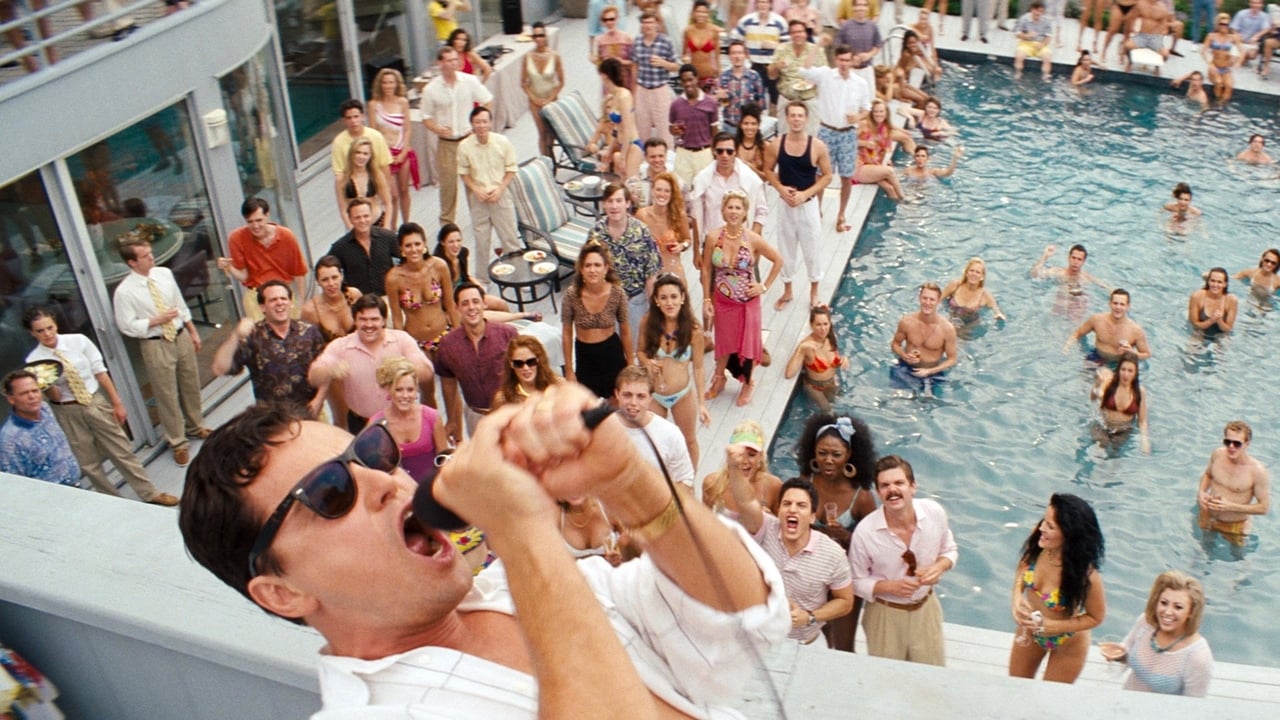
The first time I sat down to watch The Wolf of Wall Street, I was huddled in a drafty dorm room, balancing a plate of lukewarm, half-congealed pepperoni pizza on my knees. I expected a dry, cautionary tale about the 1987 stock market crash—the kind of "important" cinema that wins Oscars but leaves you checking your watch. Instead, Martin Scorsese grabbed me by the throat and spent three hours screaming about yachts, Quaaludes, and the terrifying allure of the American Dream gone feral.
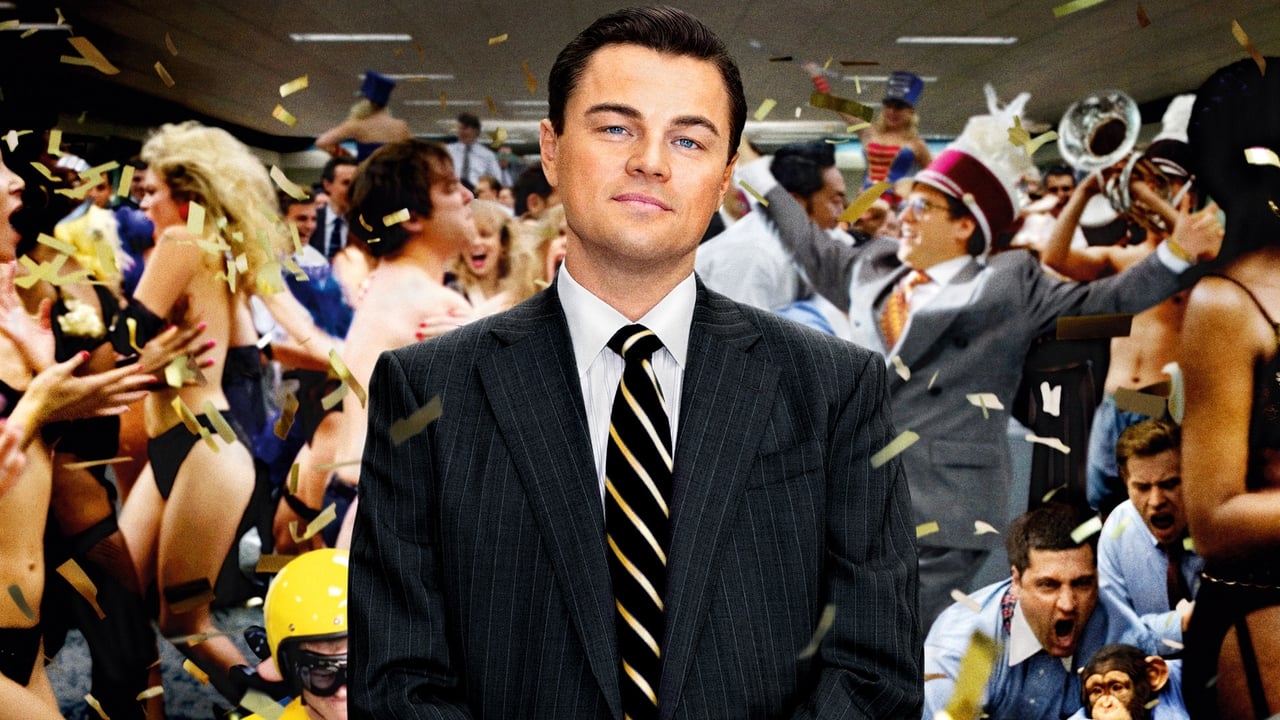
By the time the credits rolled, I felt like I’d been through a car wash without the car.
Looking back at 2013, it’s hard to overstate how much of a middle finger this movie was to the "prestige drama" formula. While other directors were busy crafting quiet, somber meditations on history, Scorsese—then 71 years old—decided to out-party every frat boy in Hollywood. It’s a film that captured the transition of the early 2010s perfectly: it’s shot with digital crispness but feels like an analog fever dream, a bridge between the old-school grit of Goodfellas and the hyper-kinetic, meme-able energy of the social media age.
Leonardo DiCaprio delivers what I genuinely believe is his best work here, mostly because he finally stopped trying to look "serious" and leaned into being a total, sweaty, high-speed disaster. His Jordan Belfort isn't a hero; he’s a predatory salesman who could sell a glass of salt water to a drowning man. The physical comedy he brings to the infamous "Lemmon 714" Quaalude sequence is legendary. Watching him try to crawl to his Lamborghini with the grace of a paralyzed seal is the closest thing we’ve had to a Buster Keaton routine in the 21st century.
The Art of the Hustle
The film’s brilliance lies in its refusal to apologize. It doesn't give you a moralizing narrator telling you that stealing from poor people is bad; it assumes you already know that. Instead, it invites you into the party. You’re right there in the bullpen when Matthew McConaughey—in a brief, ten-minute masterclass as Mark Hanna—starts thumping his chest and humming like a caffeinated monk.
Apparently, that chest-thumping wasn't even in the script. It was just McConaughey’s actual pre-scene warm-up, and Leonardo DiCaprio caught it on camera, looked at Scorsese, and the rest is cinema history. It’s that kind of spontaneity that keeps a three-hour movie from feeling like a marathon.
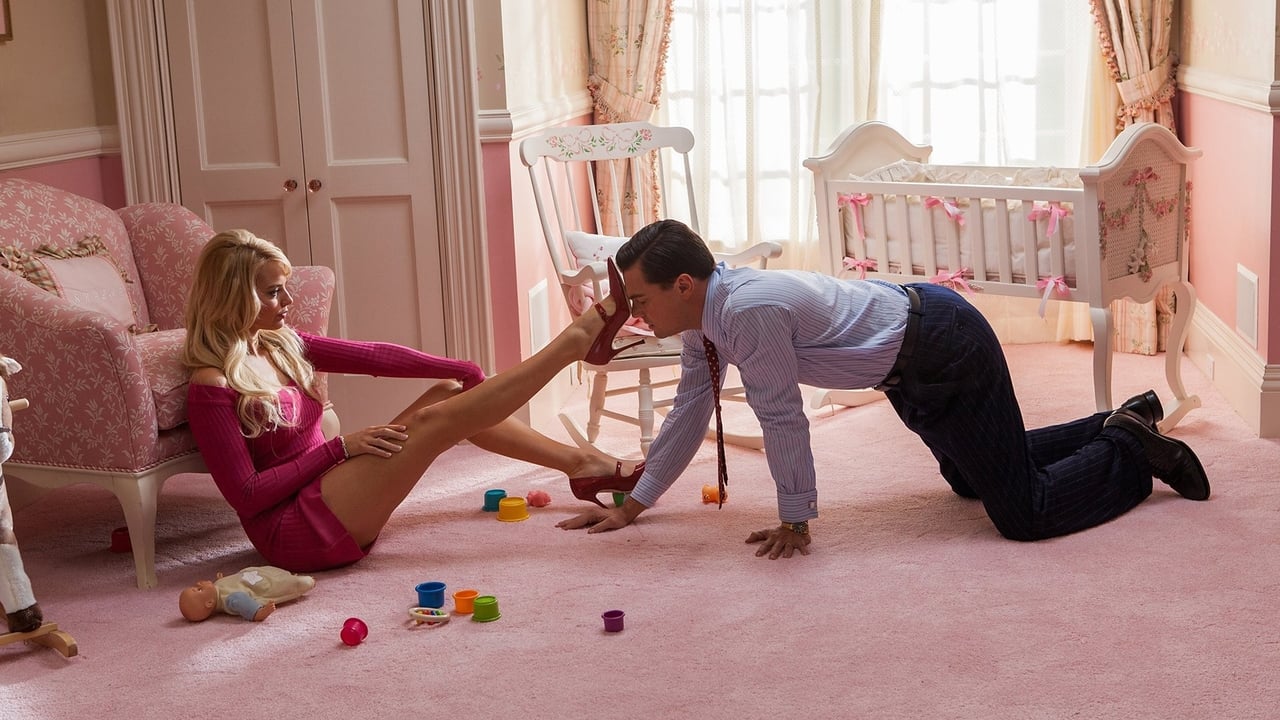
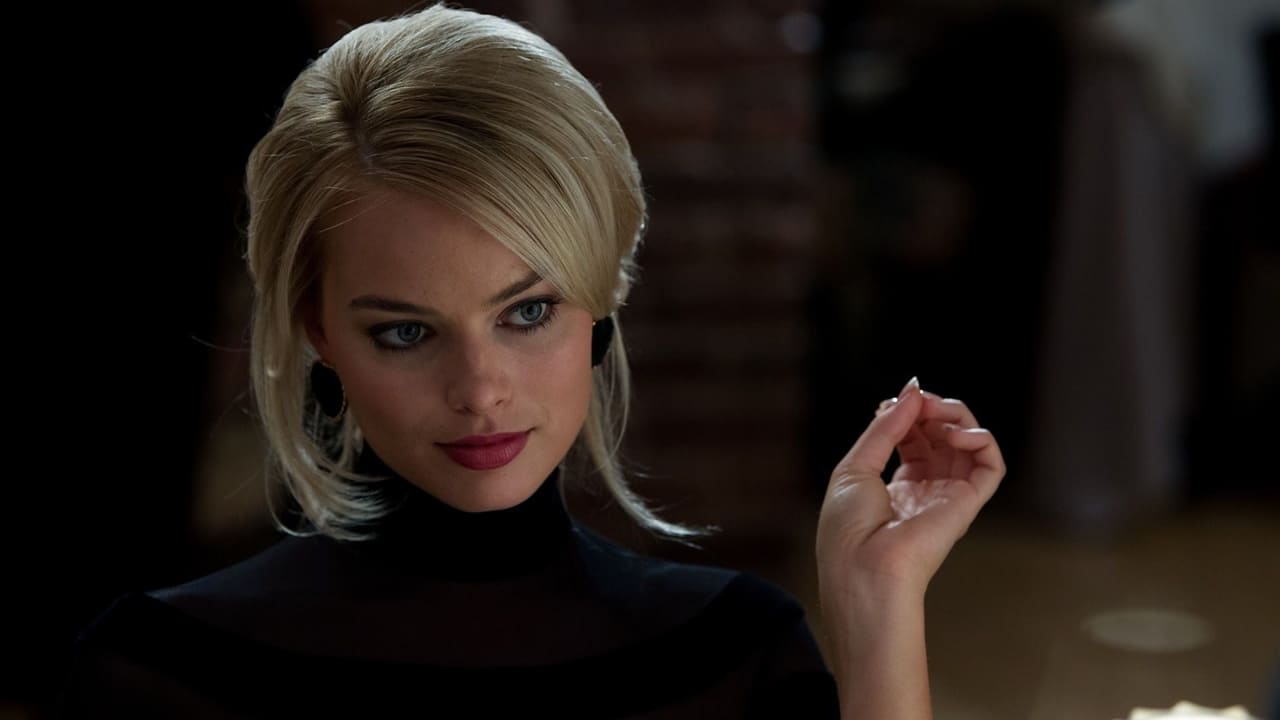
Jonah Hill, sporting a set of prosthetic teeth that look like they were stolen from a haunted dental museum, provides the perfect chaotic foil as Donnie Azoff. The chemistry between him and DiCaprio is electric, mostly because they both seem to be competing to see who can be more repulsive while remaining weirdly charming. And then there’s Margot Robbie. In her breakout role as Naomi, she manages to hold her own against DiCaprio’s hurricane-level energy, proving she was a heavyweight talent from the jump.
Behind the Excess
From an awards perspective, the film was a juggernaut that somehow went home empty-handed on Oscar night. It picked up five nominations, including Best Picture and Best Director, but it was perhaps a bit too "loud" for the Academy that year. It’s a classic case of a film being a victim of its own success; it portrayed the lifestyle of these Wall Street ghouls so effectively that some critics accused Scorsese of glorifying them.
But I’ve always felt that’s a lazy take. If you watch Jordan Belfort lose his family, his dignity, and eventually his freedom, and your takeaway is "I want that," the problem isn't the movie—it's you. Scorsese uses the camera to show the seduction, but the editing by the legendary Thelma Schoonmaker shows the rot. The way the film cuts between the high-gloss fantasy and the messy, pathetic reality is a masterclass in visual storytelling.
Stuff You Might Have Missed:
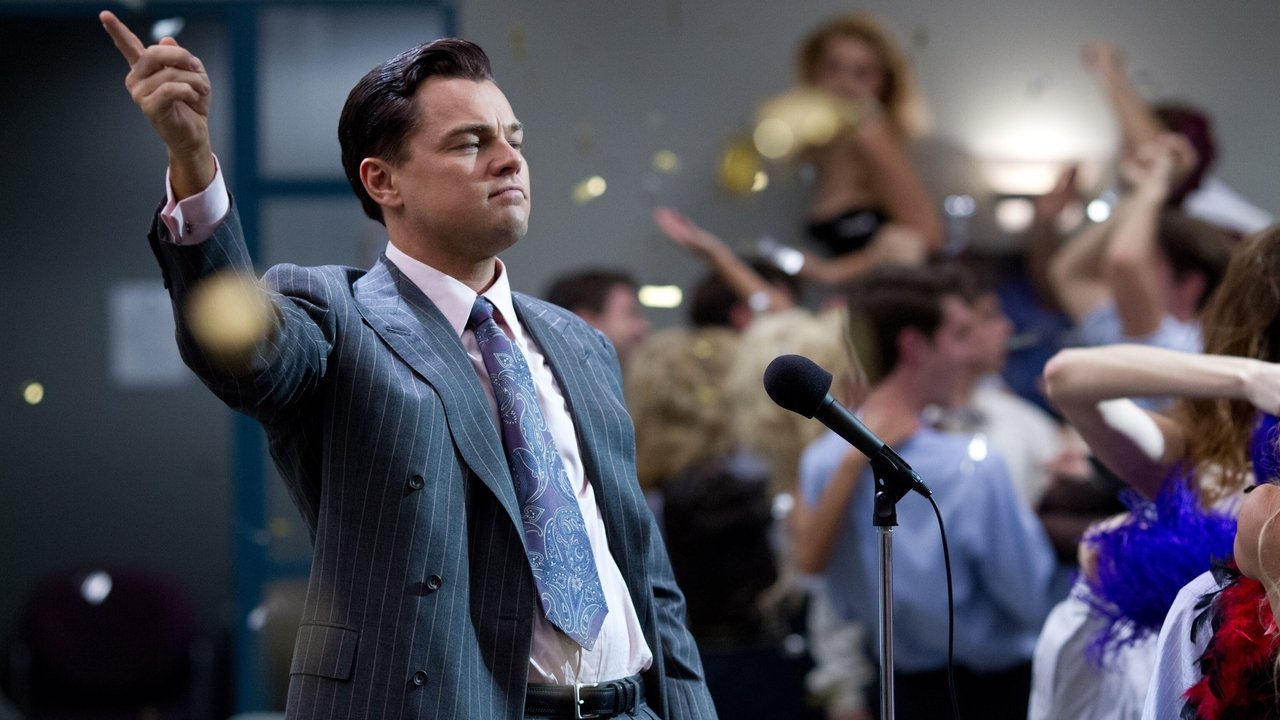
The film holds a world record for the use of the F-word (over 500 times), which is basically a linguistics degree in profanity. The real Jordan Belfort actually appears in a cameo at the very end, introducing the "cinematic" Jordan Belfort at a seminar. * Margot Robbie admitted she took three shots of tequila before her first "nude" scene with DiCaprio to calm her nerves.
Why It Still Bites
Technologically, The Wolf of Wall Street arrived just as the industry was debating the death of film. Scorsese and cinematographer Rodrigo Prieto used a mix of 35mm film and digital (the Arri Alexa), and the result is a movie that looks expensive, vibrant, and slightly artificial—perfect for a story about people living in a bubble of their own making.
What stays with me, even years later, isn't just the humor or the "Steal From the Poor" montages. It’s the way the film reflects our own complicity. That final shot—where the camera turns away from Jordan and looks directly at the audience of desperate people waiting for him to teach them how to be rich—is one of the most indicting moments in modern movies. We’re the ones paying for the ticket; we’re the ones who make people like Jordan Belfort possible.
Every time I see a clip of this film on social media, I'm reminded of why I love the theater. It’s big, it’s bloated, and it’s absolutely exhausting in the best way possible. Scorsese took a true story of financial crime and turned it into a riotous, dark-hearted comedy that feels more relevant today than it did a decade ago. It’s a reminder that even when the world is burning, there's usually someone nearby trying to sell you a fire extinguisher at a 400% markup.
Keep Exploring...
-
The Departed
2006
-
Shutter Island
2010
-
Gangs of New York
2002
-
Casino
1995
-
GoodFellas
1990
-
The Mafia Kills Only in Summer
2013
-
The Aviator
2004
-
Cape Fear
1991
-
The Intouchables
2011
-
Wild Tales
2014
-
Catch Me If You Can
2002
-
The Secret Life of Walter Mitty
2013
-
Killers of the Flower Moon
2023
-

Fanboys
2009
-
The Informant!
2009
-
Robot & Frank
2012
-
Veronica Mars
2014
-
The Dark Knight
2008
-
Hugo
2011
-
The King of Comedy
1982