The Wolverine
"Immortal, exhausted, and itching for a fight."
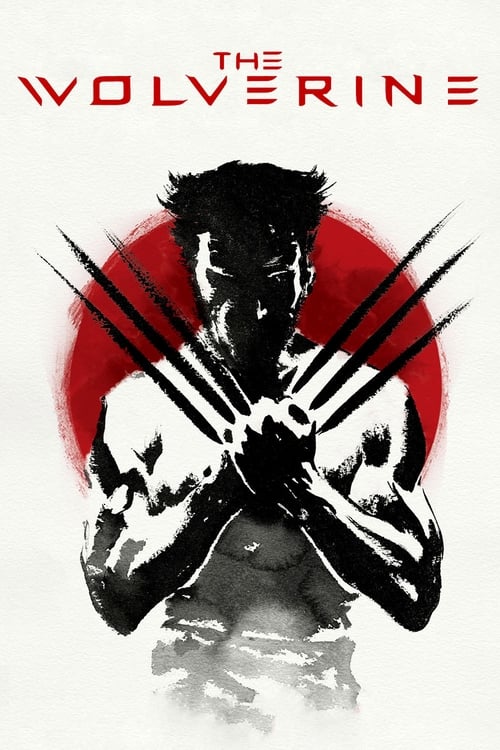
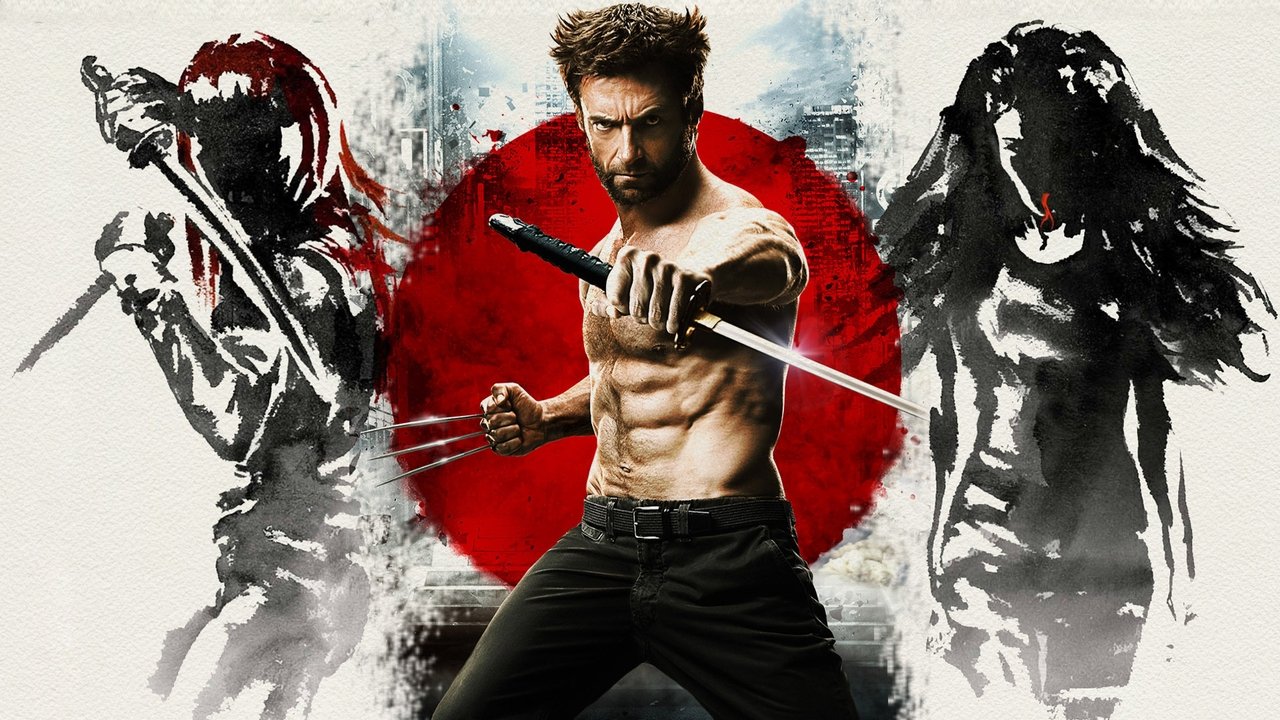
I remember the exact moment I realized Hugh Jackman’s Wolverine was finally in good hands again. It wasn’t during a flashy CGI brawl; it was the opening scene in Nagasaki, 1945. Logan is huddled in a hole, shielding a young soldier from an atomic blast. It was bleak, desperate, and felt miles away from the cartoonish disaster of X-Men Origins: Wolverine. Looking back, The Wolverine (2013) occupies a strange, fascinating space in the "Modern Cinema" era—it was a blockbuster trying to be a character study, a superhero flick masquerading as a Japanese noir, and a bridge between the campy X-Men of the early 2000s and the R-rated masterpiece that would eventually be Logan.
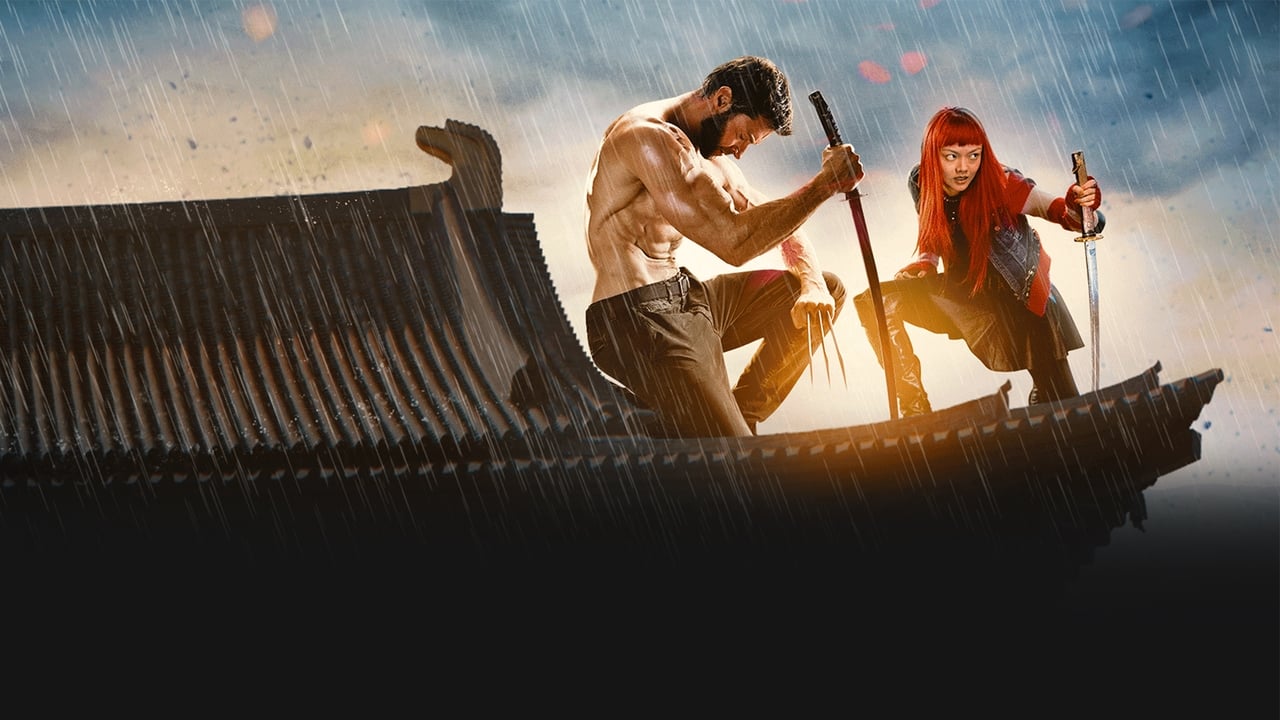
I actually watched this film for the first time in a theater where the air conditioning was broken, and the humid, stifling heat of the room somehow made the rainy Tokyo streets on screen feel 4D. Every time Logan wiped sweat from his brow, I was doing the same with a lukewarm Diet Coke.
A Ronin Without a Master
Following the events of X-Men: The Last Stand—a movie I try to forget, though Famke Janssen’s haunting cameos as Jean Grey here make it hard—Logan is a mess. He’s living in the woods, chatting with imaginary dead girlfriends, and generally being the world’s sturdiest hobo. That changes when a pink-haired assassin named Yukio, played with infectious energy by Rila Fukushima, drags him to Tokyo.
The heart of the movie is Logan’s struggle with his own immortality. He’s offered a "cure" by an old man he saved decades ago, and for the first time, our invincible hero starts to bleed. James Mangold (who also gave us Walk the Line and 3:20 to Yuma) treats Japan not just as a backdrop, but as a catalyst for Logan’s transformation. The culture of honor and the figure of the Ronin—a samurai without a master—fits Wolverine like a glove. Jackman’s veins have more screen time than some of the supporting cast, and his physical commitment here is terrifying. Apparently, he went on a 36-hour water fast before his shirtless scenes to achieve that "shredded" look, which sounds like a medical emergency but looks like a comic book come to life.
Bullet Trains and Sharp Blades
Where The Wolverine really earns its keep is in the action choreography. In 2013, we were still in the thick of the "CGI everything" phase of blockbusters, but Mangold tries to keep things tactile. The funeral sequence, where the Yakuza attack in broad daylight, is a masterclass in escalating tension. But the real star is the bullet train fight. Is it physics-defying? Absolutely. But watching Logan use his claws to anchor himself to the roof of a train moving at 300 mph while dodging low-hanging signs is pure popcorn joy.
It’s interesting to note that this film was part of that post-9/11 shift in action cinema where even our invulnerable gods had to show vulnerability. Logan isn’t just fighting ninjas; he’s fighting his own mortality and a deep sense of survivor's guilt. The stunt work, coordinated by the legendary Gary Powell (who worked on Casino Royale), feels heavy. When Logan gets hit, you feel the thud. The film’s cinematographer, Ross Emery, captures the neon-soaked night of Shinjuku and the quiet, wooden beauty of the Japanese countryside with equal reverence.
The Blockbuster Burden
If there’s a "but" coming, it’s about the third act. For about 90 minutes, The Wolverine is a thoughtful, tense thriller. Then, the studio-mandated "Big CGI Finale" kicks in. We get a giant silver robot suit that feels like it wandered in from a different movie entirely. The giant CGI robot in the third act is the cinematic equivalent of a loud fart at a funeral. It’s a reminder of the era’s obsession with "escalation" over logic.

Despite the robot-shaped stumble, the film was a massive commercial win. Produced on a $120 million budget, it clawed its way to over $415 million worldwide. It proved that audiences were hungry for a more focused, solo Wolverine story that didn't require ten other mutants to be interesting. It also gave Hiroyuki Sanada (who you might recognize from Shogun or The Last Samurai) a chance to be a formidable antagonist, bringing a level of gravitas that few actors can match.
If you’ve only seen the theatrical version, I highly recommend tracking down the "Unleashed" Extended Edition on Blu-ray. It adds about 12 minutes of footage, including a much bloodier ninja battle in a snow-covered village that makes the action feel much more like the Wolverine we know from the comics. It’s the version Mangold clearly wanted us to see before the PG-13 rating trimmed the claws.
Ultimately, The Wolverine is a high-tier X-Men entry that suffers only from its need to be a "summer blockbuster" in its final twenty minutes. It’s a film about a man finding a reason to live again, set against a beautifully rendered Japan. It’s the movie that proved Mangold and Hugh Jackman were the perfect duo to eventually bring this character to his final, heartbreaking conclusion in Logan. It’s sharp, moody, and mostly avoids the "franchise fatigue" that was starting to set in during the early 2010s. Just ignore the giant silver can opener at the end, and you’ve got a hell of a ride.
Keep Exploring...
-

X-Men Origins: Wolverine
2009
-

Logan
2017
-

X-Men
2000
-
X2
2003
-

X-Men: The Last Stand
2006
-
2012
2009
-
Race to Witch Mountain
2009
-
Transformers: Revenge of the Fallen
2009
-

Iron Man 2
2010
-
Resident Evil: Afterlife
2010
-

Transformers: Dark of the Moon
2011
-
Journey 2: The Mysterious Island
2012
-
The Amazing Spider-Man
2012
-
The Hunger Games
2012
-
Iron Man 3
2013
-

Divergent
2014
-
Teenage Mutant Ninja Turtles
2014
-
The Amazing Spider-Man 2
2014
-
Transformers: Age of Extinction
2014
-
Dawn of the Planet of the Apes
2014