The Zero Theorem
"Calculate the value of nothing."
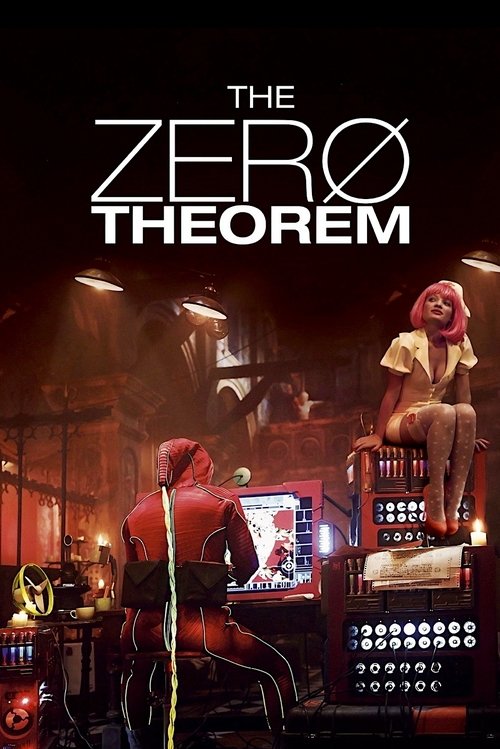
There is a specific, itchy kind of discomfort that comes from watching a man in a hairless bodysuit try to prove that the universe is a mathematical void while living inside a de-consecrated chapel. When I first sat down with Terry Gilliam’s The Zero Theorem, I was distracted by a neighbor three doors down who was power-washing their driveway. The relentless, high-pitched drone of the water against concrete shouldn't have improved the movie, yet somehow, it provided the perfect acoustic wallpaper for a film about the crushing noise of existence.
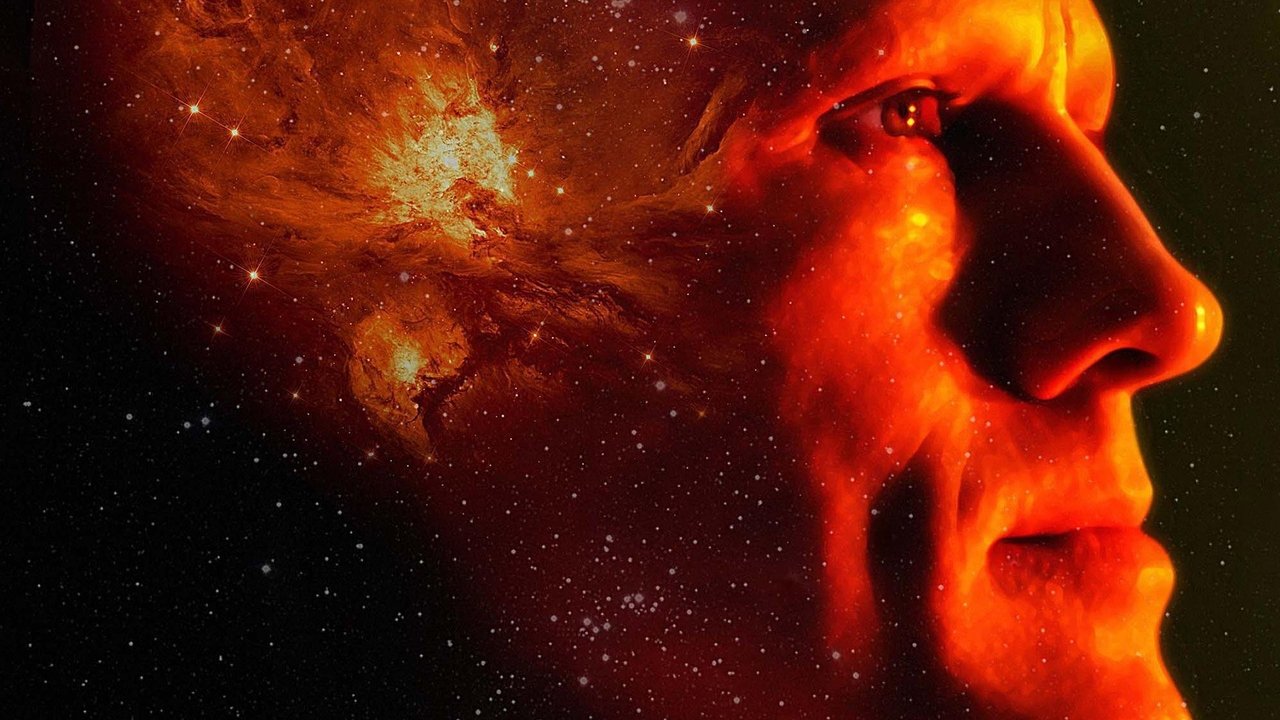
Released in 2013, The Zero Theorem arrived at a strange crossroads in cinema. We were fully entrenched in the digital age, yet Terry Gilliam—the high priest of "clutter-core" and tactile, steampunk madness—seemed to be struggling with how to satirize a world that was moving away from gears and levers and toward invisible algorithms. It’s the final leg of his unofficial "Orwellian Dreamer" trilogy, following the bureaucratic nightmare of Brazil (1985) and the viral apocalypse of 12 Monkeys (1995). But while those films felt like warnings, this one feels like a weary sigh from a director who realized the future he feared had already arrived and was mostly just annoying.
A Neon Nightmare of Pop-Up Ads
The plot is deceptively simple for a movie that looks like a neon-soaked fever dream. Christoph Waltz plays Qohen Leth, a "number cruncher" (or entity cruncher) for a massive corporation called Mancom. Qohen is a twitchy, agoraphobic soul who refers to himself as "we" and is waiting for a phone call that will explain his life’s purpose. He is tasked by Management—played by a wonderfully droll Matt Damon in a series of suits that perfectly match the upholstery—to solve the Zero Theorem: a formula intended to prove that everything adds up to nothing.
Looking back at this film from our current vantage point, the production design is remarkably prescient. While the $8.5 million budget was peanuts for a sci-fi epic, Gilliam used every cent to create a London that feels like a literal browser window without an ad-blocker. Every time Qohen steps outside, he is assaulted by sentient, holographic advertisements that follow him down the street, demanding his attention. In 2013, this felt like a fun exaggeration; today, it’s just a Tuesday afternoon on the internet. The movie effectively captures the transition from the physical dystopia of the 20th century to the psychological claustrophobia of the 21st.
Performances in the Void
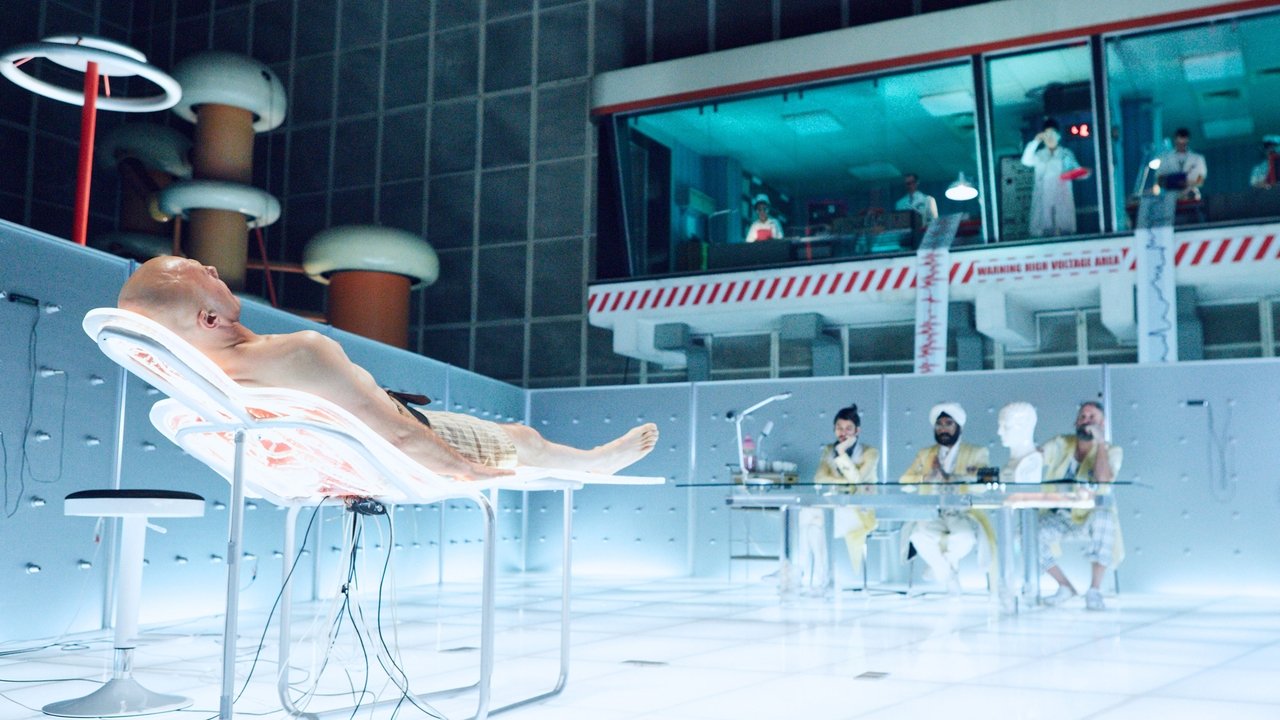
The heavy lifting here falls entirely on Christoph Waltz. We usually see him as the most eloquent man in the room, but here he is stripped of his charisma, his hair, and his dignity. It is a masterfully vulnerable performance. He makes the drama of a man waiting for a phone call feel legitimately tragic. When he interacts with David Thewlis, who plays his middle-manager supervisor Joby, the film finds its pulse. Thewlis brings a frantic, hollow energy to the screen—he is the human equivalent of a LinkedIn notification, all fake smiles and corporate jargon.
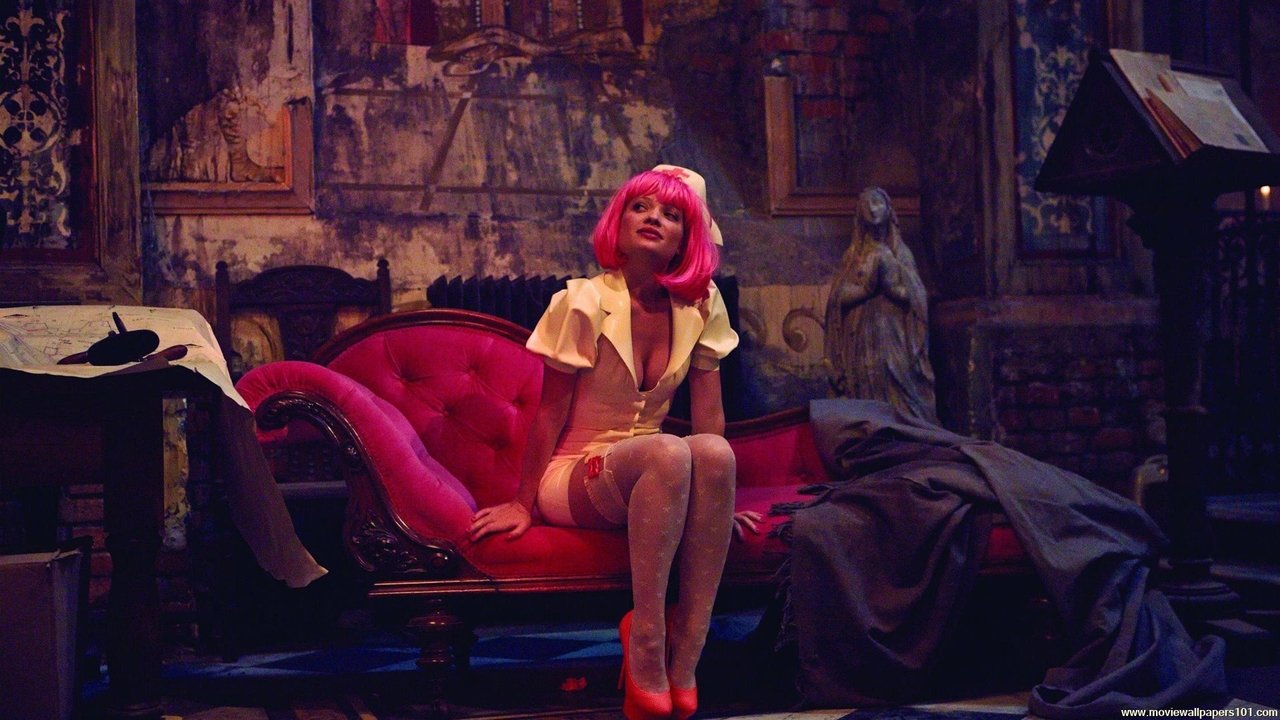
Then there’s the "lusty love interest" Bainsley, played by Mélanie Thierry. In a lesser drama, she’d be a manic pixie dream girl trope, but here she serves as a digital siren. Their "romance" takes place in a virtual reality beach simulation, highlighting the era's growing anxiety about how digital intimacy was replacing the real thing. It’s awkward, colorful, and intentionally artificial. Lucas Hedges also pops up as a teenage tech prodigy named Bob, representing the generation born into the noise, providing a necessary foil to Qohen’s old-world existential dread.
Why Did This Disappear?
Despite the star power and the Terry Gilliam pedigree, The Zero Theorem effectively vanished. It grossed less than $800,000 at the box office. Why? Part of it was the distribution—it was dumped into a limited release with very little fanfare. But the bigger reason is that it’s an inherently difficult "sell." It’s a drama about a man having a mental breakdown while doing math. It lacks the explosive stakes of 12 Monkeys and the operatic scale of Brazil.

It’s also a product of its time in terms of tech. The CGI has that slightly rubbery, saturated look of early 2010s digital filmmaking, which Gilliam embraces to make the world feel "fake." While some might find it eyesearing, I’d argue that the garish digital effects are a feature, not a bug, reflecting a world that has lost its soul to a motherboard. It’s a film that was overshadowed by the rise of the polished MCU-style blockbusters; it was too weird for the multiplex and too bleak for the indie crowd.
Ultimately, The Zero Theorem is a fascinating relic of the early 2010s. It’s a film about the search for meaning in a world that insists on quantifying everything. It’s messy, often frustratingly circular, and occasionally feels like it’s shouting into a vacuum. Yet, there’s a genuine heart beating under the neon. If you’ve ever felt like your life was being swallowed by your smartphone or that you’re waiting for a "call" that’s never going to come, Qohen’s struggle will resonate.
It’s not a "modern classic" in the traditional sense, but it is a vital piece of the Gilliam puzzle. It’s the sound of an analog director trying to make sense of a digital void. It might not give you the answers you’re looking for—after all, zero must equal 100%—but it’s a trip worth taking if you’re tired of the same old cinematic formulas. Just make sure your neighbors aren’t power-washing their driveways when you hit play. Or maybe, for the full experience, hope that they are.
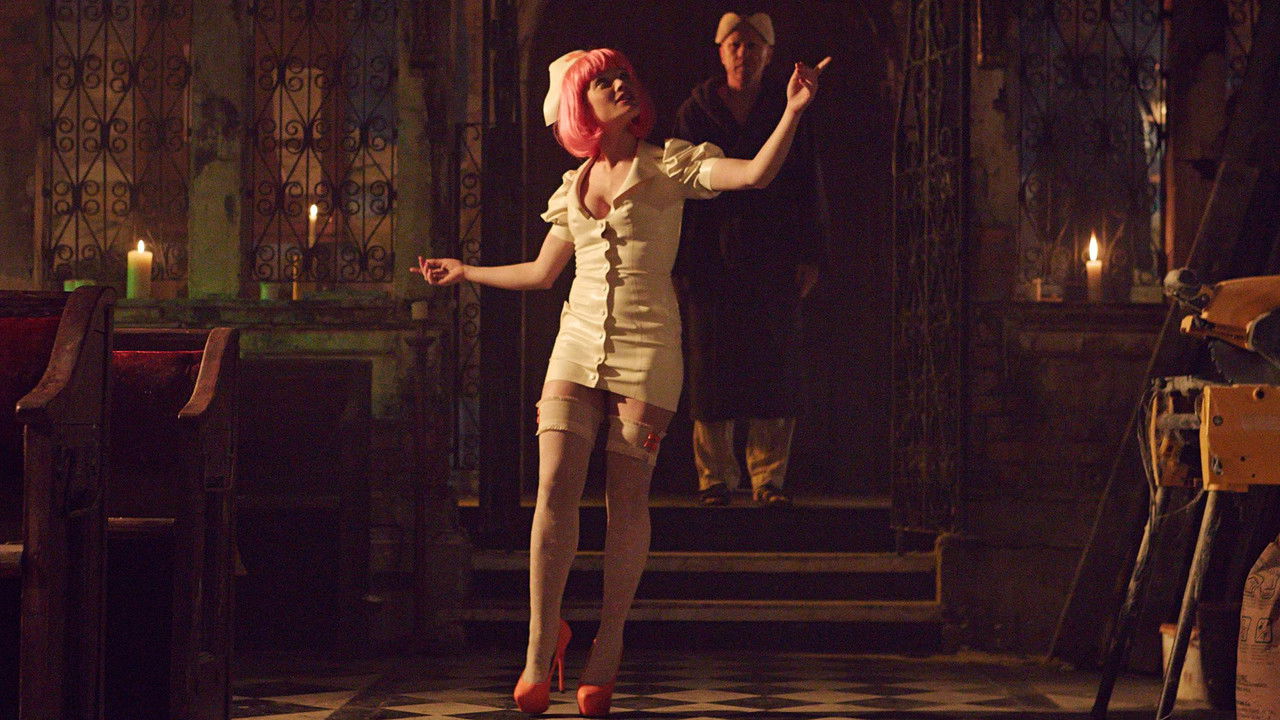
Keep Exploring...
-

The Jacket
2005
-
Soldier
1998
-
Time Bandits
1981
-
The Imaginarium of Doctor Parnassus
2009
-
Upside Down
2012
-

Blindness
2008
-
Ghost Town
2008
-
Aliens in the Attic
2009
-

Valhalla Rising
2009
-
Perfect Sense
2011
-

The Odd Life of Timothy Green
2012
-
Byzantium
2013
-

The Cobbler
2014
-
The Invisible Boy
2014
-
Forever Young
1992
-

Phenomenon
1996
-
The Brothers Grimm
2005
-
Sliding Doors
1998
-
Carriers
2009
-
Race to Witch Mountain
2009