Thor: The Dark World
"A brother’s betrayal and a universe fading into a very expensive shadow."
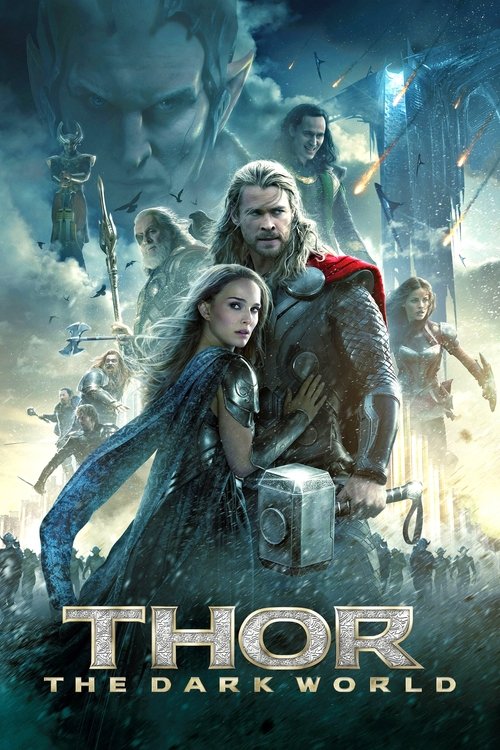
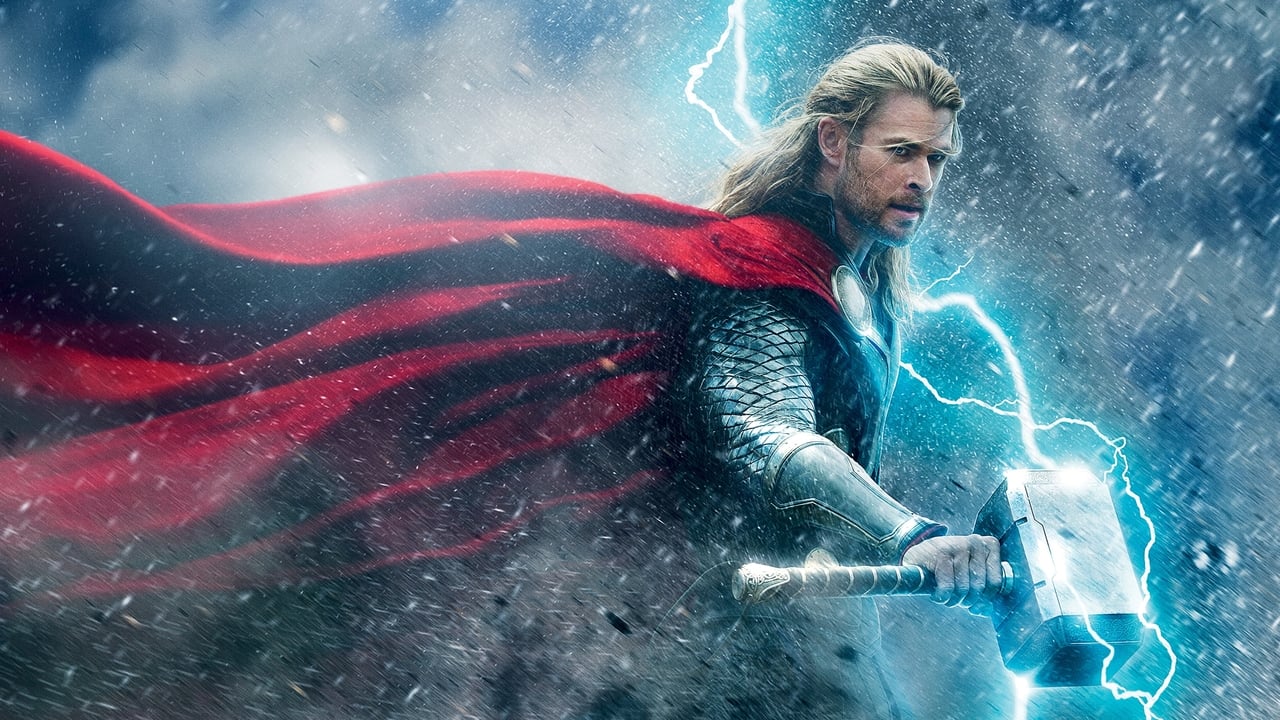
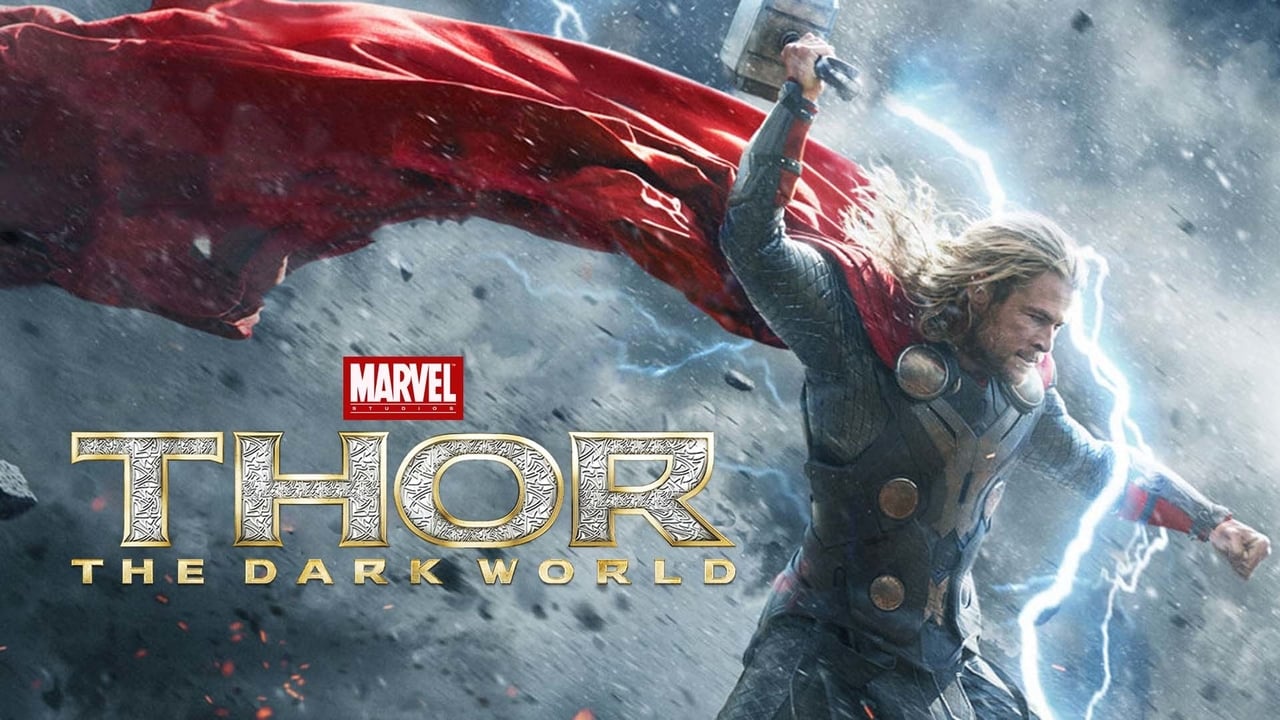
Back in 2013, the Marvel Cinematic Universe was feeling invincible. The Avengers (2012) had just rewritten the rules of the blockbuster, and we were all collectively vibrating with the realization that these movies weren't just sequels—they were chapters. I went into Thor: The Dark World expecting that same high-octane sugar rush, sitting in a theater behind a teenager wearing a plastic Viking helmet that smelled faintly of nacho cheese, which blocked exactly 15% of my view of the bottom-right corner. Even with a obstructed view, it was clear that Marvel was trying to pivot. They moved away from the Shakespearean staginess of Kenneth Branagh’s first Thor (2011) and leaned into something grittier, aiming for a "Game of Thrones in Space" vibe.
The Loki Factor
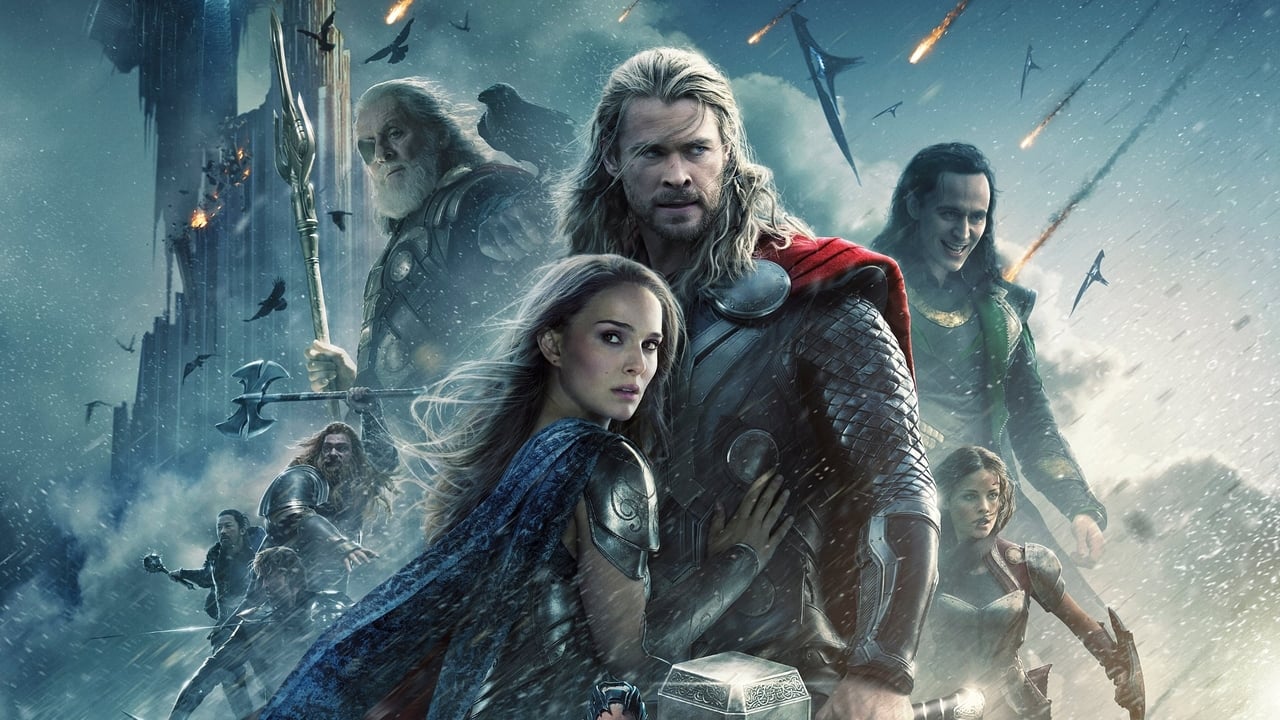
Let’s be honest: we weren't really there for the Aether or the Convergence. We were there for Tom Hiddleston. By this point, Hiddleston’s Loki had become the internet’s collective obsession, and the producers clearly knew it. Rumor has it that Loki wasn't even supposed to be in the movie that much, but after the frenzy of The Avengers, they ordered extensive reshoots to give him more screen time. It was the smartest move they made. Every time Chris Hemsworth and Tom Hiddleston share the screen, the movie sparks to life. Hemsworth was finally settling into the role, shedding the stiff "thee and thou" persona for something more relatable, but Hiddleston is the one who injects actual stakes into the proceedings.
Their "buddy cop" journey to the Dark World is the film’s high point. It’s got humor, a touch of pathos, and a genuine sense of sibling rivalry that feels more real than any of the magical portals. When Loki "betrays" Thor for the third or fourth time, you still want to believe him. That’s the magic of the performance. Without that brotherly friction, we’d be left with a fairly standard "save the universe" plot that feels remarkably like a placeholder for the next big crossover.
A Galaxy of Stone Knives and Portals
Visually, this was a weird era for the MCU. We were transitioning from the bright, comic-book saturation of Phase 1 into a more textured, digital-heavy look. Alan Taylor, fresh off directing some of the best episodes of Game of Thrones, brought a sense of dirt and history to Asgard. Suddenly, the golden city looked lived-in. However, the villains—the Dark Elves—didn't fare as well. Christopher Eccleston (Doctor Who, 28 Days Later) is a phenomenal actor, but here he is buried under so much latex and prosthetic ear-tips that he might as well be an extra in a high-budget haunted house.
Malekith is often cited as one of the weakest villains in the franchise, and it’s hard to argue. He wants to turn the universe into darkness because… well, he’s a Dark Elf. It’s a bit thin. Eccleston has since been quite vocal about his misery during the shoot, specifically the six hours of makeup required every day. It shows. There’s a weariness to the character that feels less like "ancient evil" and more like "I want to go back to my trailer." Malekith is basically a grumpy IKEA manager in space.
The action, however, shows off that 2013-era CGI ambition. The final battle in Greenwich is actually quite clever, using the "Convergence" of realms to have characters falling through portals and landing in different dimensions mid-punch. It’s a precursor to the kind of reality-warping action we’d see later in Doctor Strange (2016). It has a frantic, physical rhythm that keeps the 112-minute runtime moving, even when the logic of the "Aether" (one of the more confusing Infinity Stones) starts to get fuzzy.
The Craft Behind the Chaos
Looking back, The Dark World is a fascinating artifact of a studio figuring out its house style. You have Brian Tyler delivering a sweeping, traditional orchestral score that feels much more "epic" than the first film's music, and cinematography by Kramer Morgenthau that ditches the Dutch angles of the original for a wider, more cinematic scope. But you can feel the tug-of-war between Alan Taylor's desire for a gritty fantasy and the studio's need for a lighthearted action-comedy.

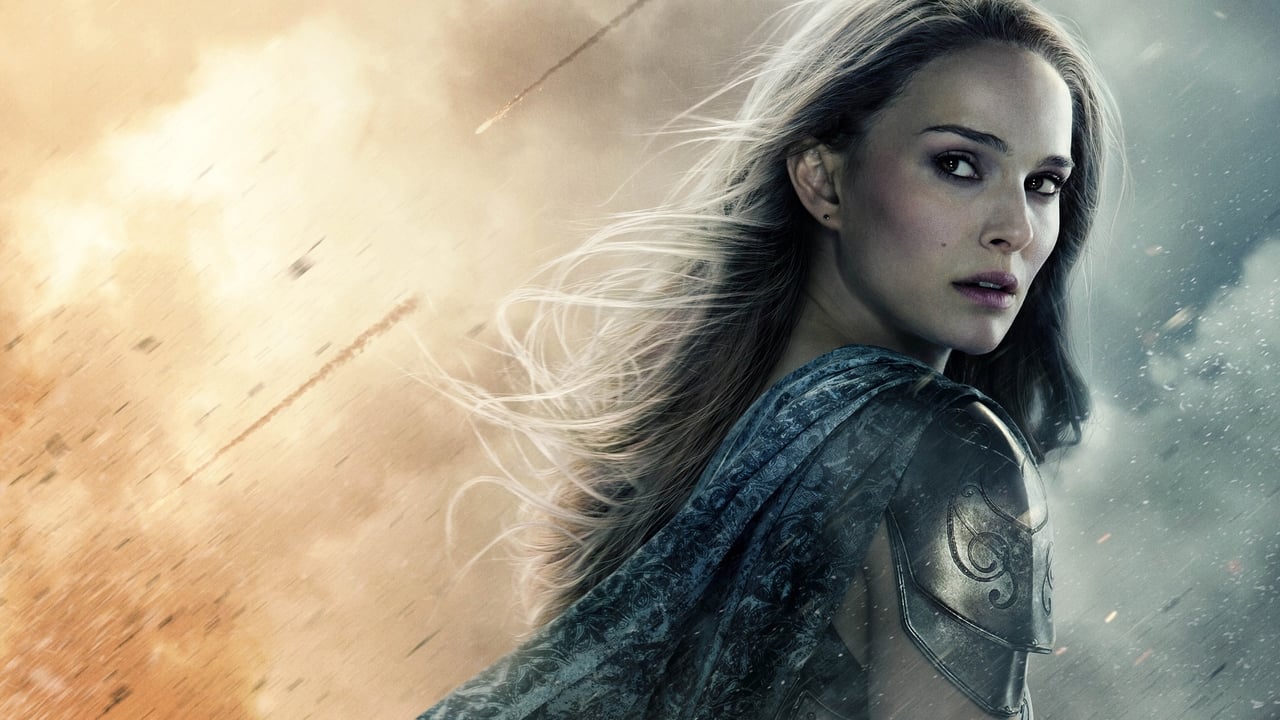
The supporting cast is packed with talent that the movie doesn't quite know how to use. Idris Elba as Heimdall gets one cool action beat involving a spaceship, but Jaimie Alexander’s Sif and the Warriors Three are shoved to the sidelines. Even Natalie Portman as Jane Foster feels a bit lost here; she’s literally used as a container for the MacGuffin for most of the movie. Fun fact for the trivia buffs: for the final post-credits kiss between Thor and Jane, Portman couldn't make the reshoots, so Chris Hemsworth’s actual wife, Elsa Pataky, put on a wig and stood in for her. That might explain why it’s one of the most passionate kisses in the entire MCU.
Despite the behind-the-scenes friction and the lackluster villain, the film was a massive commercial hit, raking in over $644 million worldwide. It proved that the "Marvel Brand" was now strong enough to carry even its mid-tier entries to blockbuster status. It’s a film that thrives on its smaller moments—a Captain America cameo, a joke about the subway, or a look shared between brothers—rather than its grand cosmic ambitions.
Thor: The Dark World isn't the disaster that some modern retrospective reviews suggest, but it’s definitely the "difficult second album" of the Thor trilogy. It’s a movie that works best when it stops trying to be an epic space opera and settles for being a weird, slightly clunky family drama. If you can ignore the generic Elves and the confusing physics of the Aether, there’s still plenty of fun to be had in watching Loki run circles around his brother. It’s a comfortable, mid-range blockbuster that reminds us of a time when the MCU was still exploring its own boundaries.
Keep Exploring...
-
Thor
2011
-
Thor: Love and Thunder
2022
-
Thor: Ragnarok
2017
-
Clash of the Titans
2010
-

Puss in Boots
2011
-
The Hobbit: An Unexpected Journey
2012
-
Maleficent
2014
-
The Hobbit: The Battle of the Five Armies
2014
-
The Mummy Returns
2001
-

Night at the Museum
2006
-
Pirates of the Caribbean: At World's End
2007
-
Cirque du Freak: The Vampire's Assistant
2009
-
The Mummy: Tomb of the Dragon Emperor
2008
-
Night at the Museum: Battle of the Smithsonian
2009
-
Race to Witch Mountain
2009
-
Prince of Persia: The Sands of Time
2010
-
The Sorcerer's Apprentice
2010
-
Brave
2012
-
Rise of the Guardians
2012
-

Wrath of the Titans
2012