Trance
"Your mind is the scene of the crime."
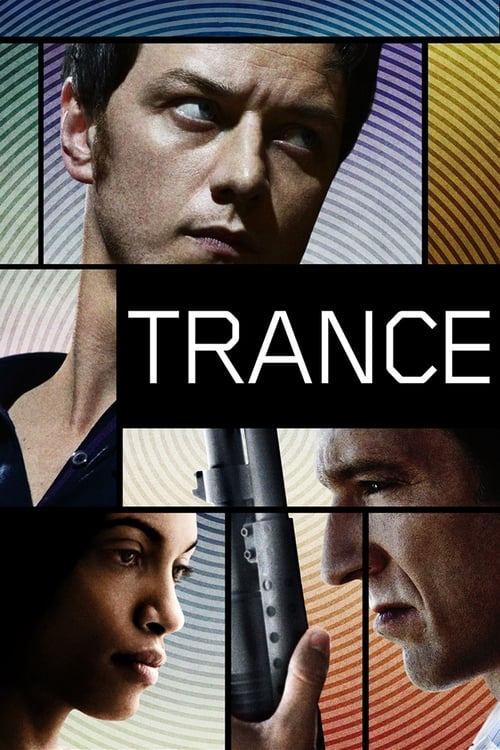
Most directors would take a long, expensive nap after choreographing the 2012 London Olympics Opening Ceremony, but Danny Boyle isn't most people. Instead of vacationing, he spent his "downtime" during the Olympic post-production phase filming a neon-drenched, psycho-sexual heist thriller that feels like someone dropped a tab of acid into a Christie’s auction house. Coming off the massive, global warmth of Slumdog Millionaire, Trance was a sharp, jagged pivot back to the "nasty" Boyle we loved in the 90s—the one who made Ewan McGregor dive into the world’s filthiest toilet in Trainspotting.
I watched this recently while recovering from a mild wisdom tooth extraction, and the lingering haze of the anesthesia made the film’s slippery, hypnotic transitions feel uncomfortably real. It’s a movie that thrives in that fuzzy headspace between waking and dreaming, and it’s arguably the most "2010s" film Boyle ever made.
A Heist Within a Headtrip
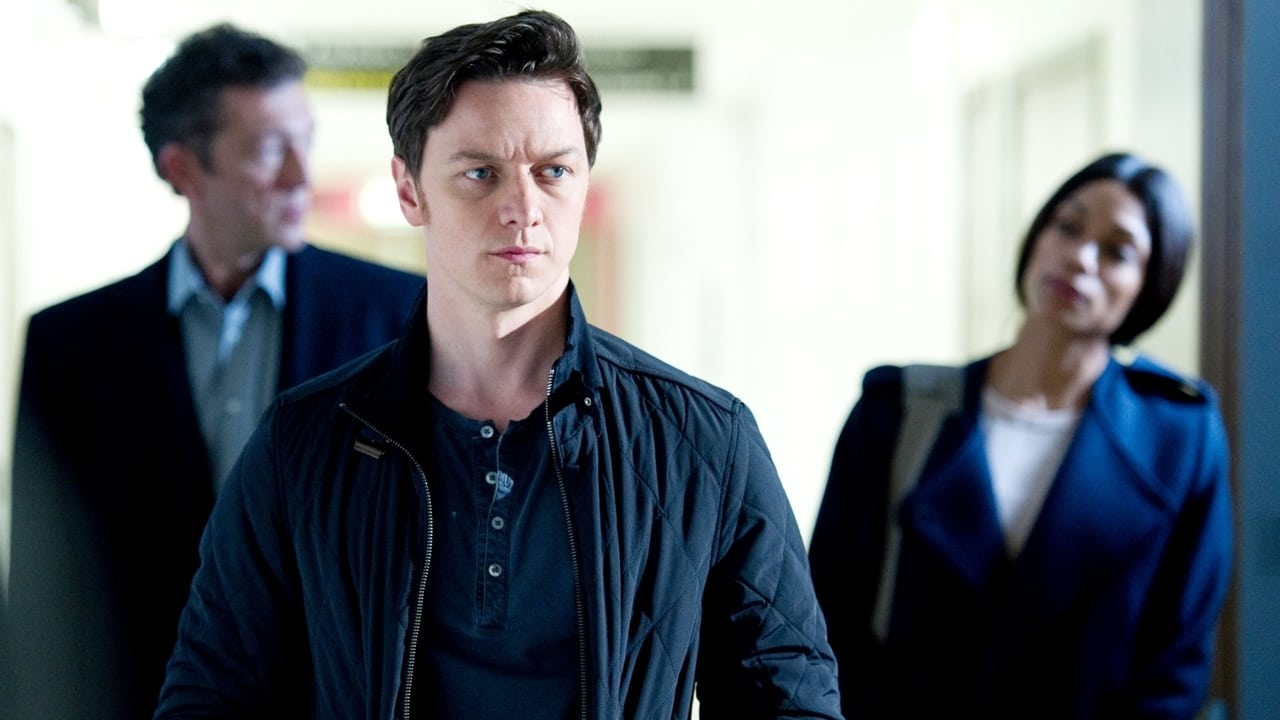
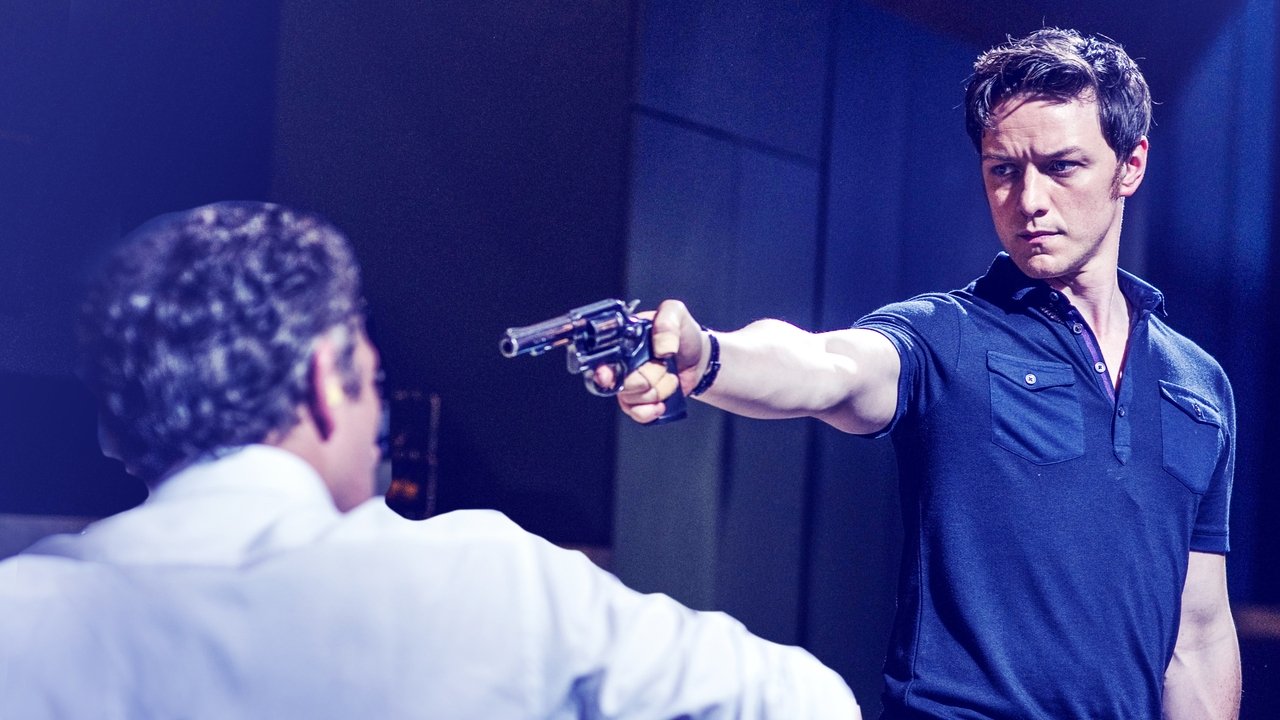
The setup is classic noir: James McAvoy plays Simon, an art auctioneer who gets mixed up with a violent gang led by the effortlessly cool Franck (Vincent Cassel). During a high-stakes heist of a Goya painting, Simon takes a brutal blow to the head. When he wakes up, he has amnesia, and more importantly for Franck, he has no idea where he hid the multi-million dollar masterpiece.
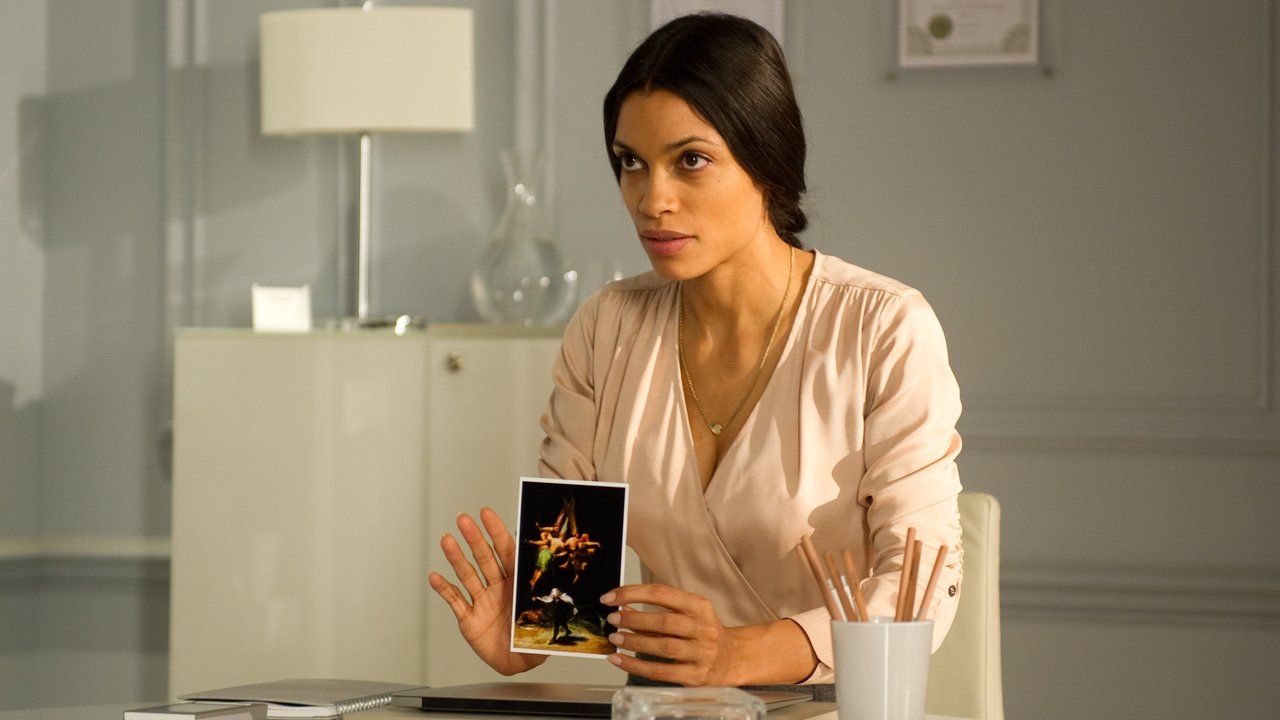
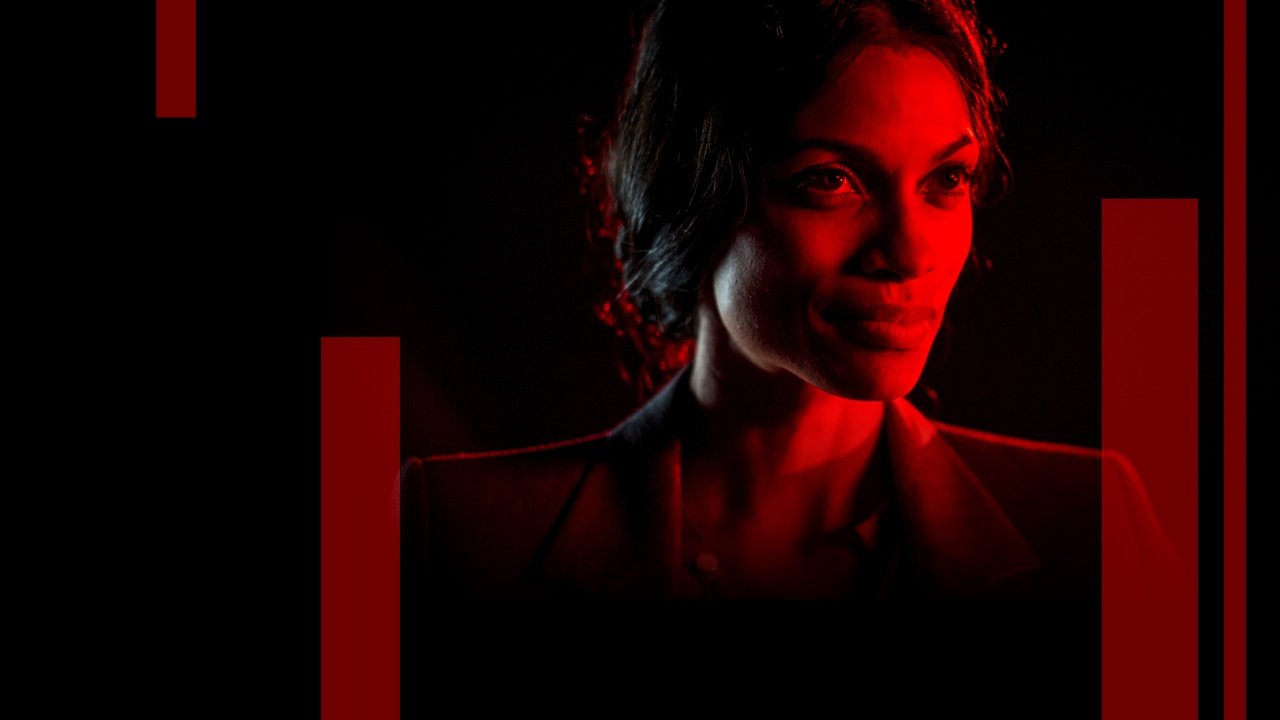
Instead of just pulling Simon's fingernails out—though there is a bit of that—Franck decides on a more "modern" approach: hypnotherapy. Enter Elizabeth, played by Rosario Dawson, a woman who is so composed and commanding she makes the gangsters look like schoolboys. What follows isn't just a search for a painting; it’s a deep dive into Simon’s subconscious that quickly turns into a three-way power struggle where the floor is constantly falling out from under you.
This was a fascinating era for the thriller. We were moving away from the gritty, desaturated "Post-9/11" realism of the Bourne films and leaning into the high-gloss, digital expressionism that technology finally allowed. Anthony Dod Mantle, the cinematographer who helped pioneer the digital revolution with 28 Days Later, uses every trick in the book here. There are reflections upon reflections, skewed Dutch angles, and a color palette of saturated oranges and clinical blues that makes every frame look like a high-end music video.
The Power of the Suggestion
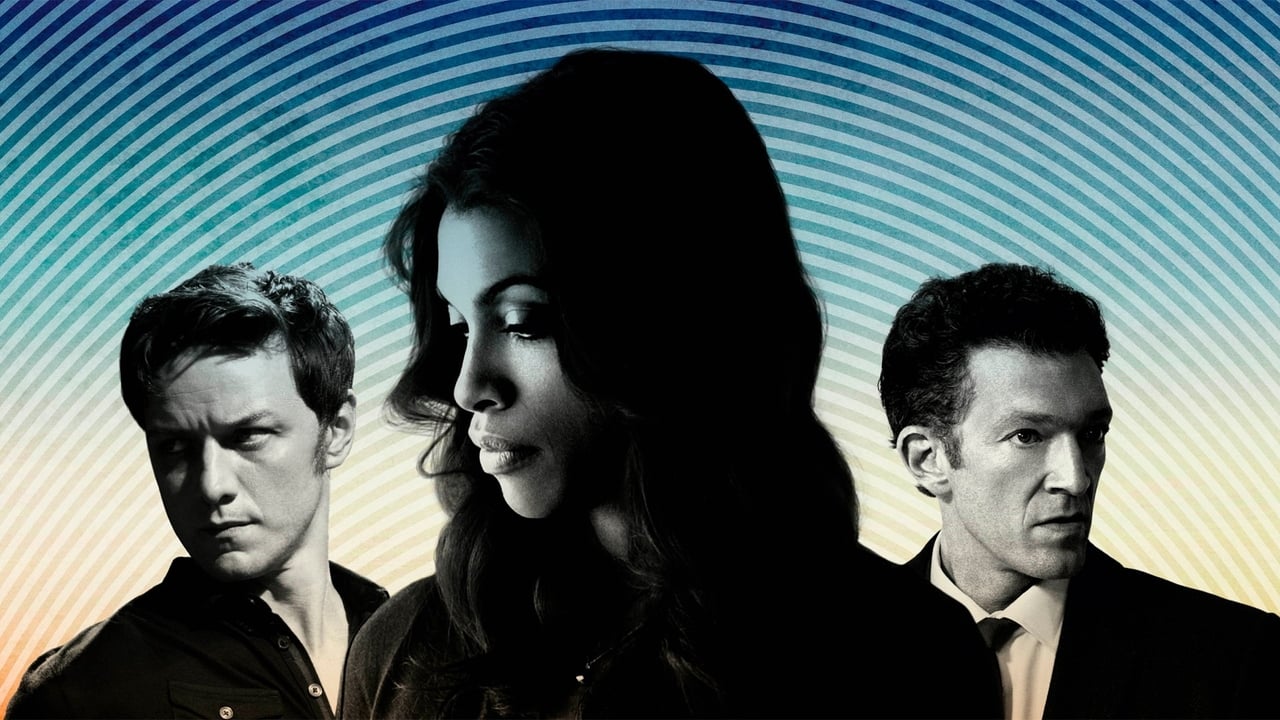
While the plot is a twisty maze, the film lives and dies on the chemistry of its leads. James McAvoy is the king of the "vulnerable-yet-secretly-unhinged" performance. Looking back at his career, Trance feels like a vital stepping stone toward his later work in Split. He starts as a sympathetic victim, but as Elizabeth peels back the layers of his mind, you realize this guy is a walking collection of red flags.
Then there’s Vincent Cassel. I’m convinced Vincent Cassel's face is basically a topographical map of 'untrustworthy sexy.' He brings a weary, almost romantic weight to Franck that makes him more than just a stock villain. But the movie belongs to Rosario Dawson. In a genre that often treats women as either the damsel or the femme fatale, Elizabeth is something much more complex. She is the architect of the entire experience. Rosario Dawson gives a performance that is incredibly calculated; she uses her voice like a scalpel, and her character’s agency is the true engine of the film.
I usually find "it was all a dream" tropes incredibly lazy, but Trance avoids that pitfall by making the process of memory manipulation the point of the drama. It’s less about "what is real" and more about "who is in control." The script, co-written by long-time Boyle collaborator John Hodge (Shallow Grave), keeps the dialogue sharp and the pace relentless.
Digital Neon and Club Beats
If you’re a fan of physical media, the DVD and Blu-ray releases of this era were a goldmine for seeing how directors like Boyle were grappling with the shift to digital. The special features for Trance reveal a director who was essentially editing the movie in his head while organizing a cast of thousands for the Olympics. You can feel that frantic, manic energy in the final cut.
The score by Rick Smith (of Underworld fame) is another MVP. It’s a propulsive, electronic heartbeat that never lets the tension drop. It’s the kind of music that makes you feel like you’re doing something illegal just by listening to it. In the context of 2013, this felt like the peak of the "Director as DJ" style, where the rhythm of the edit is just as important as the dialogue.
It’s a movie that thinks it’s much smarter than it actually is, but it’s so handsome and loud that you eventually stop caring. Looking back from 2024, Trance holds up as a slick, aggressive piece of entertainment that doesn't overstay its welcome. It doesn't have the emotional heft of 127 Hours, but it has a nasty, playful streak that reminds me why Boyle became a cult favorite in the first place.
The film was actually a remake of a 2001 British TV movie of the same name, also written by Joe Ahearne. While the original was a low-budget affair, Boyle’s version takes that skeleton and wraps it in expensive, neon skin. It’s a "cult classic" in the making—the kind of movie you find on a streaming service at 11:00 PM and end up finishing because you can't look away from the kaleidoscope. It’s a reminder that even when Danny Boyle is just "having fun," he’s still operating at a level of visual flair that most directors can't touch.
Keep Exploring...
-
A Walk Among the Tombstones
2014
-
127 Hours
2010
-
Lucky Number Slevin
2006
-
The Beach
2000
-
The Bone Collector
1999
-

Pride and Glory
2008
-
Untraceable
2008
-
The Girl with the Dragon Tattoo
2009
-
Kill the Messenger
2014
-
T2 Trainspotting
2017
-
Shallow Grave
1994
-
The Bank Job
2008
-
Tinker Tailor Soldier Spy
2011
-
The Girl Who Played with Fire
2009
-
Edge of Darkness
2010
-
Faster
2010
-
The Next Three Days
2010
-
Colombiana
2011
-
Drive
2011
-

Red Riding Hood
2011