V/H/S/2
"The static is screaming back."
I remember watching V/H/S/2 for the first time on a laptop with a cracked screen while sitting in a laundromat. The rhythmic, heavy thumping of a dryer full of sneakers nearby actually made the third segment about 40% more stressful. It felt appropriate; this is a movie that thrives on mechanical noise, visual glitches, and the sensation that you are seeing something you definitely weren’t supposed to find.
By 2013, the found footage genre was starting to feel like a house guest who had overstayed their welcome. We’d been through a decade of shaky cameras and "Why are you still filming?" logic. But the original V/H/S had tapped into a primal, urban-legend energy that felt different from the polished studio scares of the Paranormal Activity era. When the sequel arrived, it didn’t just iterate—it mutated. It embraced the transition from the grainy magnetic tape of the 90s to the high-def, "mount-it-on-your-head" GoPro culture of the early 2010s.
The Evolution of the Analog Nightmare
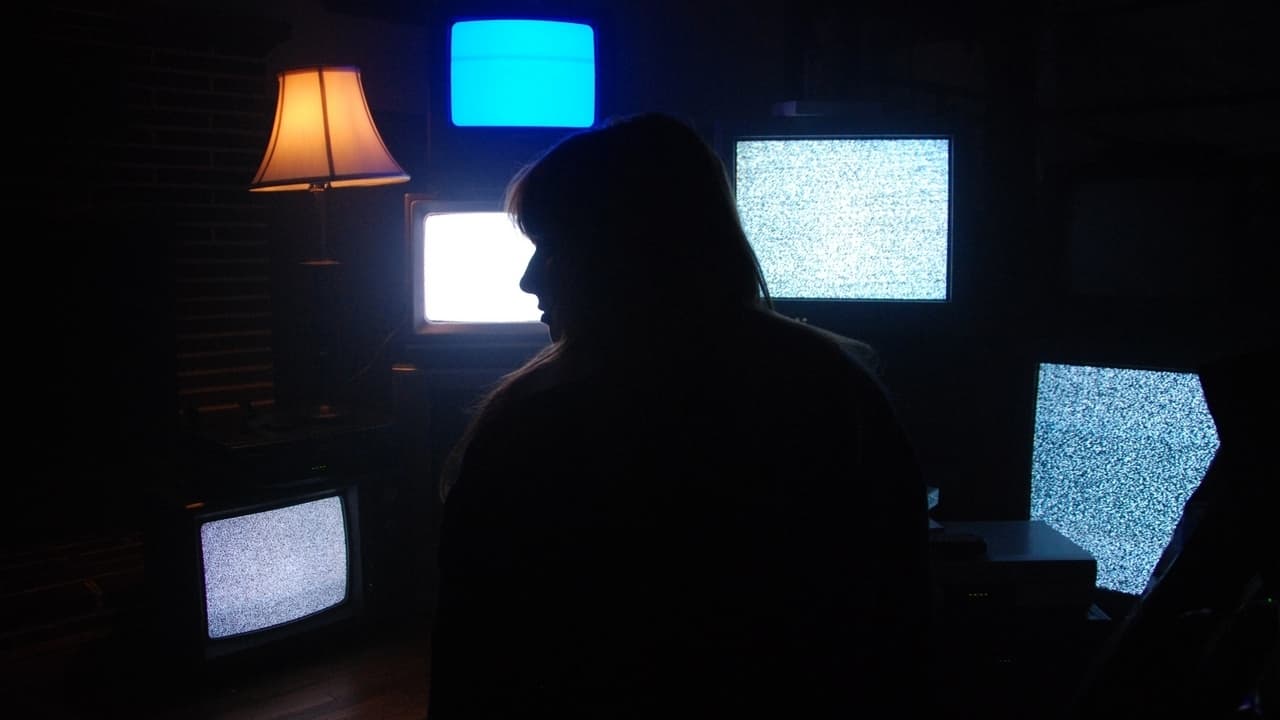
The wraparound story, directed by Simon Barrett, follows two private investigators (Lawrence Michael Levine and Kelsy Abbott) searching for a missing student. They break into a house filled with stacks of old televisions and piles of VHS tapes. While the framing device is standard fare, it serves its purpose: it gets us to the tapes.
What’s fascinating looking back at 2013 is how the filmmakers navigated the tech shift. We were moving away from the "found tape" aesthetic toward digital surveillance. Adam Wingard’s segment, "Phase I Clinical Trials," uses a cybernetic eye implant to deliver a ghost story. It’s a clever way to justify the "first-person" perspective without a hand-held camera. It captures that Y2K-adjacent tech-anxiety—the idea that our gadgets might literally become part of our bodies, and in doing so, open doors to things we can’t un-see.
The Heavyweight Champion: Safe Haven
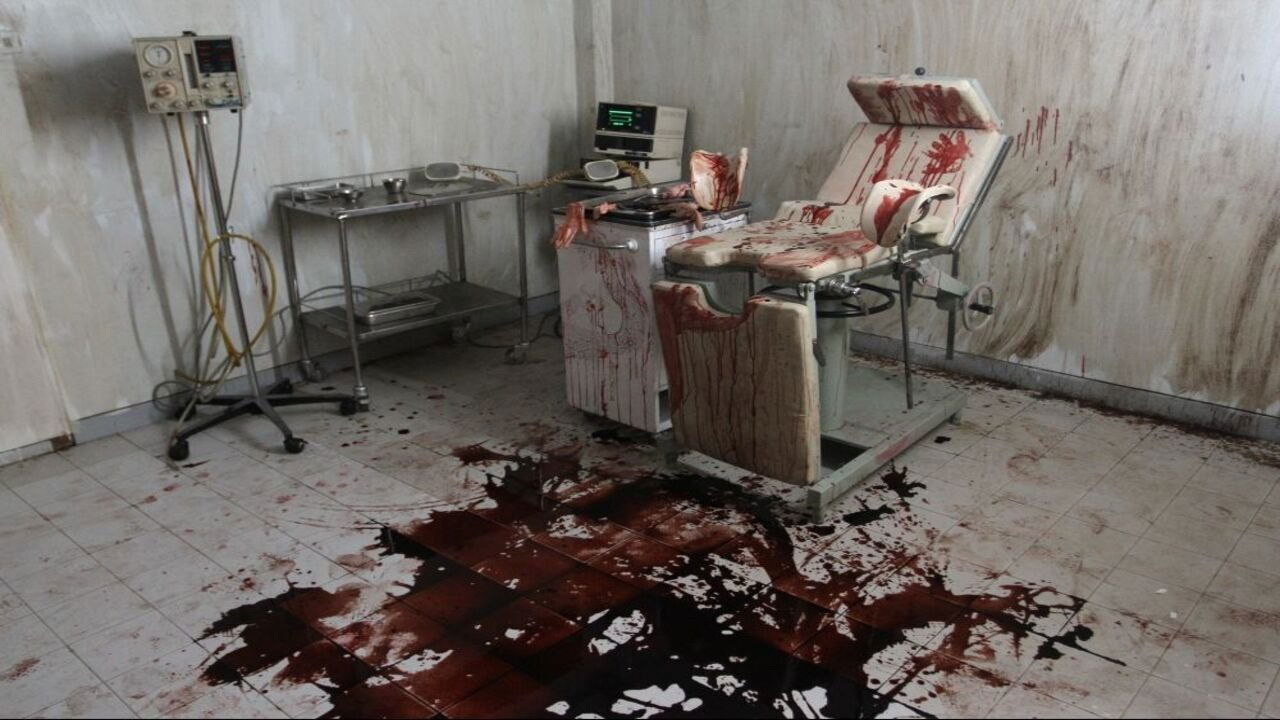
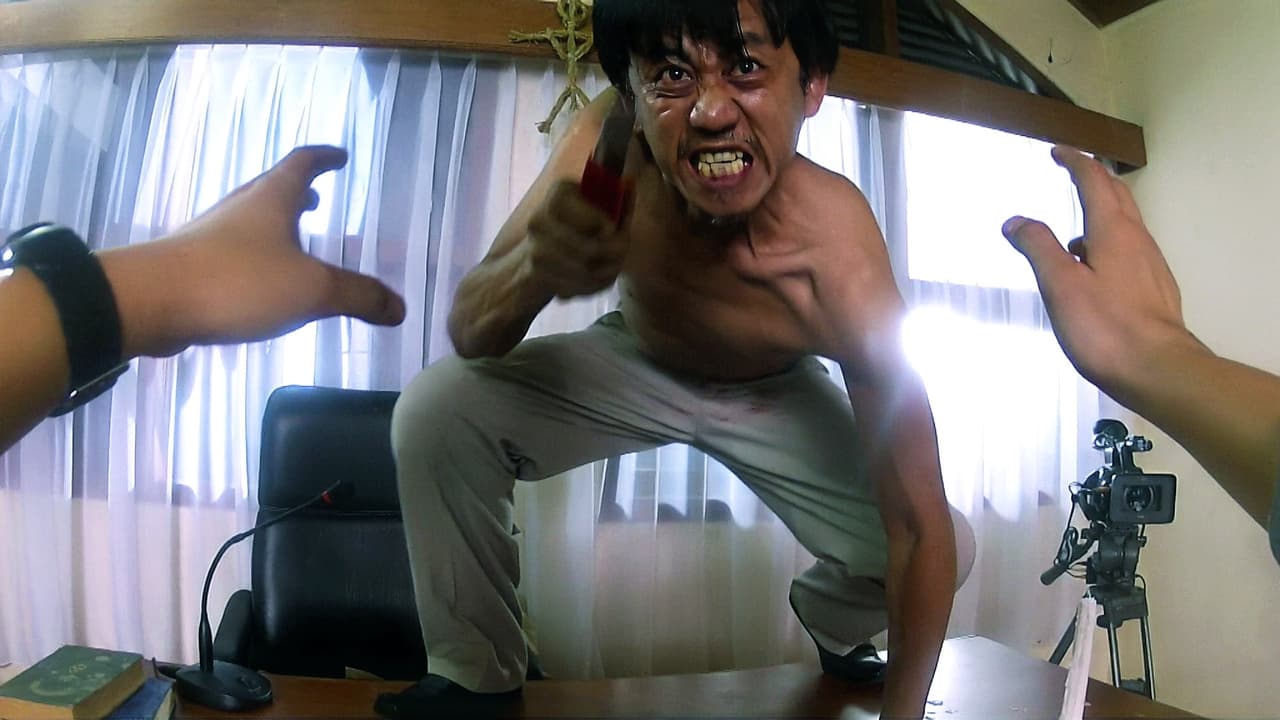
If you ask any horror fan about V/H/S/2, they aren’t going to talk about the wraparound. They’re going to talk about "Safe Haven." Directed by Gareth Evans (the madman behind The Raid) and Timo Tjahjanto, this segment is widely considered the high-water mark of the entire franchise.
It follows a news crew infiltrating an Indonesian cult. What starts as a tense, claustrophobic interview slowly devolves into a panicked, blood-soaked descent into literal hell. The pacing is breathless. It utilizes the "hidden camera" trope to build unbearable tension before exploding into practical effects that would make Tom Savini weep with joy. The creature design in the finale is unhinged, proving that even in a low-budget anthology, you can achieve something iconic if you have enough corn syrup and ambition. I genuinely believe "Safe Haven" is better than 90% of the full-length horror features released that year.
GoPros and Alien Grays
The other segments hold their own by experimenting with perspective. "A Ride in the Park," directed by Eduardo Sánchez and Gregg Hale, puts a GoPro on the head of a cyclist who turns into a zombie. It’s a darkly comedic "day in the life" of the undead. Seeing a zombie fumble with a GoPro is the kind of meta-commentary on 2010s "creator culture" that feels even more relevant now.
The final tape, Jason Eisener’s "Slumber Party Alien Abduction," is a chaotic, strobing nightmare. It captures the frantic energy of being a kid—complete with prank wars and a loyal dog—before twisting into a terrifyingly loud alien invasion. The sound design here is punishing in the best way possible. It’s a reminder that horror doesn't always need a slow burn; sometimes it just needs to scream in your face for fifteen minutes.
Apparently, the production of "Slumber Party Alien Abduction" was so DIY that they actually attached a camera to a dog to get those low-to-the-ground running shots. It’s that kind of low-budget ingenuity that defines the best horror of this era. Before the MCU-style "pre-planned franchise" mentality took over everything, movies like this felt like a playground for directors to show off their nastiest ideas.
V/H/S/2 is the rare sequel that vastly improves on the original by trimming the fat and upping the intensity. While the "found footage" logic still requires a massive leap of faith, the sheer creativity on display makes it easy to jump. It captures a specific moment in film history—the bridge between the analog past we fear and the digital future that’s already recording us.
Looking back, V/H/S/2 is the only anthology where the sequel makes the original look like a cautious student film. It’s messy, loud, and occasionally mean-spirited, but it’s never boring. If you’ve missed out on this one because of found-footage fatigue, it's time to dust off the VCR—or, more accurately, fire up the stream. Just don't watch it in a laundromat if you value your nerves.
Keep Exploring...
-
V/H/S
2012
-
You're Next
2013
-
The Possession
2012
-
The Tall Man
2012
-
Clown
2014
-
Quarantine
2008
-
Carriers
2009
-
The Last House on the Left
2009
-
Thirst
2009
-
Don't Be Afraid of the Dark
2010
-
Sleep Tight
2011
-
Take Shelter
2011
-
Maniac
2012
-
The Collection
2012
-

Curse of Chucky
2013
-
Would You Rather
2013
-
13 Sins
2014
-
Creep
2014
-
Housebound
2014
-

Stonehearst Asylum
2014