World War Z
"The end is not coming; it’s already here."
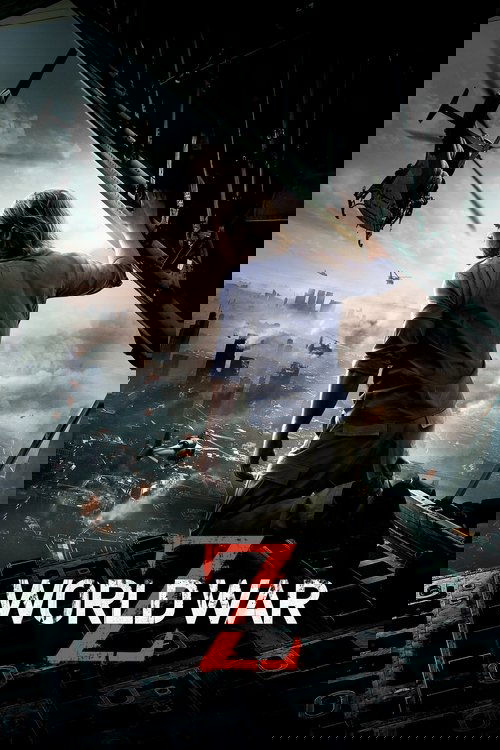
Imagine trying to adapt a book that is essentially a collection of dry UN reports and survivalist interviews, then realizing you’ve spent $200 million and haven’t actually filmed an ending that works. That’s the chaotic, frantic energy radiating from World War Z. I rewatched this the other night while nursing a slightly burnt bag of microwave popcorn—the kind where you have to pick through the charcoal bits to find the gold—and honestly, the movie is a lot like that. It’s a production that was famously scorched by reshoots and creative pivots, yet what remains is a surprisingly lean, mean, global-hopping thriller that managed to reinvent the zombie as a literal force of nature.
The Swarm and the Scarf
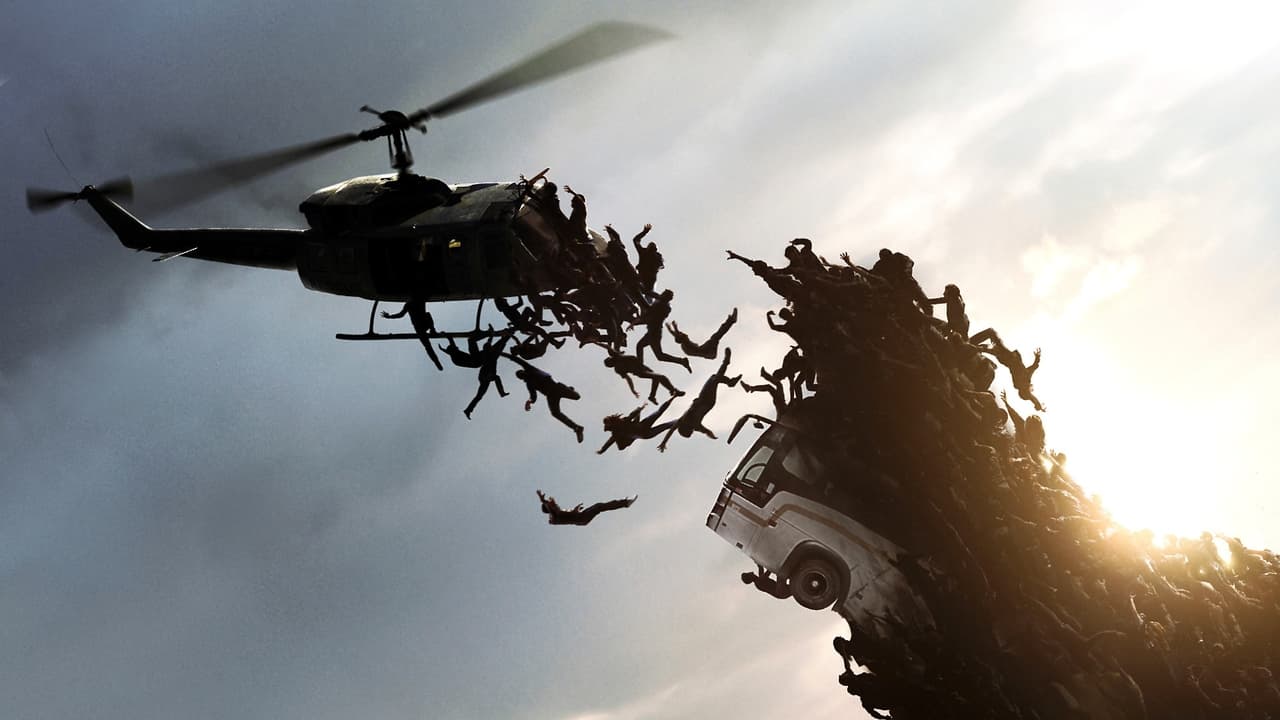
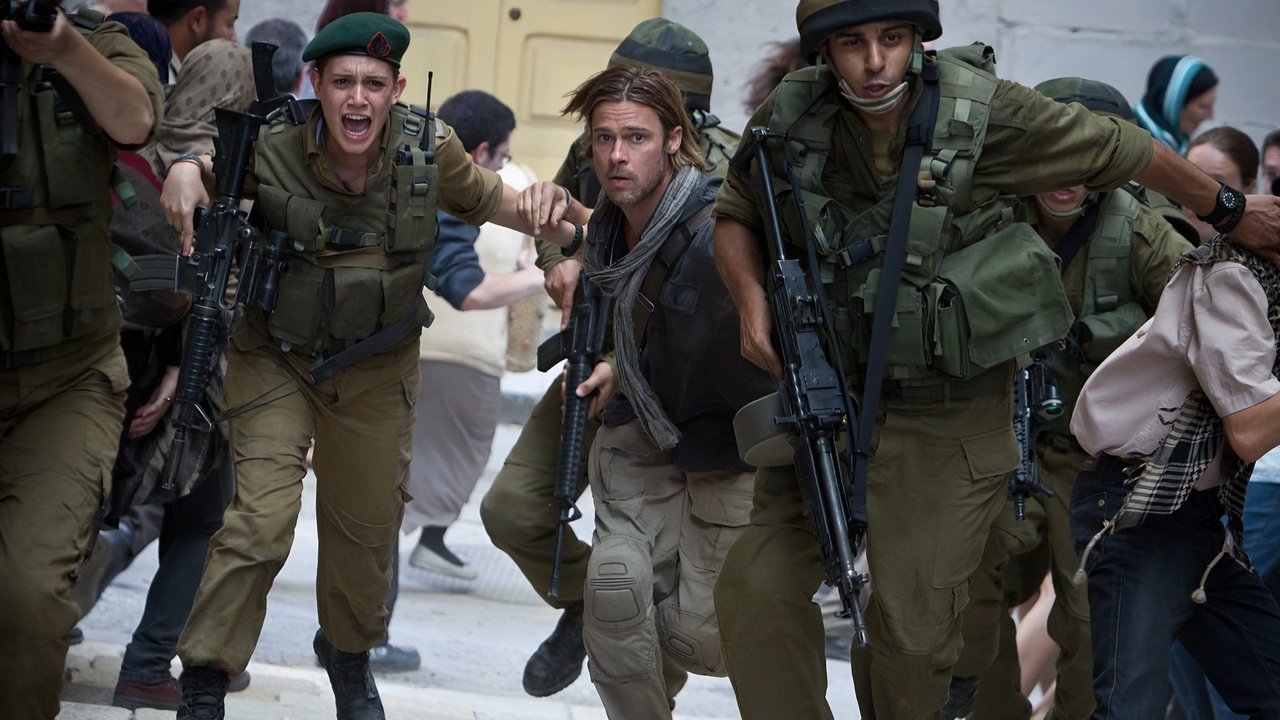
When this hit theaters in 2013, the "zombie fatigue" was already setting in. The Walking Dead was a juggernaut, and we’d seen every iteration of the shambling corpse imaginable. But Marc Forster (fresh off Quantum of Solace) decided to treat the undead not as individual monsters, but as a fluid. These zombies don’t bite so much as they flood. The CGI "turtling"—where the infected pile on top of each other to scale the walls of Jerusalem—was a genuine "what am I looking at?" moment for 2013 audiences. The zombies aren't monsters; they’re a liquid property. They move like a dam breaking, and looking back, it’s one of the few times early-2010s digital effects actually enhanced the horror rather than diluting it.
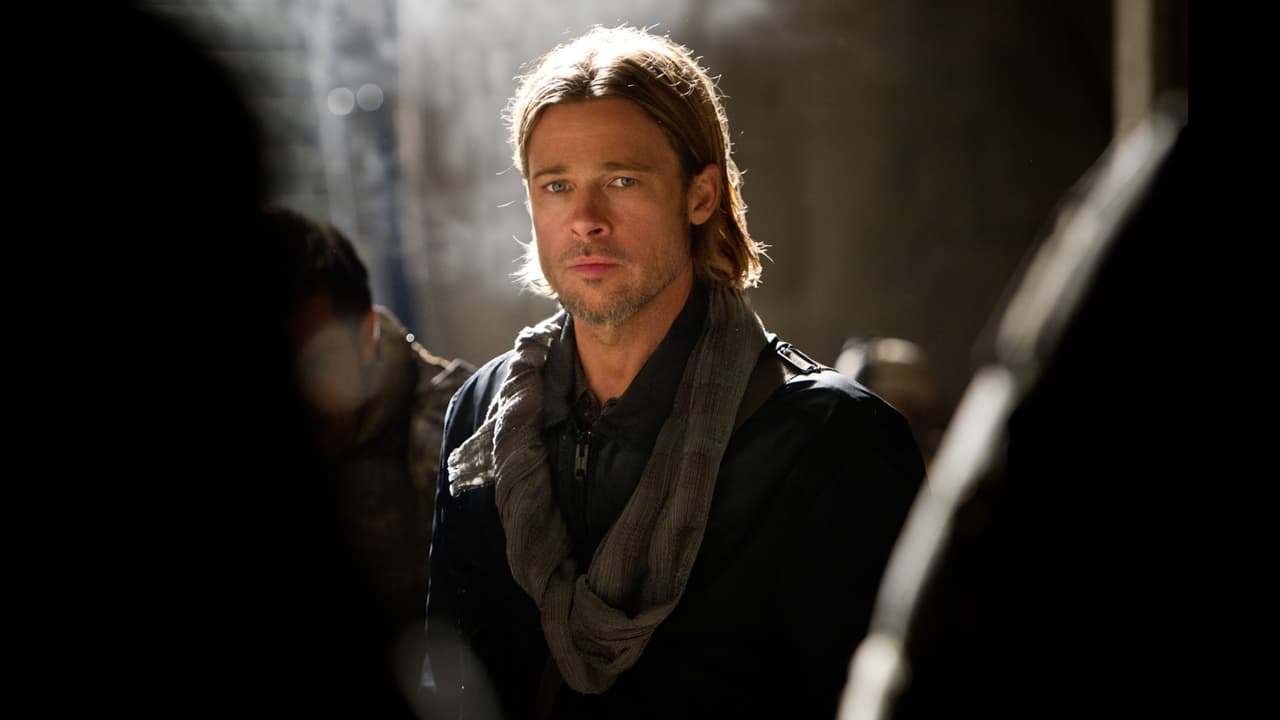
At the center of this hurricane is Brad Pitt as Gerry Lane. Pitt does "competent dad" better than almost anyone in Hollywood. He spends the movie in a very specific, lightweight scarf that I became weirdly obsessed with during my most recent viewing. Seriously, it’s basically a high-stakes travel vlog with more teeth. He travels from Philadelphia to South Korea to Israel to Wales, and through it all, Pitt carries the weight of a man who isn't a superhero; he’s just an investigator who knows how to look at the world’s seams and see where they’re fraying.
Production Hell and the Russian Erasure
If you’re a fan of behind-the-scenes drama, World War Z is the gift that keeps on giving. The original third act was a massive, bombastic battle in Russia where Gerry Lane becomes a zombie-killing machine. It was reportedly a disaster—grim, incoherent, and tonally dissonant. The studio brought in Damon Lindelof and Drew Goddard (the architects of much of our favorite 2000s-era "mystery box" storytelling) to basically rewrite the ending from scratch while the movie was already being edited.
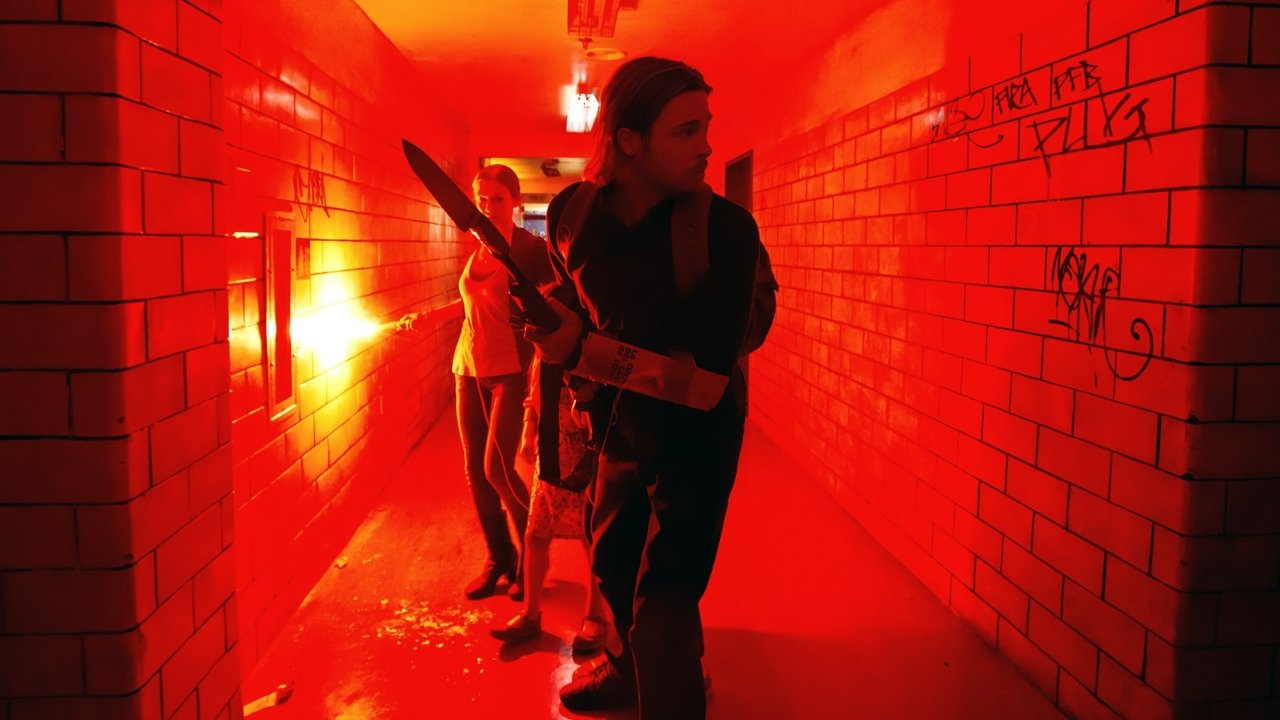
They scrapped the Russian war entirely. Instead, they moved the finale to a quiet, sterile WHO lab in Wales. This was a massive gamble. To go from the "CGI swarm" of Jerusalem to the tip-toe tension of a laboratory hallway is the kind of pivot that usually kills a movie. Instead, it saved it. It shifted the film from a chaotic action-spectacle to a genuine horror-thriller. The "Leadenhall" zombie—the one with the clicking teeth—is far scarier than the 50,000 digital bodies we saw earlier. It grounded the stakes. I’m usually the first to complain about "studio interference," but in this case, the intervention of Damon Lindelof turned a potential flop into a tightly coiled genre piece.
Post-9/11 Anxiety on a Global Scale
The film captures a very specific era of Modern Cinema—the tail end of the post-9/11 anxiety where we were obsessed with systemic collapse. It’s not about a "curse" or a "slasher"; it’s about the failure of borders, the speed of air travel, and the fragility of the supply chain. Mireille Enos (who I first loved in The Killing) provides the emotional anchor as Karen Lane, representing the domestic life that is being erased by a biological "reboot."
One of my favorite bits of trivia involves the production’s run-in with reality. While filming in Budapest, the production's armory was raided by Hungarian anti-terrorist police because the 85 prop weapons (including functional machine guns) hadn’t been properly deactivated. Imagine being a local and seeing a SWAT team raid a zombie movie set. That level of "organized chaos" is baked into every frame of the film. It also features a pre-fame Matthew Fox in a role that was almost entirely cut, and the introduction of Daniella Kertesz as Segen, the Israeli soldier who becomes the film’s most badass supporting character. Her chemistry with Pitt is fantastic because it’s entirely based on mutual survival, not romantic subtext.
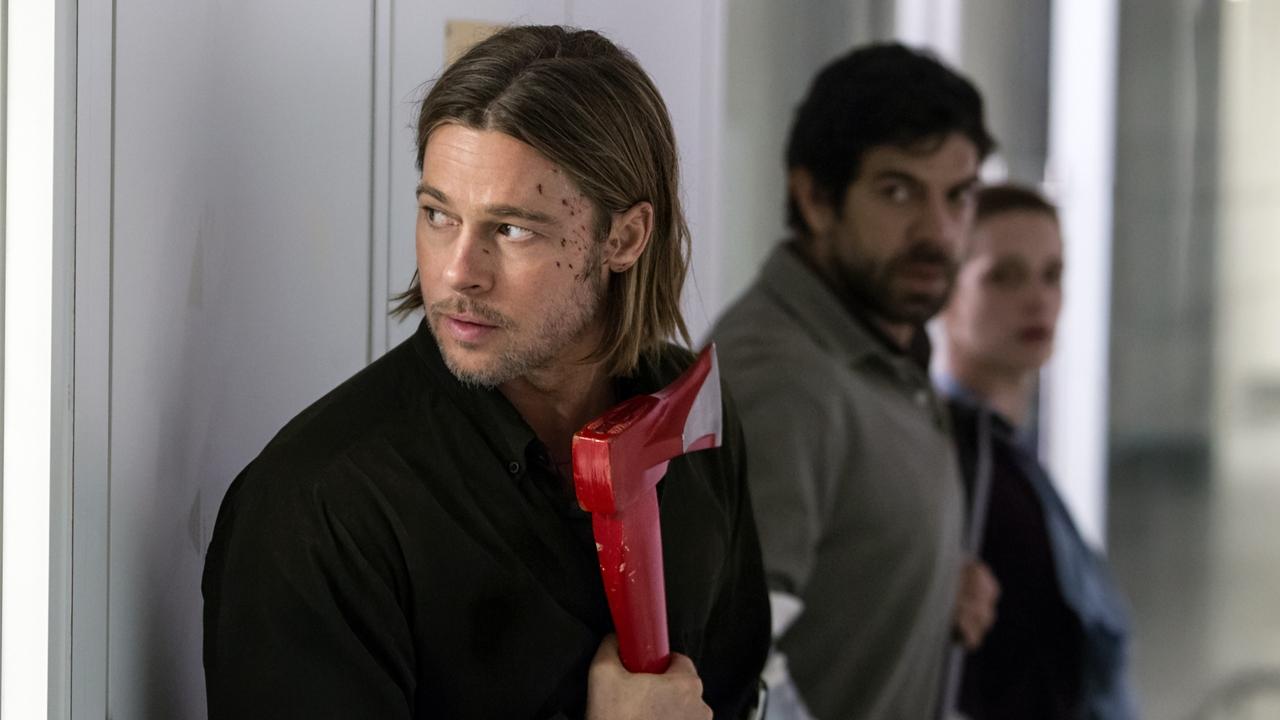
In retrospect, World War Z shouldn't work as well as it does. It’s a Frankenstein’s monster of a script, held together by Brad Pitt’s effortless charisma and a score by Marco Beltrami that sounds like a panic attack. It doesn't have the soul of Max Brooks’ book, but it has the pulse of a world-class thriller. It’s a reminder that sometimes, the "movie star" era of the 2000s could still deliver a massive, expensive spectacle that felt genuinely dangerous.
I found myself oddly comforted by the ending this time around. It doesn't promise a cure or a happy ending; it just promises a chance to fight. It’s a "Modern Cinema" blockbuster that actually respects the audience's intelligence enough to know that a clicking jaw in a quiet hallway is often scarier than a thousand explosions. If you can separate it from the book, you’ll find one of the most rewatchable disaster movies of the last twenty years. Just make sure your popcorn isn't as burnt as mine was.
Keep Exploring...
-
Pandorum
2009
-
Quantum of Solace
2008
-
Carriers
2009
-
Surrogates
2009
-
Terminator Salvation
2009
-
The Book of Eli
2010
-
I Am Number Four
2011
-

Battleship
2012
-
Total Recall
2012
-
Elysium
2013
-
Cowboys & Aliens
2011
-
Cloverfield
2008
-
Death Race
2008
-
9
2009
-
Machine Gun Preacher
2011
-
Looper
2012
-
Lake Placid
1999
-
Star Trek Into Darkness
2013
-
Alien Resurrection
1997
-

Starship Troopers
1997