3 Days to Kill
"Killing is easy. Parenting is a terminal illness."

If you walked into a theater in 2014 expecting a somber, gritty thriller in the vein of The Fugitive, the first ten minutes of 3 Days to Kill probably felt like a localized fever dream. Kevin Costner stands in the middle of a Parisian street, coughing up blood, wearing a scarf with the kind of rugged elegance only a man who survived Waterworld can muster. He’s Ethan Renner, a legendary CIA hitman who just discovered he has terminal brain cancer and a daughter who doesn't know him. It sounds like the setup for a weepie or a hardcore revenge flick, but because this is a Luc Besson production directed by McG, it chooses a secret third option: a chaotic, tonally schizophrenic action-comedy that is far more charming than it has any right to be.

I watched this recently on a rainy Tuesday while nursing a slightly stale bag of salt-and-vinegar chips, and I realized that we don't really make "middle-budget weirdness" like this anymore. In the current landscape of billion-dollar franchises or micro-budget indies, 3 Days to Kill feels like a relic of a time when you could give a director $28 million to make a movie where a man tortures an informant for a spaghetti sauce recipe in between buying his teenage daughter a purple bicycle.
The Scarf, The Secret, and The Suburbs
At its core, the film is a collision of two very different cinematic worlds. On one side, you have the "Euro-trash" action aesthetic that Luc Besson perfected with Taken. It’s all sleek cars, shadowy European alleys, and efficient, brutal violence. On the other side, you have McG, the man who gave us the hyper-saturated, music-video energy of Charlie’s Angels. When these two sensibilities meet, the result is a film that frequently forgets what genre it’s supposed to be in, and honestly, that’s why it works for me.
Kevin Costner is the anchor here. By 2014, he had fully transitioned into his "Old Lion" phase, and he plays Renner with a weary, gravelly sincerity. He’s not a superhero; he’s a tired dad who happens to be very good at shooting people. The plot kicks in when a mysterious, high-fashion handler named Vivi—played by Amber Heard with the stylized intensity of a comic book villain—offers him an experimental drug that could save his life. The catch? He has to take down "The Wolf" and "The Albino." The complication? The drug causes hallucinogenic blackouts that can only be neutralized by drinking vodka. It’s absurd, it’s unnecessary, and it leads to some of the film's funniest moments.
A Masterclass in Tonal Whiplash
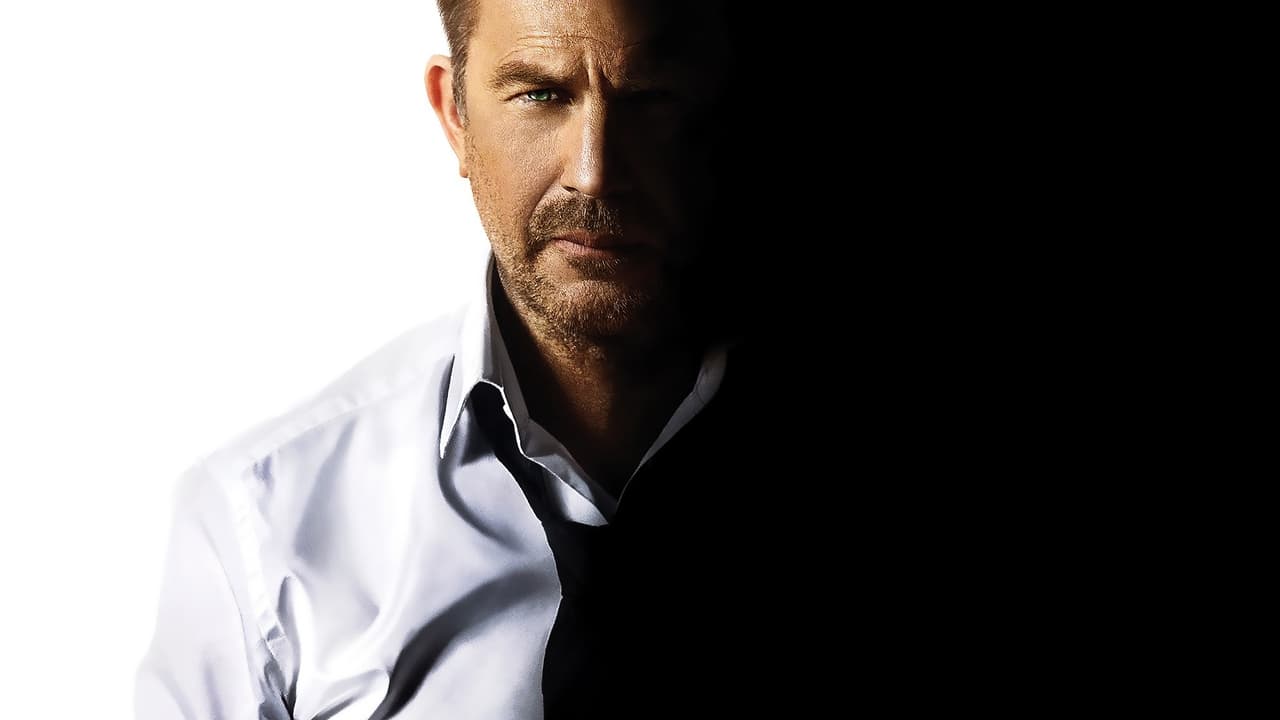
The action sequences are handled with McG's signature flair—lots of high-contrast colors and clear, geography-focused choreography. There’s a car chase through the streets of Paris involving a Peugeot that feels like a spiritual successor to the stunts in Ronin, but with more shattered glass and fewer calories. However, the film is at its most "cult" when it leans into the domestic absurdity.
One moment, Renner is beating a man to a pulp; the next, his daughter, played by a young and already excellent Hailee Steinfeld, is calling him because she doesn't know how to handle her hair for a party. The way Renner balances these two lives is played for genuine heart rather than just gags. Steinfeld and Costner have a chemistry that feels lived-in and prickly, grounding the cartoonish spy antics in a recognizable father-daughter dynamic. The movie treats international terrorism as a secondary annoyance to a teenager’s prom anxiety, and looking back, that’s a hilariously 2010s subversion of the "Gunslinger" trope.
The Weird Details You Can't Ignore
Part of what makes this a cult curiosity is the sheer amount of "Besson-isms" sprinkled throughout. Why does a family of squatters move into Renner’s Paris apartment? Why is there an obsession with a purple bicycle? Why does Amber Heard change her wig in every single scene? These aren't mistakes; they’re features of a specific kind of European action cinema that values "cool" and "quirky" over narrative logic.

Here are a few bits of trivia that explain the film's strange DNA:
The film was shot almost entirely on location in Paris and Serbia, giving it a texture that CGI-heavy modern blockbusters lack. The "Vivi" character played by Amber Heard was originally written to be much more grounded, but McG encouraged her to play it like a "supernatural entity" who exists outside the reality of the rest of the film. The experimental "cure" Renner takes is never actually explained—it’s a classic MacGuffin that exists purely to give the action scenes a literal ticking clock. Kevin Costner actually performed many of his own driving stunts, bringing a level of grit to the Peugeot chases that felt reminiscent of his 90s prime.
Ultimately, 3 Days to Kill is a movie that shouldn't work. It’s too sentimental for the action crowd and too violent for the family-drama crowd. But in that messy middle ground, it finds a personality that most modern thrillers lack. It’s a film about a man realizing that his "legendary" career was actually a distraction from the only thing that mattered, told through the lens of car crashes and vodka shots.
It’s the perfect "I’m staying in on a Friday night" movie. It doesn't demand your total intellectual surrender, but it rewards you with great performances from Costner and Steinfeld, and some genuinely inspired visual choices from McG. It’s weird, it’s colorful, and it’s surprisingly sweet. If you can handle the tonal whiplash, it’s a trip to Paris well worth taking.


Keep Exploring...
-
Colombiana
2011
-
Terminator Salvation
2009
-
Faster
2010
-
Contraband
2012
-
The Grey
2012
-

Oldboy
2013
-
Snitch
2013
-
Green Zone
2010
-
Elysium
2013
-
Gangster Squad
2013
-

White House Down
2013
-
Jack Ryan: Shadow Recruit
2014
-

Cellular
2004
-
This Means War
2012
-
Dante's Peak
1997
-

Enemy of the State
1998
-

The Negotiator
1998
-
The 6th Day
2000
-

Poseidon
2006
-

The Fast and the Furious: Tokyo Drift
2006