300: Rise of an Empire
"More blood, more ships, more Eva Green."
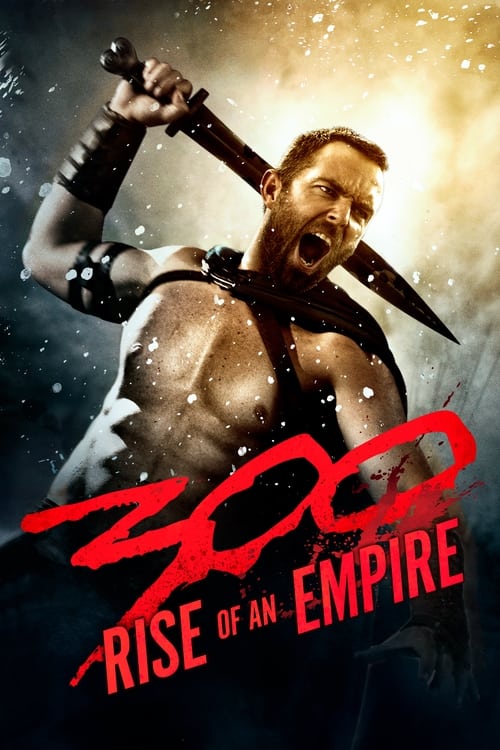
I vividly remember trying to tackle the "300 workout" in my garage back in 2014, inspired by the promotional cycle for this movie. I lasted exactly fourteen minutes before I decided that my destiny involved less "fighting for glory" and more "ordering a large pepperoni pizza." I watched 300: Rise of an Empire that same evening, nursing a pulled hamstring and a slice of greasy comfort, and realized that this film—much like my gym attempt—is a high-gloss, slightly over-ambitious effort to recapture a very specific kind of lightning in a bottle.
The Art of the Parallel-Quel
Following up Zack Snyder’s original 300 (2006) was always going to be a weird task. How do you make a sequel to a movie where every single protagonist ends up as a pincushion? The answer provided by director Noam Murro and screenwriter Zack Snyder (who stayed on to produce and write) was the "side-quel." It’s a narrative structure that was becoming popular in the early 2010s—think The Bourne Legacy (2012)—where the events of the new film happen before, during, and after the original.
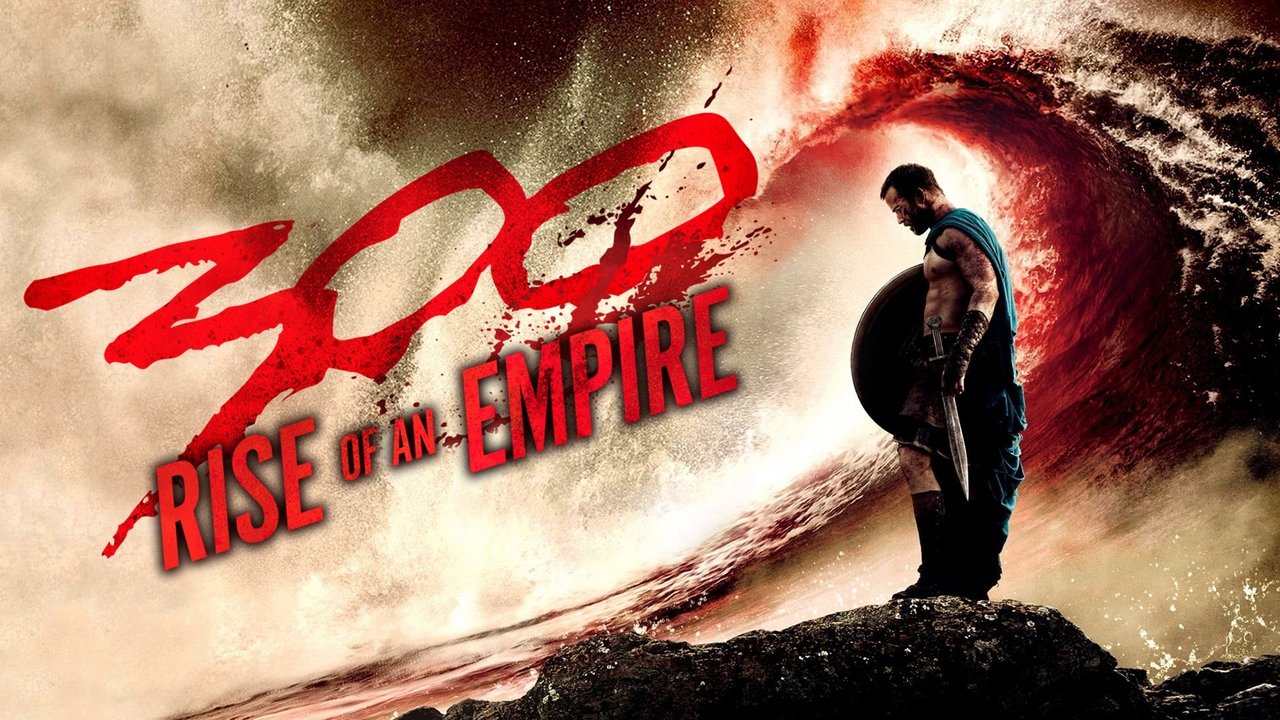
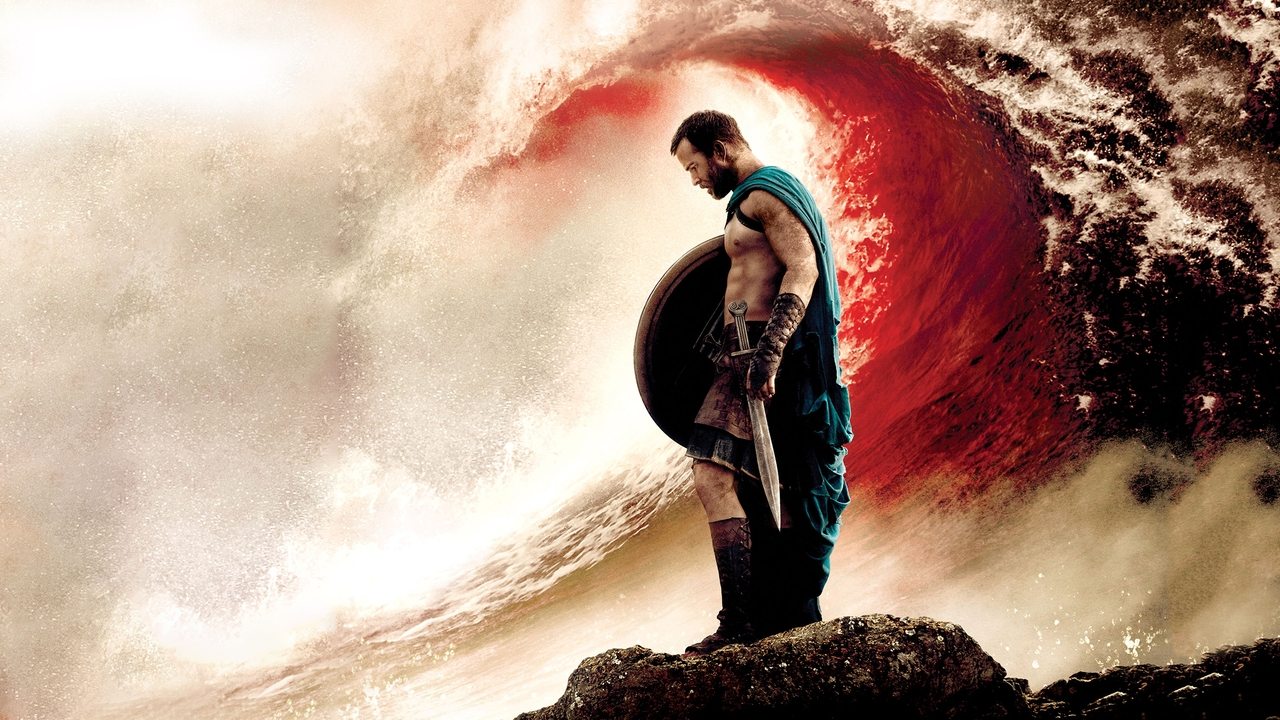
It’s a clever trick. While King Leonidas is shouting at a hole in the ground in Sparta, we follow the Athenian general Themistocles, played by Sullivan Stapleton (Strike Back, Animal Kingdom), as he tries to unite a fractured Greece against the Persian navy. Themistocles is a different beast than Leonidas; he’s a politician and a strategist, though he still spends roughly 80% of his screen time shirtless and glistening with sweat. Looking back at this era of cinema, you can see the "Snyder Aesthetic"—that high-contrast, speed-ramped, desaturated look—becoming a full-blown genre of its own. It’s the cinematic equivalent of a heavy metal album cover that’s been splashed with three gallons of digital pomegranate juice.
The Hurricane Named Artemisia
If we’re being honest, the real reason anyone still talks about Rise of an Empire is Eva Green. She plays Artemisia, the vengeful commander of the Persian navy, and she doesn't just chew the scenery—she swallows it whole and asks for a second helping. Green is a force of nature here, bringing a level of gothic, wide-eyed intensity that the rest of the movie struggles to match. Sullivan Stapleton is a perfectly fine lead, but he’s essentially playing a "rational" hero in a movie that is fundamentally a fever dream about abs and boat crashes.
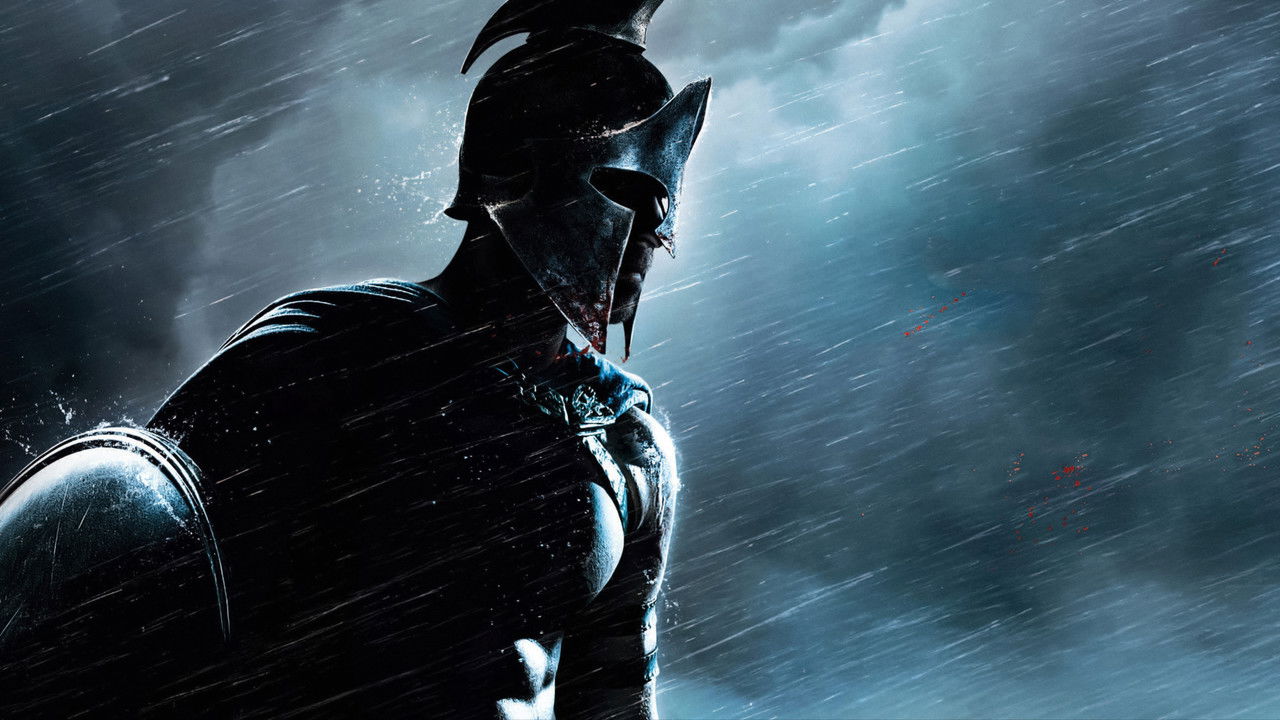
The chemistry between the two leads culminates in a "negotiation" scene that is easily the most unintentionally hilarious bit of action choreography I’ve seen in a decade. It’s an aggressive, furniture-destroying tryst that feels like it belongs in a different movie entirely, yet somehow fits the over-the-top ethos of the 300 brand. Eva Green reportedly spent weeks training with swords to the point where she was outperforming the stunt team, and it shows. Her movements are sharp, jagged, and genuinely threatening. While Rodrigo Santoro returns as the "God-King" Xerxes, his role is surprisingly diminished, serving mostly as a gold-plated mascot for Artemisia’s wrath.
Ships, Shards, and Studio Magic
Technologically, the film represents the peak of the "Green Room" era. While the first film was shot mostly on stages in Montreal, Rise of an Empire moved production to a massive studio complex in Bulgaria. It’s fascinating to realize that for a movie dominated by naval warfare, not a single drop of real water was used for the ships. Every splashing wave and sinking trireme was rendered in post-production. It’s a testament to the digital evolution of the early 2010s; the effects allow for camera angles that would be physically impossible on a real ocean, like a horse jumping from one burning deck to another in slow motion.
The sound design, bolstered by a pounding score from Tom Holkenborg (aka Junkie XL, who also scored Mad Max: Fury Road), turns every sword clink into a thunderclap. It’s an assault on the senses. Looking back, this was a time when Hollywood was obsessed with the "R-rated blockbuster" again, trying to see how much digital gore they could pack into 102 minutes. It’s a very specific vibe: the action feels like a particularly violent desktop wallpaper come to life.
Production Secrets & Box Office Glory
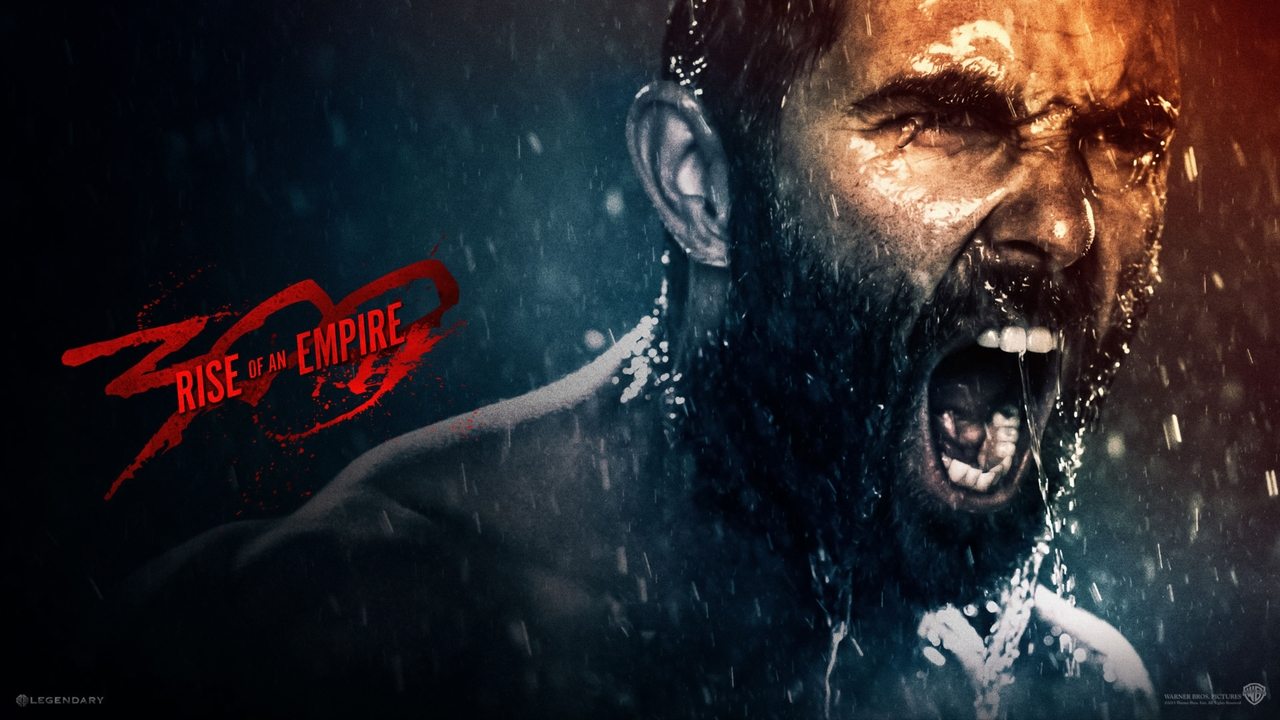
- Dry Land Sailing: As mentioned, the naval battles were filmed entirely in a dry studio. To help the actors get their "sea legs," the crew built gimbal-mounted ship decks that could tilt and shake, though the "water" was all added by VFX teams later. - The Missing King: Gerard Butler was offered the chance to return for a cameo as Leonidas, but he ultimately declined, stating that it "wasn't his thing" anymore. This left Lena Headey (Game of Thrones) to carry the Spartan torch as Queen Gorgo, providing the film's emotional (and narratively convenient) bookends. - The Eva Factor: Eva Green was so committed to the role that she reportedly went through three different stunt doubles because she kept wearing them out during the sword-fighting rehearsals. - Box Office Punch: Despite mixed reviews, the film was a massive hit, raking in $337,580,051 worldwide. It proved that the 300 brand was strong enough to survive without its original star, largely thanks to the international appetite for stylized spectacle. - Historical Accuracy (Or Lack Thereof): The real Artemisia was indeed a naval commander, but the film's depiction of her as a sword-swinging assassin is pure Hollywood fantasy. The real Themistocles also didn't spend quite this much time in the gym.
Ultimately, 300: Rise of an Empire is a loud, gorgeous, and slightly hollow spectacle that succeeds whenever Eva Green is on screen and wobbles whenever it tries to be a serious war drama. It captures that 2014 transition point where CGI was becoming so proficient that directors could literally paint on the screen, creating a world that looks more like a comic book than a historical record. It’s not the genre-defining moment the first film was, but as a piece of pure, unadulterated popcorn cinema, it’s a fun way to spend 100 minutes—especially if you enjoy watching ships explode in slow-motion gold and crimson. Just don't expect it to inspire you to finish that garage workout.
Keep Exploring...
-
300
2007
-
Green Zone
2010
-
The Monuments Men
2014
-

Fury
2014
-
Fast & Furious
2009
-

Immortals
2011
-
Jack Reacher
2012
-
Godzilla
2014
-
Need for Speed
2014
-
Tears of the Sun
2003
-

Alexander
2004
-
King Arthur
2004
-
Lone Survivor
2013
-

How I Live Now
2013
-
'71
2014
-
The Last Samurai
2003
-

Dear John
2010
-

The Karate Kid
2010
-
Act of Valor
2012
-
The Messenger: The Story of Joan of Arc
1999