'71
"Behind enemy lines is just a wrong turn away."
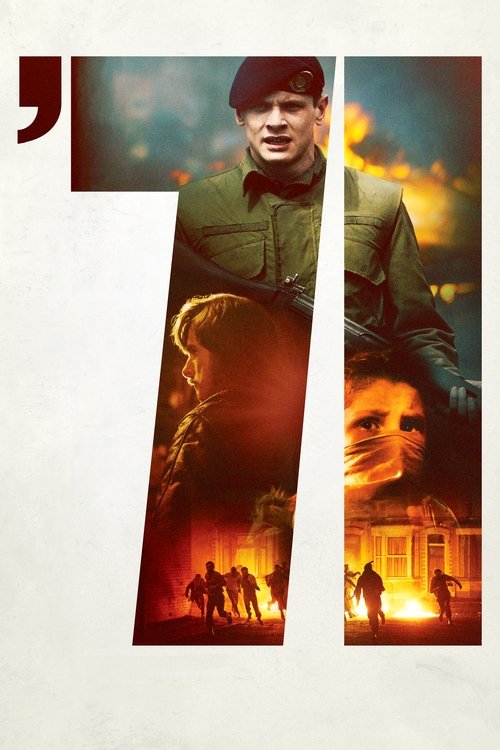
I first watched '71 on a slightly cracked laptop screen while sitting in a drafty train station, and honestly, the flickering fluorescent lights and the cold wind whistling through the platform only made the experience better. It’s a movie that thrives on discomfort. It doesn’t just show you a bad situation; it traps you in one until you’re checking your own pulse.
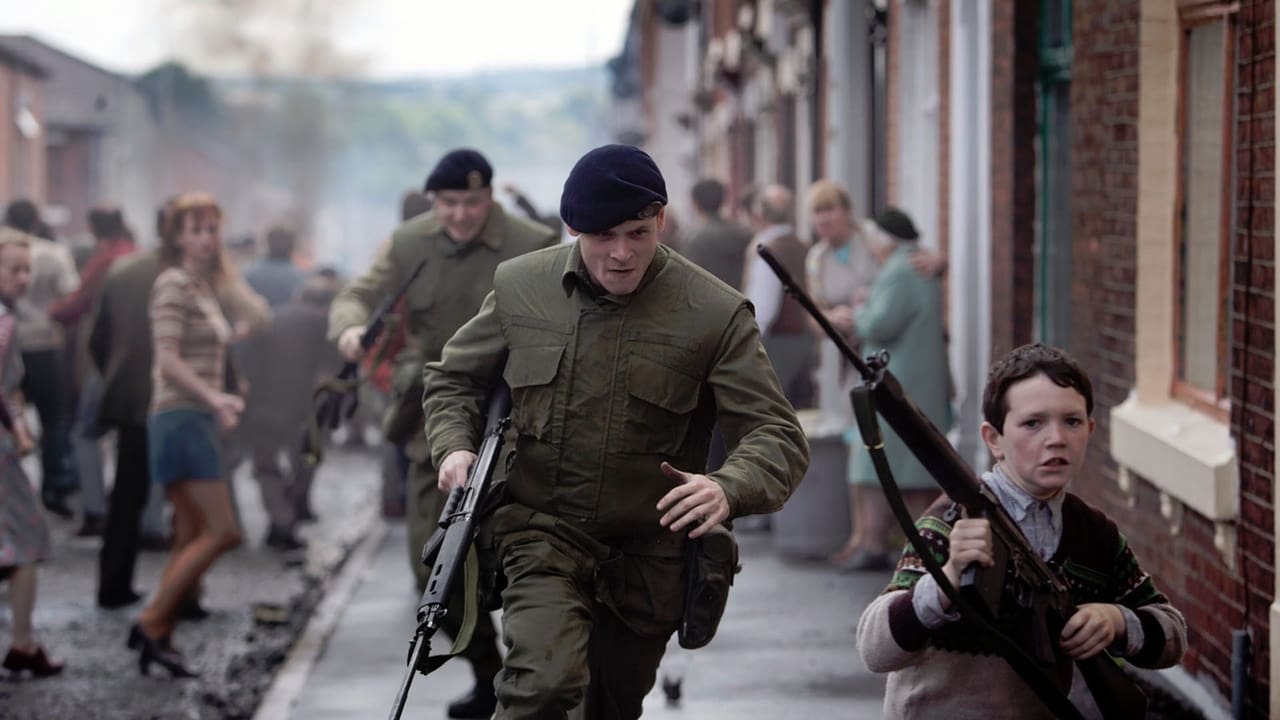
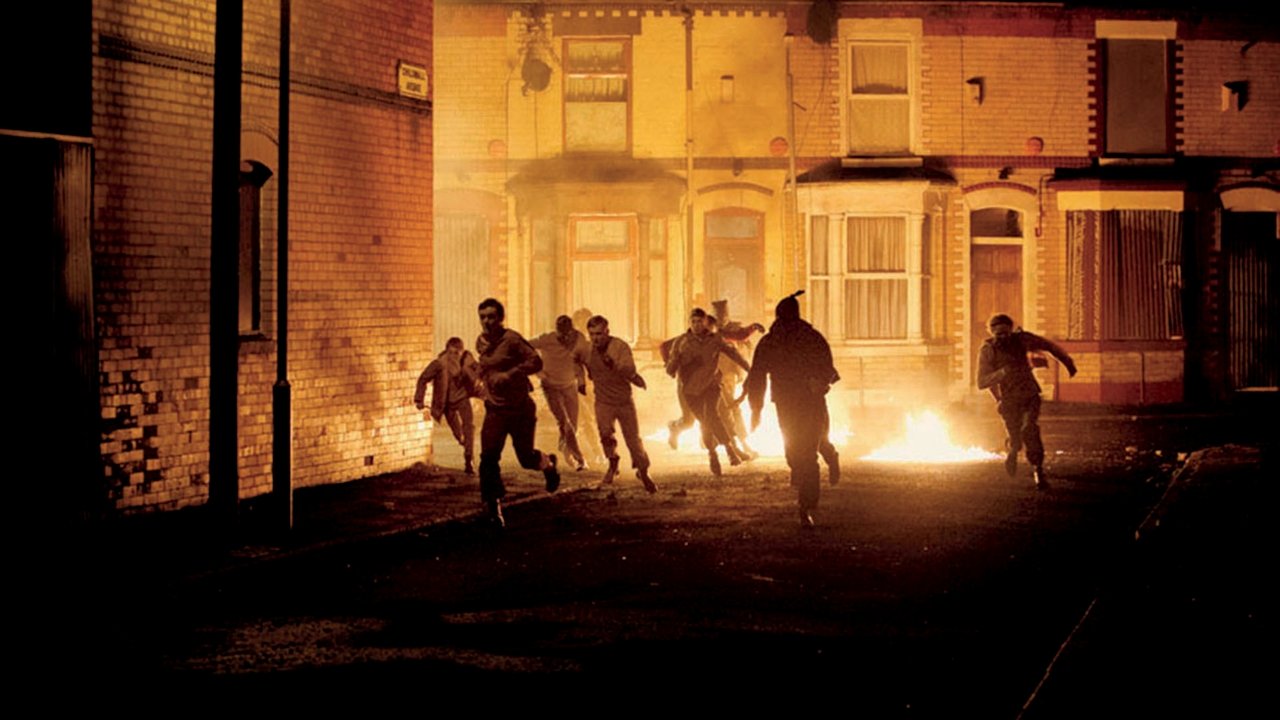
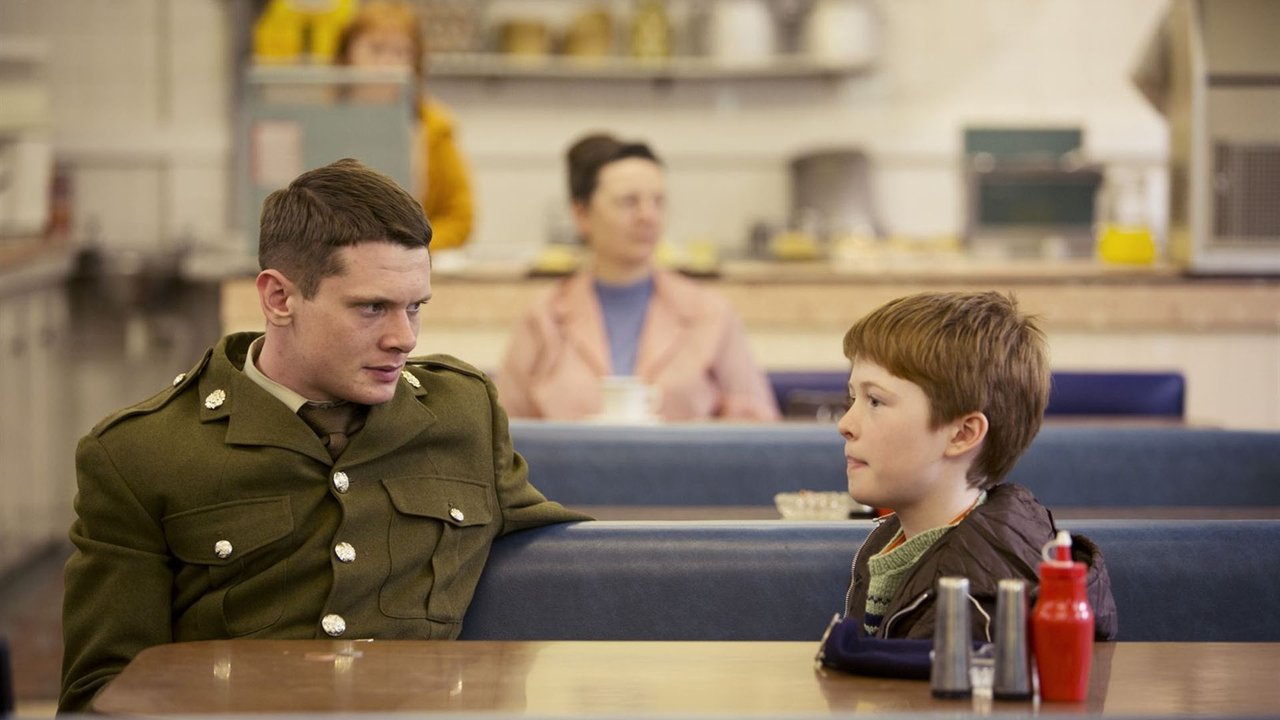
The film starts with the kind of deceptive calm that always precedes a storm in military movies. Gary Hook, played with a quiet, terrified intensity by Jack O'Connell (Skins, Unbroken), is a young British soldier who thinks he’s being deployed to Germany. Instead, he’s sent to Belfast at the height of The Troubles. It’s 1971, and the city is a jigsaw puzzle of "us" and "them" where the lines shift every time a brick is thrown. When a routine patrol goes south—and I mean "full-scale riot within seconds" south—Hook is separated from his unit and left behind in a neighborhood that views his uniform as a death sentence.
The Anatomy of a Nightmare
The action in '71 isn't about heroic gunfights or slow-motion explosions. It’s about the sheer, frantic messiness of violence. Director Yann Demange (who later did Top Boy) and cinematographer Tat Radcliffe shoot the central riot sequence with a handheld urgency that made my stomach do backflips. You don’t just see the chaos; you feel the disorientation. When Hook is running through back alleys, the camera is right on his shoulder, turning the brick-and-mortar streets into a concrete maze designed by a sadist.
What’s truly impressive is how the film handles its "action." There’s a specific sequence involving a foot chase through darkened housing estates that is more effective than any $200 million blockbuster chase I’ve seen in a decade. There’s no music driving the tension—just the sound of heavy boots on pavement, the ragged breathing of a hunted man, and the distant, muffled shouts of people who want him dead. It’s a masterclass in how to use sound design to create a sense of total isolation. The metallic tink of a dropped shell casing or the heavy thud of a closing door feels like a jump scare.
Faces in the Fog
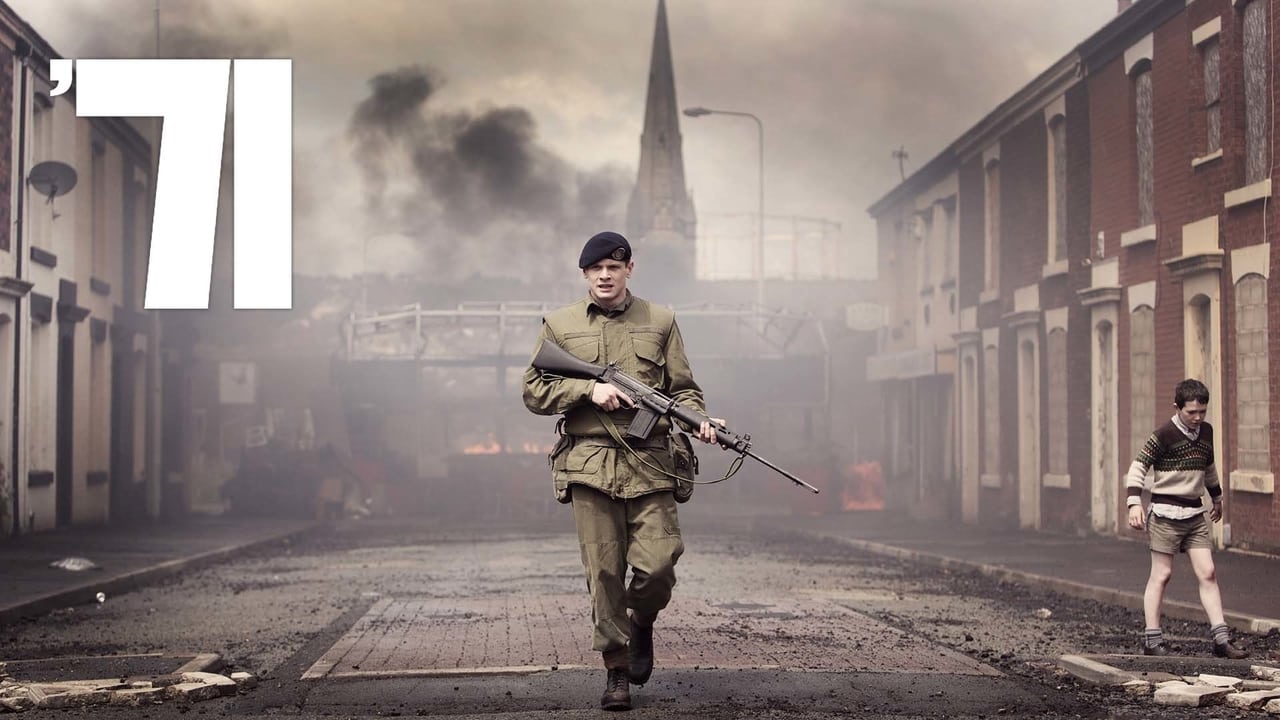
Jack O'Connell is the heart of the film, and he does most of his best work with his eyes. He spends a large portion of the runtime bleeding or hiding, but he never feels like a generic action hero. He’s a kid who is profoundly out of his depth. This was right around the time O'Connell was being positioned as the "next big thing," and watching him here, you can see why. He has this raw, unpolished energy that makes you genuinely unsure if he's going to make it to the credits.
The supporting cast is a "who’s who" of "that guy" actors. Sean Harris (Mission: Impossible - Fallout) shows up as a shadowy undercover officer with a moral compass that clearly broke years ago. He has a way of whispering his lines that makes him feel five times more dangerous than the guys carrying rifles. And then there’s a very young Barry Keoghan (The Banshees of Inisherin). Even back in 2014, long before he was an Oscar nominee, he had that unsettling, unpredictable screen presence. Here, he plays a young IRA recruit who is just as scared and volatile as the soldier he’s hunting. It’s the most terrifying game of hide-and-seek ever recorded, mostly because neither side really knows the rules anymore.
Why This One Slipped Through the Cracks
Despite rave reviews at festivals, '71 never really caught fire at the box office. It’s a tough sell: a gritty, historical survival thriller set in a conflict that many people would rather forget. It was also released during that 2014-2015 window where mid-budget adult dramas were starting to get squeezed out by the burgeoning MCU dominance. It’s a "Modern Cinema" relic in that way—a film shot mostly on location with practical effects and real sweat, released just before everything became a green-screen blur.
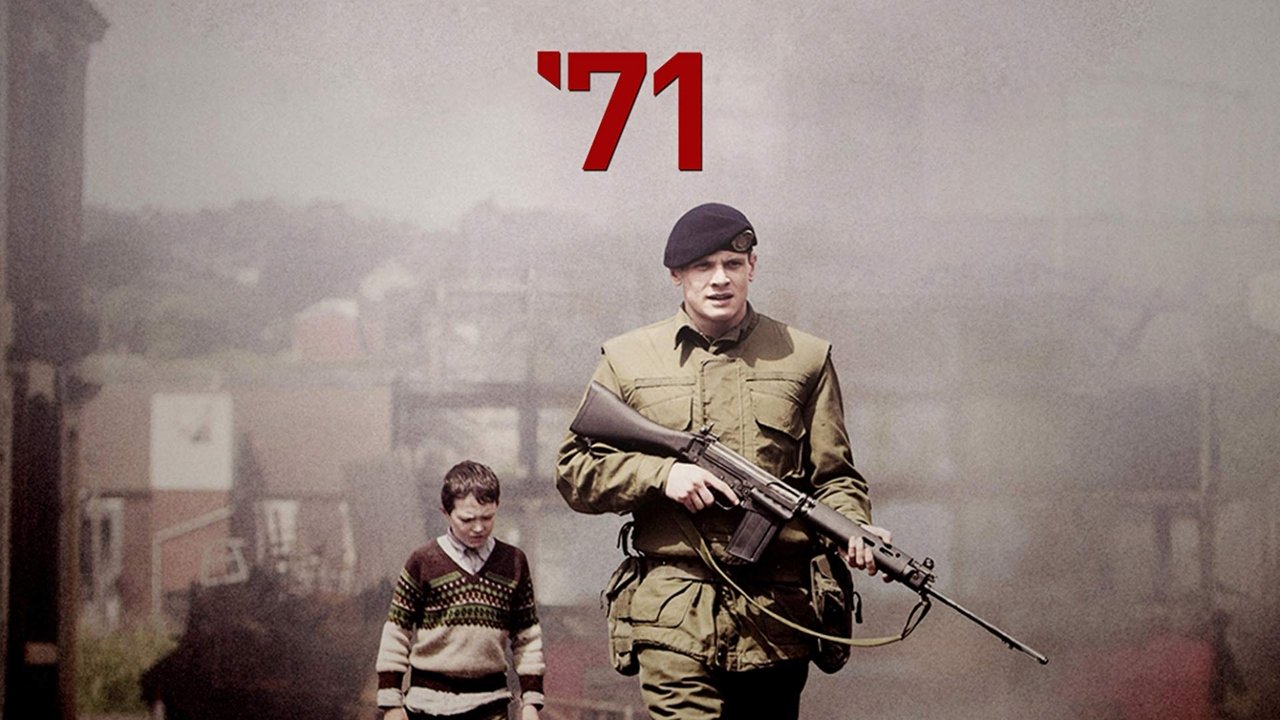
Interestingly, they didn't even film this in Belfast. Because modern Belfast has been largely rebuilt and looks quite shiny, they had to film in Sheffield and Blackburn to find the right level of 1970s atmospheric decay. Looking back, that choice was brilliant. The setting feels like a character itself—a damp, grey purgatory where the walls are covered in threatening graffiti and the shadows are deep enough to swallow a man whole.
The film avoids the "Post-9/11" war movie tropes of clear-cut heroes and villains. Instead, it’s a cynical look at how the people in charge (represented by Paul Anderson and Sam Reid) are often just as dangerous as the "enemy." It’s a movie about the middle-management of war, where the guy on the ground is just a loose end that needs to be tied up.
If you missed this one because it looked too "educational" or "political," I’m telling you to ignore those labels. At its core, '71 is a high-octane survival horror film that just happens to be wearing a historical jacket. It’s lean, mean, and doesn’t waste a single second of its 99-minute runtime. You might need a warm blanket and a lighthearted sitcom afterward to shake off the chill, but the adrenaline rush is absolutely worth the shivers.
Keep Exploring...
-

How I Live Now
2013
-
Behind Enemy Lines
2001
-
Harry Brown
2009
-
Crimson Tide
1995
-
Green Zone
2010
-
Cell 211
2009
-
Takers
2010
-
Act of Valor
2012
-

Get the Gringo
2012
-
Dead Man Down
2013
-
Carriers
2009
-
Batman: Year One
2011
-

Double Impact
1991
-

Hackers
1995
-
The Quick and the Dead
1995
-
Courage Under Fire
1996
-
Breakdown
1997
-
Infernal Affairs
2002
-
The Count of Monte Cristo
2002
-
Walking Tall
2004