American Sniper
"The heaviest weight is the one you carry home."
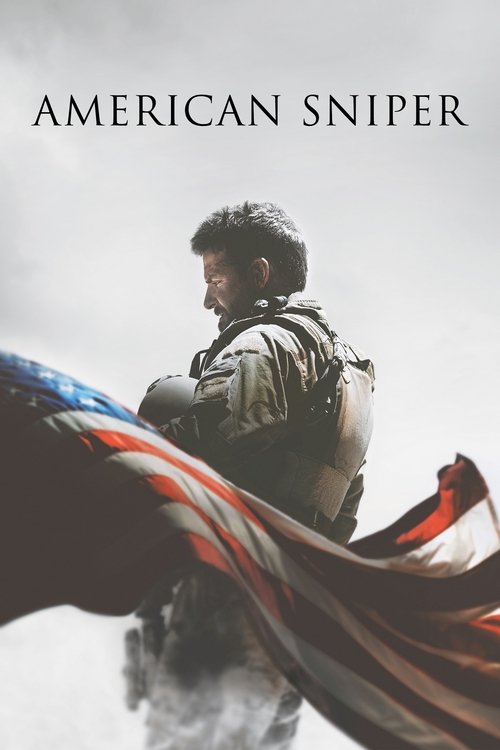
I remember watching American Sniper for the first time on a flight back from Chicago, squeezed into a middle seat next to a guy who was intensely practicing card tricks on his tray table. Even with the flickering screen and the constant shuffling of a deck of cards next to me, the film managed to pull me into a state of total, uncomfortable silence. It’s a movie that demands that kind of focus, even if your environment is doing everything to fight it.
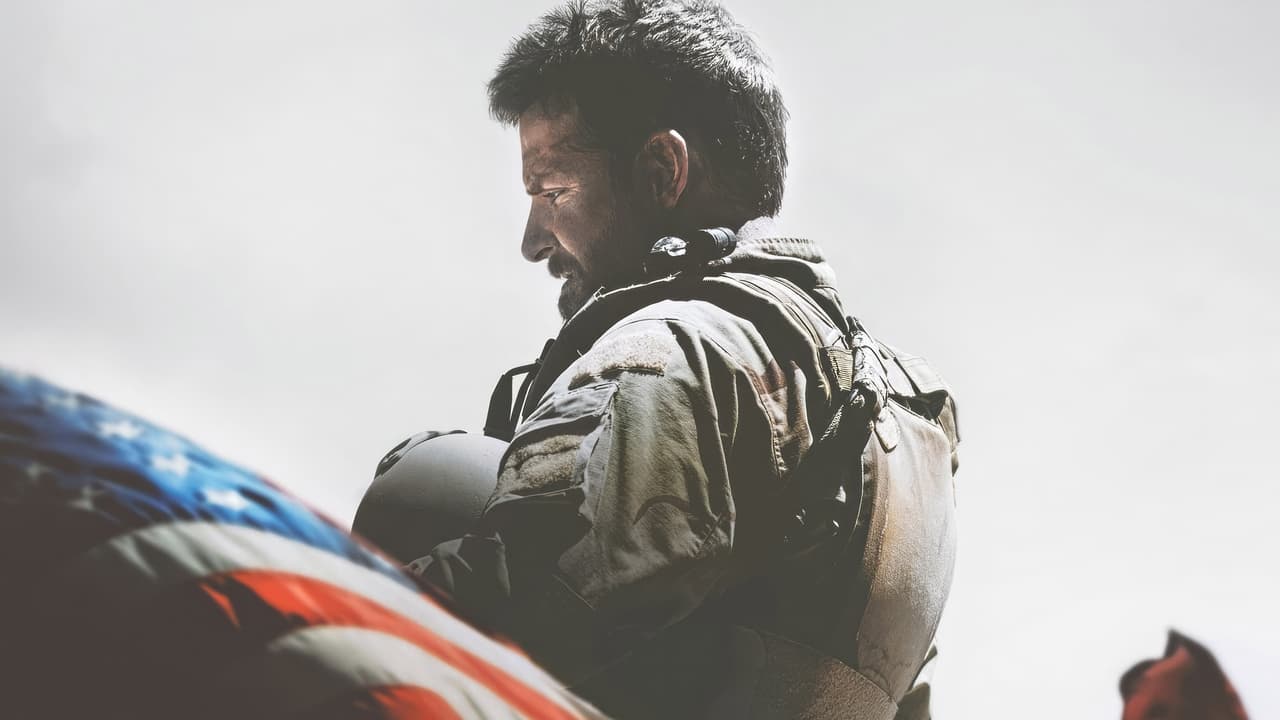
Coming out in 2014, right at the tail end of what we consider "modern cinema," Clint Eastwood’s (who also gave us Unforgiven and Million Dollar Baby) take on the Iraq War felt like the final word on a specific brand of American heroism. It arrived during a time when the film industry was pivoting hard toward the Marvel Cinematic Universe—Guardians of the Galaxy was the big hit that same year—yet this R-rated, somber war drama managed to outgross almost everything. It was a genuine cultural phenomenon that had people talking at the watercooler and arguing on news segments for months.
The Man in the Crosshairs
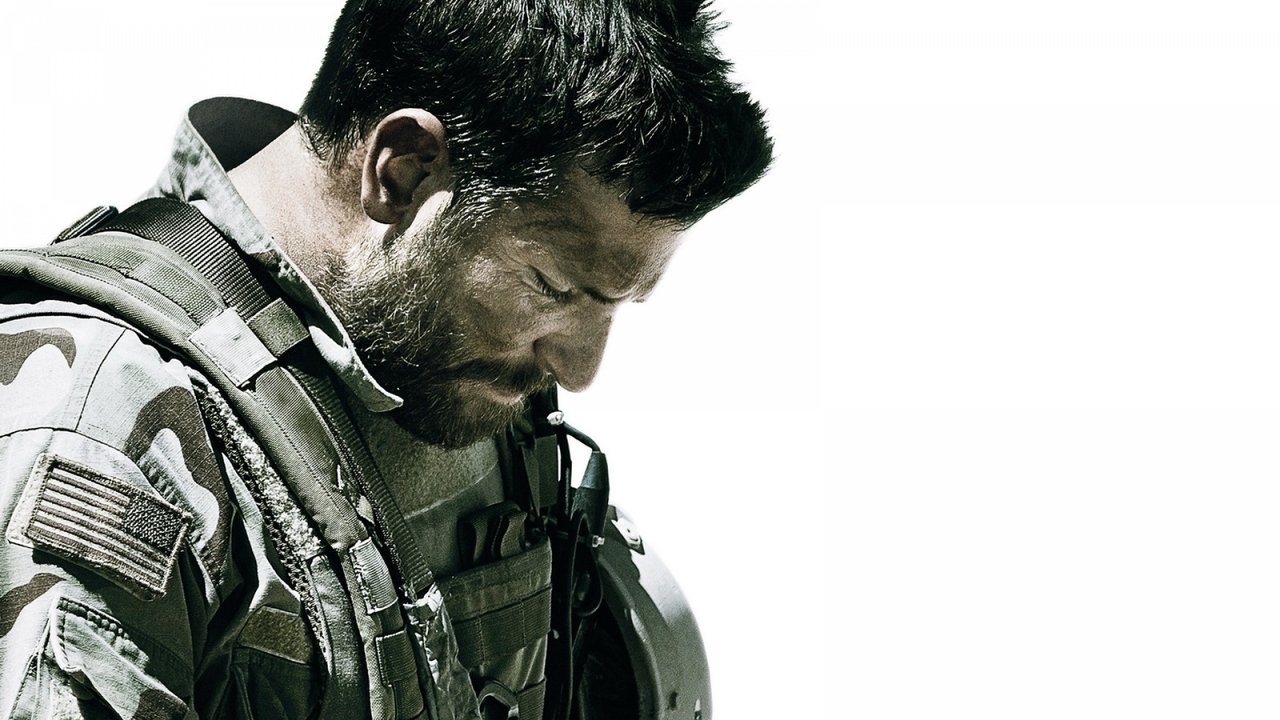
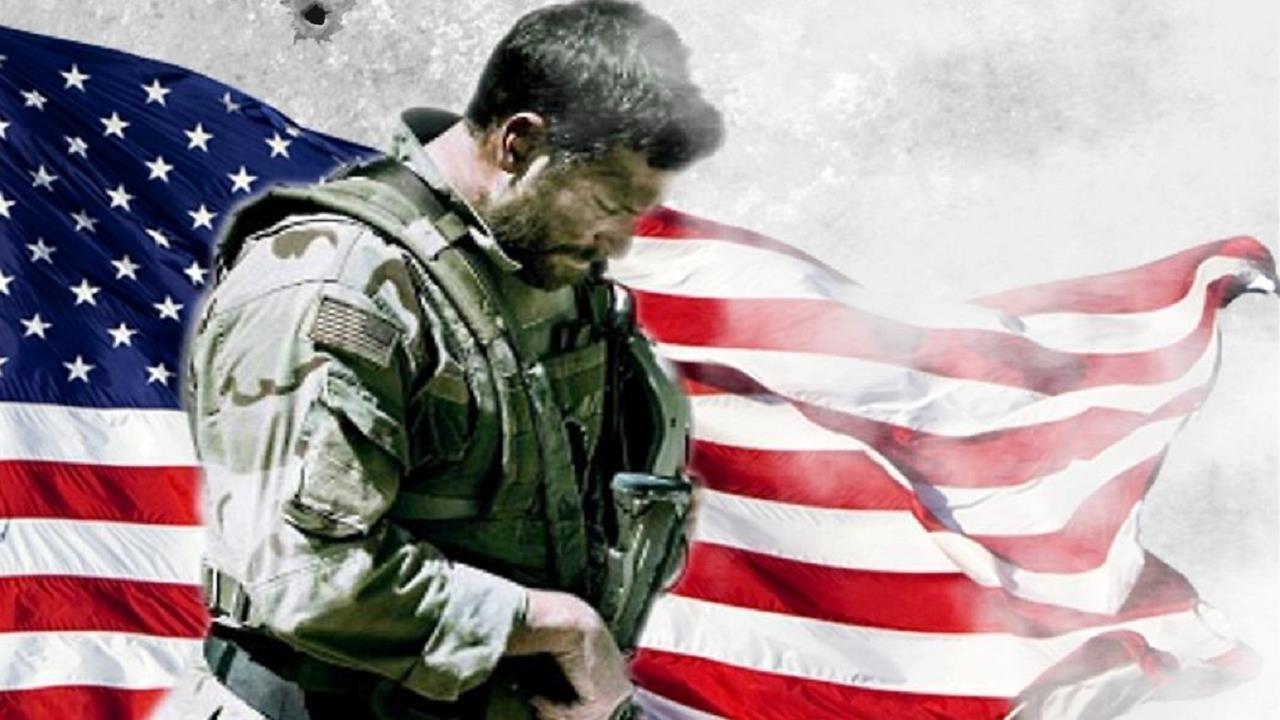
The first thing that struck me—and likely anyone who knew Bradley Cooper primarily as the smug guy from The Hangover (2009)—was the transformation. Cooper didn’t just grow a beard and hit the gym; he fundamentally changed his center of gravity. He’s bulky, slow-moving, and carries a quiet intensity that feels miles away from his previous roles. Playing Chris Kyle, the most lethal sniper in U.S. history, he has to communicate almost everything through his eyes while staring through a scope.
The film follows Kyle through four tours of duty in Iraq, but it’s the back-and-forth between the sand-choked streets of Fallujah and the pristine, alien-feeling suburbs of Texas that provides the real friction. Sienna Miller (Layer Cake, Foxcatcher) puts in some of her best work as Taya, Kyle’s wife. In most action movies, the "wife at home" role is a thankless series of phone calls where she cries and asks when he’s coming back. Here, Miller makes the emotional toll feel tangible. You can see her watching her husband slowly evaporate, even when he’s standing right in the kitchen.
Precision and Practicality
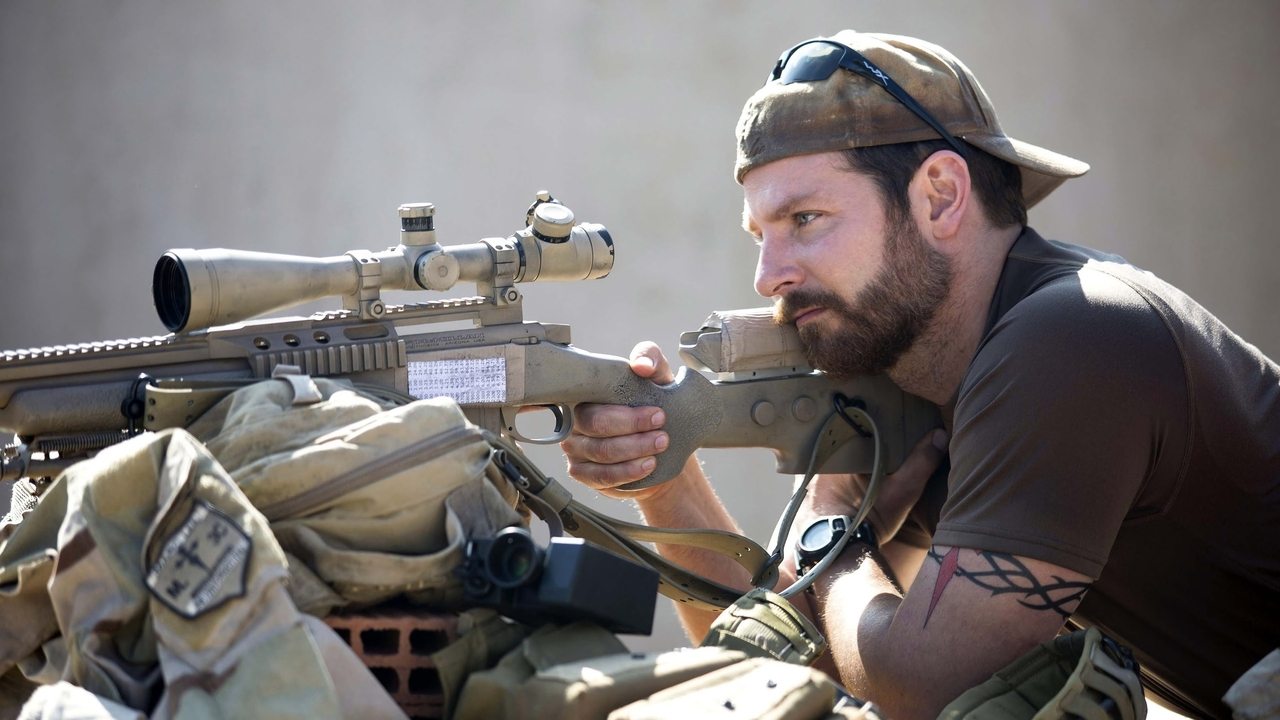
Eastwood has always been a "two-take" kind of director, preferring speed and instinct over fussiness, and that style suits the action choreography here perfectly. This isn't the hyper-stylized "gun-fu" we were starting to see in movies like John Wick (also 2014). Instead, the shootouts are chaotic, dusty, and terrifyingly sudden. The sound design is the secret weapon; the crack of Kyle's .338 Lapua Magnum is bone-shaking, cutting through the low hum of desert wind.
One of the most impressive sequences involves a massive dust storm toward the end of the film. It’s a masterclass in tension where visibility drops to zero, and the practical effects—the grit you can practically feel in your own teeth—make the CGI elements of the era look flimsy by comparison. It’s an action set piece that doesn't feel like a "cool movie moment," but rather a desperate, suffocating struggle for survival.
The behind-the-scenes reality of the film is just as intense. Bradley Cooper reportedly ate 6,000 calories a day and trained with real SEALs to ensure his rifle handling was second nature. Apparently, the production had to move fast; the real Chris Kyle was tragically killed while the script was still being finalized by Jason Hall, which shifted the entire project from a standard biopic into something much more eulogistic and somber.
A Complicated Legacy
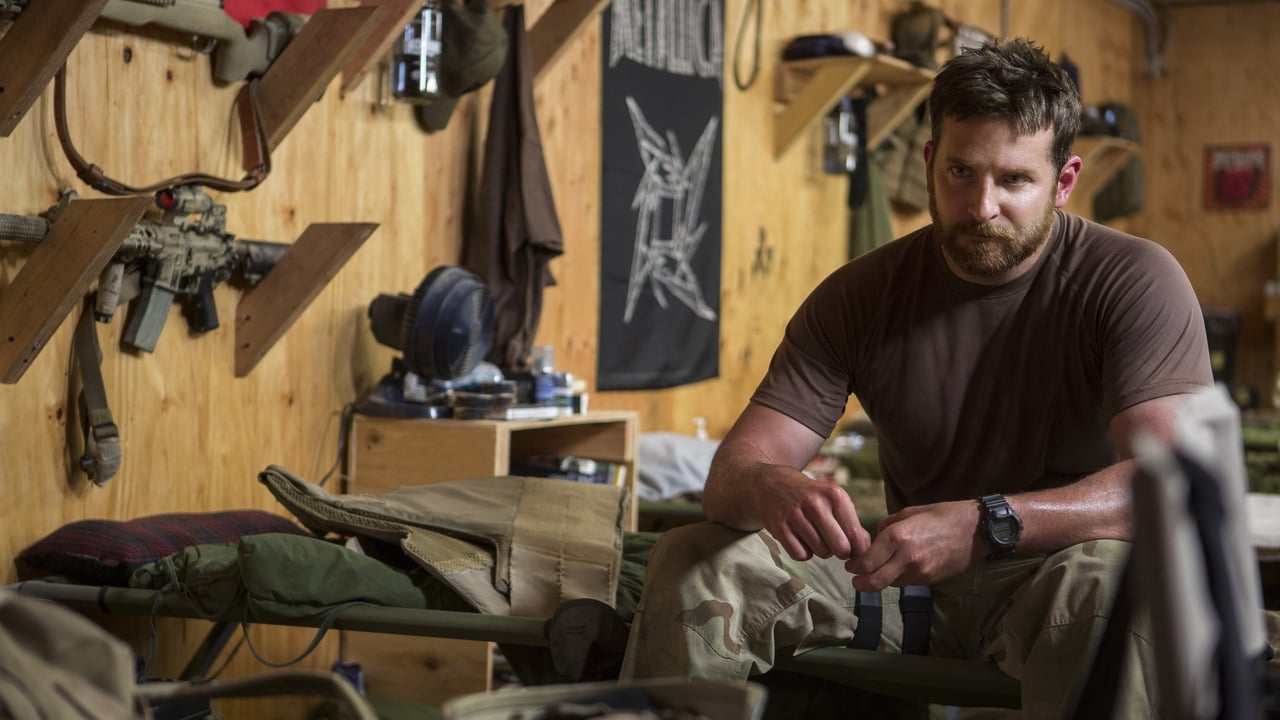
Looking back, American Sniper sits in a fascinating spot in cinema history. It’s a massive blockbuster that refuses to be "fun." It’s also famous for one of the most glaringly weird production choices of the decade: the "fake baby." If you’ve seen it, you know the one—a clearly plastic doll that Cooper has to hold in a domestic scene. While it’s been mocked for years, I’ve always felt that the fake baby is actually a stroke of accidental genius because it makes the home life feel as plastic and alien as Chris Kyle feels in it. It highlights that he’s physically there, but completely disconnected from the reality of fatherhood.
The film grossed over $542 million, an astronomical number for a war movie. It tapped into a post-9/11 collective consciousness that was still trying to process what those years of combat had actually accomplished. It doesn't offer easy answers or a flag-waving "victory" ending. Instead, it ends on a note of tragic irony that left my theater (and my flight to Chicago) in total silence.
What holds up best about the film is its refusal to glamorize the "sniper" role. It’s depicted as a job of agonizing choices and long, boring waits punctuated by seconds of horrific consequence. Eastwood doesn’t lean into the "cool factor" of the gear; he focuses on the toll of the trigger pull.
American Sniper is a heavy, expertly directed piece of modern history that proved Clint Eastwood could still command a global audience in his 80s. It’s anchored by a career-best performance from Bradley Cooper, who carries the emotional weight of the entire conflict on his shoulders. While the "fake baby" remains a distracting technical hiccup, the film’s grit, its harrowing action sequences, and its unflinching look at the difficulty of returning from war make it a vital watch. It’s not a movie you watch for a "good time," but it’s one you’ll find yourself thinking about long after the credits roll.
Keep Exploring...
-
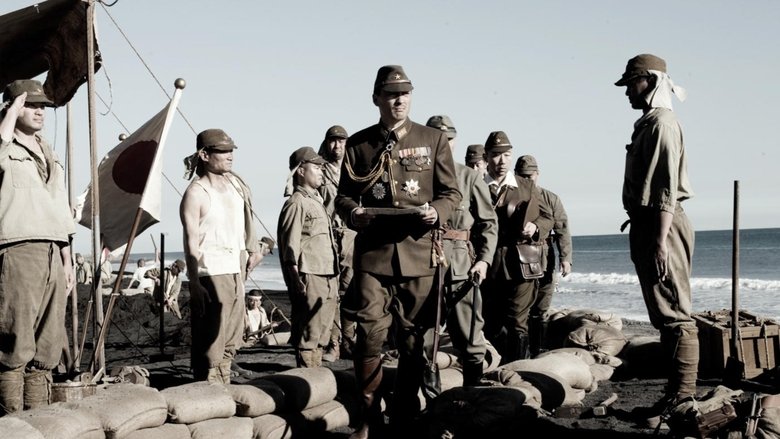
Letters from Iwo Jima
2006
-

Fury
2014
-
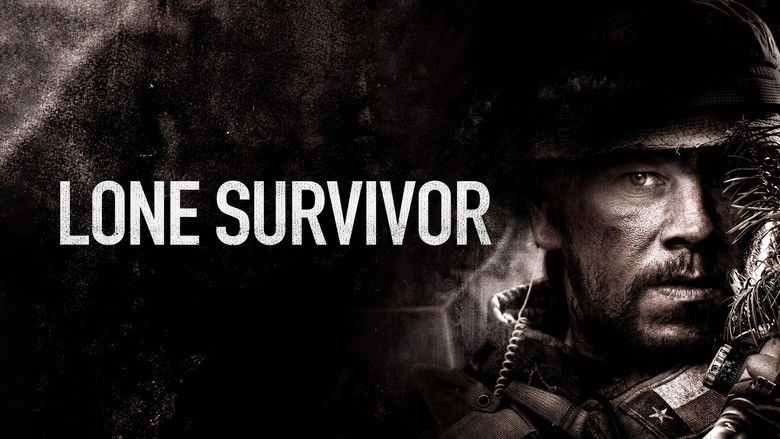
Lone Survivor
2013
-
The Last Samurai
2003
-
300
2007
-

Legends of the Fall
1994
-

Red Cliff
2008
-
A Perfect World
1993
-

Mystic River
2003
-
Fast Five
2011
-
Mission: Impossible - Ghost Protocol
2011
-
Rise of the Planet of the Apes
2011
-

The Hunger Games
2012
-
Dawn of the Planet of the Apes
2014
-

The Equalizer
2014
-

Braveheart
1995
-
Crimson Tide
1995
-
The Patriot
2000
-
Black Hawk Down
2001
-
We Were Soldiers
2002