Annabelle
"Small doll. Big problems. No return policy."
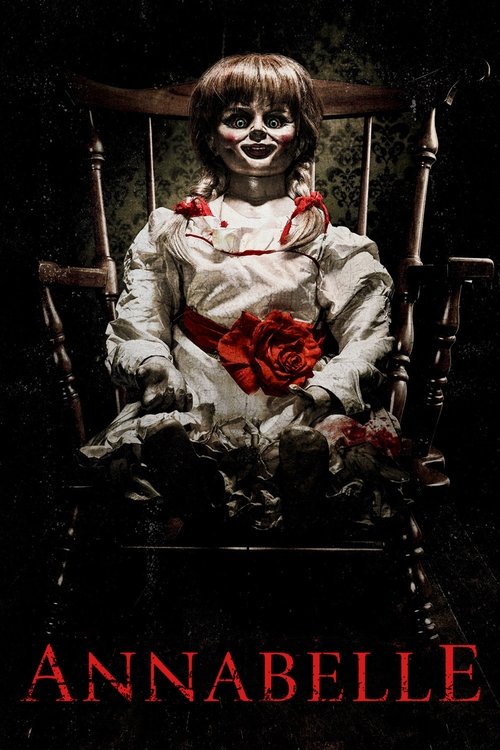
I’ve never understood the logic of 1960s interior design, specifically when it comes to children’s nurseries. If I walked into a store and saw a doll with the hollow, judgmental stare of the Annabelle prop, I wouldn’t buy it for my expectant wife; I’d call an exorcist, or at the very least, a heavy-duty trash removal service. Yet, here we are.
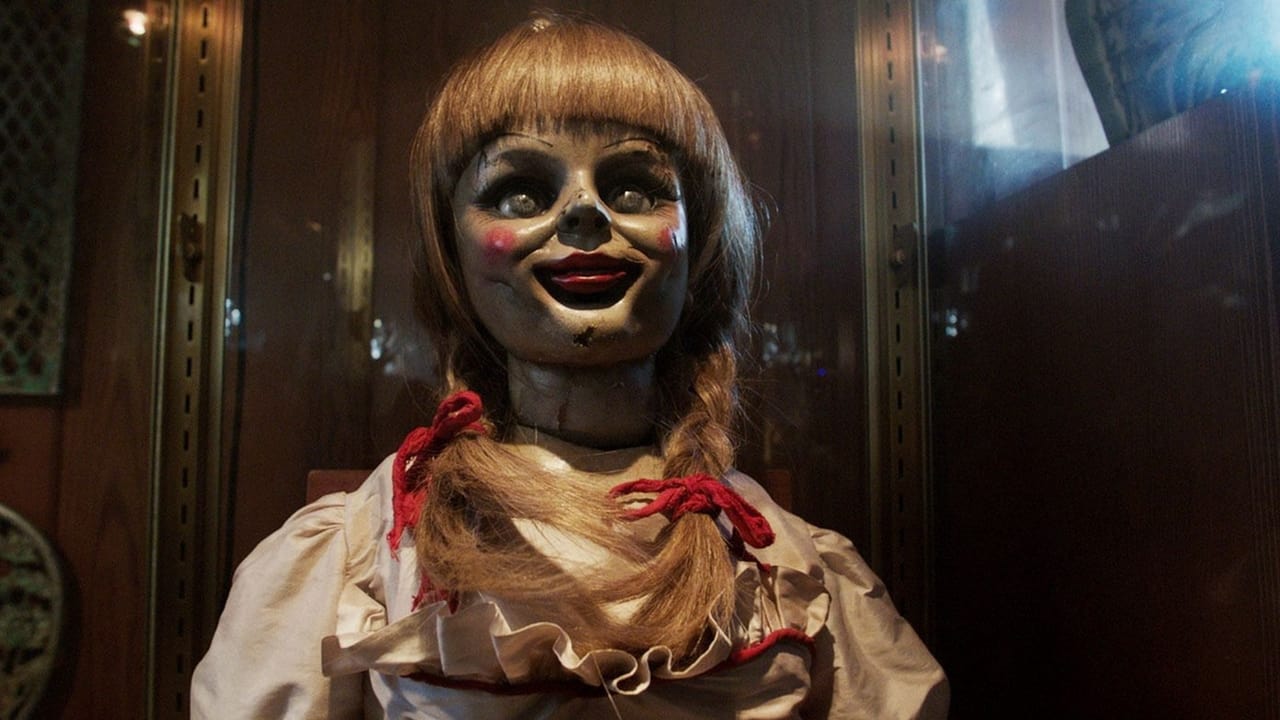
When Annabelle landed in 2014, it felt like a foregone conclusion. James Wan’s The Conjuring (2013) had just redefined modern studio horror, proving that audiences were hungry for classical scares over the "torture porn" trend that dominated the 2000s. We were moving into the era of the "Cinematic Universe," a concept once reserved for superheroes, now being applied to demons and possessed heirlooms. Watching this back today, it’s clearly the moment the "Conjuring-verse" stopped being a fluke and started being a factory.
The Anatomy of a Cash Cow
I watched this movie in a drafty apartment while eating a bowl of slightly burnt microwave popcorn, and every time the floorboards creaked, I found myself checking the corners. That’s the "Wan effect" lingering, even though John R. Leonetti—Wan’s longtime cinematographer—is the one in the director’s chair here.
The plot kicks off with Mia (Annabelle Wallis) and John Form (Ward Horton), a couple so stereotypically 1960s-perfect they practically bleed Technicolor. John gifts Mia the infamous doll, and shortly after, their neighbors are slaughtered by satanic cultists. One of the cultists dies while holding the doll, a drop of blood hits the porcelain eye, and the rest is horror history.
Looking back at 2014, this was the peak of the "Satanic Panic" resurgence in film. We were moving away from the found-footage craze of Paranormal Activity and back into lush, period-piece photography. Annabelle Wallis does a lot of heavy lifting here; she has that classic Hitchcockian blonde vulnerability that makes you actually care if she gets dragged into the basement. Ward Horton, meanwhile, is mostly there to be the skeptical husband who stays at the hospital way too long while his house is literally eating his wife.
Scares on a Shoestring
What’s truly wild about Annabelle is the financial math. It was produced for a lean $6.5 million. In the world of 2014 blockbusters, that’s basically the catering budget for a Marvel movie. Yet, it raked in over $257 million. Why? Because it understands the "Fear Mechanics" of a jump scare better than almost any other mid-tier horror flick of its decade.
The standout sequence—and the one that still holds up—is the basement elevator scene. Mia is trying to escape a malevolent presence, ducks into an elevator, and the doors won't close. Then they do, but the elevator doesn't move. She opens them, and she’s still on the same floor. It’s a masterclass in spatial dread. It doesn't rely on CGI monsters; it relies on the primal fear of being stuck in a small box with something that hates you.
However, the film often falls into the trap of being a "loudest in the room" horror movie. Instead of the sustained, suffocating dread of the original Conjuring, Annabelle frequently opts for the "Stinger"—that sudden, ear-piercing orchestral screech that forces a jump even if the visual isn't that scary. It’s effective in a theater, but on a rewatch, it feels a bit like someone sneaking up behind you and popping a paper bag. It’s a startle, not a scare.
A Relic of the Franchise Era
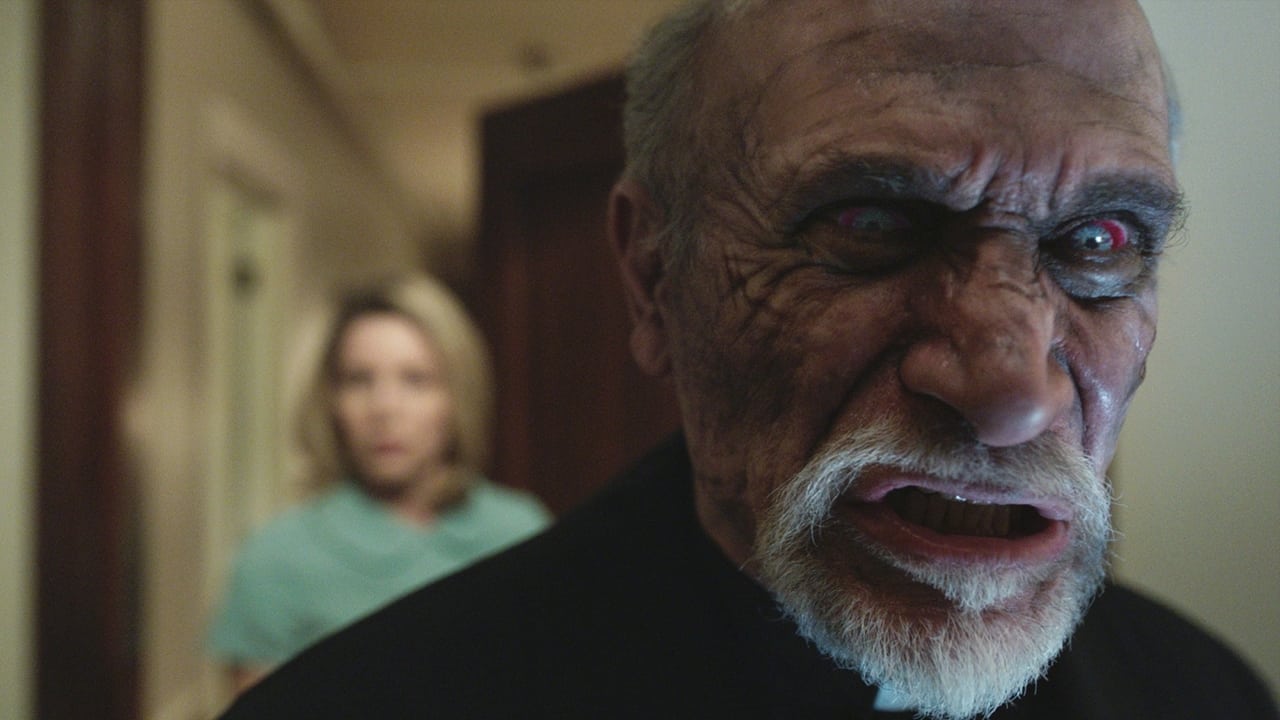
The film’s supporting cast adds some much-needed weight. Tony Amendola pops in as Father Perez, providing the "theology for dummies" exposition we all expect, and Alfre Woodard appears as Evelyn, a bookstore owner with a tragic past. Alfre Woodard is a powerhouse actress, and while she’s arguably overqualified for a movie about a ghost doll, she brings a grounded, soulful quality to the final act that the script doesn't necessarily earn.
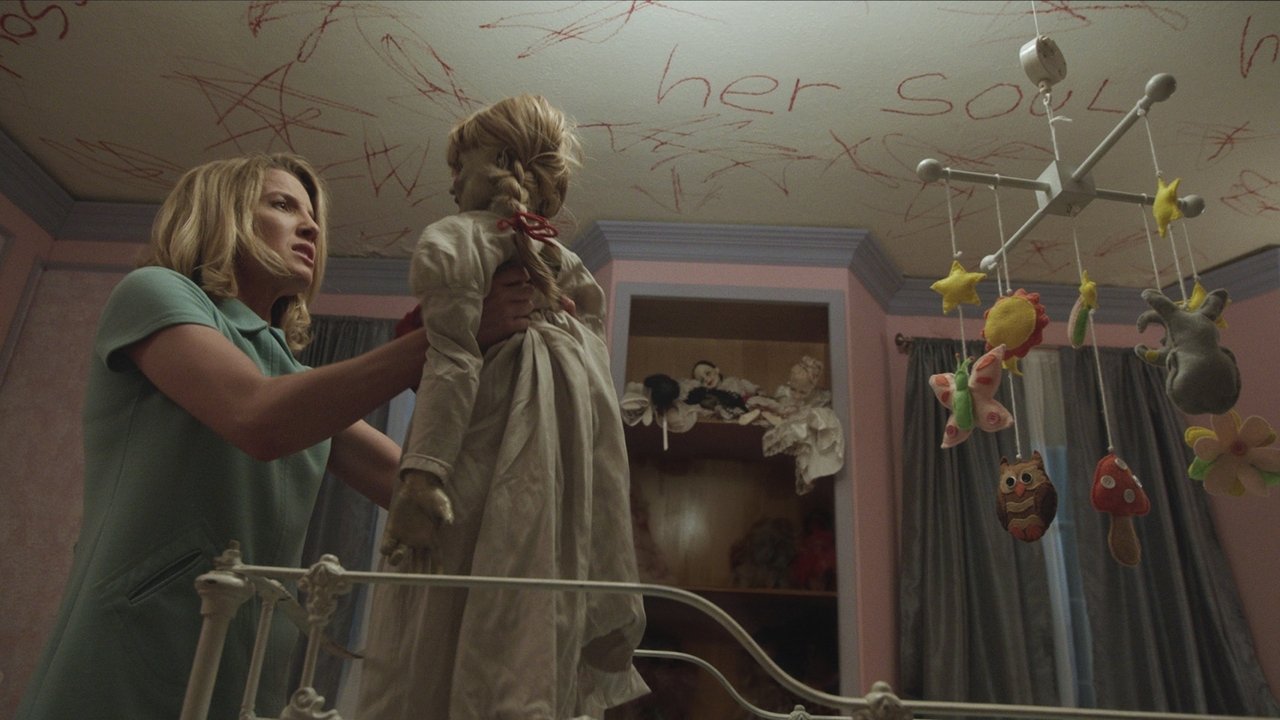
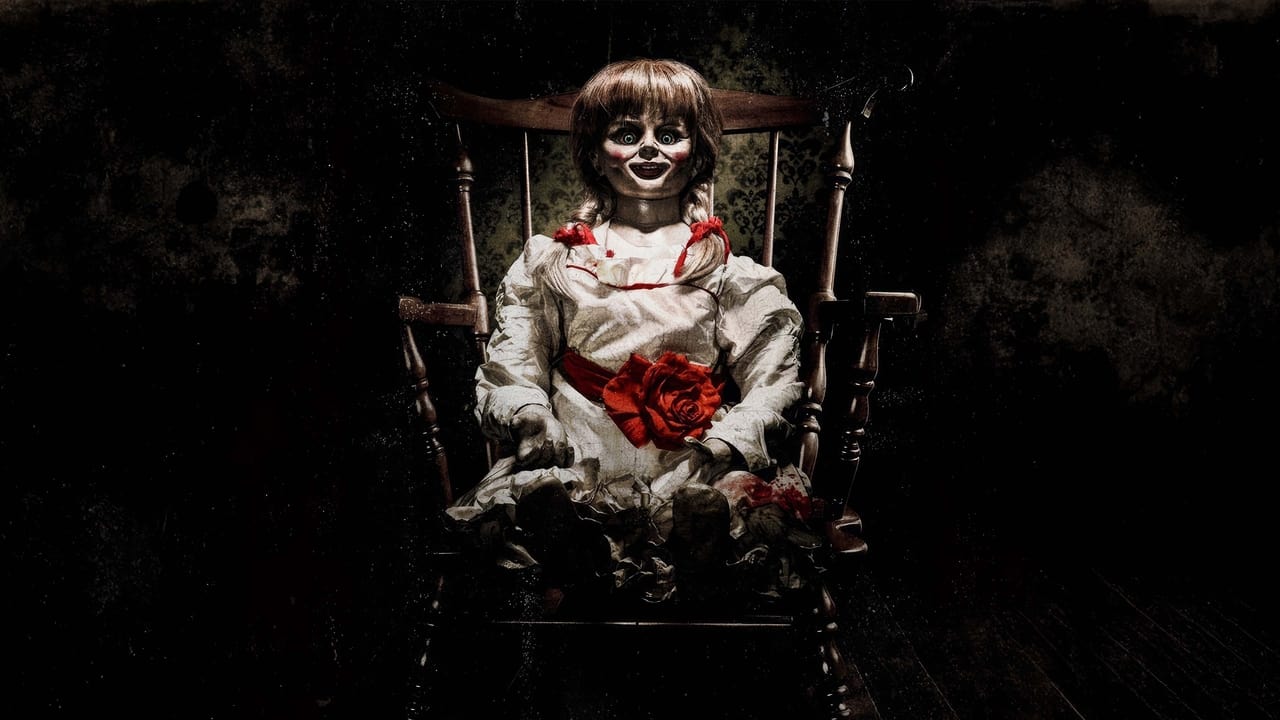
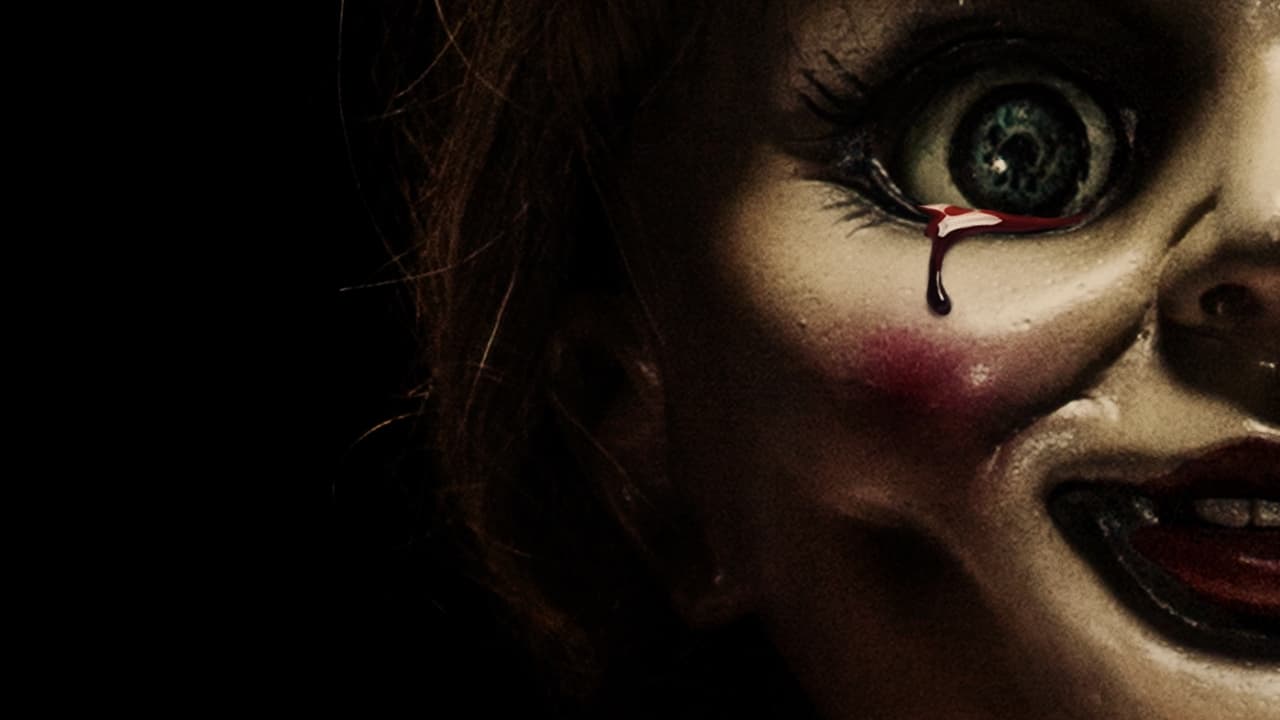
The makeup effects and the doll’s design deserve a nod. Unlike the real-life Annabelle—which is a harmless-looking Raggedy Ann doll—the movie version is designed to look like it has been through three divorces and a house fire. It’s an iconic piece of production design, but it’s also the movie's biggest logic flaw: Mia’s decision to keep that doll in her house is the most unrealistic thing in a movie about literal demons.
This was the era where "The Warrens" (the real-life paranormal investigators) were being mythologized for a new generation. Annabelle served as the bridge, proving you could take a side character—even a non-verbal, stationary one—and build a massive commercial success around them. It paved the way for The Nun, The Crooked Man, and the various sequels that followed.
Ultimately, Annabelle is a "serviceable" horror movie. It doesn't have the artistic soul of The Babadook or the relentless craft of It Follows (both released the same year), but it’s a fascinating snapshot of a time when Hollywood realized horror was the safest bet in the business. It’s a film that exists because of a brand, yet it manages to squeeze out a few genuinely terrifying sequences before the credits roll. It’s not a masterpiece, but it’s the reason you probably keep your closet doors shut at night.
Keep Exploring...
-
Annabelle: Creation
2017
-
Annabelle Comes Home
2019
-
My Bloody Valentine
2009
-
The Final Destination
2009
-

A Nightmare on Elm Street
2010
-
Insidious: Chapter 2
2013
-
Warm Bodies
2013
-
The Purge: Anarchy
2014
-
The Collector
2009
-
Paranormal Activity 2
2010
-
Resident Evil: Afterlife
2010
-
Saw 3D
2010
-
Resident Evil: Retribution
2012
-
The Woman in Black
2012
-
Hansel & Gretel: Witch Hunters
2013
-
Mama
2013
-
Dracula Untold
2014
-
Wish Upon
2017
-
Species
1995
-
I Know What You Did Last Summer
1997