Asterix: The Mansions of the Gods
"Rome wasn't built in a day, but it was gentrified in a weekend."
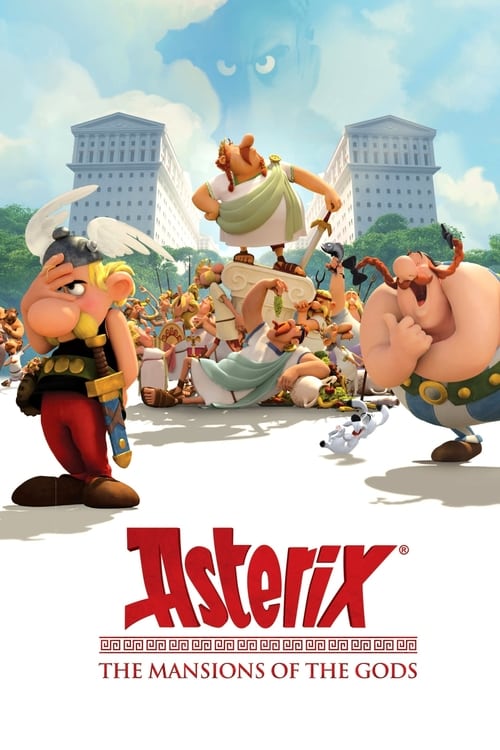
Julius Caesar finally figured it out. After decades of being battered, bruised, and launched into the stratosphere by a handful of potion-swilling Gauls, the Emperor realized that if you can’t beat them with legions, you beat them with real estate. That’s the deliciously cynical hook of Asterix: The Mansions of the Gods, a film that effectively dragged the iconic comic book duo into the 21st century by way of some very clever 3D animation and a sharp, satirical script that feels more like The Office than a standard Saturday morning cartoon.

I watched this on a Tuesday afternoon while trying to ignore a persistent itch on the roof of my mouth caused by a rogue Captain Crunch cereal shard, and somehow, the slapstick still landed perfectly despite my oral distraction. It’s a rare feat for a film to bridge the gap between "kiddie flick" and "pointed social commentary," but this one manages to do it while keeping the magic potion flowing.
Gentrification in a Toga
The plot is deceptively simple: Caesar builds a luxury apartment complex—The Mansions of the Gods—right next to our favorite defiant village. His goal isn't to kill the Gauls, but to turn them into a tourist attraction. He wants to assimilate them. Before long, the fierce warriors of Armorica aren't fighting Romans; they’re opening souvenir shops and arguing about the price of fish.
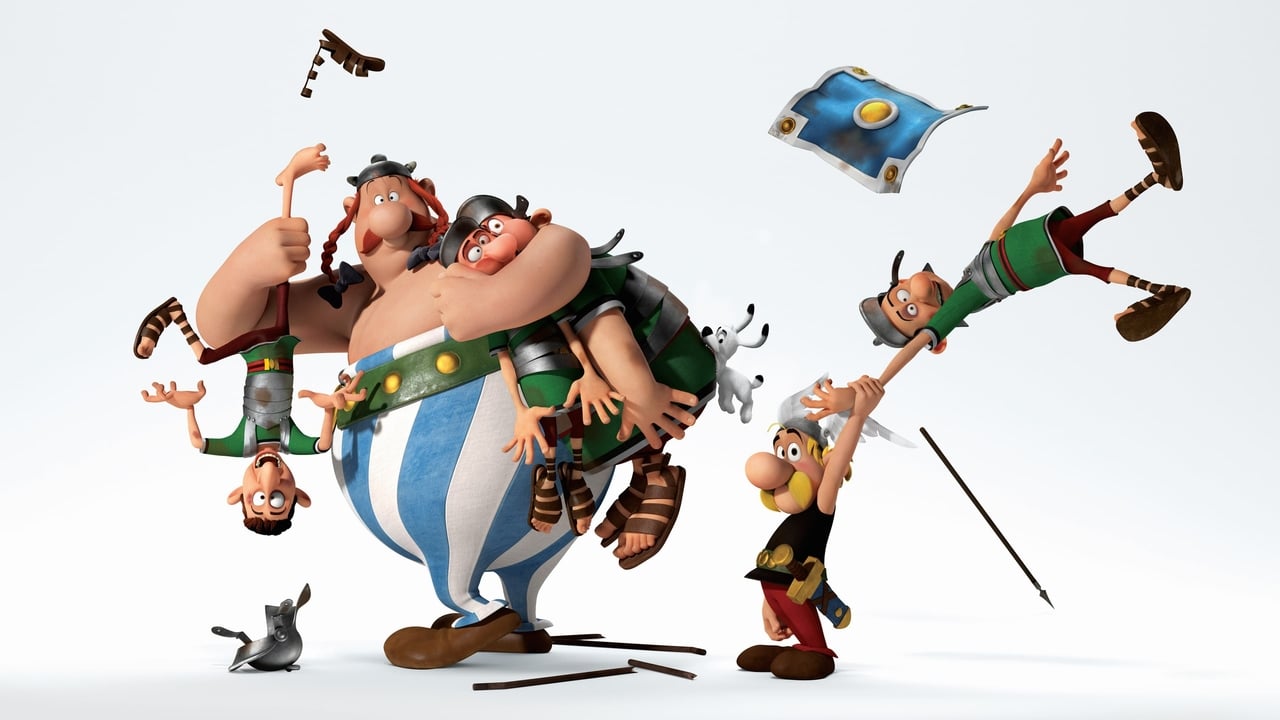
Director Alexandre Astier (who also co-wrote the screenplay) brings the same wit here that made his cult-classic French series Kaamelott such a hit. He understands that the real comedy in Asterix isn't just the punching—it’s the bureaucracy. One of my favorite sequences involves the Roman slaves going on strike. They don’t want freedom; they want better working conditions and a collective bargaining agreement. Seeing a centurion try to navigate a labor dispute while a druid is growing a forest around his feet is the kind of specific, character-driven humor that most modern animated features skip in favor of a dance party ending.
The Pixar Polish in Gaul
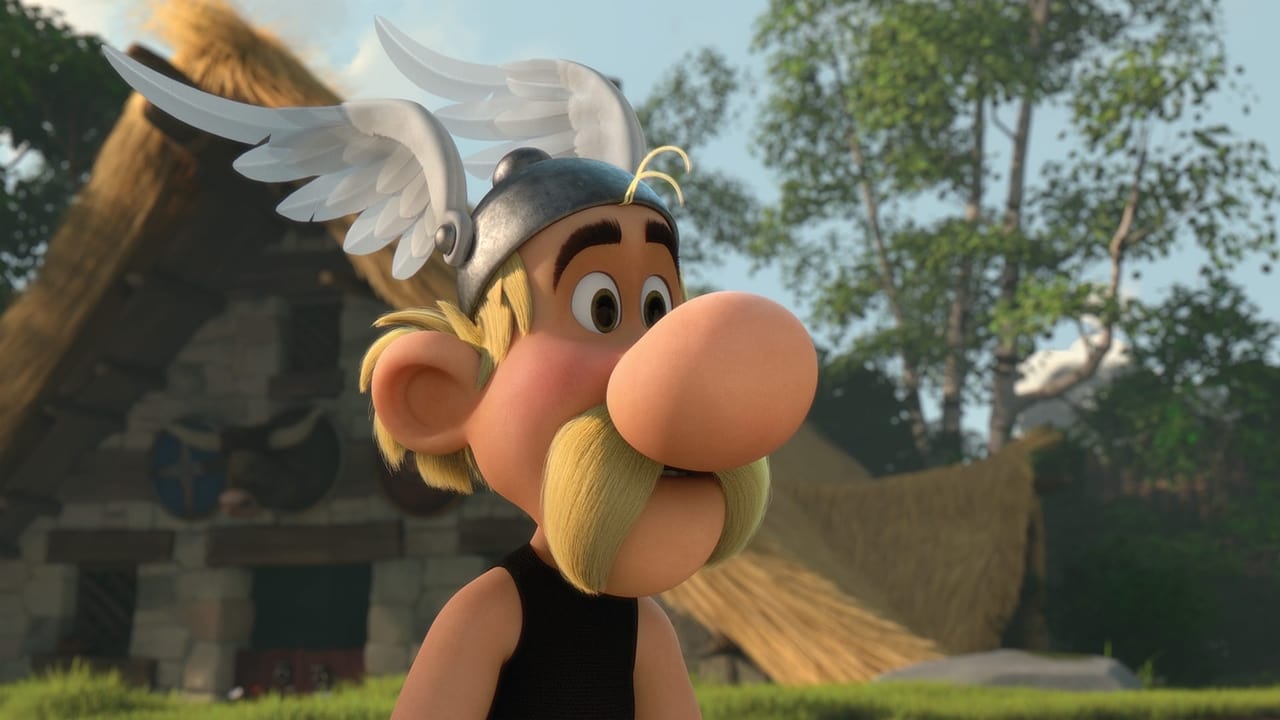
Transitioning a beloved 2D aesthetic into 3D is a dangerous game. Just look at the early 2000s attempts at Peanuts or Garfield to see how easily the soul of a character can be lost in the rendering. However, co-director Louis Clichy came over from Pixar (where he worked on Wall-E and Up), and it shows. The animation here doesn't just look expensive; it looks intentional.
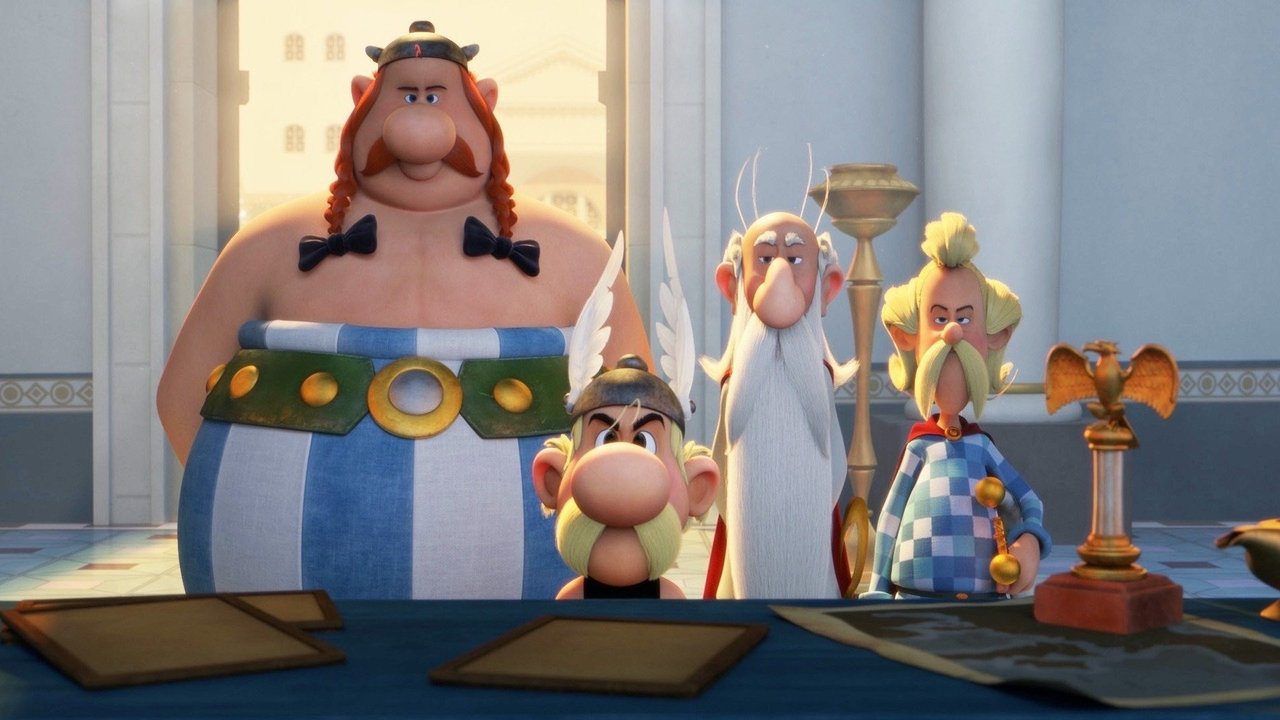
The characters have a weight and a squash-and-stretch quality that honors Albert Uderzo’s original drawings while making the world feel tactile. The way the Roman architecture crumbles under the weight of magic-infused oak trees is a visual treat. It’s bright, it’s bouncy, and it avoids the "uncanny valley" trap that snagged so many mid-budget animated films of the 2010s. I’ll go out on a limb and say that most live-action Asterix movies are visual crimes against humanity, but this 3D iteration finally finds a way to make the physics of a "magic potion punch" look satisfying rather than terrifyingly goofy.
A Farewell to a Legend
For the fans of the original French versions, this film carries a lot of emotional weight. It features the final performance of Roger Carel as the voice of Astérix. Carel had been voicing the character since the 1960s, and even at 86 years old, he brought a level of energy and sass to the role that defines the character. He’s joined by a stellar cast including Alexandre Astier himself as the stressed-out centurion and Élie Semoun as the sycophantic Cubitus.
The English dub is decent, but if you have the chance, watch the original French audio with subtitles. The linguistic gymnastics and the frantic pace of the dialogue are half the fun. It’s a very "talky" adventure, which might be why it didn't set the US box office on fire, but for those of us who grew up reading the books, it’s like seeing the pages come to life in the best possible way.
Stuff You Might Not Have Noticed
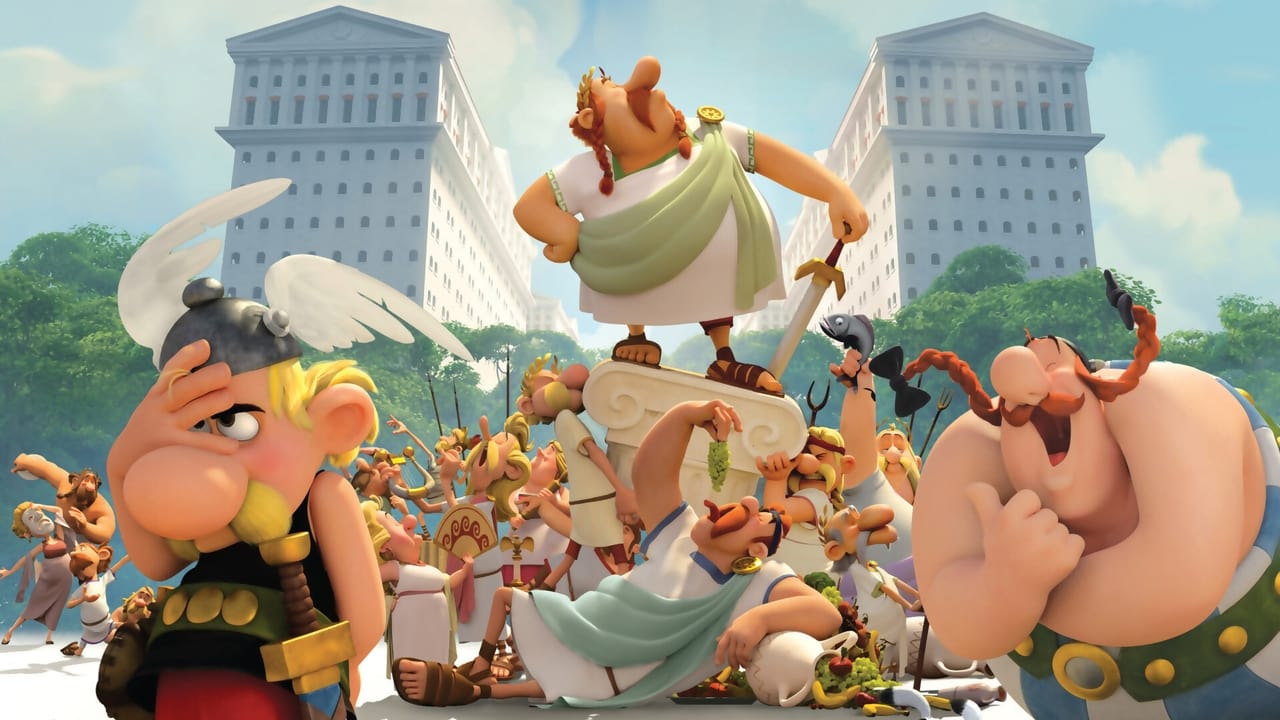
Looking back at the production, it’s interesting to see how much of a "passion project" this was for the French industry. With a budget of $30 million—which is essentially catering money for a Disney/Illumination project—they managed to produce something that looks nearly as good as the big-budget American counterparts.
It’s also a bit of a "lost" film for international audiences. Despite being a massive hit in Europe, it slipped through the cracks in the US, largely because it didn't have a major studio's marketing machine behind it. It’s a shame, because it’s one of the few family films from that era that treats its audience like they have a brain. The satire about "civilization" destroying nature and the way the Gauls eventually find themselves trapped by their own greed is surprisingly heavy stuff for a movie where a dog frequently bites people on the butt.
This is the gold standard for how to reboot a classic comic property. It’s fast, it’s funny, and it respects the source material without being a slave to it. Whether you’re a lifelong fan of the indomitable Gauls or you just want to see a bunch of Romans get slapped across a forest, this is 85 minutes of pure, high-energy entertainment. It’s a reminder that sometimes, the best way to fight an empire isn't with a sword, but with a better sense of humor.
Keep Exploring...
-
Asterix: The Secret of the Magic Potion
2018
-
The Twelve Tasks of Asterix
1976
-
Asterix and Cleopatra
1968
-
A Monster in Paris
2011
-
Winnie the Pooh
2011
-

The Pirates! In an Adventure with Scientists!
2012
-
Toy Story of Terror!
2013
-
Toy Story That Time Forgot
2014
-

DuckTales: The Movie - Treasure of the Lost Lamp
1990
-

The Swan Princess
1994
-

A Goofy Movie
1995
-
Jimmy Neutron: Boy Genius
2001
-
TMNT
2007
-
Osmosis Jones
2001
-
101 Dalmatians II: Patch's London Adventure
2003
-
Mickey, Donald, Goofy: The Three Musketeers
2004
-
Shrek the Halls
2007
-

The Nut Job
2014
-

Ice Age: Dawn of the Dinosaurs
2009
-
Planet 51
2009