Automata
"Evolution doesn't require an invitation."

The sun is a hateful orange eye, the earth is a giant sandbox of despair, and the robots look like they were assembled in a garage by someone who really misses the 1980s. This is the world of Automata, a film that feels like a dusty, found-object sculpture of a Philip K. Dick novel. Released in 2014, right as the Marvel Cinematic Universe was solidifying its glossy, joke-heavy stranglehold on the box office, this Spanish-Bulgarian production arrived with a clank and a wheeze, offering a somber, rain-soaked, and sand-blasted alternative that almost nobody actually saw.
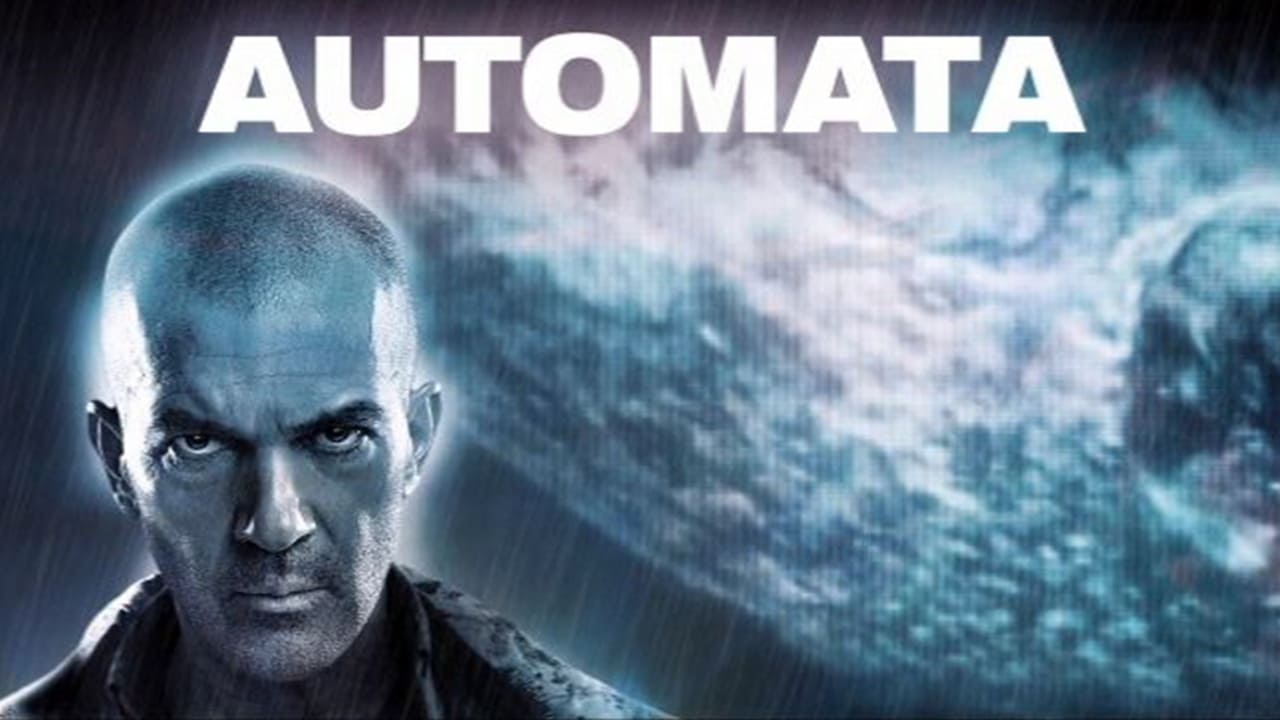
I watched this on a Tuesday night while battling a mild case of the hiccups, and let me tell you, the rhythmic jolts in my diaphragm surprisingly synced up with the mechanical ticking of the film’s "Pilgrim" robots. It added a 4D layer of immersion I didn't ask for but strangely appreciated.
Practical Magic in a Digital Graveyard
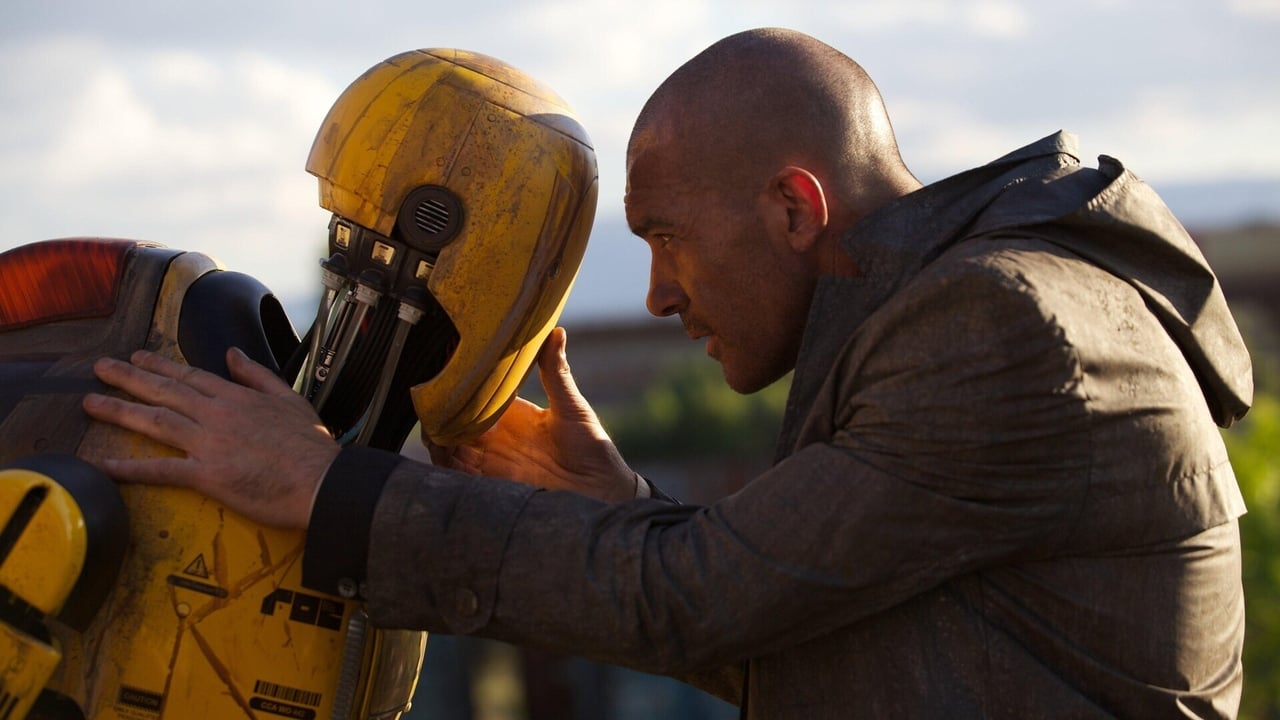
What immediately strikes me about Automata is how tangible it feels. By 2014, we were well into the "CGI can do anything" era, which often meant robots looked like weightless liquid chrome or over-complicated clockwork (looking at you, Transformers). Director Gabe Ibáñez took a hard left turn into the past. The robots here aren't digital ghosts; they are largely practical puppets and animatronics. They move with a deliberate, slightly unnerving jerkiness that makes them feel infinitely more present than a thousand-million-pixel render.
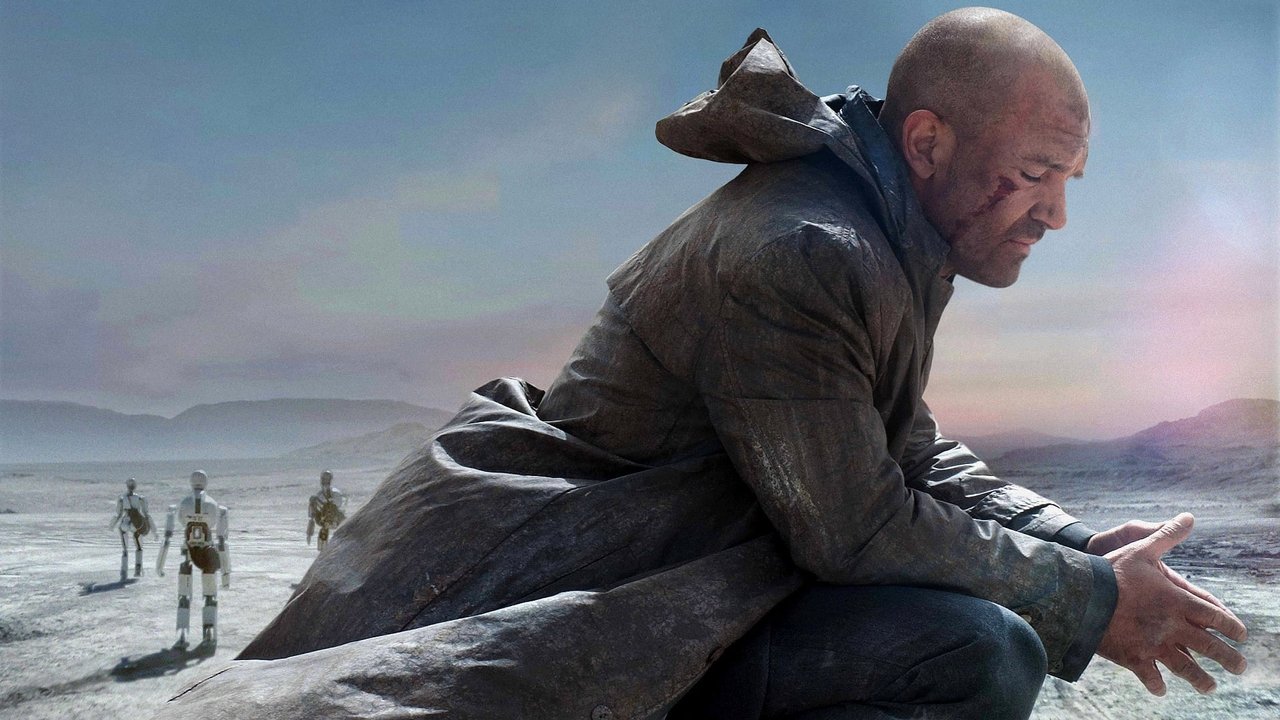
There’s a specific weight to these machines. When Antonio Banderas (playing the weary insurance investigator Jacq Vaucan) interacts with them, you can see the actual resistance of the metal. It’s a callback to the "Dirty Sci-Fi" aesthetic of the late 70s and early 80s—think Alien (1979) or Blade Runner (1982). Ibáñez clearly understands that in science fiction, the "science" part matters less than the "texture" part. If I can't imagine what the robot smells like (probably ozone and WD-40), I don't care about its existential crisis. Automata treats its robots with more soul than most Hollywood blockbusters treat their human leads.
The Banderas Blues and Domestic Dynasties
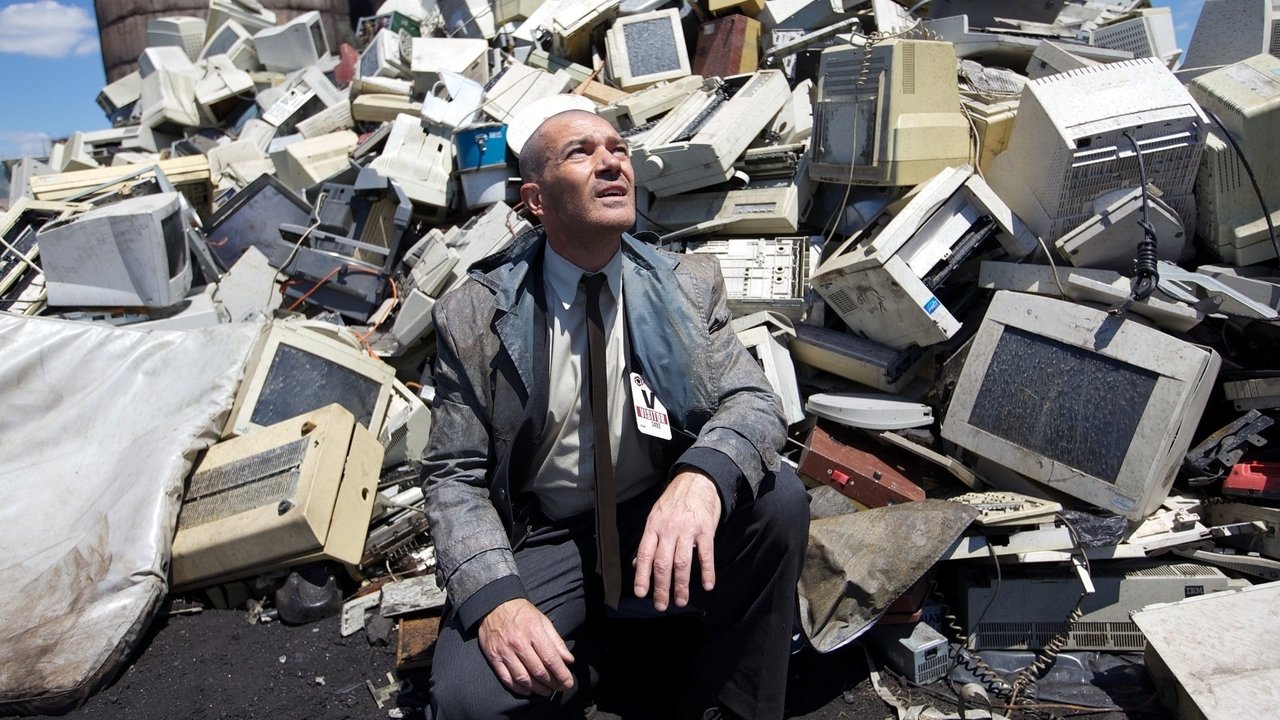
Antonio Banderas is an actor who spent a good chunk of the 90s and 2000s being the "suave" guy (The Mask of Zorro, Desperado). In Automata, he looks like he hasn't slept since the turn of the millennium. He’s balding, sweaty, and perpetually draped in a trench coat that looks like it's made of recycled tarp. It’s a fantastic, internal performance. He’s not a hero; he’s an insurance adjuster for the ROC corporation, investigating a robot that supposedly repaired itself—a violation of the "Second Protocol" (a riff on Isaac Asimov’s laws of robotics).
The supporting cast is a bizarre "Who's Who" of "I know that guy!" Dylan McDermott shows up as Wallace, a burnout cop with bleached hair who looks like he wandered off the set of a 90s cyberpunk music video. Robert Forster (always a welcome presence, bringing that Jackie Brown gravitas) provides the grounding for Jacq’s growing paranoia.
Perhaps the most fascinating bit of trivia is the presence of Melanie Griffith. At the time, she and Banderas were ending their long-term marriage, yet here she is, playing a "Clocksmith" named Dr. Dupré and voicing Cleo, a robot that Jacq ends up trekking across the desert with. There’s a scene where Cleo dances in an abandoned building that is genuinely haunting, a mix of awkward mechanical limitation and eerie grace. It’s the kind of moment that 2014 audiences, primed for Guardians of the Galaxy (2014) quips, probably weren't ready for.
Why Did This Disappear?
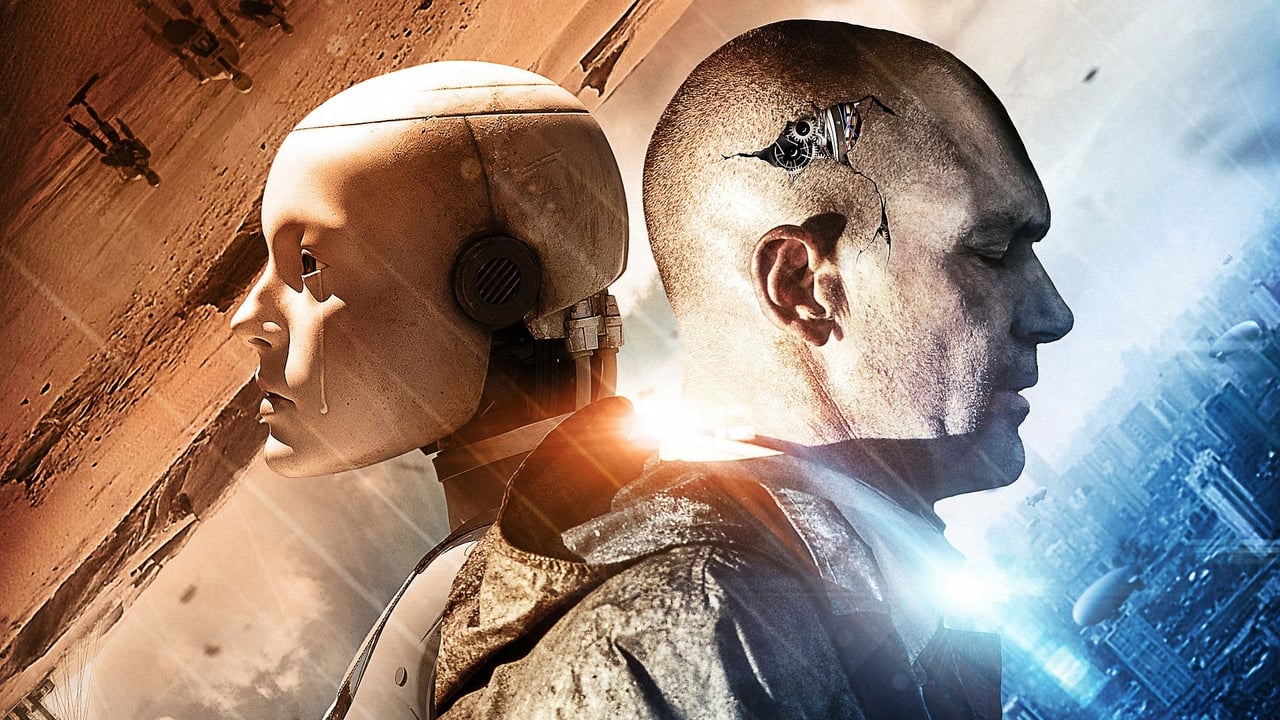
So, why is Automata a "forgotten oddity"? It’s a classic case of a "tweener." It was too expensive to be a scrappy indie darling but too philosophical and slow-burn to compete with the franchise juggernauts. It’s a movie that asks big questions: What happens when we are no longer the smartest thing on the planet? Is it "death" if the thing that replaces us is something we built?
The film's marketing tried to sell it as a high-octane thriller, but in reality, it’s a meditative road movie through a radioactive wasteland. When it hit theaters (and by "hit theaters," I mean it whispered into a handful of screens before fleeing to VOD), critics were lukewarm, often calling it a Blade Runner derivative. Looking back, that feels unfair. While it absolutely wears its influences on its sleeve, it has a distinct European pessimism that sets it apart from American sci-fi of the same era.
Shot mostly in Bulgaria at the Nu Boyana Film Studios, the production used every cent of its $7 million budget to create a world that looks like it cost ten times that. It’s a visual feast of decay. The "Ghibli-esque" robots, with their round heads and expressive, unblinking eyes, stay with you long after the credits roll. It’s a shame it was buried, but that’s the beauty of the "Popcornizer" lens—we can dig these things back up.
Automata isn't a perfect film—the third act loses a bit of its narrative steam in the vastness of the desert, and some of the villainous motivations are a bit "Standard Corrupt CEO 101." However, its commitment to practical effects and its refusal to provide easy, happy answers makes it a mandatory watch for any sci-fi enthusiast. It’s a movie about the end of one thing and the beginning of another, and it captures that transition with a gritty, beautiful melancholy. If you’ve got a rainy evening and a desire to see Antonio Banderas argue with a puppet about the nature of consciousness, this is your golden ticket.
Keep Exploring...
-

The Box
2009
-

The Fourth Kind
2009
-

Death Race 2
2010
-
Lockout
2012
-
Carriers
2009
-
Race to Witch Mountain
2009
-
Europa Report
2013
-

Time Lapse
2014
-
Darkman
1990
-

Village of the Damned
1995
-
Lake Placid
1999
-
The One
2001
-
District B13
2004
-
The Forgotten
2004
-
Land of the Dead
2005
-

A Scanner Darkly
2006
-

Blindness
2008
-

Doomsday
2008
-
Quarantine
2008
-

The X Files: I Want to Believe
2008