Batman: Assault on Arkham
"The bad guys are the only heroes left."
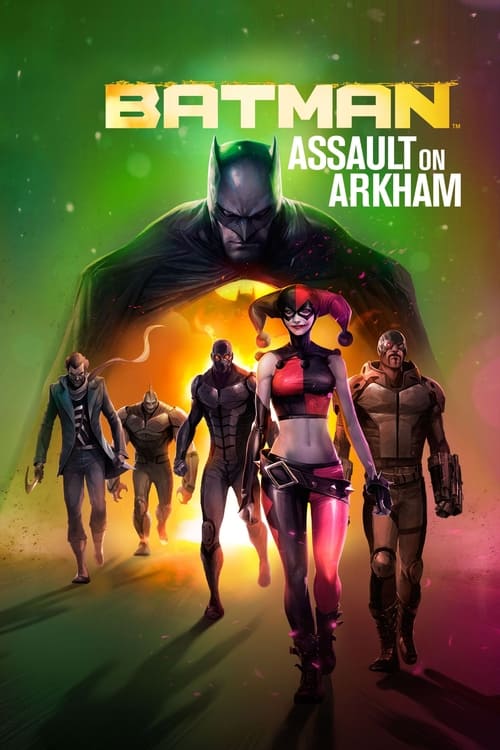
I remember watching this for the first time on a flight to Chicago while sitting next to a guy who was intensely peeling a hard-boiled egg. The smell was questionable, but the movie on my small, flickering screen was an absolute revelation. I went in expecting another standard "Batman beats up a clown" romp, but what I got was a grimy, high-stakes heist film where the Caped Crusader is essentially the boogeyman lurking in the rafters.
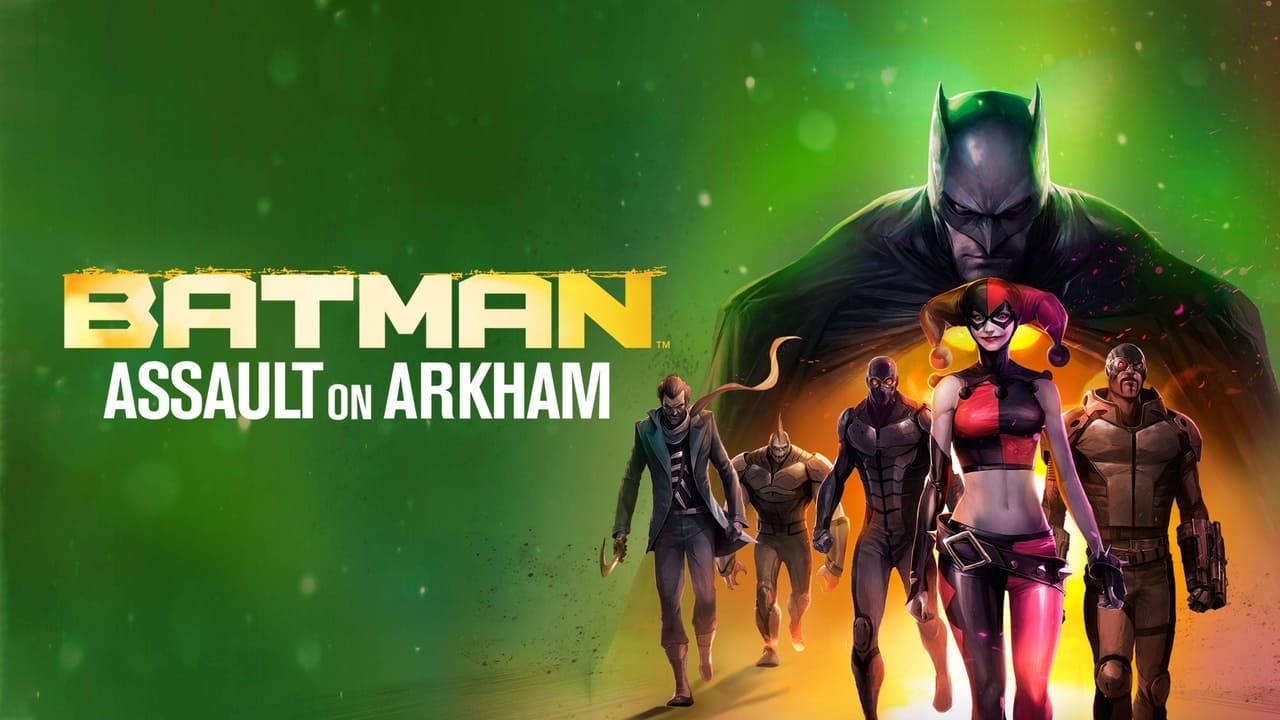
Released in 2014, Batman: Assault on Arkham arrived at a fascinating crossroads for DC. We were smack in the middle of the "gritty" era, post-Nolan but pre-Zack Snyder’s Justice League. It was a time when the Arkham video games were the gold standard for superhero storytelling, and this film wisely hitches its wagon to that universe. But don't let the title fool you; this isn't a Batman movie. It’s a Suicide Squad movie that understands the assignment far better than the 2016 live-action attempt ever did.
A Heist Movie in Bat-Clothing
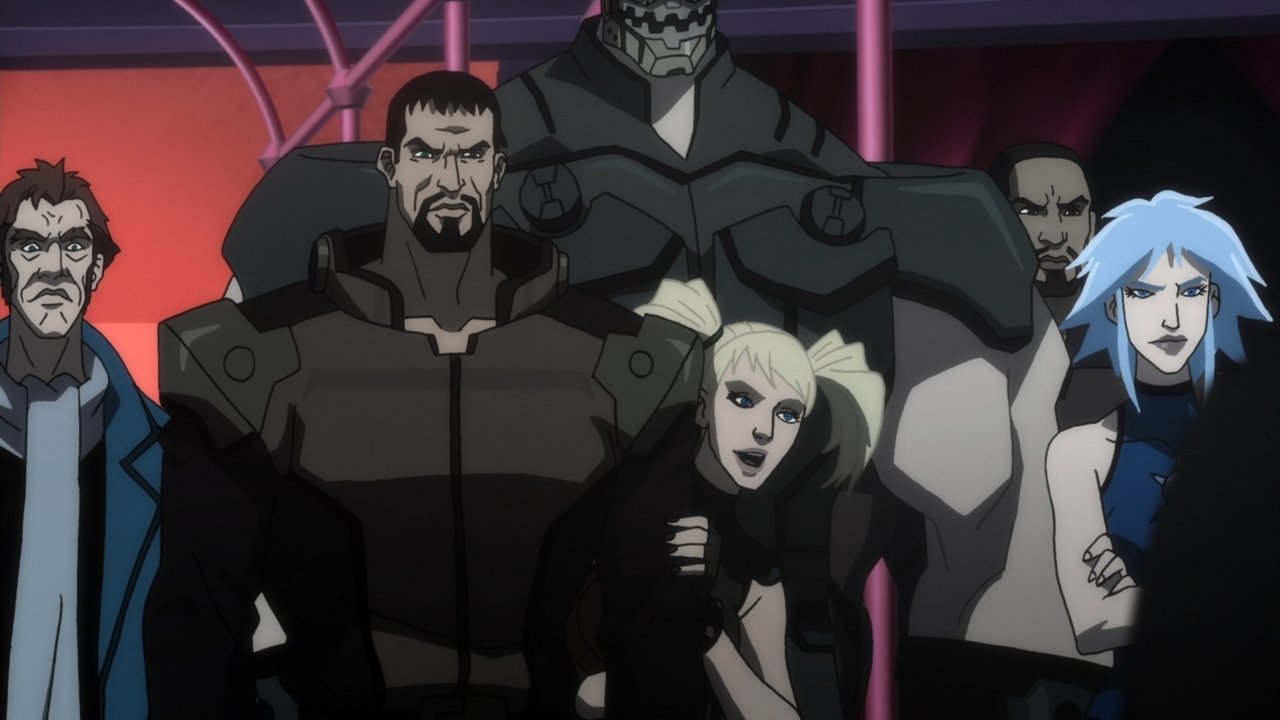
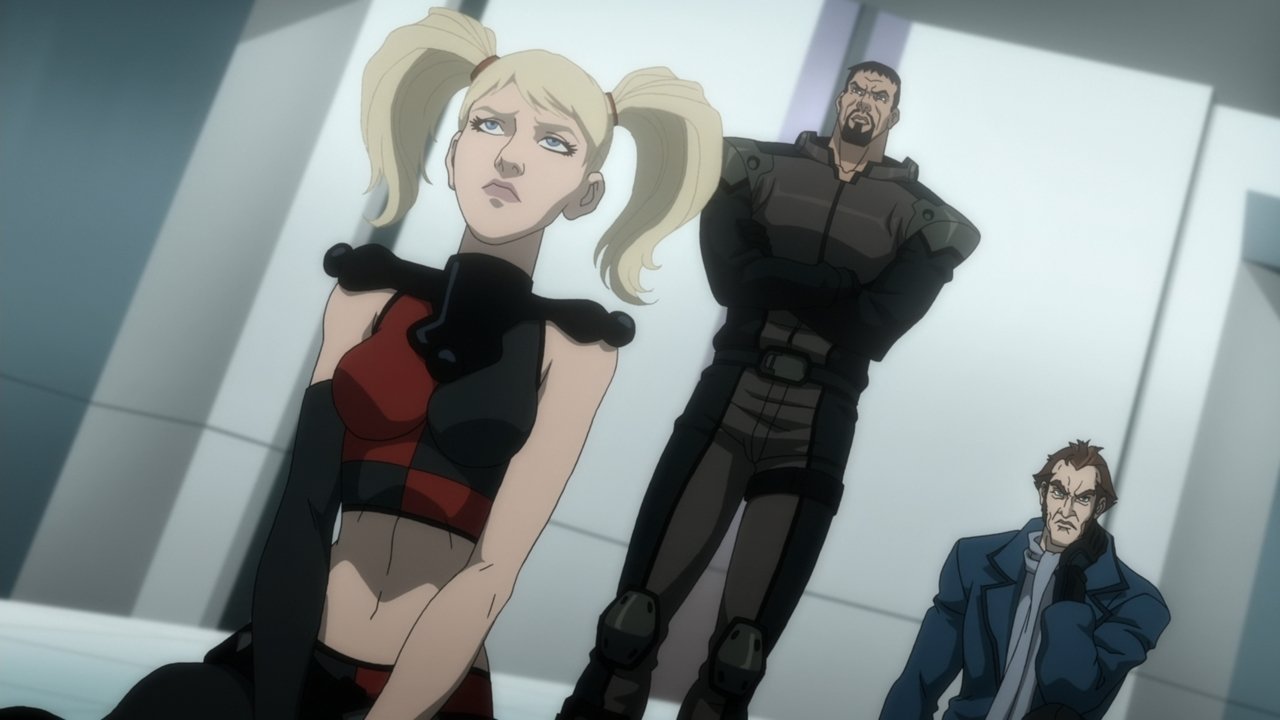
The plot is lean and mean. Amanda Waller—played with a terrifying, bureaucratic coldness by CCH Pounder (reprising her role from the Justice League animated series)—assembles Task Force X. Their mission? Break into the most high-security psychiatric hospital on the planet to kill The Riddler before he leaks government secrets.
What makes this work so well is the shift in perspective. By centering the story on the villains, the directors Jay Oliva and Ethan Spaulding turn Batman into a secondary antagonist. He’s the obstacle, the "thing" in the dark that picks off the crew one by one. It’s a brilliant subversion of the genre tropes we’ve grown accustomed to. Instead of rooting for the hero to save the day, I found myself genuinely worried for Neal McDonough’s Deadshot as he tried to navigate a room full of lunatics while a literal shadow was hunting him.
The action choreography is where the film’s "Modern Cinema" DNA really shines. You can see the influence of the Arkham games’ "Freeflow" combat system in every punch. It’s fluid, crunchy, and unapologetically violent. There’s a sequence in a storage room that features some of the best hand-to-hand animation I’ve seen in this era—it’s clear, easy to follow, and has a weight to it that early 2000s CGI-heavy films often lacked.
The Grime of the Arkhamverse
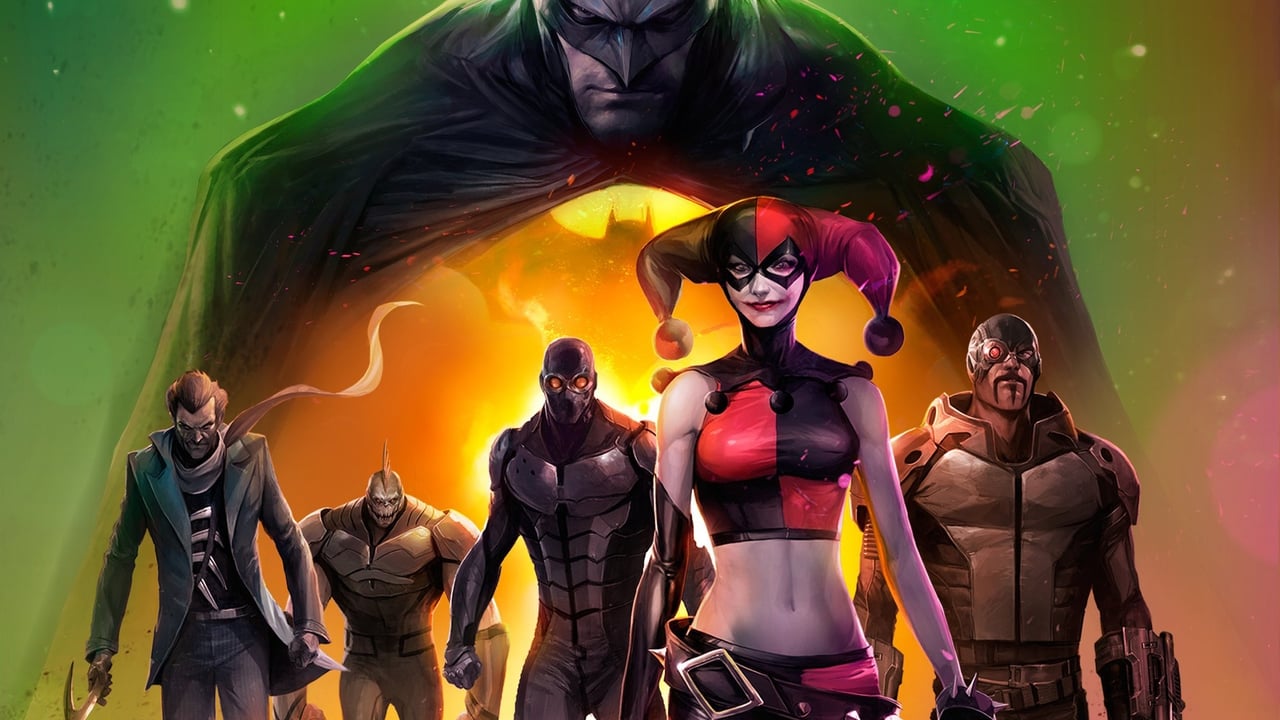
Visually, the film captures that specific 2010s aesthetic: heavy shadows, muted neon greens, and a sense of urban decay. It’s a "Dark/Intense" treatment done right. The stakes aren’t just "the world is ending," but rather "if I don't finish this job, the bomb in my neck will turn my head into confetti." That localized tension makes every hallway crawl feel like a life-or-death gamble.
The voice cast is a "who’s who" of animation royalty. Kevin Conroy provides his signature baritone for Batman, but the real star is Hynden Walch as Harley Quinn. She brings a manic, tragic energy to the role that balances perfectly against Troy Baker’s Joker. Baker had the unenviable task of following Mark Hamill, but here he carves out a version of the Clown Prince of Crime that is genuinely unsettling—he plays the Joker like a predatory shark who just happens to know a few jokes.
I also have to give a nod to Matthew Gray Gubler as The Riddler. He brings a twitchy, intellectual arrogance to Edward Nigma that makes you want to see him succeed just to spite Waller. It’s these character dynamics—the bickering, the betrayals, and the occasional weird romantic tension between Deadshot and Harley—that keep the 76-minute runtime moving at a breakneck pace.
Why It Vanished Into the Shadows
Looking back, it’s a bit of a tragedy that Assault on Arkham has become a "forgotten oddity" in the DC catalog. Part of the reason is likely the branding. In 2014, the "Suicide Squad" wasn't a household name yet, so the studio slapped "Batman" on the box to move units. When the 2016 live-action film arrived with its neon-drenched marketing and "damaged" forehead tattoos, this lean, mean animated precursor was pushed to the back of the shelf.
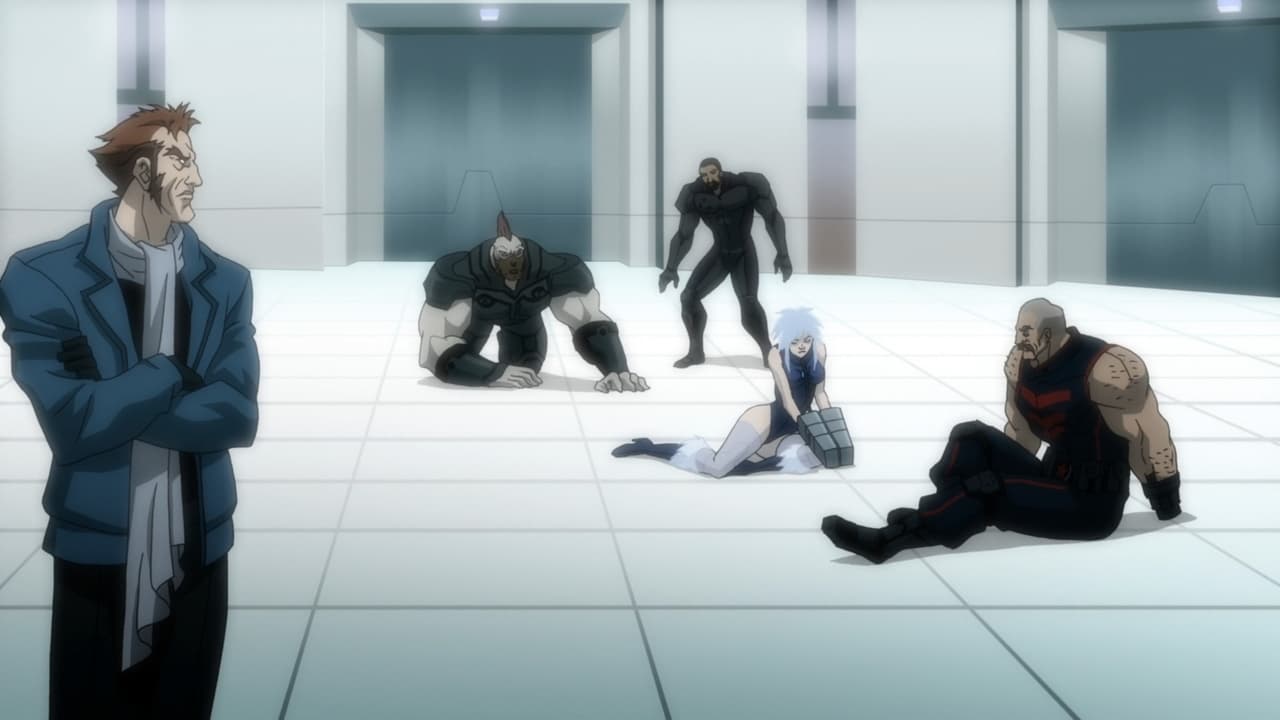
The 2016 live-action film should have just been a shot-for-shot remake of this. It understands the "Dirty Dozen" vibe better than almost any other adaptation. It’s also a product of that specific transition from physical media to streaming; I remember seeing stacks of these DVDs at Best Buy, nestled between Man of Steel and Arrow Season 2. It was a "Direct-to-Video" title, a label that often suggested "cheap," but the production value here punches way above its weight class.
The score by Robert J. Kral also deserves a mention. It’s industrial, pulse-pounding, and avoids the heroic fanfares of traditional superhero films. It sounds like a ticking clock, which is exactly what a movie about a group of expendable criminals needs.
Ultimately, Batman: Assault on Arkham is a reminder of a time when DC was willing to take risks with their animated line, pushing into R-rated territory before it became a marketing gimmick. It’s tight, cynical, and surprisingly funny in a "gallows humor" kind of way. If you’re tired of the bloated, two-and-a-half-hour spectacles that dominate the current landscape, this is the perfect palate cleanser. It’s a 76-minute adrenaline shot that respects your time and your intelligence.
Just maybe don't watch it while someone is peeling a hard-boiled egg next to you. It really ruins the atmosphere of Arkham Asylum.
Keep Exploring...
-
Batman: The Dark Knight Returns, Part 1
2012
-

Batman: The Dark Knight Returns, Part 2
2013
-
Batman vs. Robin
2015
-
Batman: Year One
2011
-

Justice League: War
2014
-
Batman: Mask of the Phantasm
1993
-
Batman: Under the Red Hood
2010
-
Son of Batman
2014
-
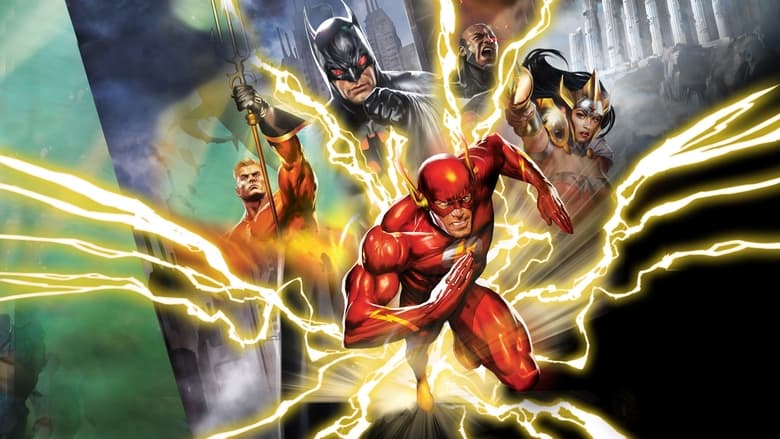
Justice League: The Flashpoint Paradox
2013
-
Headhunters
2011
-

The Connection
2014
-
Bound by Honor
1993
-
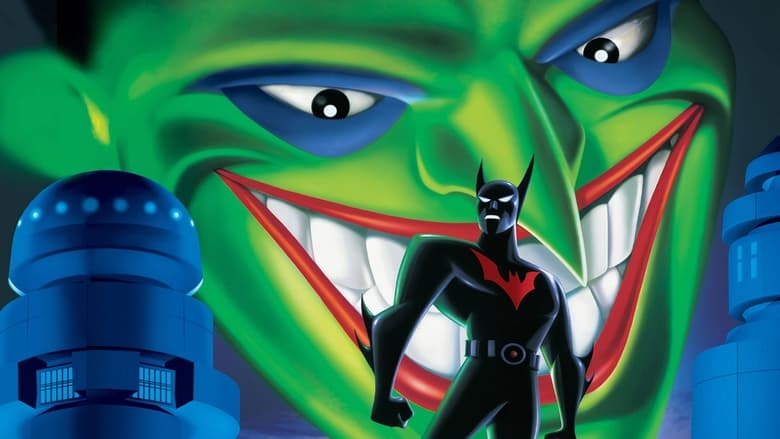
Batman Beyond: Return of the Joker
2000
-
Undisputed II: Last Man Standing
2006
-
United 93
2006
-
Infernal Affairs
2002
-
The Protector
2005
-
Mesrine: Killer Instinct
2008
-
Mesrine: Public Enemy #1
2008
-

Blood and Bone
2009