Big Eyes
"He sold the lie. She painted the truth."
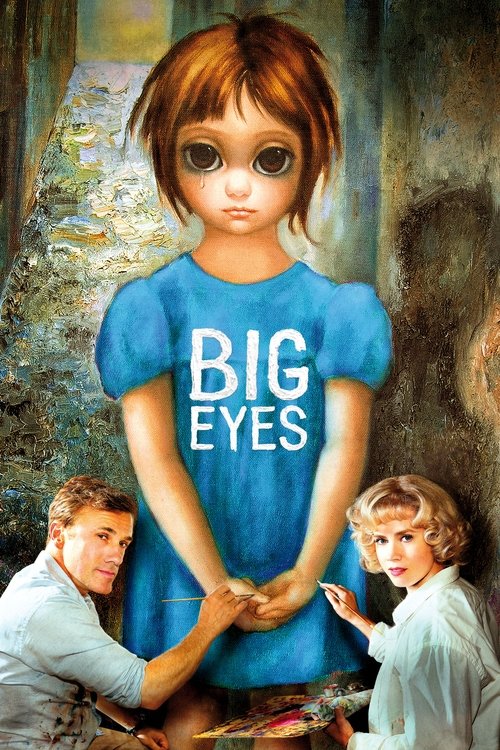
Most people associate Tim Burton with striped suits, gothic spirals, and Johnny Depp buried under five pounds of pale foundation. But for me, Big Eyes represents the weirdest thing Burton has done in the last twenty years: he stayed relatively grounded. Instead of reinventing a classic fairy tale through a hot-topic lens, he turned his attention to the true story of Margaret and Walter Keane, the couple responsible for those ubiquitous, saucer-eyed paintings that haunted every suburban living room and kitschy postcard rack in the 1960s.
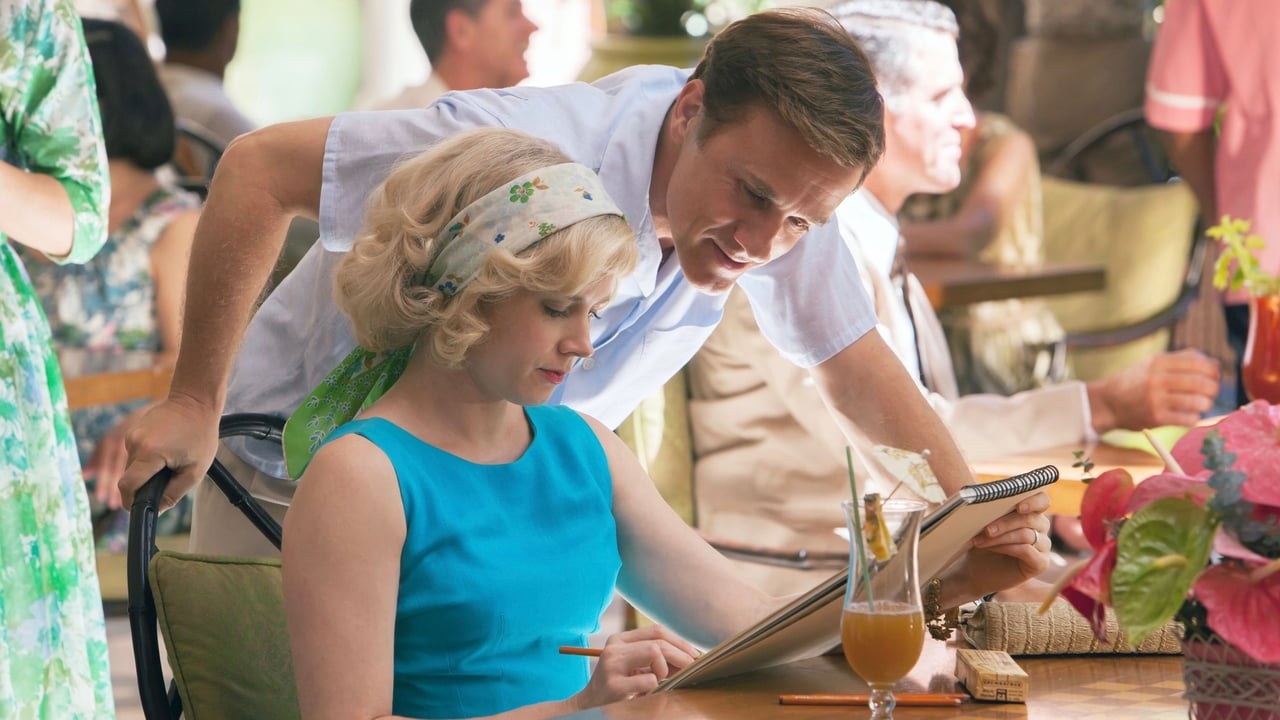
It’s a film about art, but more importantly, it’s a film about the specific, agonizing quiet of a woman losing her identity to a charismatic narcissist. I watched this while eating a bag of slightly stale pretzel nuggets, and honestly, the rhythmic crunching matched the staccato pace of Walter Keane’s frantic lies almost too perfectly.
The Art of the Steal
The story kicks off in late 1950s San Francisco, where Margaret (Amy Adams), a single mother fleeing a stifling first marriage, meets Walter (Christoph Waltz). He’s a charming, fast-talking "artist" who claims to paint Parisian street scenes. When Margaret’s portraits of sad, big-eyed children start attracting more attention than his dreary landscapes, Walter does the unthinkable: he tells a buyer that he’s the one who painted them.
What starts as a "marketing misunderstanding" spirals into a decade-long fraud. Amy Adams is the soul of this movie. She plays Margaret with a fragile, internalised resolve that is heartbreaking to watch. She isn’t "weak"—she’s a woman of her era, gaslit into believing that no one would buy "lady art" and that her husband’s promotional genius is the only reason they aren’t starving. On the flip side, Christoph Waltz plays Walter Keane like a Looney Tunes character who accidentally wandered into a Douglas Sirk melodrama. He is loud, sweaty, and increasingly unhinged. While some critics at the time found him too "big," I think his performance perfectly captures the desperation of a man who knows he has zero talent and is terrified the world will find out.
A Different Shade of Burton
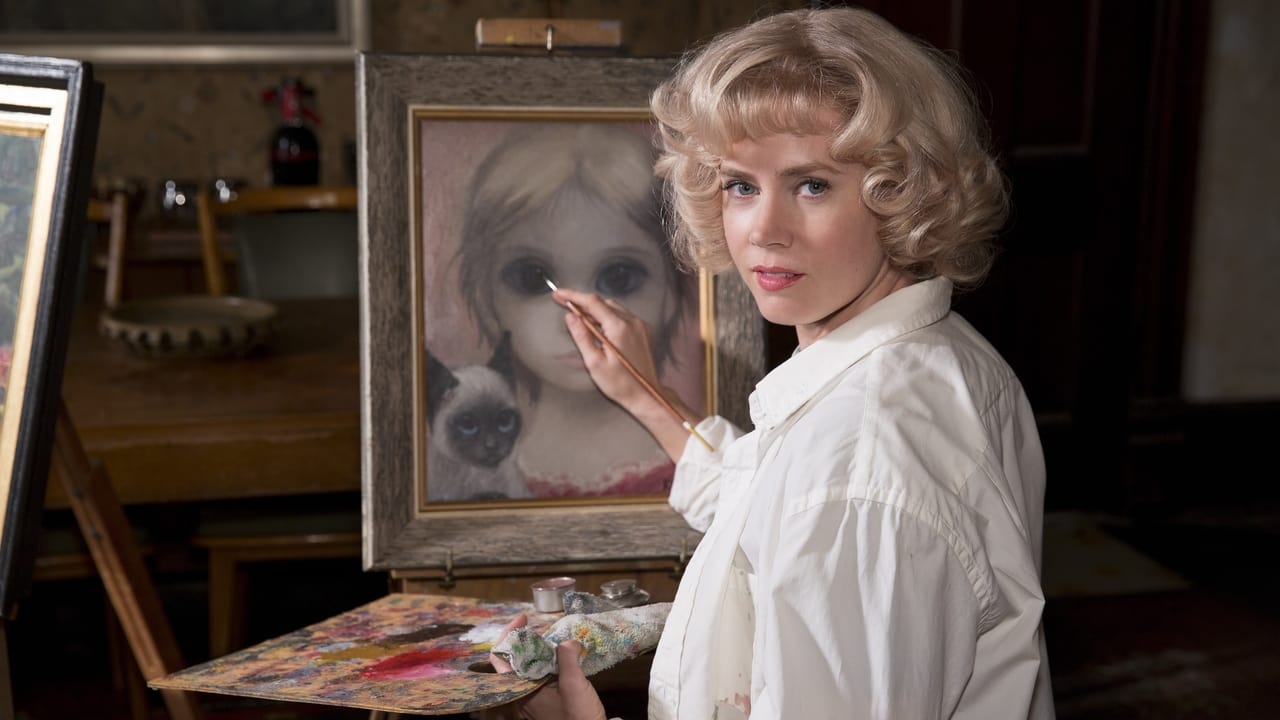
By 2014, the "Burton Aesthetic" was starting to feel a bit like a tired brand. We’d seen Alice in Wonderland and Dark Shadows, movies where the CGI felt like it was doing the heavy lifting. Big Eyes was a refreshing pivot back to the human-centric storytelling of Ed Wood (1994). It makes sense—the screenplay was written by Larry Karaszewski and Scott Alexander, the same duo who penned Ed Wood.
There’s a shared DNA here: both films celebrate the "outsider" artists that the elite establishment turned its nose up at. The film looks gorgeous, thanks to cinematographer Bruno Delbonnel, who worked with Burton on Dark Shadows. Instead of murky greys, we get the saturated, Technicolor pop of 1960s California. It’s bright, it’s sunny, and yet it feels utterly claustrophobic whenever Margaret is trapped in her secret studio, painting under her husband’s shadow. It’s a reminder that Burton doesn't need monsters to create a sense of unease; he just needs a husband who won't stop talking.
The Kitsch and the Cult
The Keanes’ work was the definition of "low art" that became a massive commercial phenomenon. It’s fascinating to see Jason Schwartzman (who previously worked with Wes Anderson on Rushmore) pop up as a snobby gallery owner who sneers at the big-eyed waifs. The film digs into that tension between what the public loves and what critics respect.
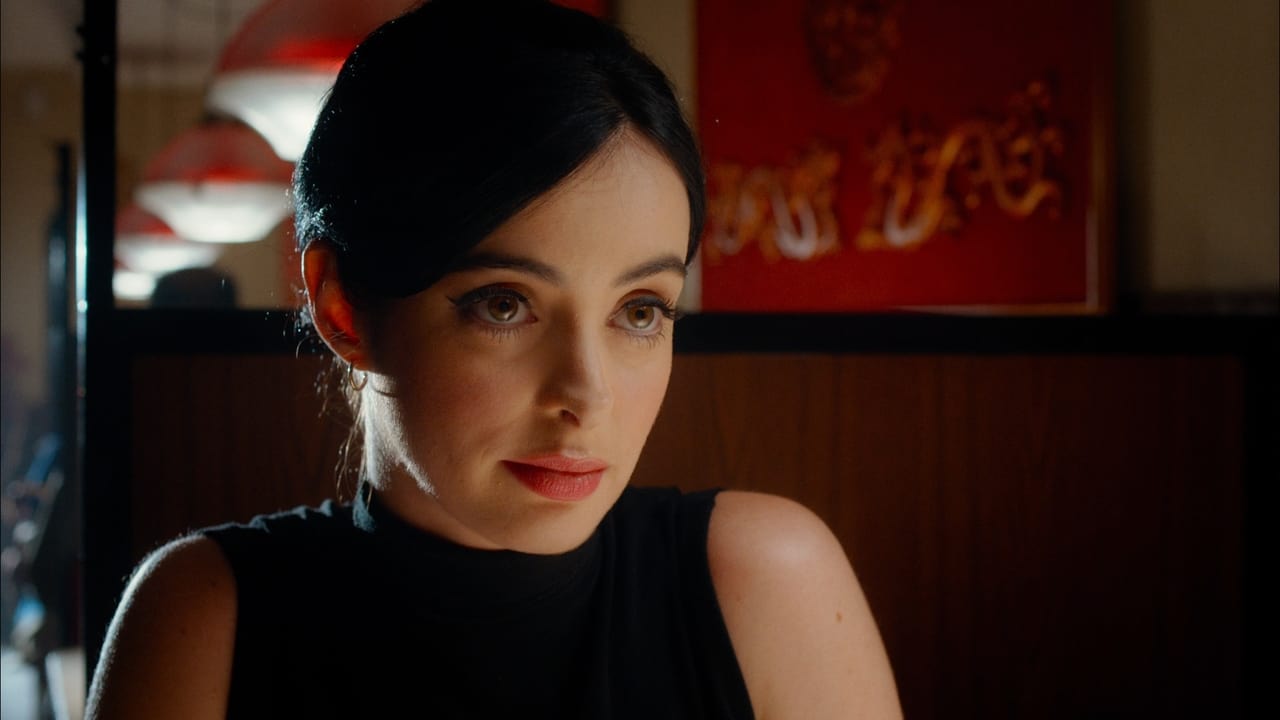
Apparently, Tim Burton is a huge fan of the real Margaret Keane and has commissioned several portraits from her over the years. You can feel that genuine affection in every frame. If you look closely during the scene where Margaret and Walter are in the park, the real Margaret Keane—then in her late 80s—is sitting on a bench in the background. It’s those kinds of details that make the movie feel like more than just a biopic; it feels like a belated apology from the art world to a woman who was erased from her own career.
The courtroom climax in Hawaii is where the film finally lets its hair down. It’s a tonal shift that leans into pure farce, but it’s earned. After nearly two hours of watching Margaret get crushed under Walter’s ego, seeing her finally pick up a brush to prove her worth is one of the most satisfying "cheer" moments in 2010s cinema.
Big Eyes is a fascinating look at the mid-century gender divide, wrapped in a vibrant, slightly surreal aesthetic. While Christoph Waltz occasionally threatens to chew the scenery right out of the frame, the film is anchored by Amy Adams’ masterful, understated performance. It’s a story about finding your voice—and your signature—even when the person you love is trying to sign your name for you. If you’ve ever felt like an imposter or struggled to take credit for your own hard work, this one will hit home.


Keep Exploring...
-
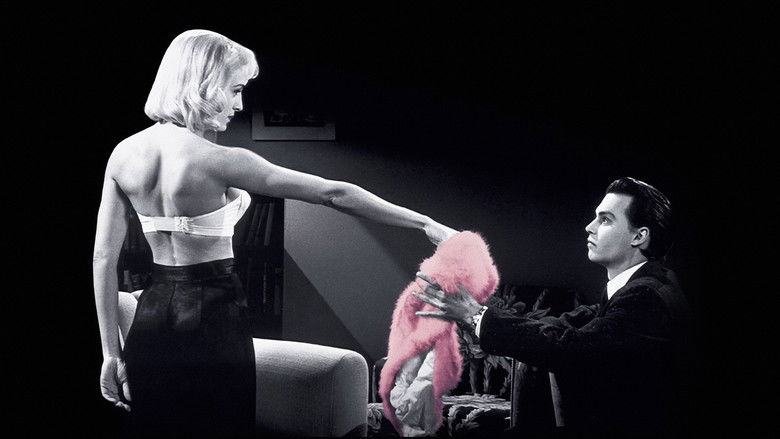
Ed Wood
1994
-
Edward Scissorhands
1990
-
Big Fish
2003
-
Frankenweenie
2012
-
Miss Peregrine's Home for Peculiar Children
2016
-

Dark Shadows
2012
-
Moonrise Kingdom
2012
-
Corpse Bride
2005
-
Sweeney Todd: The Demon Barber of Fleet Street
2007
-

Carnage
2011
-

Mars Attacks!
1996
-
Sleepy Hollow
1999
-
(500) Days of Summer
2009
-
A Serious Man
2009
-

Adventureland
2009
-

Brothers
2009
-
My Sister's Keeper
2009
-
The Road
2009
-
The Time Traveler's Wife
2009
-
127 Hours
2010