Big Hero 6
"A warm hug wrapped in a titanium suit."
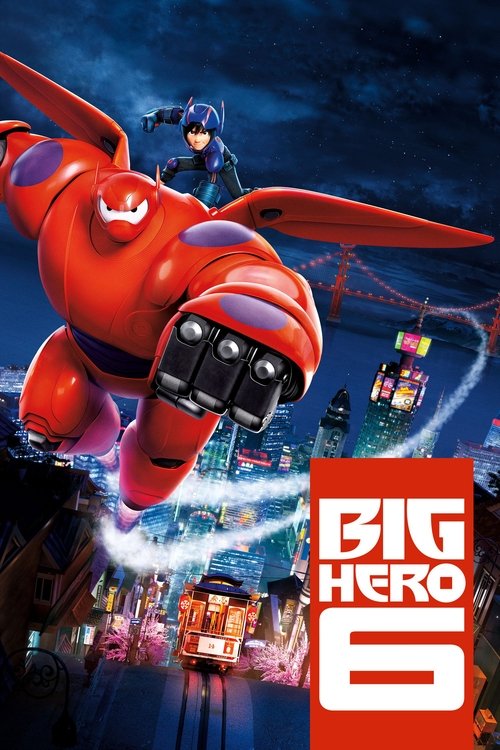
The neon-soaked streets of San Fransokyo represent a peak of world-building that 2014-era Disney didn't even need to attempt, yet they went all-in anyway. It’s a city where the Golden Gate bridge sports torii gates and cable cars hum past cherry blossoms, creating a hybrid aesthetic that feels more "lived-in" than almost any other animated metropolis. When I first sat down to watch this—while distractedly trying to pick a stubborn piece of popcorn out of my molar for the first twenty minutes—I expected a standard-issue Marvel clone. What I got instead was a surprisingly tender exploration of how we process loss, disguised as a high-octane superhero origin story.
The Softest Revolution in CGI
By the time Big Hero 6 rolled around, we were well into the "Disney Revival" era. Tangled (2010) and Frozen (2013) had already proven the studio could match Pixar’s emotional depth, but this film was their technical flex. They developed a brand-new rendering engine called "Hyperion" specifically to handle the way light bounces through Baymax’s translucent, inflatable vinyl skin.
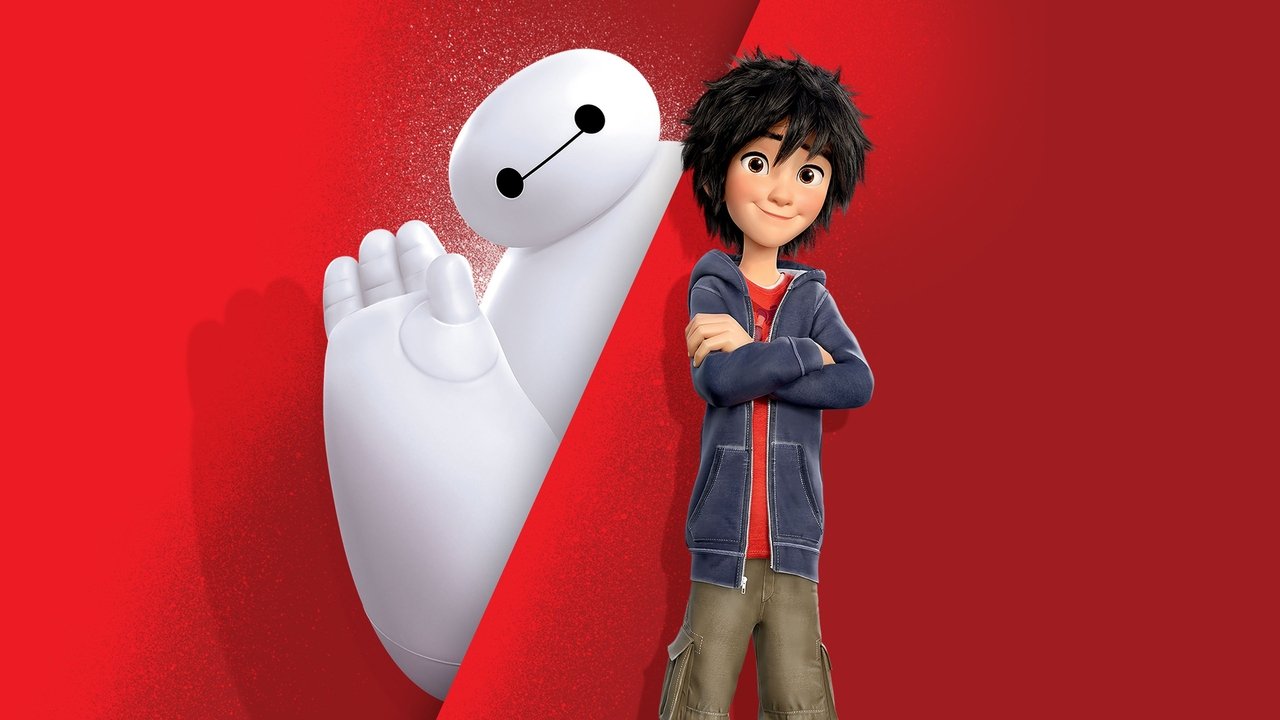
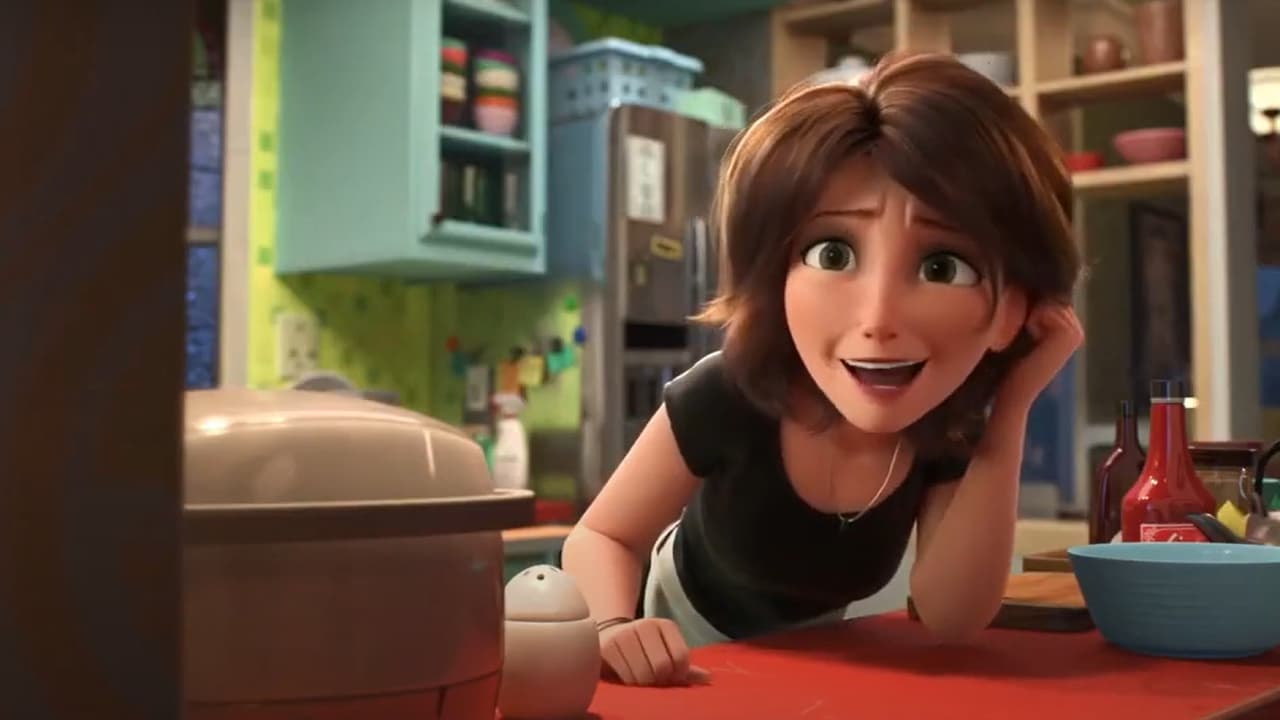
Scott Adsit delivers what I genuinely believe is one of the most difficult voice performances in the modern era. How do you make a character sound intentionally robotic while still projecting more soul than most human protagonists? Baymax is the ultimate subversion of the "killer robot" trope that dominated the 90s and early 2000s. Instead of a T-800, we got a "personal healthcare companion" that looks like a giant marshmallow and walks like a toddler with a full diaper. Watching Ryan Potter’s Hiro Hamada bounce his teenage angst off Baymax’s literal and figurative softness is the engine that drives the film. The plot is basically a grief counseling session that occasionally gets interrupted by a guy in a kabuki mask throwing millions of tiny magnets.
Action with Actual Weight
The action choreography here is where the "Marvel" influence (the film is very loosely based on an obscure Marvel comic) shines through. The microbots—those tiny, swarming black units Hiro invents—are a visual triumph. They move like liquid, like a hive-mind wave that feels genuinely threatening because of how unpredictable they are.
When the team finally suits up, it’s not just a montage of cool gadgets; it’s a reflection of their personalities. I love that Jamie Chung’s GoGo Tomago isn’t just "the fast one"—she’s a stoic, bubble-gum-snapping speed freak who uses mag-lev discs. Damon Wayans Jr. brings a hilarious "straight man" energy to Wasabi, a character whose superpower is basically being the only person worried about safety regulations and orderly filing.
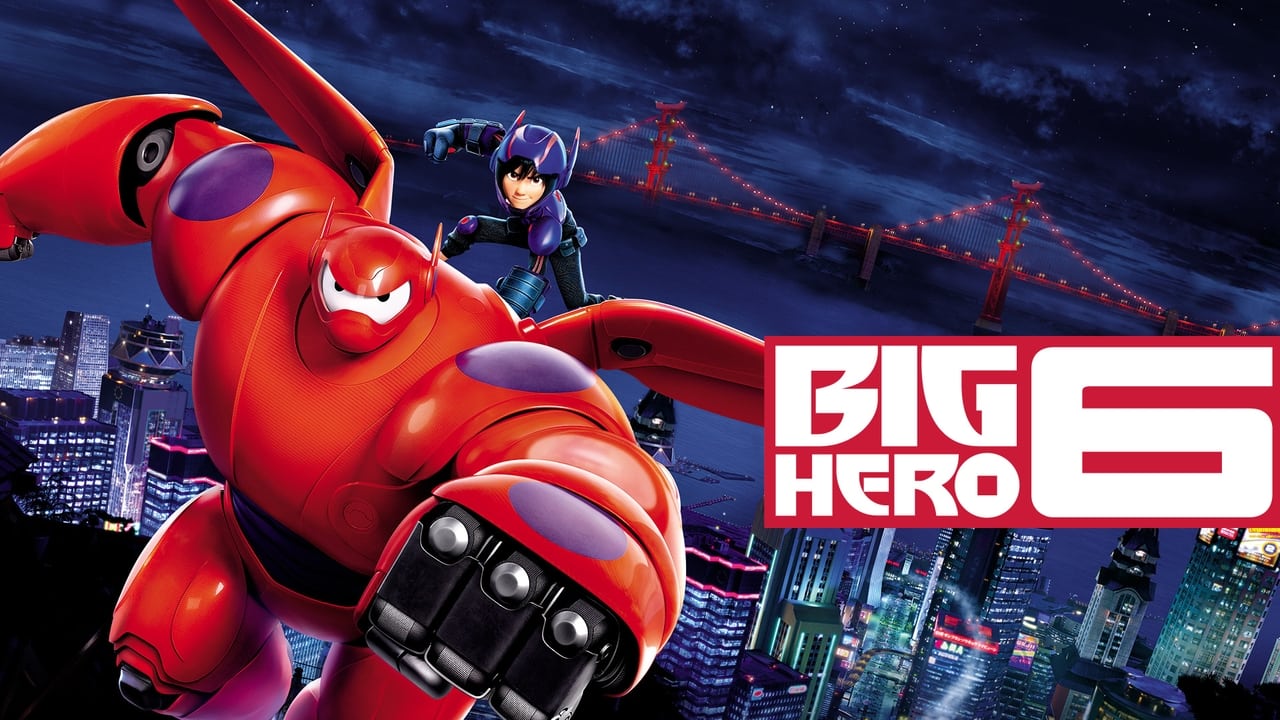
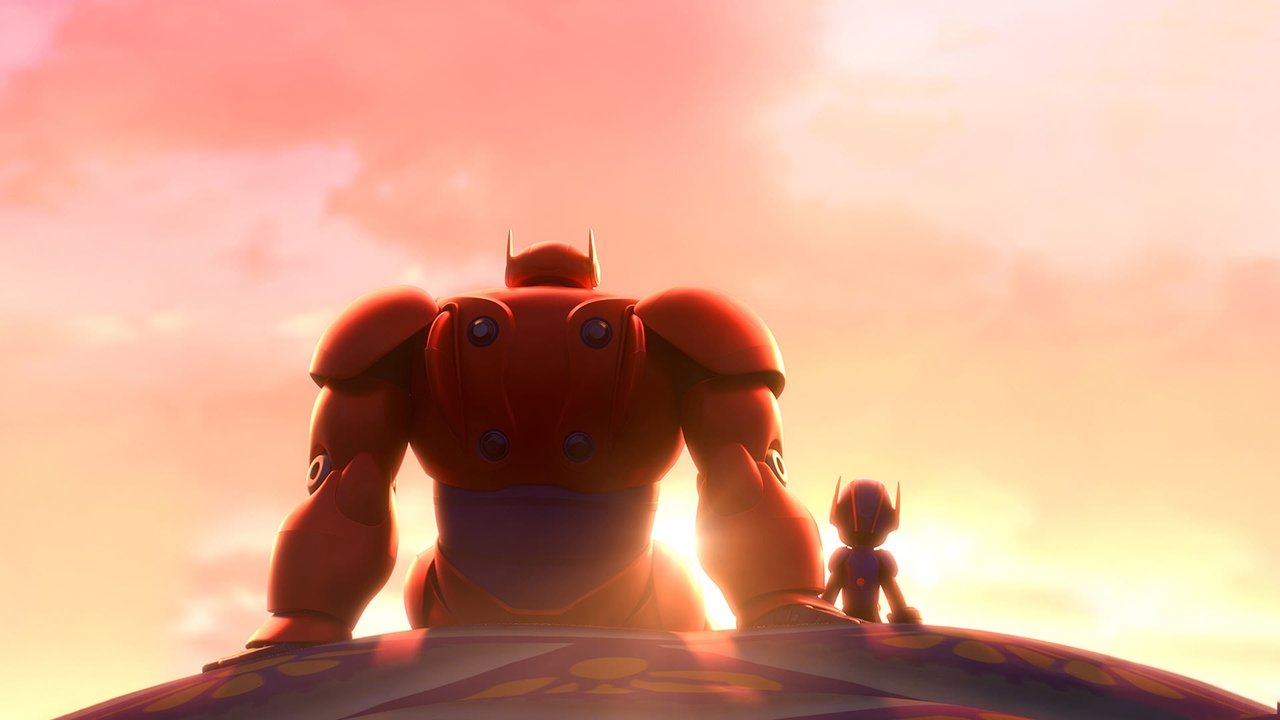
The flight sequences, particularly the one where Hiro and Baymax soar over the city and rest on the wing of a wind-turbine kite, are breathtaking. It captures that specific post-9/11 superhero cinema yearning for "the hero in the sky," but it replaces the grit of Man of Steel (2013) with a sense of pure, unadulterated wonder. Henry Jackman’s score (he also did Captain America: The Winter Soldier) perfectly bridges the gap between orchestral heroism and synth-heavy tech-vibes.
The $657 Million Fist Bump
Looking back, it’s easy to forget how massive this movie was. It raked in over $657 million worldwide, becoming the highest-grossing animated film of 2014. But its real legacy isn't in the box office—it’s in the "sick-bay" aesthetic. Baymax became an instant cultural icon, the kind that moves millions in merchandise because every kid (and most adults) just wanted to give him a hug.
The film also managed to sneak in a very sophisticated take on the "revenge vs. justice" debate. Without spoiling the third act, the way Hiro deals with his anger toward the villain is far more nuanced than your average Saturday morning cartoon. It acknowledges that grief makes you want to break things, and sometimes you need a robot who can’t feel pain to tell you that it’s okay to hurt.
Cool Details & Nerd Stuff
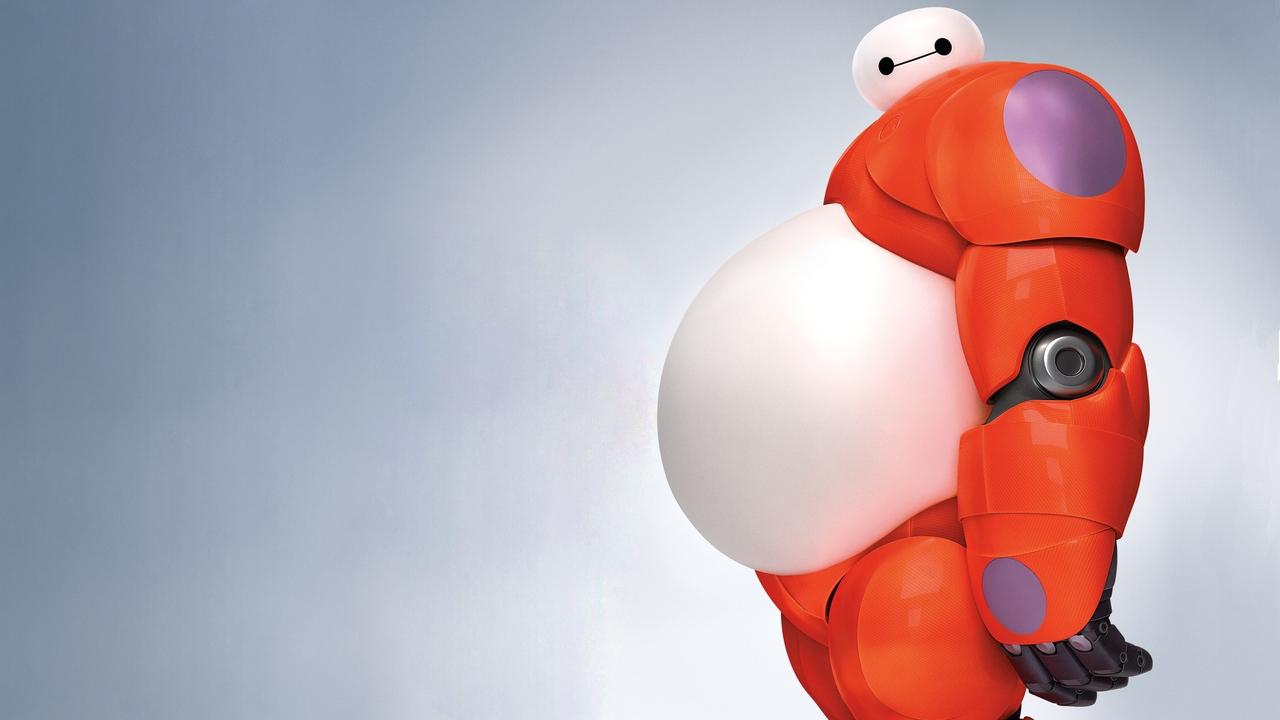
The "fist bump" that everyone does now? The filmmakers actually spent weeks researching "soft robotics" at Carnegie Mellon University to figure out how a real inflatable robot would interact with humans. T.J. Miller plays Fred, the resident comic-book nerd, and his room is a literal Easter egg hunt. If you look closely at the background, you can spot a statue of Prince Hans from Frozen and several nods to obscure Marvel characters. The film’s budget of $165 million was gargantuan for the time, but you see every cent on the screen, especially in the "Portal" sequence which pushed 2014 hardware to its absolute limit. Stay for the post-credits scene—it features a legendary cameo that officially bridges the Disney/Marvel gap in the most hilarious way possible.
Big Hero 6 is that rare blockbuster that manages to be both a technical marvel and an emotional powerhouse. It arrived at a time when we were starting to get "superhero fatigue," yet it felt entirely fresh because its heart wasn't made of iron—it was made of air and empathy. It’s a film that understands that the most powerful thing a hero can do isn't to punch a villain into a building, but to ask, "On a scale of one to ten, how would you rate your pain?"
Even a decade later, the flight through the San Fransokyo clouds remains one of the most joyous sequences in modern animation. It’s a movie that invites you to be a kid again, while acknowledging that growing up involves some pretty tough goodbyes. I’m still waiting for my own personal healthcare companion, but until then, this Blu-ray is a pretty good substitute.
Keep Exploring...
-
How to Train Your Dragon 2
2014
-
Winnie the Pooh
2011
-
Kung Fu Panda
2008
-

Brave
2012
-

Puss in Boots
2011
-

Ice Age: Dawn of the Dinosaurs
2009
-

Up
2009
-
Rio
2011
-
The Croods
2013
-
The Lego Movie
2014
-

Ice Age
2002
-

Sinbad: Legend of the Seven Seas
2003
-

Bolt
2008
-
Kung Fu Panda 3
2016
-
Wreck-It Ralph
2012
-

A Bug's Life
1998
-
Shrek
2001
-
Shrek 2
2004
-

Madagascar
2005
-
Cars
2006