Birdman or (The Unexpected Virtue of Ignorance)
"Ego is the ultimate special effect."
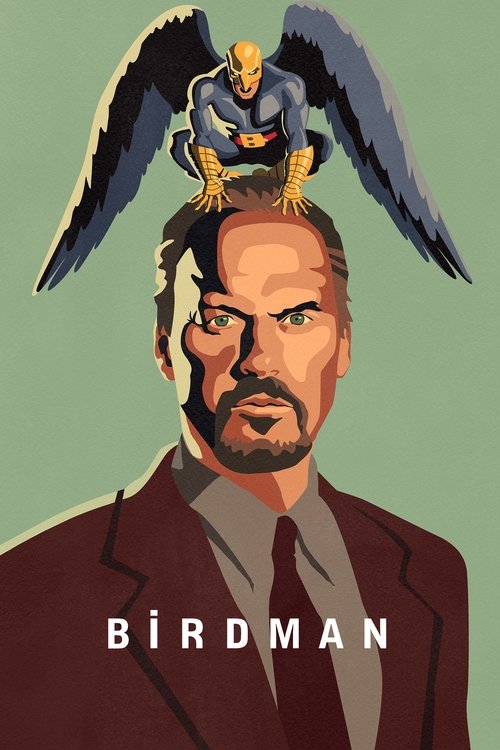
The jazz drums hit before you even see a frame of film. It’s a frantic, stumbling, caffeine-jittery rhythm that feels like a panic attack set to music. When the image finally arrives, we’re staring at the back of Michael Keaton’s head as he levitates in his dressing room. In that opening minute, Alejandro González Iñárritu (the man behind Amores Perros and Babel) isn't just asking for our attention; he’s grabbing us by the collar and dragging us into the labyrinthine guts of Broadway’s St. James Theatre.
I first watched this film while nursing a lukewarm Diet Coke and wearing a wool sweater that was just a little too itchy, and honestly, the physical discomfort only added to the experience. Birdman isn't a movie you sit back and observe; it’s an endurance test for the ego, a 120-minute anxiety dream that somehow manages to be the funniest thing released in 2014.
The Illusion of the Unbroken Thread
By now, the "gimmick" is legendary: the entire movie is edited to look like one continuous, uninterrupted take. In an era where digital effects were being used to build entire planets in the MCU, Iñárritu and cinematographer Emmanuel Lubezki (who had just come off the space-spinning Gravity) used that same technology to make a New York theater feel like a claustrophobic submarine.
Looking back, 2014 was a pivotal moment in the "Digital vs. Analog" debate. We were right in the thick of the franchise explosion, and Birdman feels like a meta-commentary on that transition. It uses the very digital "stitching" techniques that power superhero blockbusters to tell a story about a man trying to escape them. The camera prowls through narrow hallways, up rickety stairs, and out into the neon madness of Times Square without ever blinking. It creates a sense of momentum that makes most modern action movies feel sluggish by comparison. It’s a technical tightrope walk that occasionally feels like the director is showing off just to see if he can get away with it, but the energy is undeniable.
Meta-Casting and the Death of the Movie Star
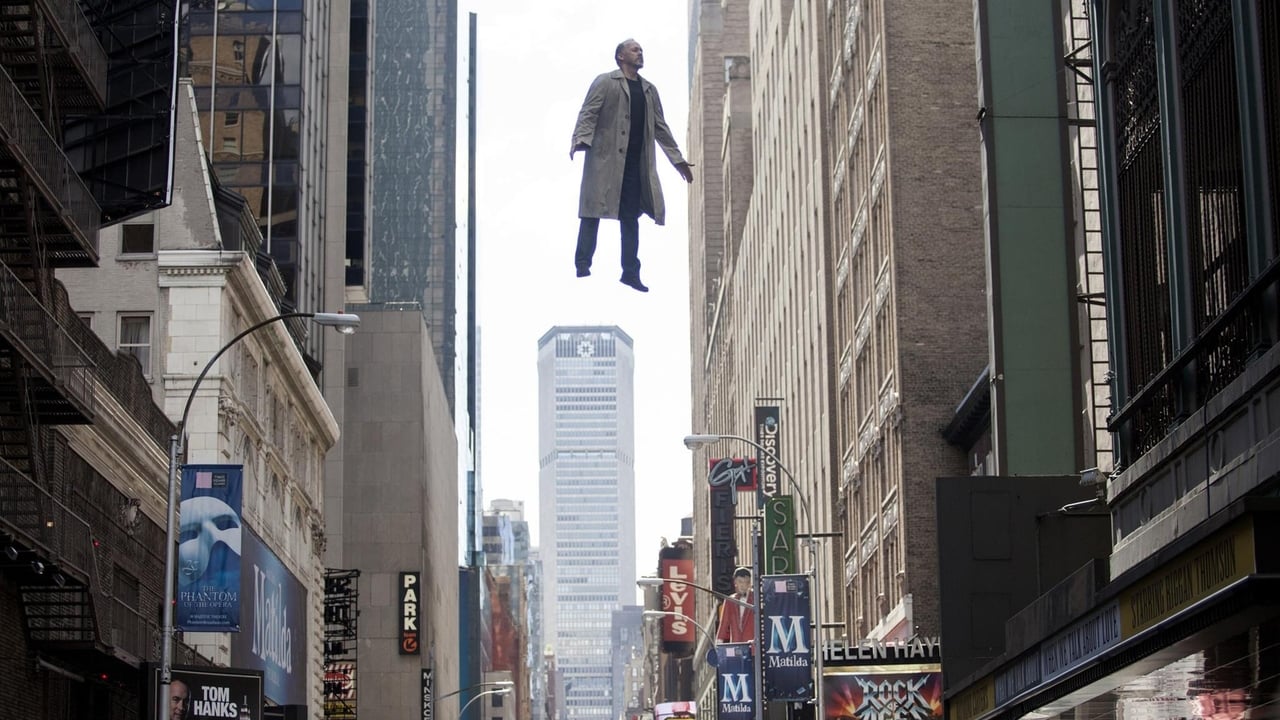
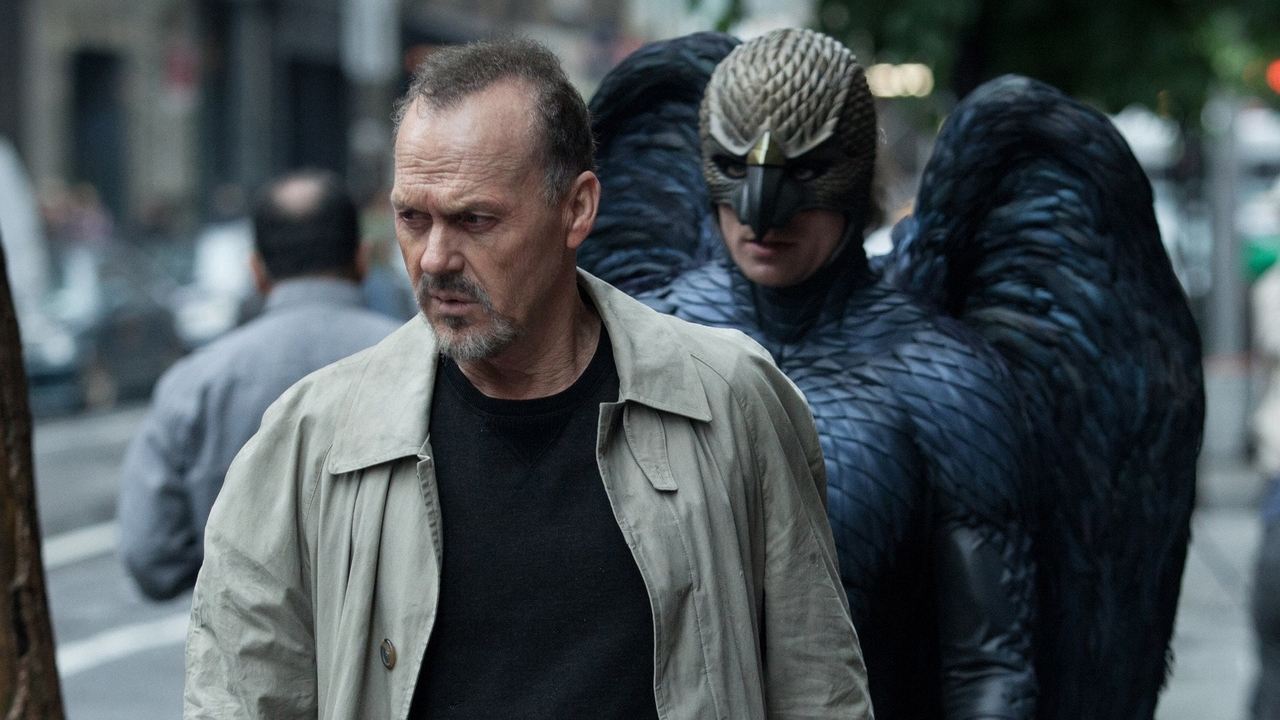
The genius of the film lies in its casting. Michael Keaton playing Riggan Thomson—a fading star haunted by the gravelly-voiced specter of his 90s superhero persona—is the kind of meta-narrative that critics salivate over. Having the original Batman (1989) play a man terrified of being irrelevant in a world obsessed with capes and sequels was a stroke of brilliance. Keaton is raw here; he’s vulnerable, aging, and acting like he’s trying to swallow his own tongue out of sheer intensity.
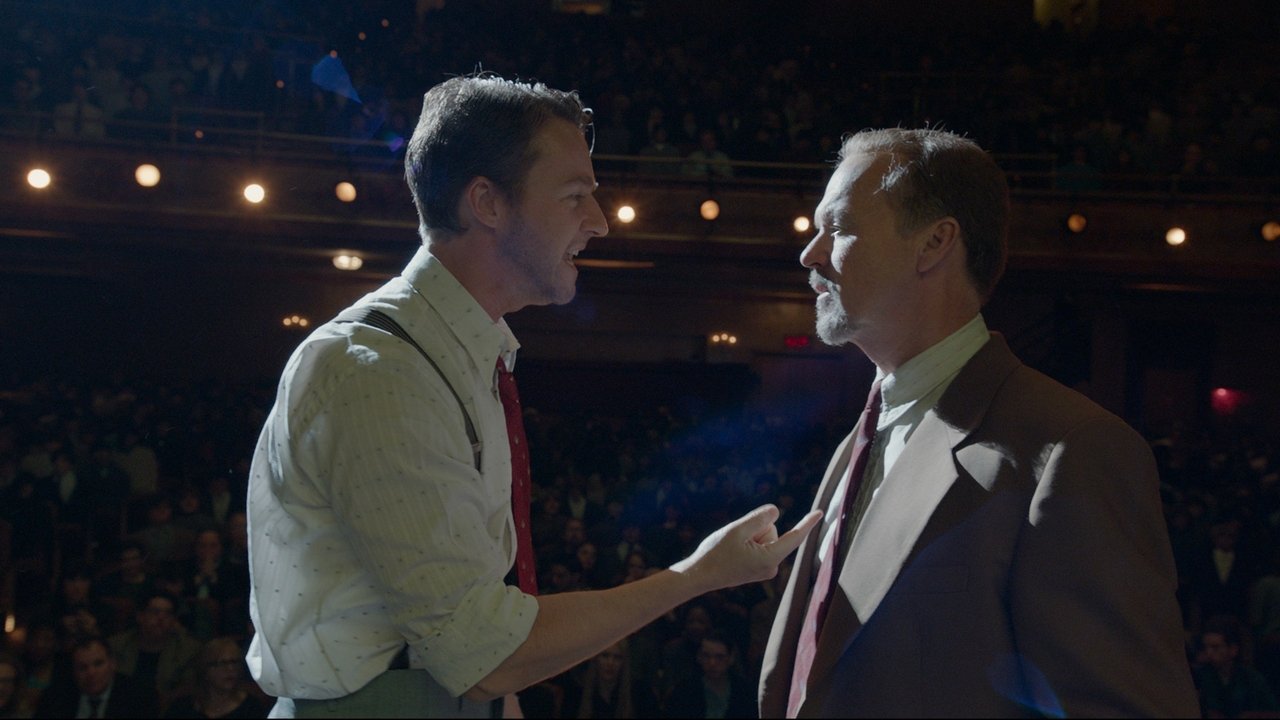
Then you have Edward Norton as Mike Shiner, the "serious" theater actor who is a total nightmare to work with. Rumors of Norton’s own difficult reputation on sets like The Incredible Hulk make his performance here feel like a hilarious act of self-exorcism. When he and Keaton get into a screaming match about "art" versus "popularity," it feels less like a script and more like a private industry argument we weren't supposed to hear.
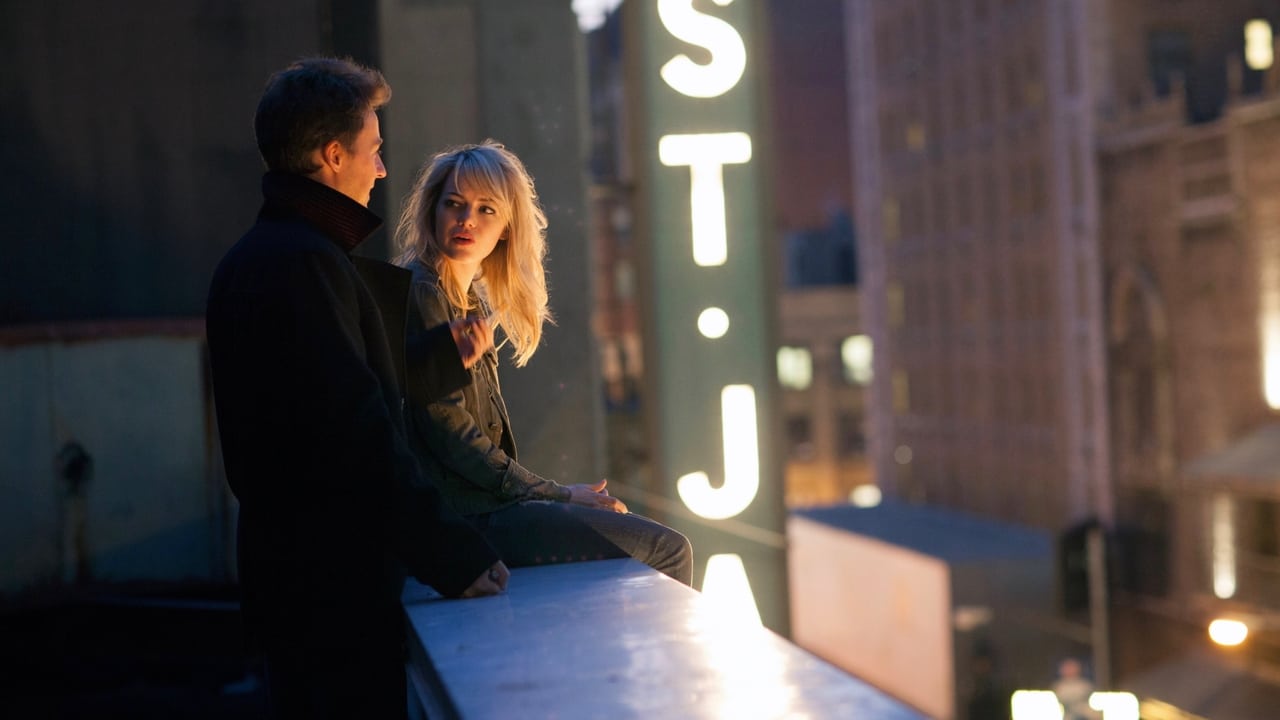
The ensemble is rounded out by Emma Stone as Riggan’s daughter, Sam. Her monologue about why Riggan’s play doesn't matter in the age of Twitter and viral clips is the film’s heartbeat. It’s a reminder that by 2014, the "cultural conversation" had moved from the New York Times theater critic to the kid with a smartphone. Zach Galifianakis, stepping away from his Hangover persona, is surprisingly grounded as the stressed-out producer trying to keep the wheels from falling off.
A Cultural Exorcism
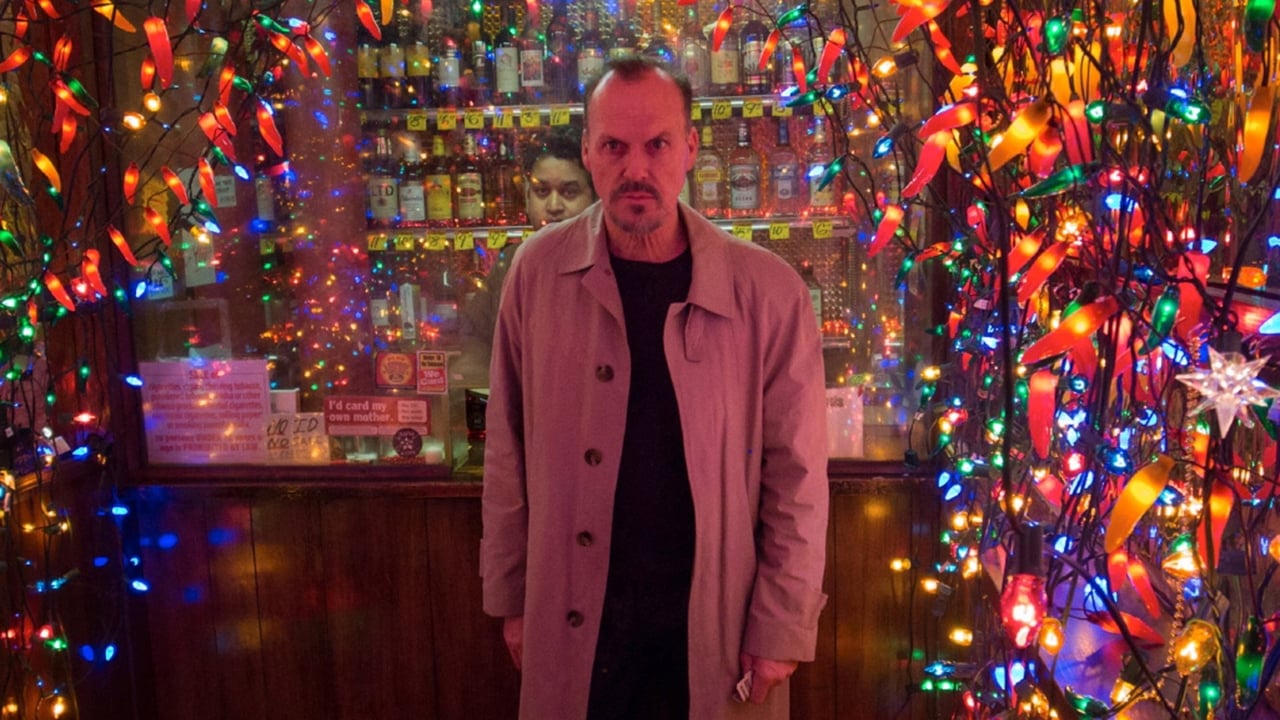
Is it a drama? A comedy? A psychological thriller? Yes. Birdman thrives in the blurry spaces between genres. There’s a sequence where Keaton gets locked out of the theater and has to walk through a crowded Times Square in nothing but his tighty-whities. It’s absurd, it’s humiliating, and it’s arguably the most honest moment in the film.
The production was famously grueling. Because of the long-take style, the actors had to memorize up to fifteen pages of dialogue at a time and hit precise marks so the camera wouldn't miss a beat. Apparently, Edward Norton and Zach Galifianakis kept a running tally of who messed up the most takes. This pressure translates to the screen; you can feel the sweat and the desperation of a live performance.
What’s fascinating to see now, a decade later, is how well its critique of "superhero culture" has aged. In 2014, we were just beginning the "Phase 2" era of the MCU. Today, Riggan’s fear that "nothing else matters but the spectacle" feels less like a cranky actor’s lament and more like a prophecy fulfilled. The film manages to celebrate the "unexpected virtue of ignorance" while simultaneously mocking the pretension of the "High Art" crowd.
Birdman is a rare beast: a high-concept art film that actually has a sense of humor about itself. It’s a dizzying, drum-heavy trip into the mind of a man who just wants to be told he’s still important. Whether you view it as a triumph of cinematography or a scathing satire of Hollywood, there’s no denying the sheer, electric "newness" it brought to the screen in 2014. It’s the kind of movie that makes you want to go out and create something—even if you’re terrified everyone will hate it.
Keep Exploring...
-
Love & Other Drugs
2010
-

Arthur Christmas
2011
-
Silver Linings Playbook
2012
-
The Artist
2011
-
The Best Exotic Marigold Hotel
2012
-
Fried Green Tomatoes
1991
-
The Santa Clause
1994
-
About a Boy
2002
-

About Schmidt
2002
-
Mean Girls
2004
-

The Devil Wears Prada
2006
-
The Bucket List
2007
-
Babel
2006
-
As Good as It Gets
1997
-
Stepmom
1998
-
Billy Elliot
2000
-
Lost in Translation
2003
-

Something's Gotta Give
2003
-

Mr. & Mrs. Smith
2005
-
Biutiful
2010