Boyhood
"Life isn't a movie; it’s a million small moments."
The sheer logistical audacity required to make Boyhood should have resulted in a disaster. Usually, when a director asks a studio for money, they have a finished script and a three-month shooting schedule. Richard Linklater walked into IFC Productions with a pitch that sounded like a fever dream: he wanted to film the same group of actors for a few days every year for over a decade. There was no completed screenplay—just a blueprint. If the lead kid decided he hated acting at age ten, or if the lead actors had a falling out, the whole thing would have collapsed into a pile of expensive, unusable footage. It is a miracle of patience and insurance policies.
I watched this film for the first time while sitting in a very uncomfortable wooden chair that creaked every time I breathed, yet I didn’t move for nearly three hours. I was too busy checking my own metaphorical pulse. Boyhood isn't just a movie; it’s a biological time-lapse that manages to capture the specific, mundane ache of existing in the 21st century.
The Great Human Gamble
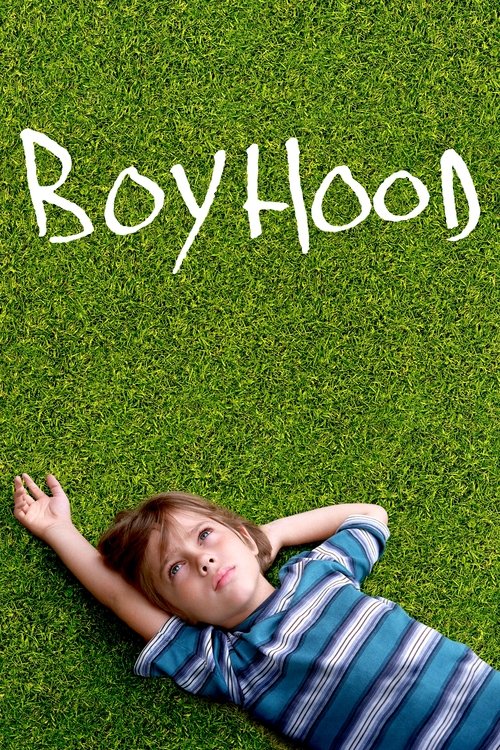
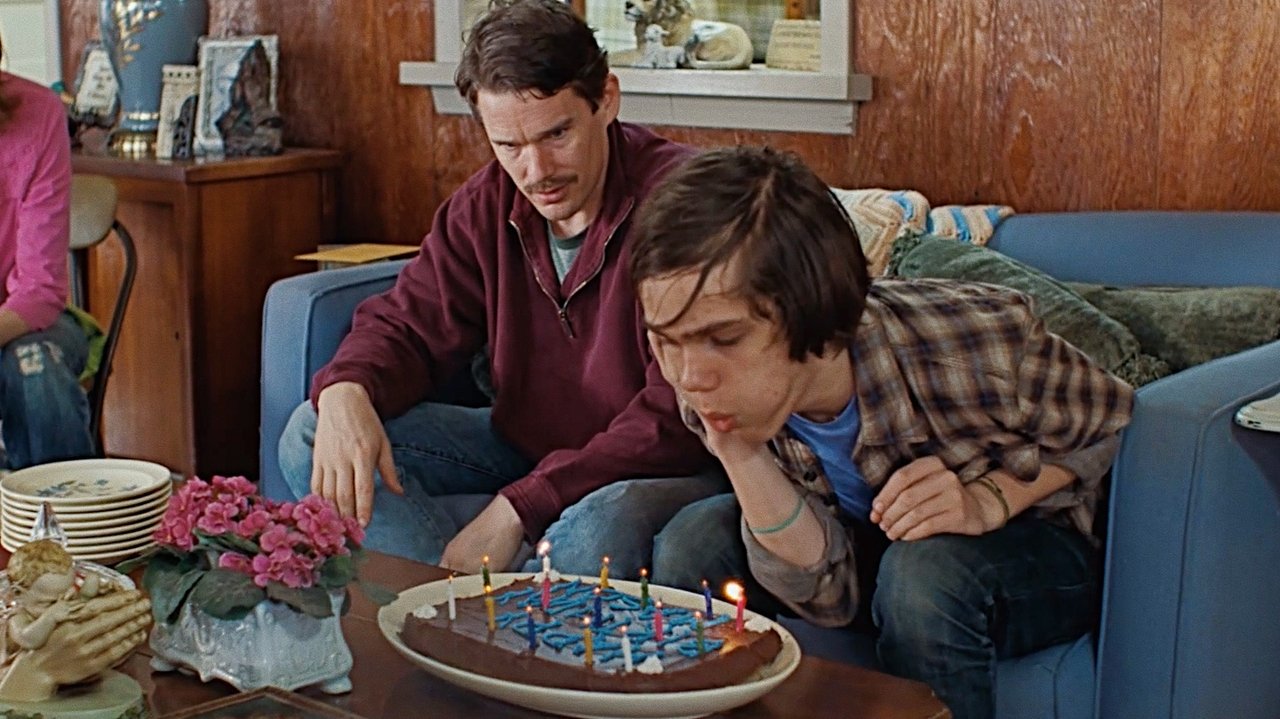
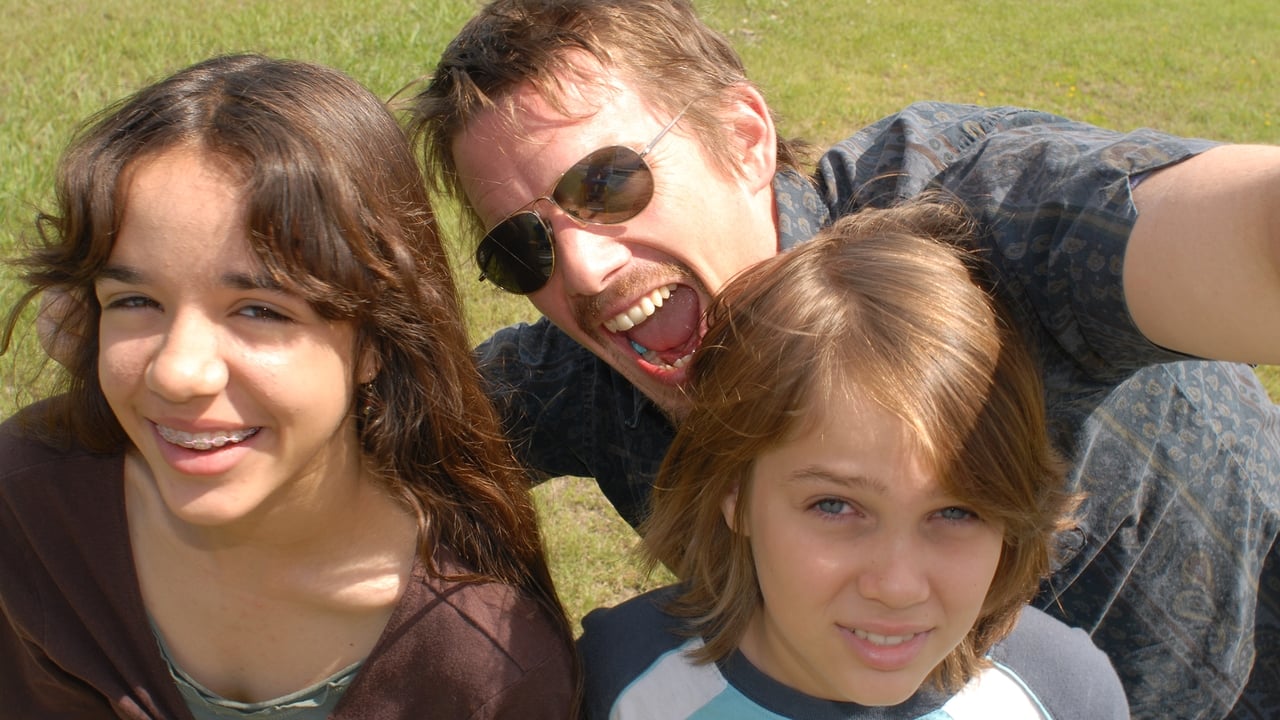
At the center of this experiment is Ellar Coltrane, who plays Mason. When we first meet him, he’s a six-year-old staring at the sky; by the time the credits roll, he’s a college freshman with a questionable goatee. Watching a human being literally assemble themselves on screen is a profound experience that CGI or "de-aging" tech can’t touch. We see the baby fat melt away, the voice crack, and the awkward teenage slouch take hold.
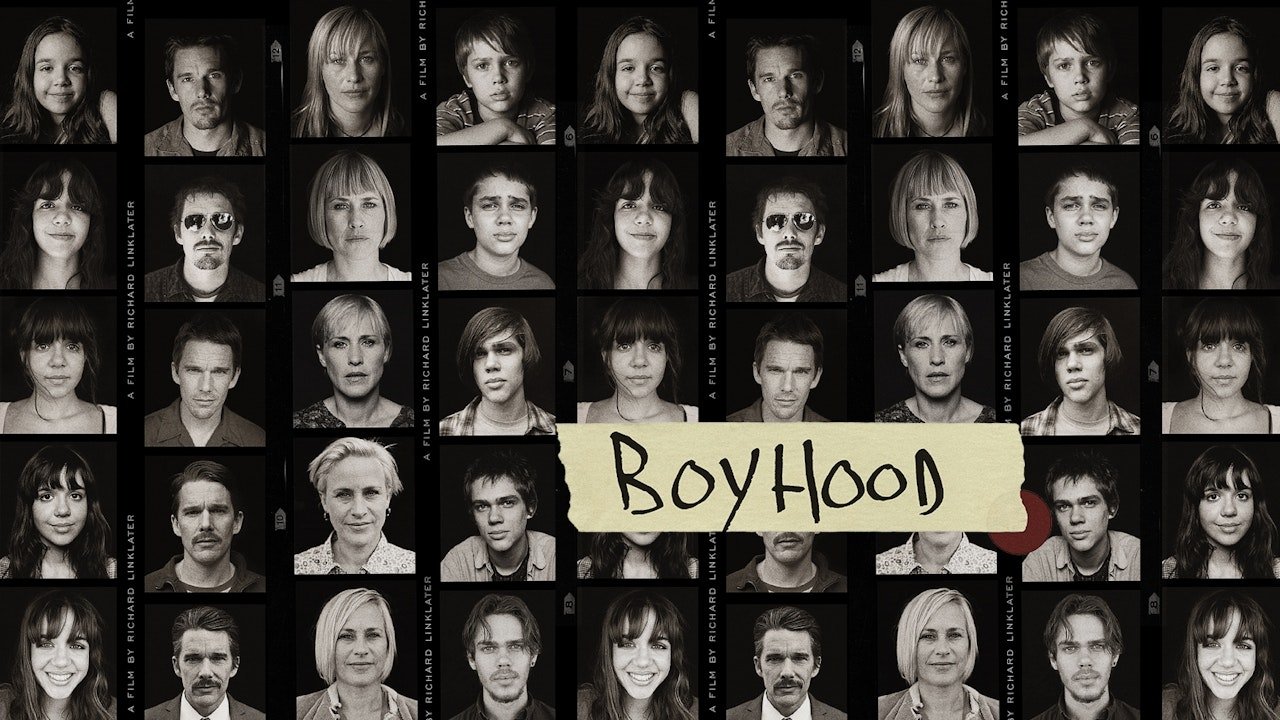
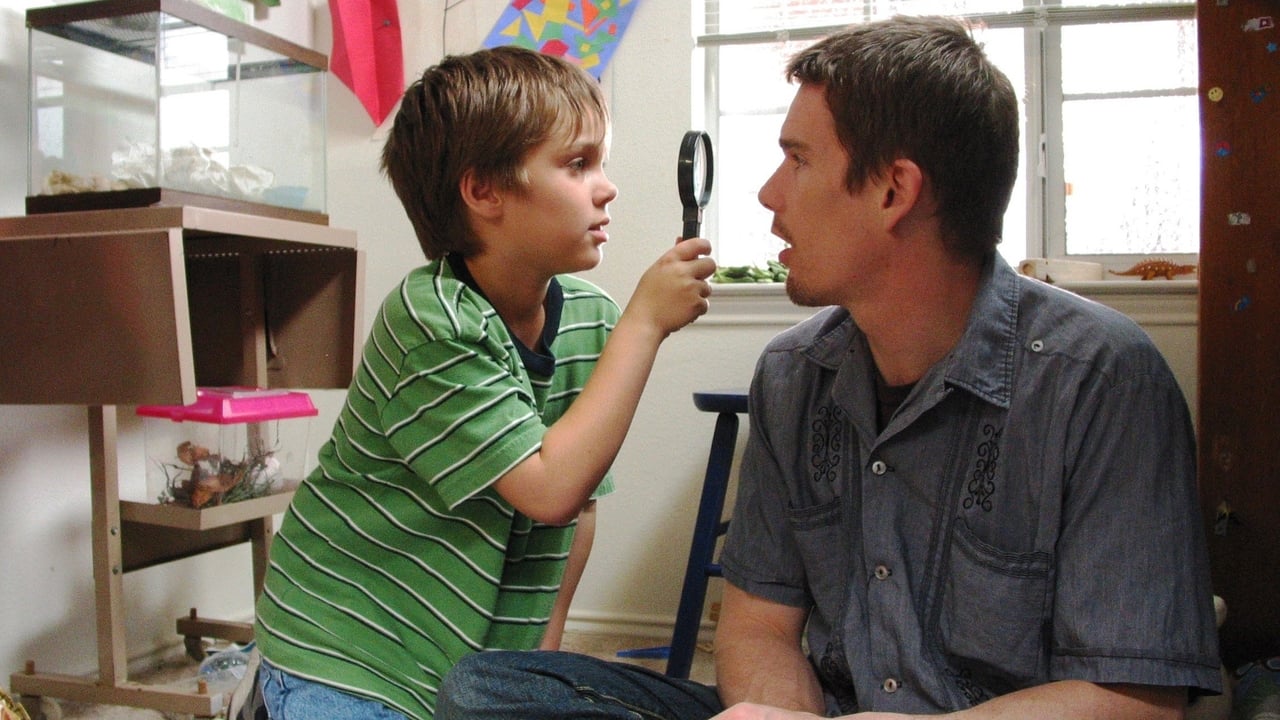
But the real emotional anchors are the parents. Patricia Arquette gives a performance that feels less like acting and more like an open wound. She captures the frantic, often thankless labor of motherhood—the bad marriages, the degree-chasing, the constant moving of boxes. Then there’s Ethan Hawke, playing the "weekend dad" who evolves from a charmingly unreliable man-child into a stable, minivan-driving father. Ethan Hawke has this incredible ability to be both annoying and deeply sympathetic, and seeing him age alongside Ellar Coltrane adds a layer of reality that makes their father-son conversations feel less like scripted scenes and more like eavesdropping.
A Time Capsule of the "In-Between"
What struck me most about revisiting Boyhood is how it functions as a museum of the early 2000s and 2010s. Because it was shot annually between 2002 and 2013, the background noise of the film is the history we just lived through. You see the evolution of the Game Boy, the midnight release of Harry Potter and the Half-Blood Prince, the shift from the Iraq War anxieties to the hope of the 2008 election, and the eventual ubiquity of the iPhone.
Linklater made a conscious choice to shoot on 35mm film for the entire twelve-year span. Looking back, this was a brilliant move. In an era where cinema was rapidly transitioning to digital, staying with film ensured the movie had a consistent visual texture. It prevents the 2002 footage from looking "old" compared to the 2013 footage. Watching this movie feels less like viewing a film and more like being a creepily observant neighbor.
The film avoids the typical "movie moments." There are no grand cinematic climaxes where a character gives a speech in the rain. Instead, Linklater focuses on the "in-between" times—the long car rides, the awkward dinners with a step-dad who drinks too much, the first time you realize your parents don't actually have all the answers. The most dramatic thing that happens in this movie is simply the passage of time, and honestly, that’s more terrifying than any jump-scare.
The Art of the Long Game
The behind-the-scenes trivia is almost as fascinating as the film itself. Because they only shot for a few days a year, the cast and crew became a surrogate family. Lorelei Linklater, the director’s daughter who plays the sister, Samantha, reportedly got so bored with the project around year three or four that she asked her father to kill her character off. Thankfully, he refused, and we get to see her transformation from a bratty kid singing Britney Spears into a thoughtful young woman.
The budget was a mere $4 million spread over twelve years. To put that in perspective, that’s roughly what a Marvel movie spends on the craft service table during a slow week. This was a "passion project" in the truest sense. There was a legal catch, too: you can’t sign a contract for more than seven years of work in California, so the actors weren't even legally bound to finish the film. They stayed because they were invested in the narrative of their own lives.

The film's rhythm is deliberate, and at 166 minutes, it asks for your patience. But it earns it. By the time Mason is packing his car for college, you feel a genuine sense of parental grief. You’ve seen him lose his baby teeth; you’ve seen his first heartbreak. The Harry Potter books are the only thing more consistent than Mason’s evolving haircuts.
Boyhood is a singular achievement that we are unlikely to see repeated anytime soon. It’s a film that demands you look at your own life and realize that the "boring" parts—the conversations in the car, the chores, the aimless afternoons—are actually the parts that matter. It turns the mundane into the monumental.
If you haven't seen it since 2014, it’s time for a rewatch. You’ll find that while Mason was growing up on screen, you were probably doing a fair bit of growing up yourself. It’s a rare piece of art that makes you feel both incredibly small and deeply significant all at once. Grab some tissues, find a comfortable chair (preferably one that doesn't creak), and just let the years wash over you.
Keep Exploring...
-
Before Midnight
2013
-
Waking Life
2001
-
Bernie
2012
-
Before Sunrise
1995
-

Dazed and Confused
1993
-
Before Sunset
2004
-
A Scanner Darkly
2006
-

Blood and Bone
2009
-
Blue Valentine
2010
-
Super
2010
-
The Kids Are All Right
2010
-
Undisputed III: Redemption
2010
-
Winter's Bone
2010
-
Beginners
2011
-
Margin Call
2011
-
Beasts of the Southern Wild
2012
-
Robot & Frank
2012
-
The First Time
2012
-

Short Term 12
2013
-

The Kings of Summer
2013