Calvary
"Seven days to settle a soul."

The first line of Calvary is designed to punch you in the throat. "I first tasted semen when I was seven years old." It’s spoken by an unseen man in a confessional booth to Father James, played with a weary, mountainous grace by Brendan Gleeson. The voice on the other side of the screen isn’t seeking penance; he’s delivering a death sentence. Because the Catholic Church has spent decades protecting the monsters who abused him, he’s decided to kill a "good" priest. He gives James one week to get his affairs in order.
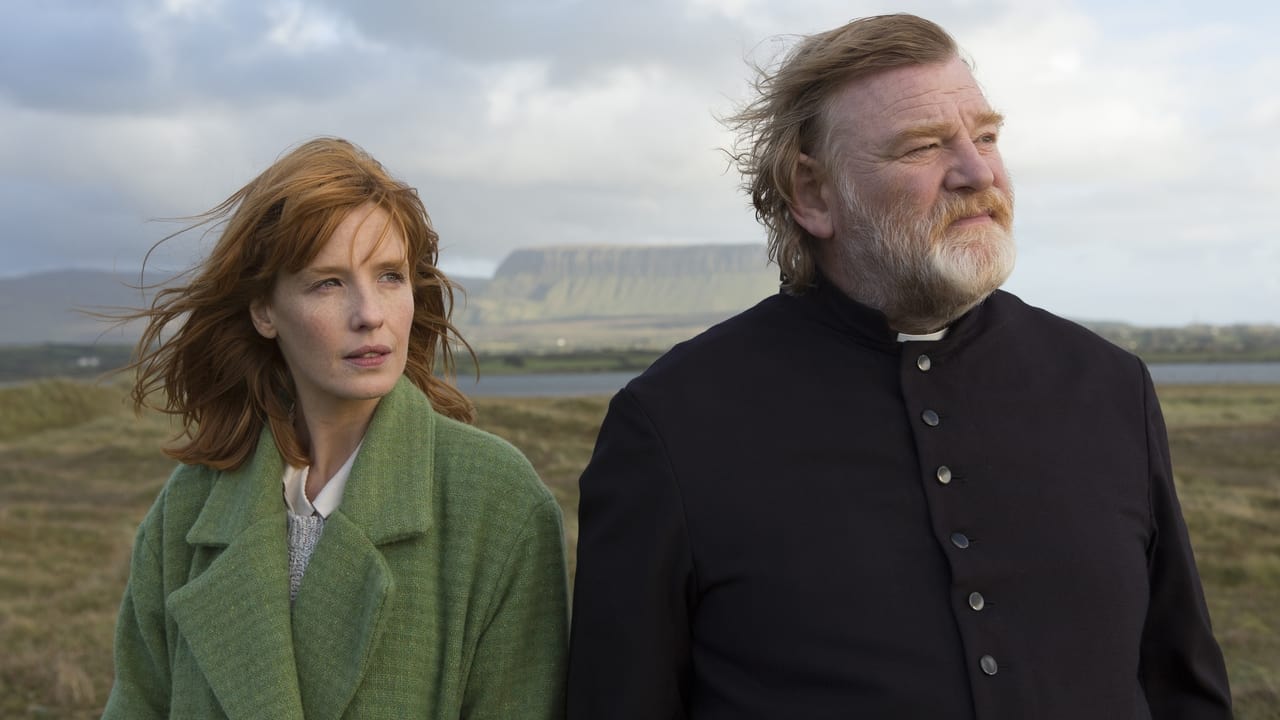
It’s a premise that sounds like a high-concept thriller, but John Michael McDonagh (the equally talented, if slightly more cynical, brother of The Banshees of Inisherin director Martin McDonagh) isn't interested in a whodunnit. He’s interested in a whydunnit. I remember watching this for the first time on a laptop while nursing a truly heinous case of food poisoning from a lukewarm shepherd’s pie, and honestly, the nausea from the pie paired perfectly with the film's unflinching look at a society that has lost its moral compass.
A Shepherd Among Wolves
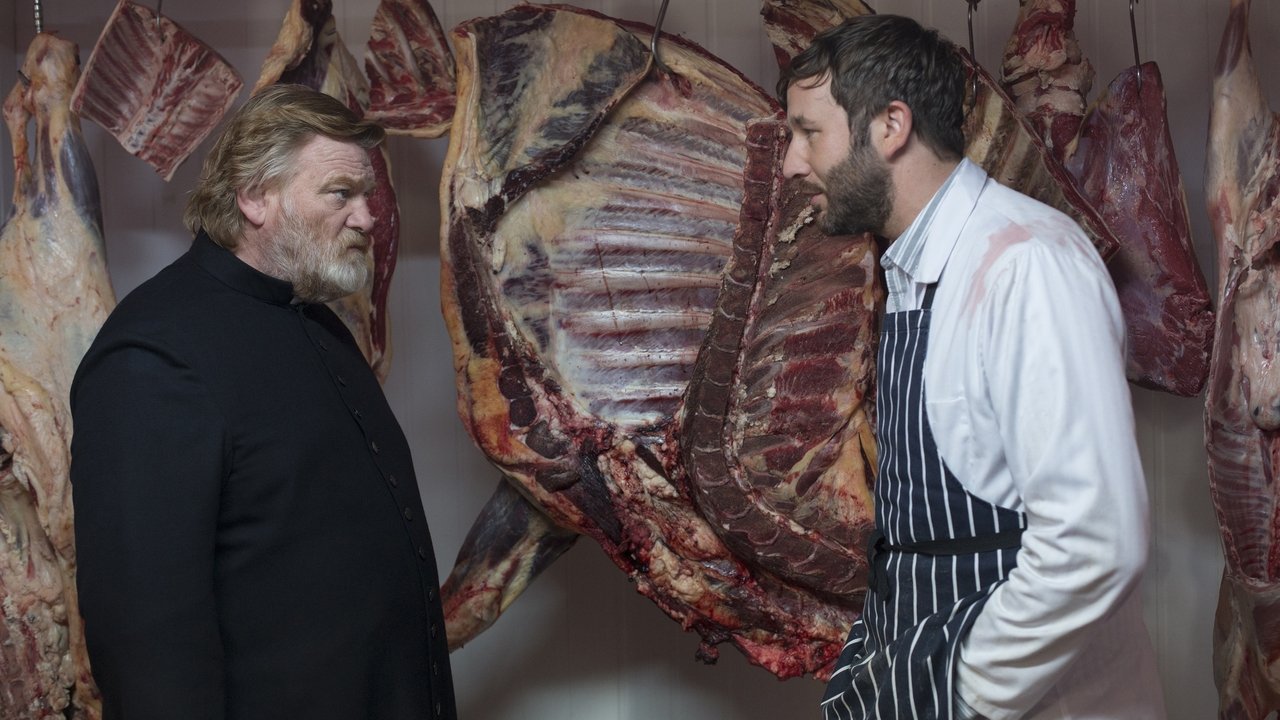
What follows is a seven-day countdown where James walks among his flock in a small Sligo town, and boy, is this flock a collection of absolute bastards. This isn't the whimsical, pint-swilling Ireland of The Quiet Man. This is the Ireland of the post-2008 financial crash, a place where the local surgeon is a nihilist, the wealthy landowner is a lonely sociopath, and the butcher is a domestic abuser.
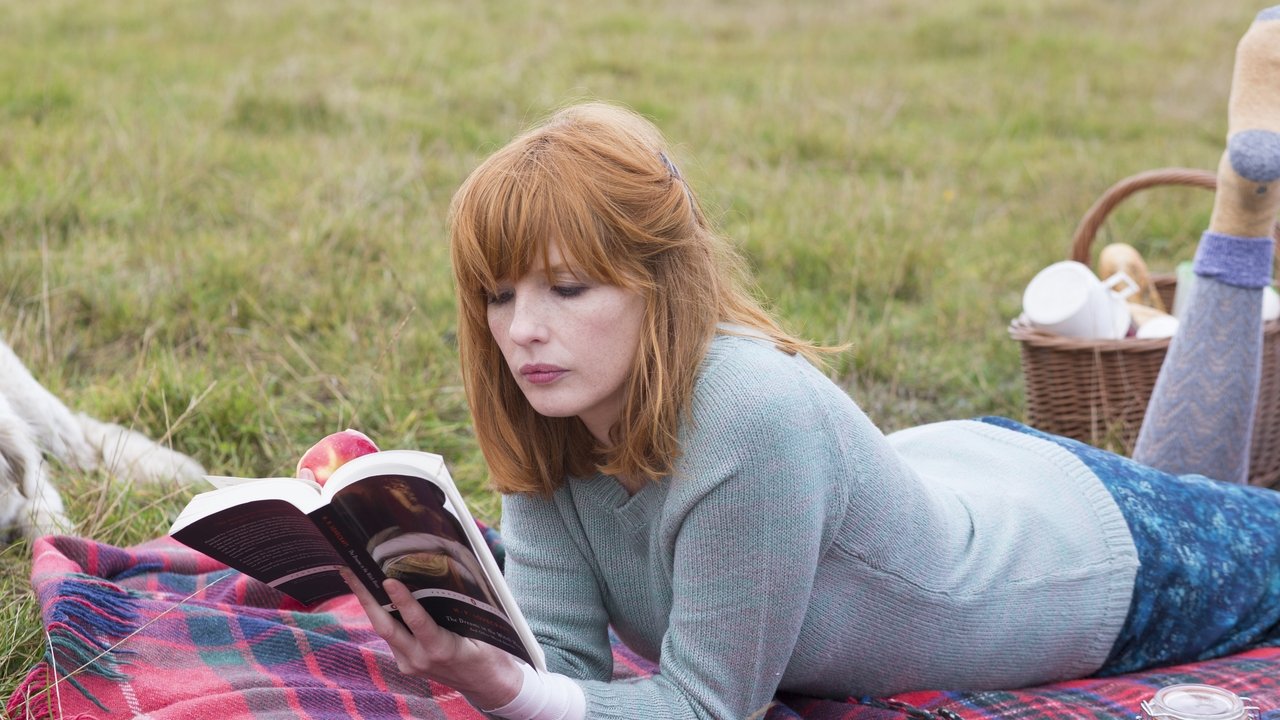
Brendan Gleeson (who was so brilliantly funny in McDonagh’s previous film, The Guard) delivers the performance of his career here. He plays James as a man who is "good" but not "nice." He has a past—he’s a widower who joined the priesthood late in life—and a daughter, Fiona, played with heartbreaking fragility by Kelly Reilly (Yellowstone). Their relationship is the emotional spine of the movie. As James prepares for his potential execution, he’s also trying to reconcile with a daughter who recently attempted suicide. It’s heavy stuff, but Gleeson’s presence is so physical and grounded that it never feels like a "capital-D" Drama. It just feels like life.
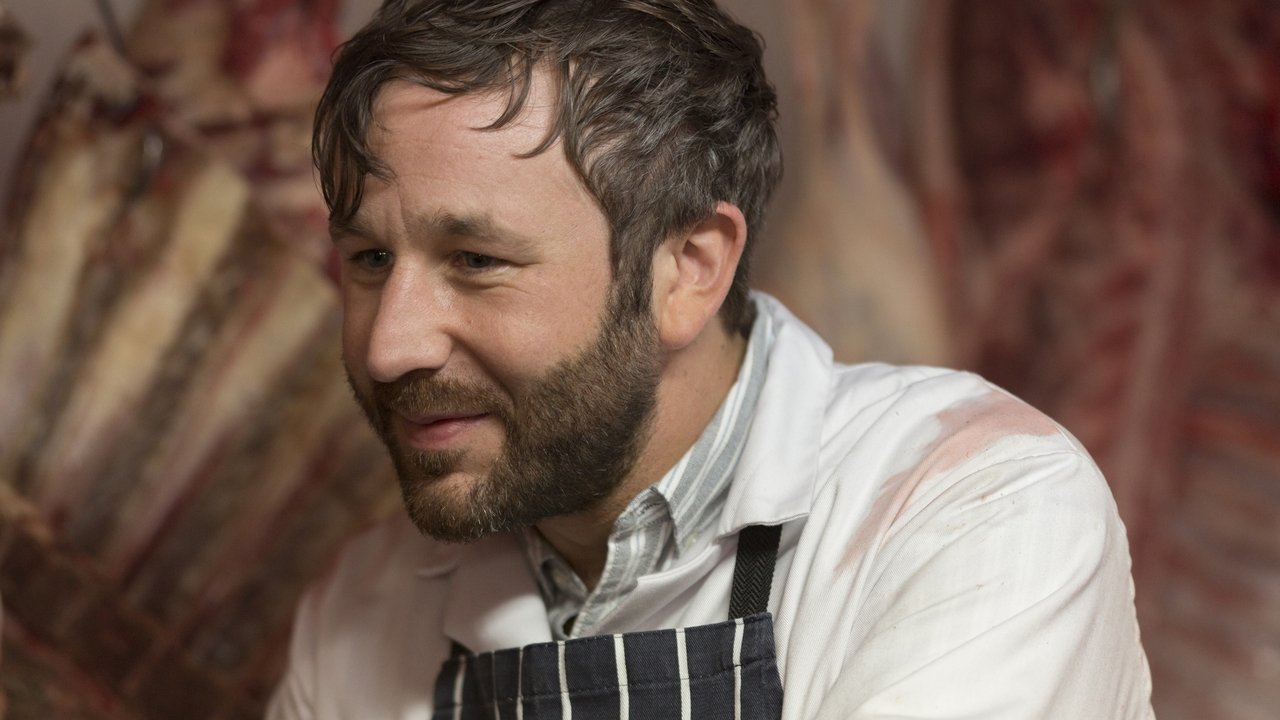
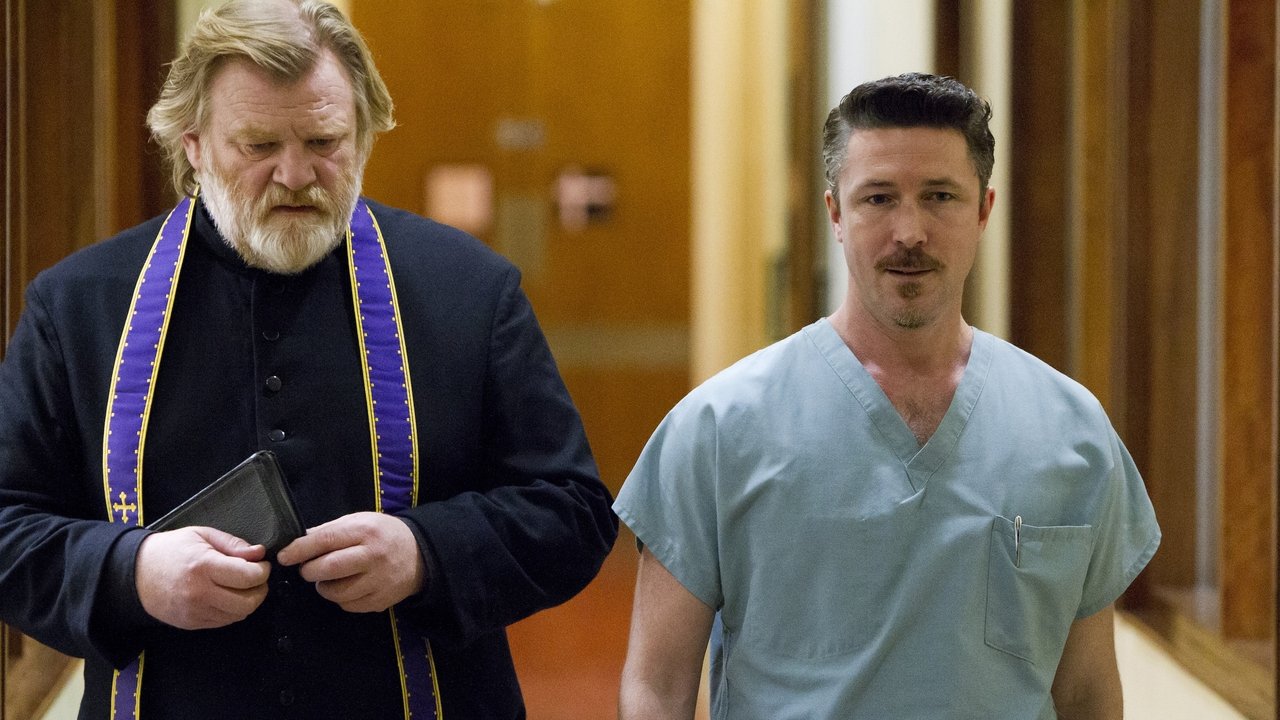
The ensemble cast is a "Who's Who" of Irish and international talent. Chris O’Dowd (Bridesmaids) is unsettlingly blank as the local butcher, while Aidan Gillen (Game of Thrones) leans into his sneering, cynical strengths as a doctor who has seen too much death to believe in anything. Then there’s Dylan Moran, who looks like he hasn't washed since the Black Books wrap party as a crumbling millionaire who tries to buy his way into heaven by peeing on a painting.
The Sligo Western
Visually, the film is stunning, though not in a postcard way. Cinematographer Larry Smith (who worked with Kubrick on Eyes Wide Shut) shoots the Sligo coastline like a Western. The towering Benbulbin mountain looms over every scene like a silent judge. There’s a specific kind of 2010s digital crispness here that captures the biting Atlantic wind; you can almost feel the salt on your skin.
This era of cinema (roughly 1990-2014) was fascinated with the deconstruction of the "hero," and Calvary fits that mold perfectly. James is a man trying to be a hero in a world that no longer wants or respects heroes. The film explores the fallout of the Catholic Church’s scandals without being a polemic. It doesn't tell you the Church is bad—it assumes you already know that—and instead asks: what happens to the good man left standing in the ruins of a corrupt institution?
The Lost Gospel of John Michael
Despite being a critical darling, Calvary has largely slipped through the cracks of mainstream memory. Part of that is down to its release timing. In 2014, the "mid-budget adult drama" was already starting to gasp for air as the MCU began its total box office saturation. It earned a respectable $3.5 million, but it’s a film that lives on through word-of-mouth recommendations among people who like their comedies black and their tragedies existential.
One of the more interesting bits of trivia is that this was intended to be the middle entry in McDonagh’s "Glorious Trilogy," a series of films exploring the soul of the modern world. While the first (The Guard) was a riotous comedy and the third (War on Everyone) was a nihilistic blast of chaos, Calvary is the somber, reflective heart of the trio. Apparently, Gleeson and McDonagh spent hours discussing the specific theology of the script, ensuring that even the most cynical lines felt earned by the characters' suffering.
Calvary is a film that demands your attention and then rewards it with a finale that is as beautiful as it is devastating. It manages to be a dark comedy, a psychological character study, and a profound theological inquiry all at once. It’s the kind of movie that stays with you long after the credits roll, making you wonder what you would do if you had seven days to forgive the world for ending. If you’ve missed this one, track it down—it’s a modern masterpiece that deserves to be pulled out of the shadows.
Keep Exploring...
-
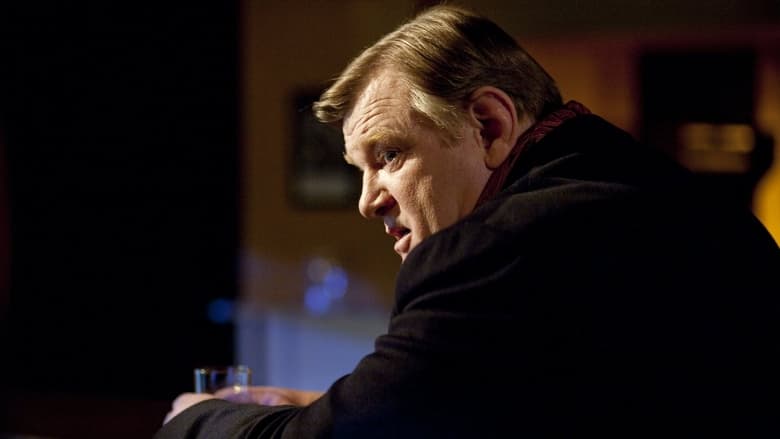
The Guard
2011
-
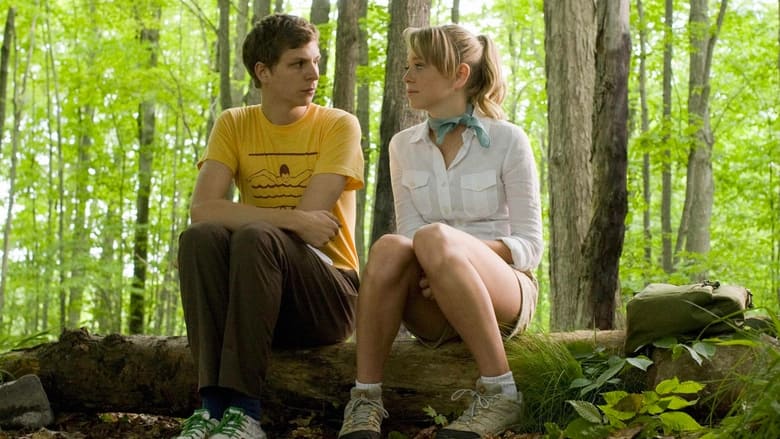
Youth in Revolt
2009
-
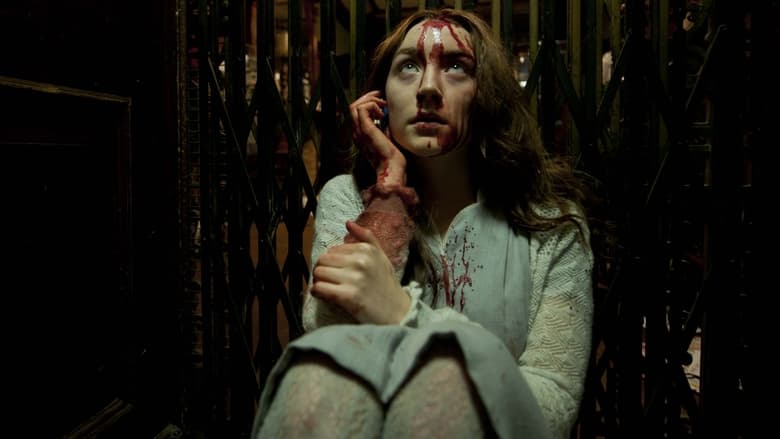
Byzantium
2013
-

A Prophet
2009
-
A Single Man
2009
-
Agora
2009
-
An Education
2009
-
Bad Lieutenant: Port of Call - New Orleans
2009
-
Cell 211
2009
-
Coco Before Chanel
2009
-
Crazy Heart
2009
-

Evangelion: 2.0 You Can (Not) Advance
2009
-
Harry Brown
2009
-

I Killed My Mother
2009
-
Mother
2009
-
Precious
2009
-
The Last House on the Left
2009
-

The White Ribbon
2009
-
The Young Victoria
2009
-
Thirst
2009