Camp X-Ray
"The bars are just the beginning."
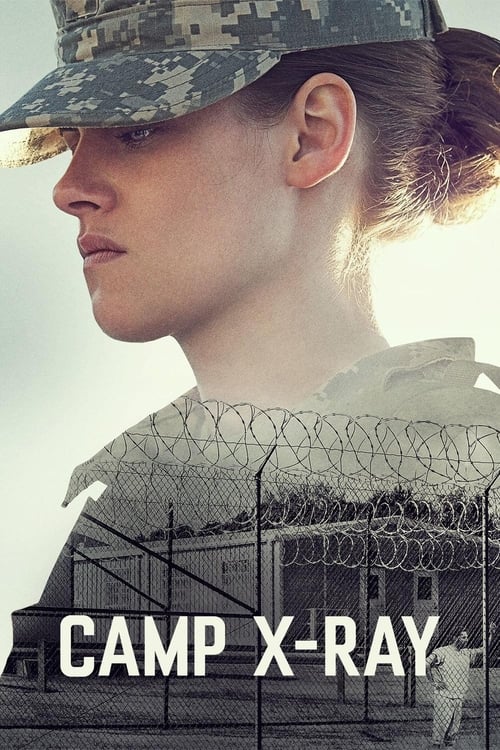
By 2014, the American public was suffering from a profound case of "War on Terror" fatigue. The initial shock of the early 2000s had curdled into a long, gray malaise, and our cinema reflected that shift. We moved away from the high-octane heroism of Black Hawk Down and into the claustrophobic, morally murky hallways of places we’d rather forget. That’s where Camp X-Ray lives. It’s a film that doesn’t want to talk about the "why" of the war; it wants to talk about the "what now?" specifically for the people stuck on either side of a steel mesh door.
I watched this film on a Tuesday evening while nursing a lukewarm cup of peppermint tea that I’d accidentally over-steeped until it tasted like liquefied toothpaste. Honestly, that slightly bitter, medicinal aftertaste was the perfect companion for a movie that refuses to give you any easy sugar.
The Twilight of an Image
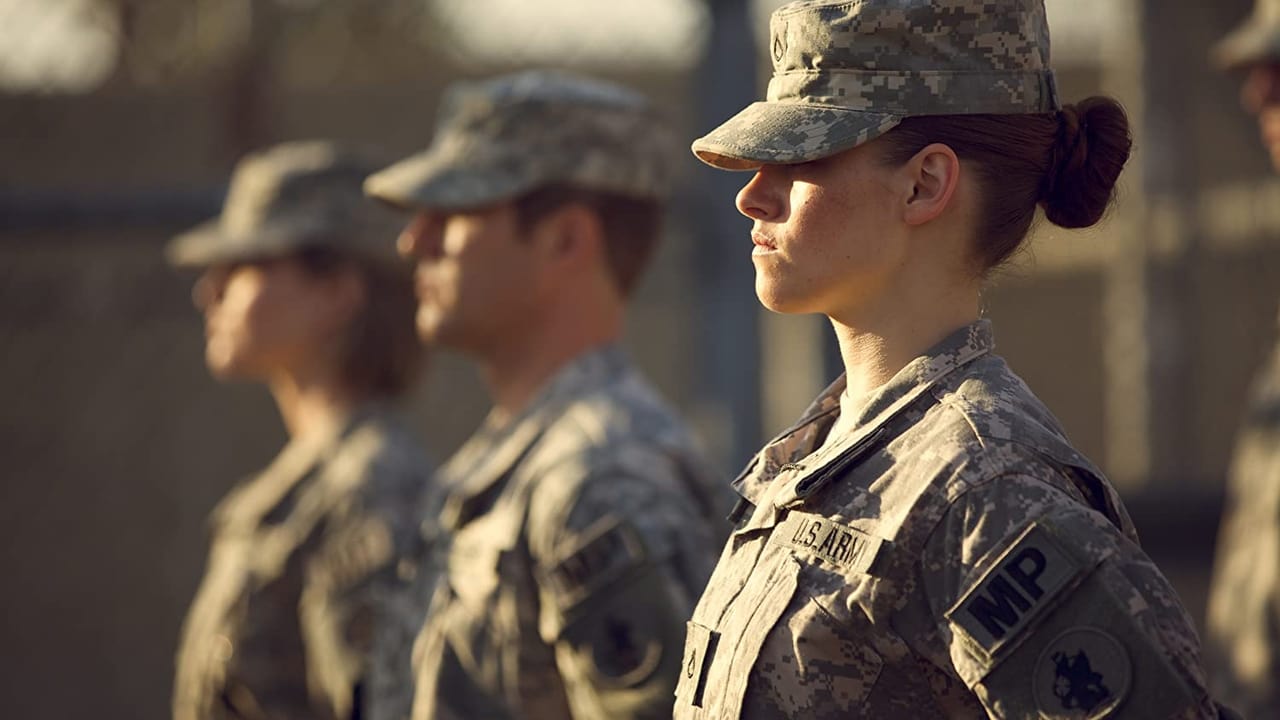
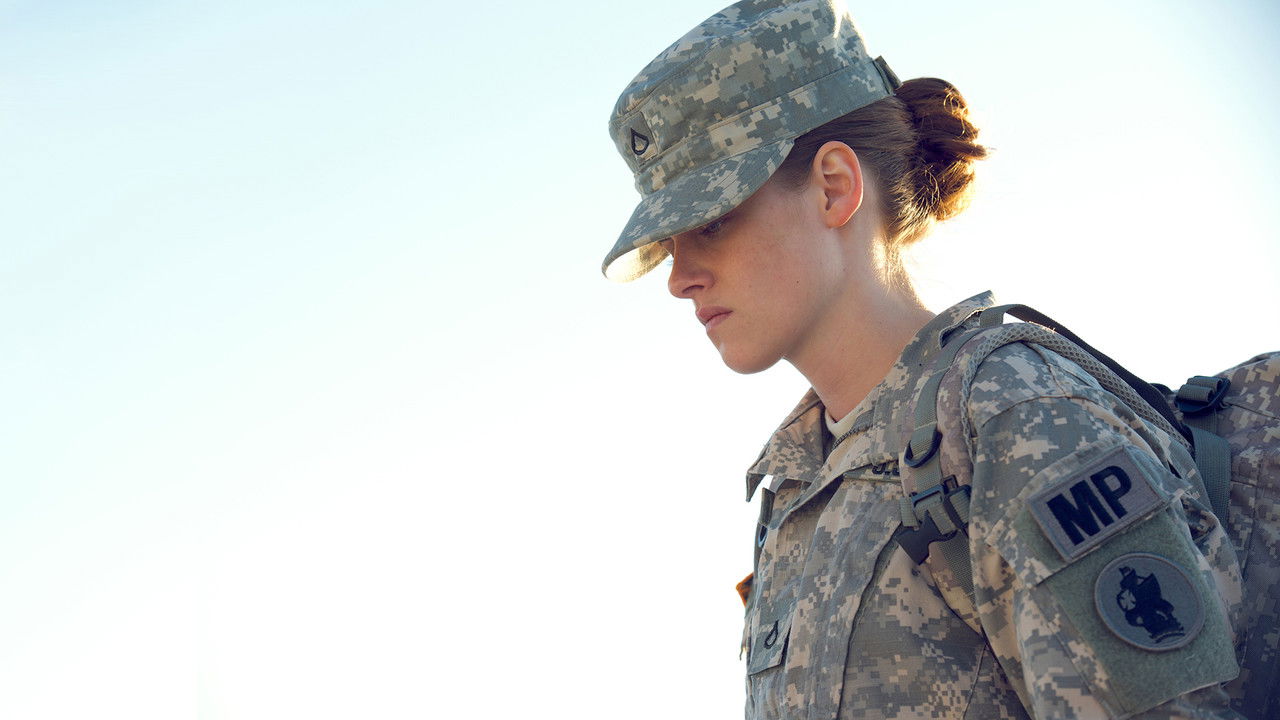
For a lot of people in 2014, this was the "can she actually act?" movie. Kristen Stewart was still shaking off the glitter of the Twilight franchise, and the knives were out. Looking back, the skepticism feels ridiculous. As Amy Cole, a small-town girl who joins the Army to escape a dead-end life only to find herself pulling "Gits" (Guantanamo Bay) duty, Stewart is a revelation of repressed anxiety. She plays Cole with a stiff, military posture that feels like a defensive crouch.
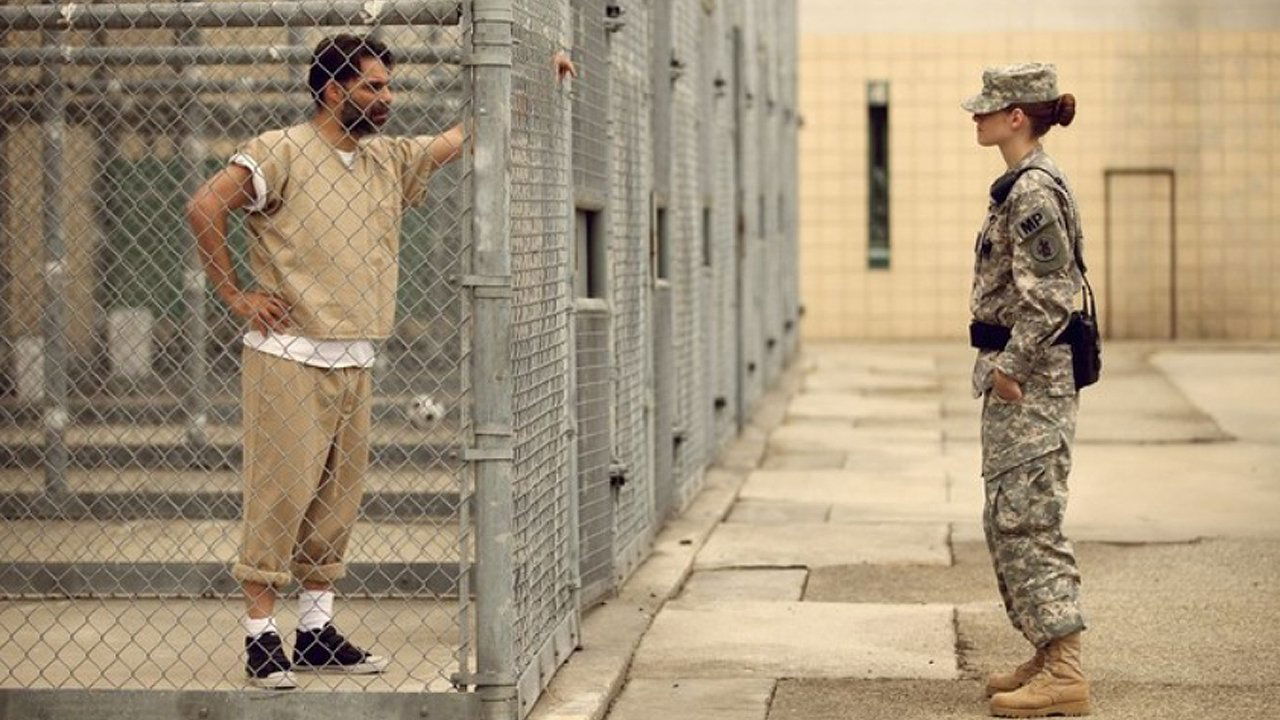
She isn't a hero, and she isn't a rebel; she’s a kid trying very hard to follow a manual that doesn't account for human curiosity. Kristen Stewart’s performance is a masterclass in saying everything while keeping your jaw locked shut. Her foil is Ali, played by the incredible Payman Maadi (who many of us first discovered in the brilliant A Separation). Ali has been detained for eight years, and his resistance has moved past anger into a kind of high-velocity, intellectual desperation.
Their relationship starts over a dispute about the Harry Potter books—specifically, Ali’s obsession with why the final book isn't available in the camp library. It’s a brilliant script choice by director Peter Sattler. It grounds the unthinkable reality of indefinite detention in something as mundane and relatable as wanting to know how a YA series ends. It’s also the kind of indie-film quirk that could have been insufferable if the actors didn't play it with such lethal sincerity.
High Stakes on a Low Budget
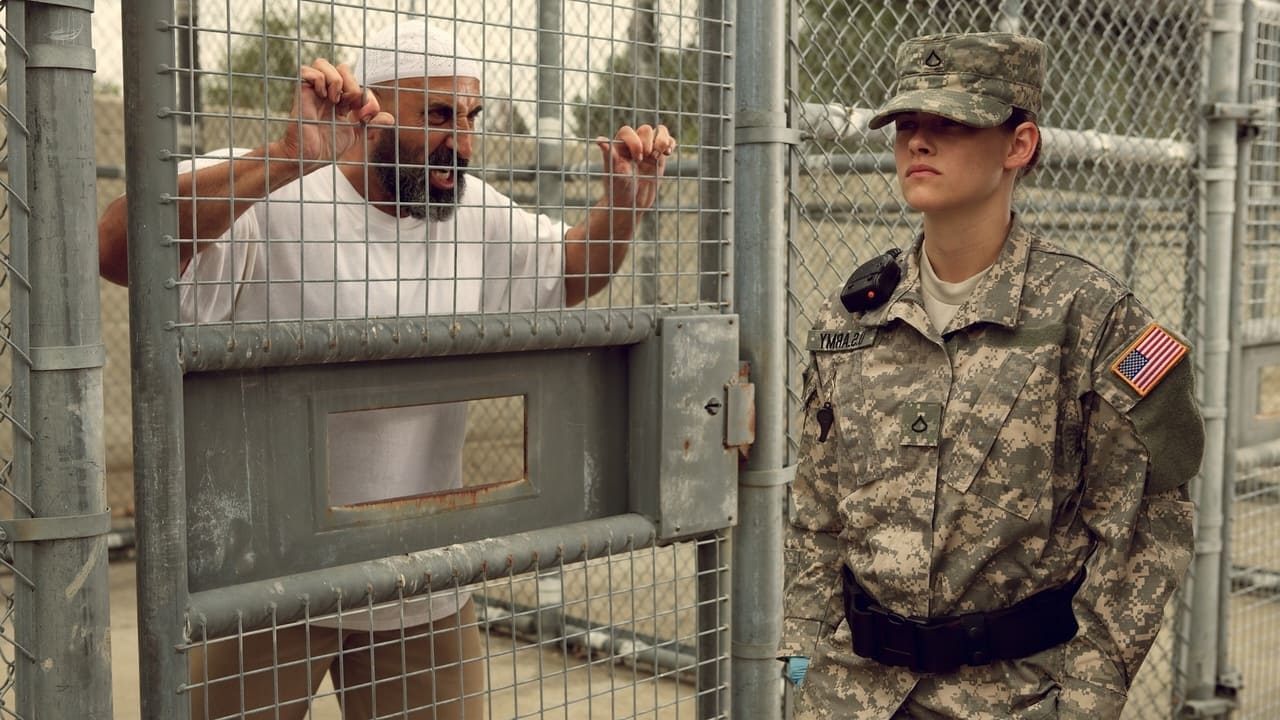
What’s truly impressive is how Peter Sattler managed to make a $1 million budget feel like a sprawling military installation. They didn't have the funds to fly to Cuba, so they shot the whole thing in 21 days at an abandoned juvenile detention center in Whittier, California. You can feel that limitation in the best way possible. The camera is often tight on the faces, trapped in those narrow corridors with the characters. It emphasizes the fact that, in a place like Gitmo, the guards are just as imprisoned as the detainees—they just have better shoes and get to leave at the end of the shift.
The film captures that specific 2010s indie aesthetic: lots of natural light filtering through chain-link fences and a score by Jess Stroup that hums with a low-frequency dread. It’s a far cry from the glossy, pro-military blockbusters of the 90s. Here, the "enemy" isn't a faceless insurgent; it's the crushing weight of boredom and the slow erosion of empathy. The most dangerous thing in this movie isn't a bomb; it's a conversation.
The supporting cast helps flesh out the world of the "J-T-F" (Joint Task Force). Lane Garrison plays Randy, a superior officer who embodies the casual, toxic machismo that makes Cole’s life a different kind of prison. Then you have John Carroll Lynch as Col. Drummond, who brings his trademark "stern dad" energy to the role of a man who has clearly decided that following the rules is the only way to stay sane in an insane situation.
Stuff You Didn't Notice
One of the more interesting bits of trivia is that Kristen Stewart actually went through a mini-boot camp to get the posture and movements right. She spent time with real-life guards to understand the specific psychological toll of "watching someone through a hole in a door for twelve hours." Apparently, she was so convincing in her uniform that locals near the Whittier filming location occasionally mistook her for actual military personnel.
It’s also worth noting that the film’s original title was simply Guantanamo, but the change to Camp X-Ray—referencing the specific temporary holding facility established in 2002—adds a layer of historical specificity. By 2014, Camp X-Ray was already a ghost of the early war years, which fits the film's retrospective, slightly haunted vibe.
Camp X-Ray isn't a perfect film—the ending leans a little too hard into the "unlikely bond" tropes that the first two acts worked so hard to subvert—but it’s a vital one. It captures a specific moment in our cultural history when we started to look back at the post-9/11 era with more questions than answers. It’s a quiet, intense drama that relies entirely on the chemistry between two people separated by a wall, and it remains one of the best examples of how independent cinema can tackle massive political subjects by keeping the focus stubbornly, relentlessly small. If you missed this during the mid-2010s indie boom, it’s well worth a look now to see Kristen Stewart truly finding her voice as an actor.
Keep Exploring...
-
After.Life
2009
-

Blood and Bone
2009
-

Fanboys
2009
-
Blue Valentine
2010
-
Monsters
2010
-

Super
2010
-
The Kids Are All Right
2010
-
Undisputed III: Redemption
2010
-
Winter's Bone
2010
-
Beginners
2011
-
Margin Call
2011
-

Beasts of the Southern Wild
2012
-

Robot & Frank
2012
-

The First Time
2012
-
Before Midnight
2013
-

Don Jon
2013
-

The Kings of Summer
2013
-
The Spectacular Now
2013
-

The Way Way Back
2013
-

Boyhood
2014