Captain America: The Winter Soldier
"A paranoid 70s conspiracy thriller that traded colorful capes for high-stakes political betrayal."
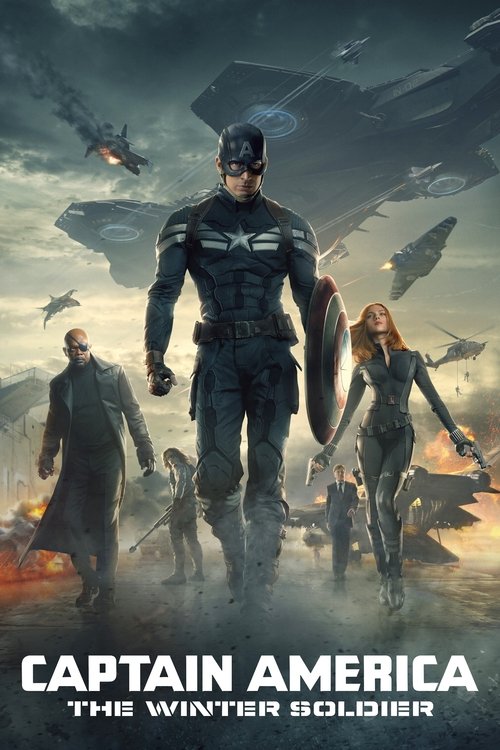
I remember walking into the theater in April 2014 with a certain level of Marvel fatigue already starting to set in. We’d just had the colorful, somewhat goofy Thor: The Dark World and the breezy Iron Man 3. I expected more of the same—a few quips, a giant blue sky-beam, and some CGI punching. Instead, I spent two hours gripping my armrest so hard I think I permanently indented the plastic. I distinctly remember my Diet Coke having zero carbonation that day, making the highway fight feel strangely more grounded and gritty in my flat-soda-induced haze.
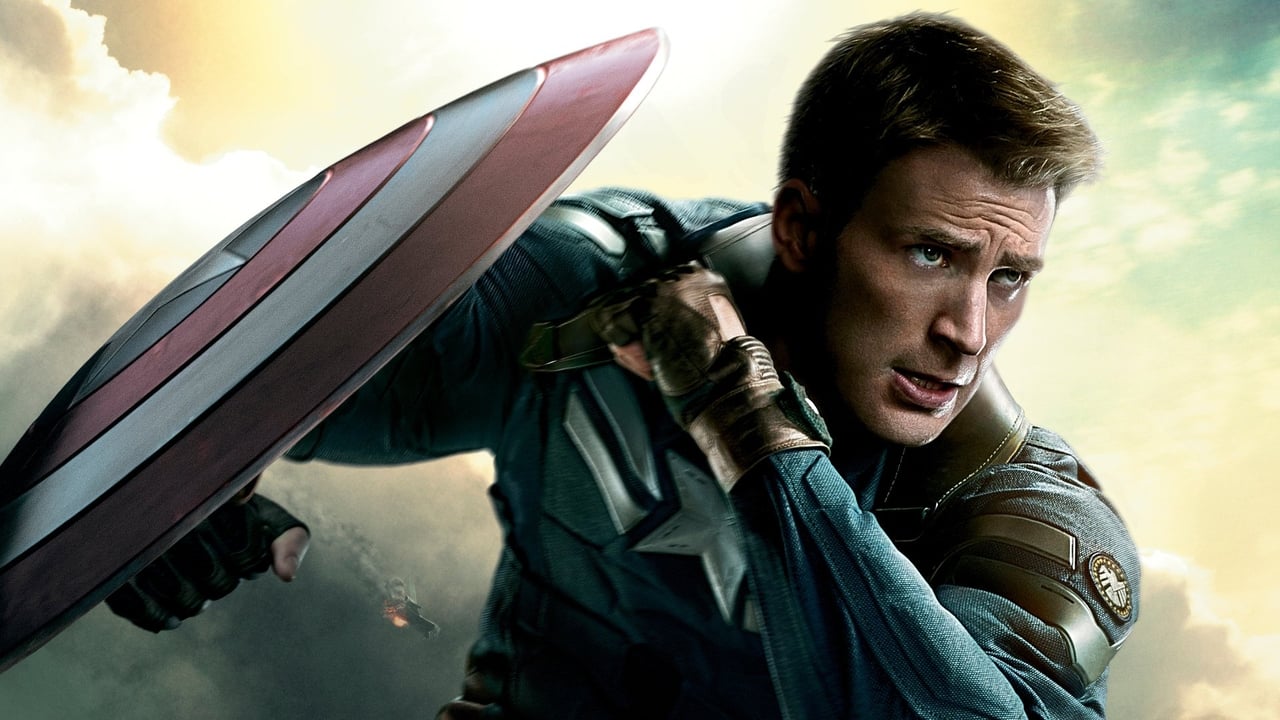
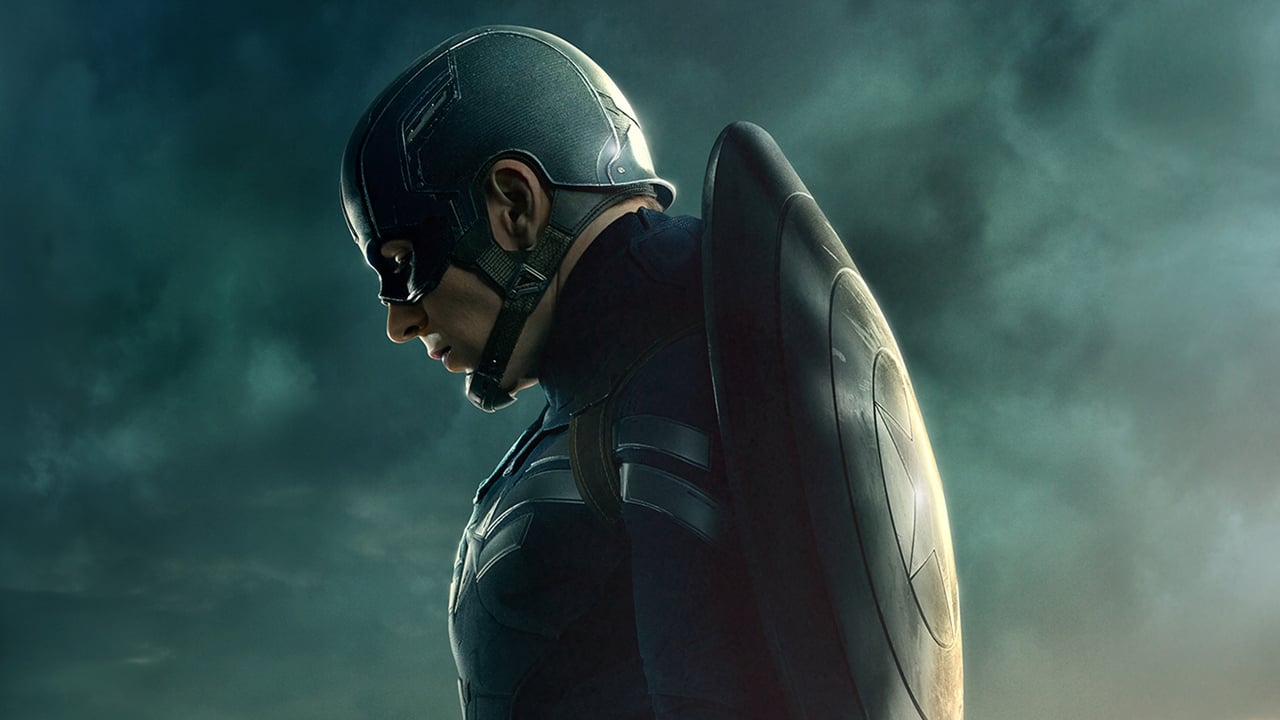
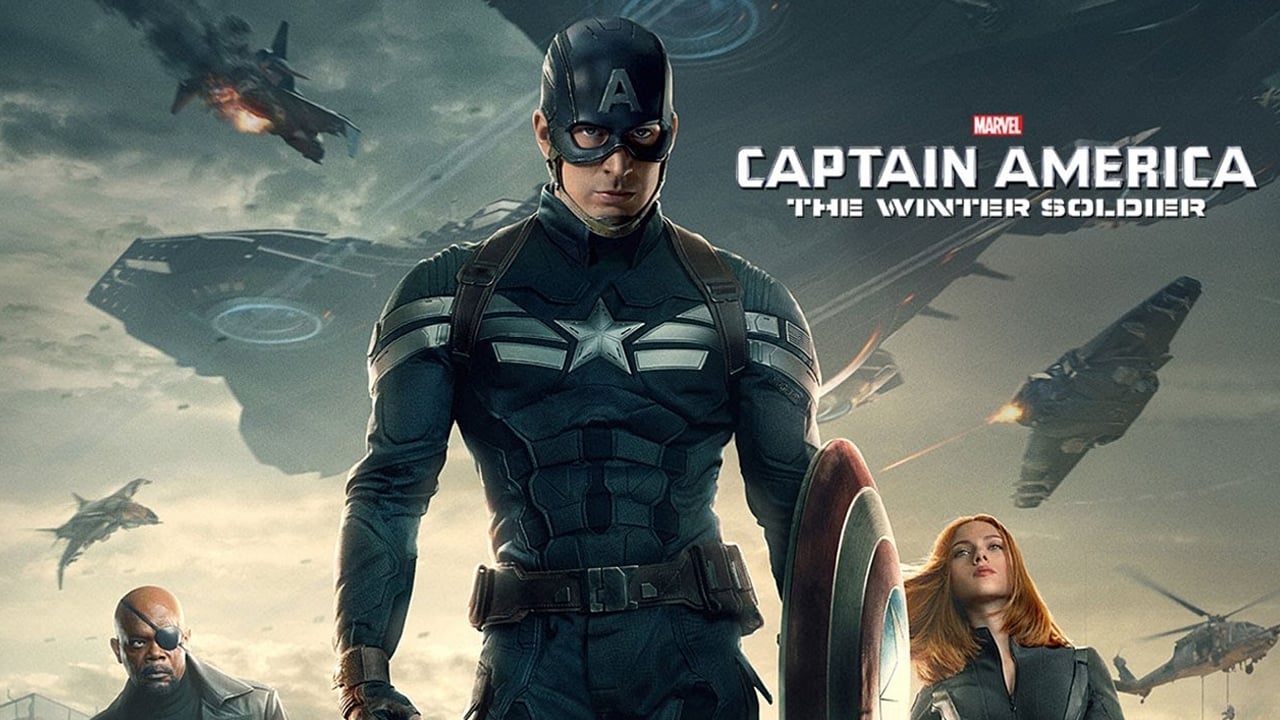
Captain America: The Winter Soldier wasn't just another sequel; it was the moment the Marvel Cinematic Universe decided to grow up and look us right in the eye.
A 70s Thriller in Spandex
The genius of this film lies in its DNA. Directors Joe Russo and Anthony Russo, who were previously known for cult-favorite sitcoms like Community and Arrested Development, did something deeply counterintuitive. They looked at Chris Evans—the literal poster boy for American virtue—and dropped him into a grainy, paranoid political thriller.
By casting Robert Redford as Alexander Pierce, the Russos weren't just hiring a legend; they were signaling a direct lineage to 1970s classics like Three Days of the Condor (1975) or All the President's Men (1976). This was the era of "Modern Cinema" reaching its peak of franchise formation, yet The Winter Soldier feels like a throwback. It’s a movie about surveillance, preemptive strikes, and the terrifying idea that the people we've trusted to protect us have been the ones holding the knife all along. Hydra’s grand plan is essentially a very aggressive version of a targeted Facebook ad with a much higher body count.
Punching Up: Action with Real Weight
Let’s talk about the elevator. If you’ve seen the movie, you know the one. Chris Evans is surrounded by a dozen specialized strike team members in a cramped glass box. In many superhero movies, the hero would just "magic" their way out. Here, the action is crunchy, claustrophobic, and incredibly physical. You feel every elbow, every magnetic cuff, and every impact against the glass.
The Russos prioritized practical stunt work over the digital soup that often plagues modern blockbusters. They used hand-held cameras and tight framing to make the fights feel personal. When the Winter Soldier—played with a terrifying, silent intensity by Sebastian Stan—shows up on a highway to tear a car apart with his bare hands, it’s frightening because it feels like he’s actually there. Apparently, Sebastian Stan spent every waking moment practicing his knife-flipping choreography with a plastic training blade just so it would look like second nature on screen. That dedication shows. It’s not just "action"; it’s a terrifying dance of metal and bone.
The Ghost in the Machine
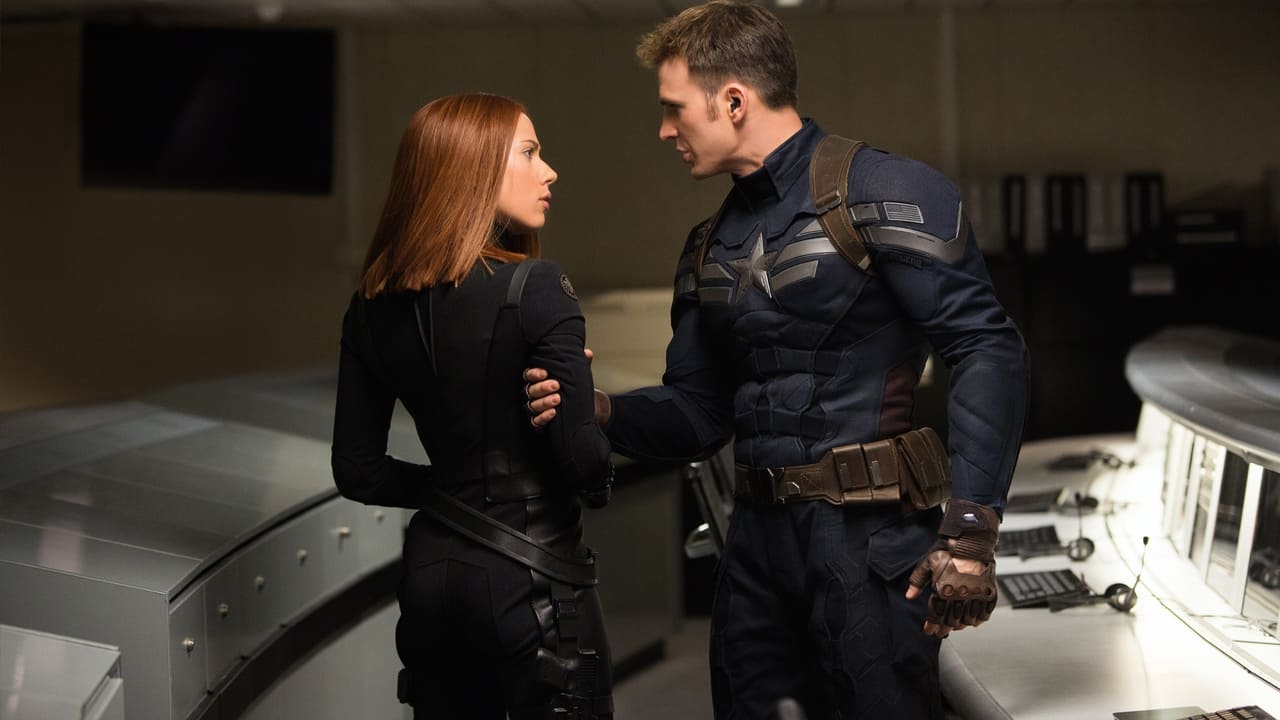
While the movie is called Captain America, it’s really an ensemble piece that redefined its supporting players. Scarlett Johansson finally gets to move past the "mysterious femme fatale" trope to show Natasha Romanoff’s internal conflict. Her chemistry with Chris Evans is the glue that holds the quiet moments together. Then you have Anthony Mackie as Sam Wilson, providing the literal and figurative wings the movie needs. His introduction—the "On your left" sequence—is one of those rare character-building moments that feels entirely organic while establishing a friendship that would anchor the next decade of films.
Looking back from a post-9/11 perspective, the themes of the film hit even harder now than they did in 2014. The idea of "Project Insight"—killing people before they commit a crime based on an algorithm—felt like a direct commentary on the drone strikes and NSA leaks of the time. It’s rare for a movie with a $170 million budget to actually have something to say about the ethics of security versus freedom, but Samuel L. Jackson delivers the hard truths with the kind of gravitas only he can provide.
The Legacy of the Shield
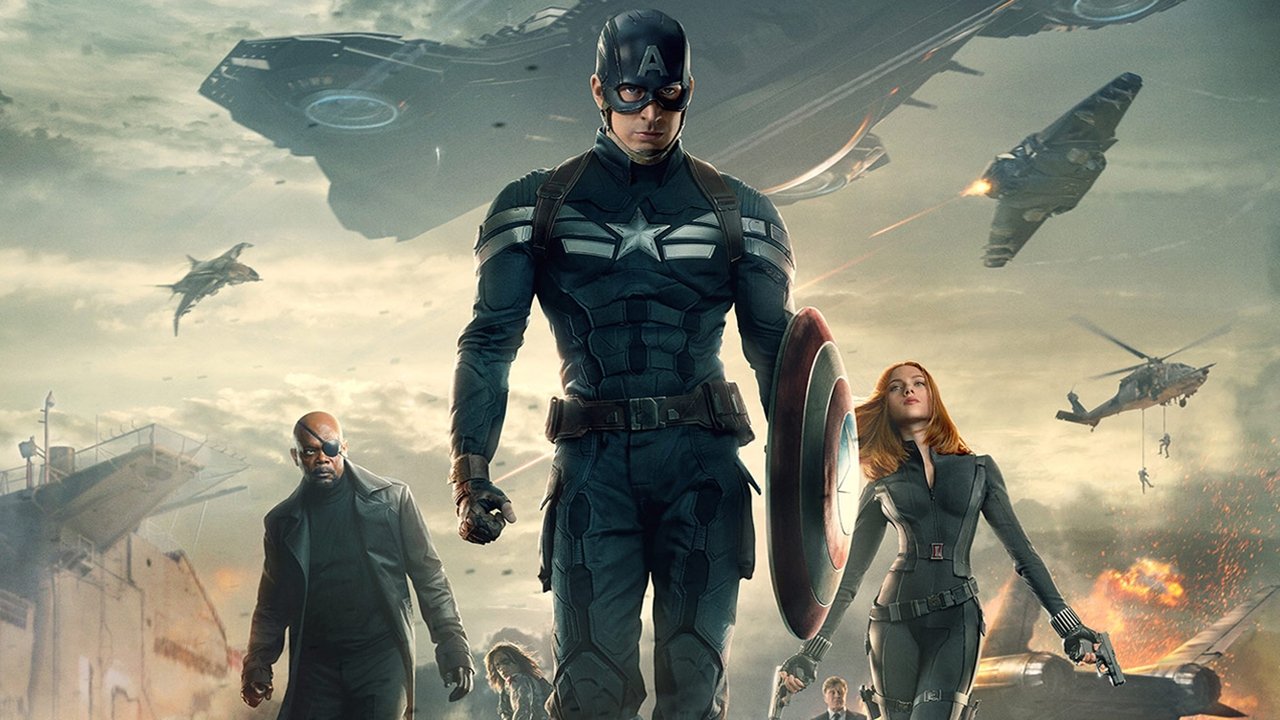
The Winter Soldier changed the trajectory of the MCU. It proved these movies could be more than just toy commercials; they could be legitimate pieces of genre filmmaking. It bridged the gap between the analog hero of the 1940s and the digital anxieties of the 21st century. The score by Henry Jackman deserves a shout-out too—it ditches the traditional heroic trumpets for distorted, industrial screeches whenever the Winter Soldier appears, making him feel like a glitch in reality.
It’s a film that demands a rewatch every few years, not just to catch the Easter eggs (like the different items on Steve's "To-Do" list depending on which country you watched the movie in), but to appreciate how a big-budget franchise film can still have a soul. It’s a masterclass in how to balance character growth with world-shaking stakes.
Captain America: The Winter Soldier remains the high-water mark for what a modern blockbuster can achieve when it trusts its audience. It manages to be a heart-pounding action flick and a sobering political commentary all at once. Whether you’re here for the shield-slinging or the intricate conspiracy, it delivers a punch that still resonates long after the credits roll. It’s the rare sequel that doesn't just go bigger—it goes deeper.
Keep Exploring...
-
Captain America: Civil War
2016
-

Captain America: The First Avenger
2011
-
Avengers: Infinity War
2018
-
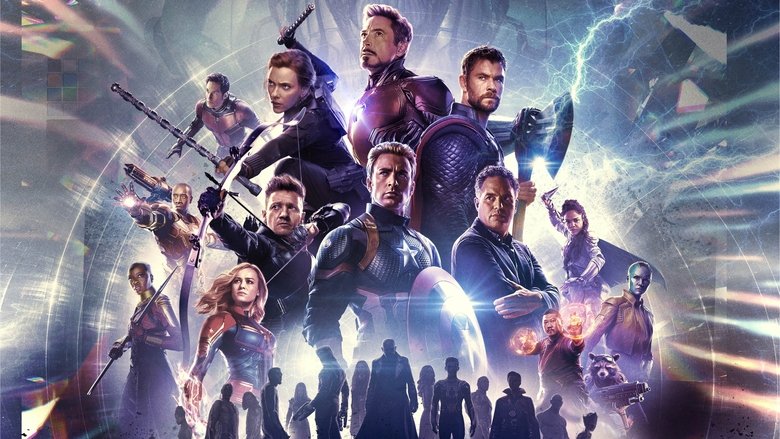
Avengers: Endgame
2019
-

The Avengers
2012
-
Avatar
2009
-
Inception
2010
-

Iron Man 2
2010
-
The Hunger Games
2012
-
Iron Man 3
2013
-
The Hunger Games: Catching Fire
2013
-

Guardians of the Galaxy
2014
-

Star Wars: Episode III - Revenge of the Sith
2005
-
Total Recall
1990
-
Stargate
1994
-
Independence Day
1996
-
Men in Black
1997
-
Armageddon
1998
-

X-Men
2000
-

The Matrix Reloaded
2003