Citizenfour
"The monster in the room is your own smartphone."
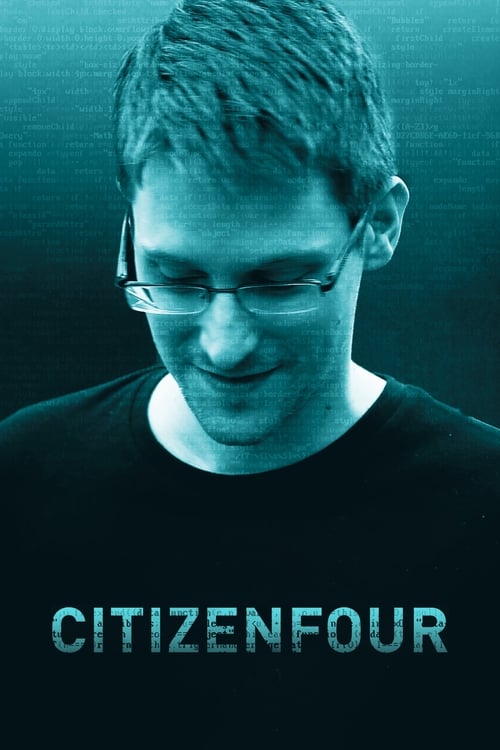
The air in Room 1014 of Hong Kong’s Mira Hotel feels heavy, almost stagnant, despite the high-end air conditioning. There is a man sitting on the edge of a bed, messily styling his hair with a bit of gel, looking like any other tech-savvy millennial preparing for a workday. But this isn't a vlog or a corporate retreat. This is the moment the 21st century’s digital facade cracked wide open. I watched this film again recently while my neighbor was loudly pressure-washing their driveway—the aggressive, mechanical hum felt like a government drone was hovering over my patio, which, frankly, provided the perfect psychological backdrop for what Laura Poitras captured here.
The Claustrophobia of Truth
Citizenfour arrived at the absolute tail end of the "Modern Cinema" era (1990–2014), a period defined by our slow-motion surrender to the internet. We spent those twenty-odd years marveling at the convenience of the digital revolution, only to realize by 2013 that the revolution was taking notes. What makes this documentary so chilling—and why I believe it deserves a re-watch today—is that it functions less like an educational program and more like a high-stakes chamber piece.
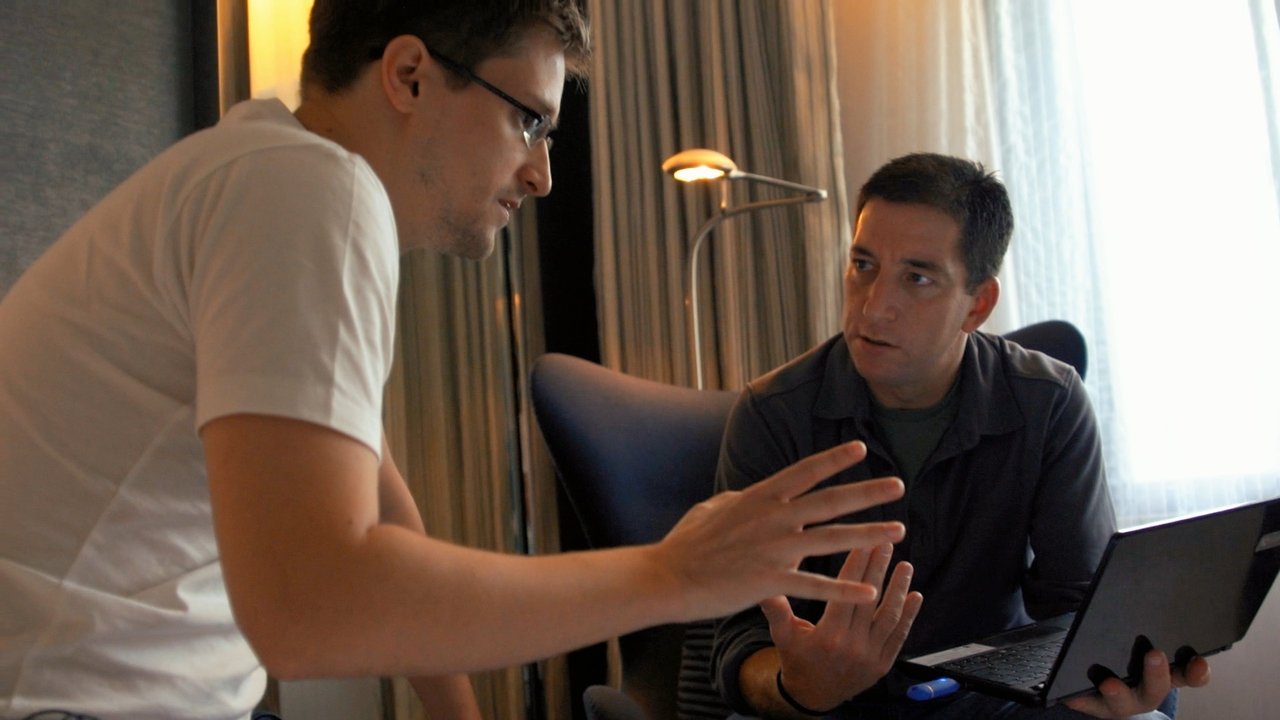
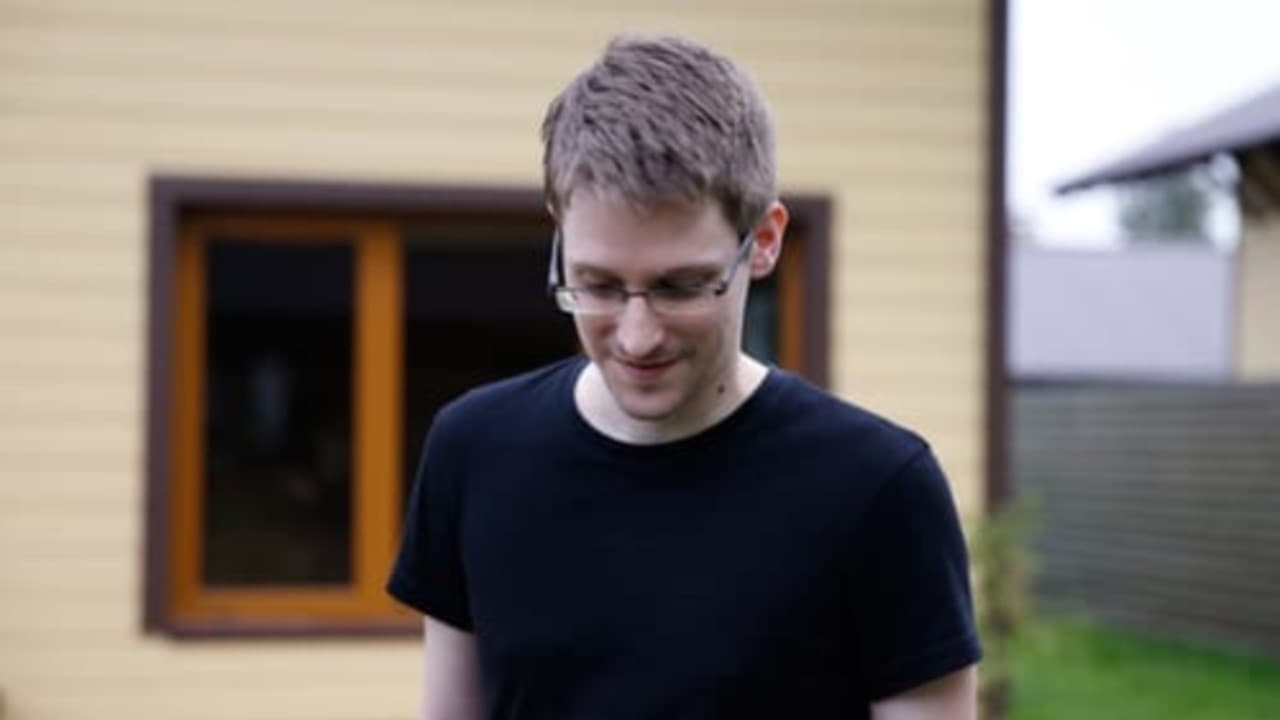
Director Laura Poitras doesn't rely on flashy graphics or dramatic reenactments. Instead, she relies on the terrifying power of the "long take." We sit with Edward Snowden as he explains the terrifying breadth of the NSA’s reach to reporters Glenn Greenwald and Ewen MacAskill. The drama is found in the mundane: the way Snowden covers his head with a "magic mantle" (a red blanket) while typing his passwords to prevent overhead cameras from seeing them, or the way the hotel phone rings—a simple, sharp noise that carries the weight of a gunshot in that tiny room. Most documentaries are essentially homework; this is a horror movie where the monster is the device currently sitting in your pocket.
A Performance of Principle
Because this is a drama centered on real people, the "performances" are everything. Edward Snowden is a fascinating protagonist. Looking back, he lacks the fiery bravado of a typical cinematic rebel. He is calm, articulate, and almost disturbingly resigned to his fate. There’s a specific kind of intellectual courage on display here that feels alien in our current era of "main character energy." He isn't doing this for a "brand"; he’s doing it because he understands the plumbing of the internet better than we do.
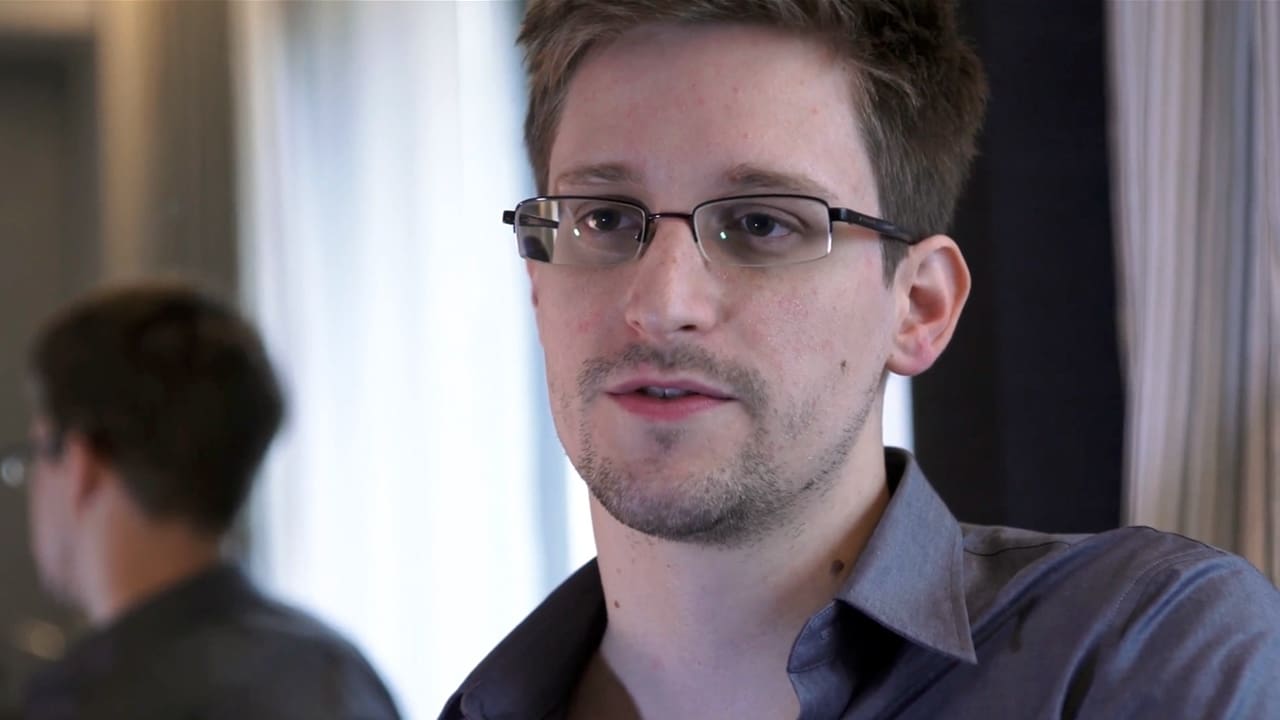
Watching Glenn Greenwald work is equally compelling. You see the frantic energy of a journalist who realizes he’s sitting on the story of the millennium. The chemistry between these men—a mix of professional respect and shared paranoia—is palpable. The film excels at showing the "human cost" of the post-9/11 security state. We also see William Binney, an older NSA whistleblower, whose presence reminds us that the struggle for privacy didn't start with the iPhone; it’s a long, exhausting tradition of dissent.
The Era of Tech Anxiety
Released in 2014, Citizenfour captured the exact moment when tech anxiety shifted from a fringe conspiracy to a mainstream reality. It’s a film that reflects the transition from the analog secrets of the 20th century to the digital permanence of the 21st. The CGI revolution that defined this era’s blockbusters—think The Matrix or Inception—had taught us to imagine digital worlds, but Poitras showed us the one we actually lived in.
Interestingly, this film has slipped into a strange kind of obscurity. We remember the name "Snowden," and we know our data is being harvested, but the film itself—the actual artifact of that week in Hong Kong—is often overlooked. It vanished from the cultural conversation as we became fatigued by the very surveillance it exposed. The tragedy of the film’s legacy is that we accepted the dystopia it warned us about in exchange for faster food delivery apps.
Stuff You Didn't Notice
One of the most intense sequences involves a fire drill at the hotel. At the time, Snowden and the crew didn't know if it was a genuine emergency or a tactic to flush them out of the room. That tension isn't scripted; it’s the sound of three people realizing their lives might be over. Also, pay attention to the cinematography by Kirsten Johnson. The way she frames Snowden against the windows of the Hong Kong skyline makes him look incredibly small, highlighting the David vs. Goliath nature of the story.
The film's title, of course, was the alias Snowden used when first contacting Poitras. It’s a reminder that in the world of signals intelligence, you aren't a person with a name; you’re a data point, a node in a network that never sleeps.
Citizenfour is the definitive cinematic record of the moment the 21st century lost its innocence. It’s a rare documentary that manages to be both a dense intellectual exercise in political philosophy and a nerve-shredding thriller. It doesn't need a booming Hans Zimmer score or digital explosions to make your heart race; it just needs a man, a laptop, and the cold realization that "private" is a word that no longer exists in our vocabulary. If you haven't seen it since the headlines faded, find a quiet room, turn off your phone, and let the paranoia sink in. It’s a masterpiece of historical witness.
Keep Exploring...
-
Exit Through the Gift Shop
2010
-

Blackfish
2013
-

One Direction: This Is Us
2013
-

Senna
2010
-

Grizzly Man
2005
-

Inside Job
2010
-

Searching for Sugar Man
2012
-
Detachment
2011
-

Paperman
2012
-
Justice League: The Flashpoint Paradox
2013
-
Nebraska
2013
-
Bowling for Columbine
2002
-
Man on Wire
2008
-

Evangelion: 2.0 You Can (Not) Advance
2009
-

My Name Is Khan
2010
-

A Separation
2011
-

From Up on Poppy Hill
2011
-

Hotarubi no Mori e
2011
-

Amour
2012
-

Laurence Anyways
2012