Clown
"The suit doesn't just fit; it bites."
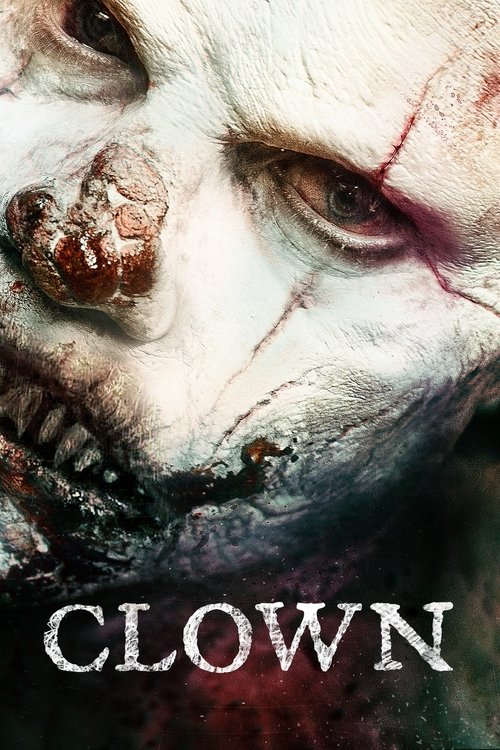
Back in 2010, two guys named Jon Watts and Christopher Ford did something that would have been impossible just a decade earlier: they manifested a career out of a YouTube prank. They uploaded a fake trailer for a movie called Clown, complete with a "From the Master of Horror, Eli Roth" title card that was entirely fabricated. It was the height of the viral marketing era—think The Blair Witch Project but with high-speed internet—and instead of a cease-and-desist, Roth called them up and offered to actually produce the thing.
I’ve always loved that bit of trivia because it captures the scrappy, "anything is possible" energy of the early 2010s indie horror scene. It was a time when the digital revolution meant you could fake a pedigree until the industry gave you the real thing. I finally sat down to watch this during a particularly aggressive summer thunderstorm while trying to fix a leaky kitchen faucet with duct tape, and let me tell you, the sight of a man slowly turning into a demon made my plumbing woes feel like a walk in the park.
A Birthday Party from Hell
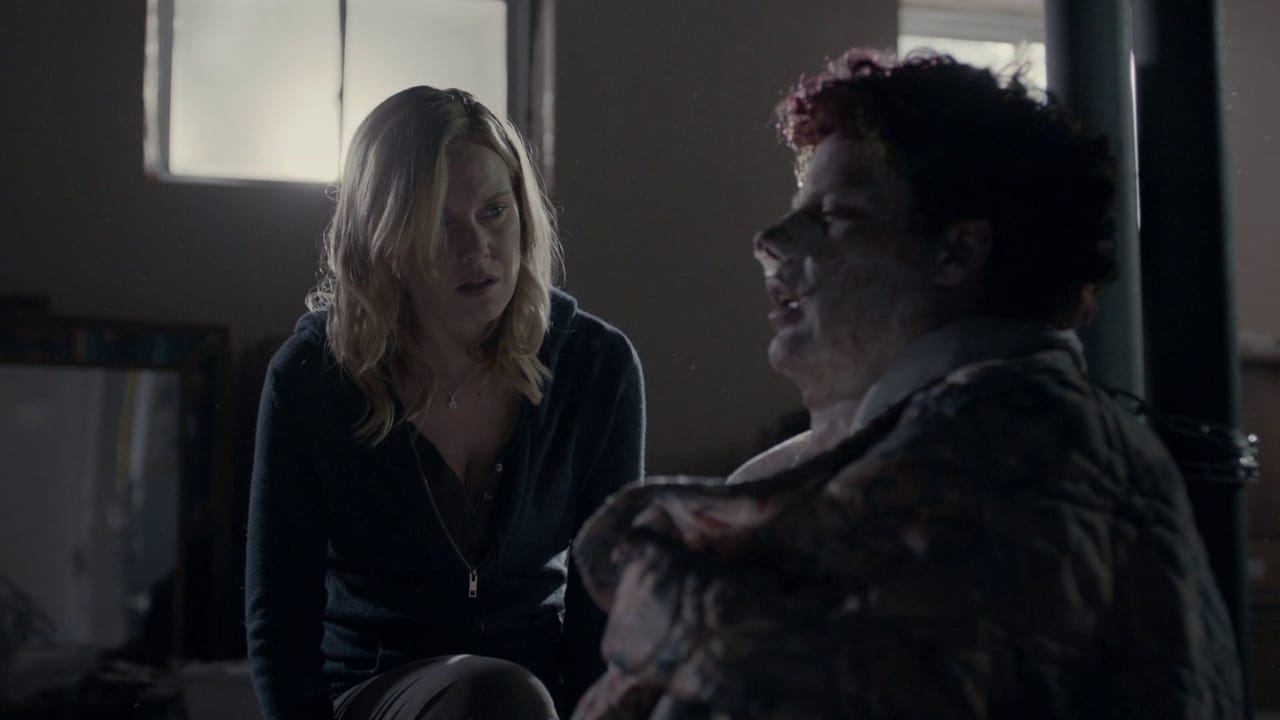
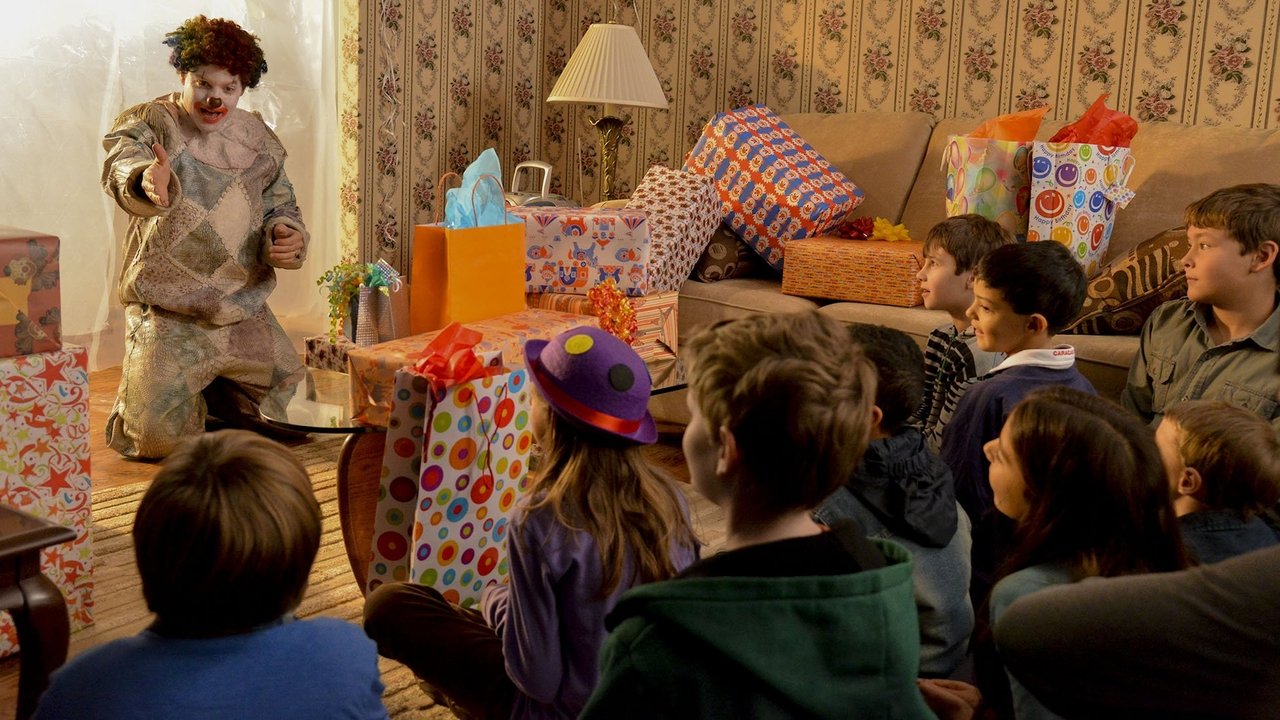
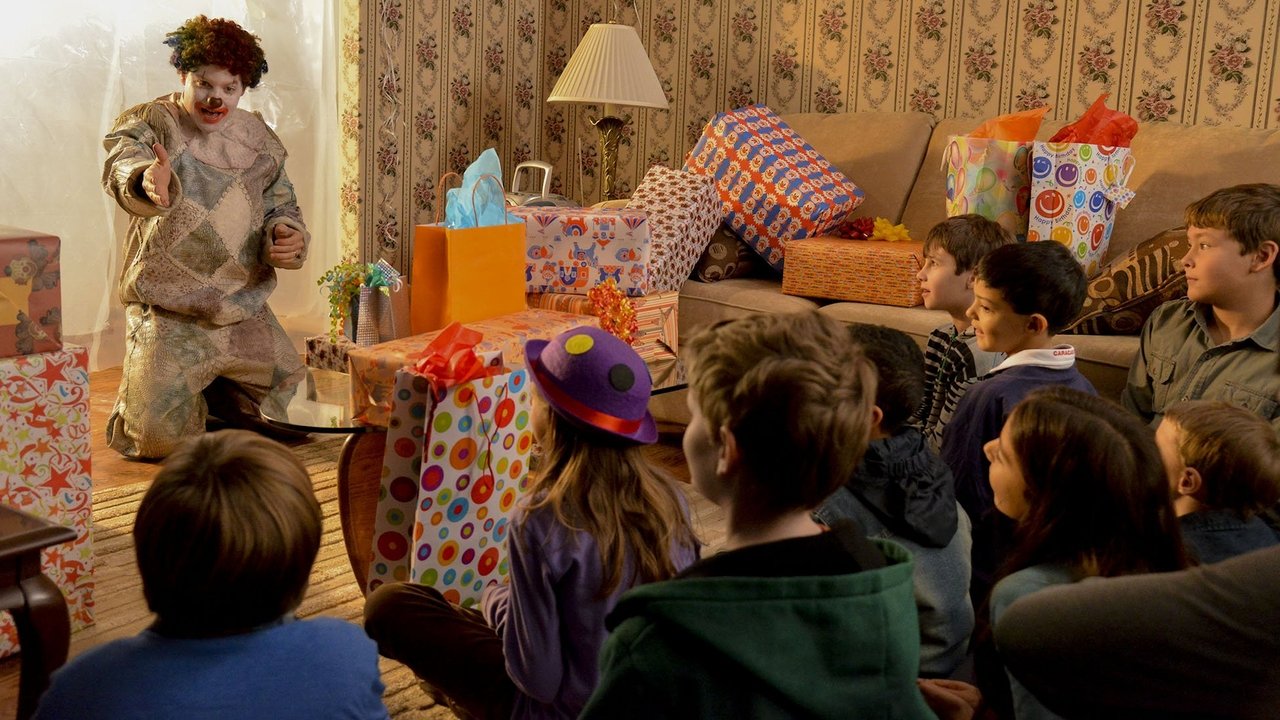
The premise is deceptively simple, almost like a dark fairy tale. Andy Powers plays Kent, a real estate agent and "world’s greatest dad" contender who finds an old clown costume in the basement of a house he’s selling. He throws it on to save his son Jack’s birthday party after the hired entertainment cancels. The party is a success, but the horror starts the next morning. The wig won't come off. The red nose is fused to his skin. The suit has become a second layer of flesh.
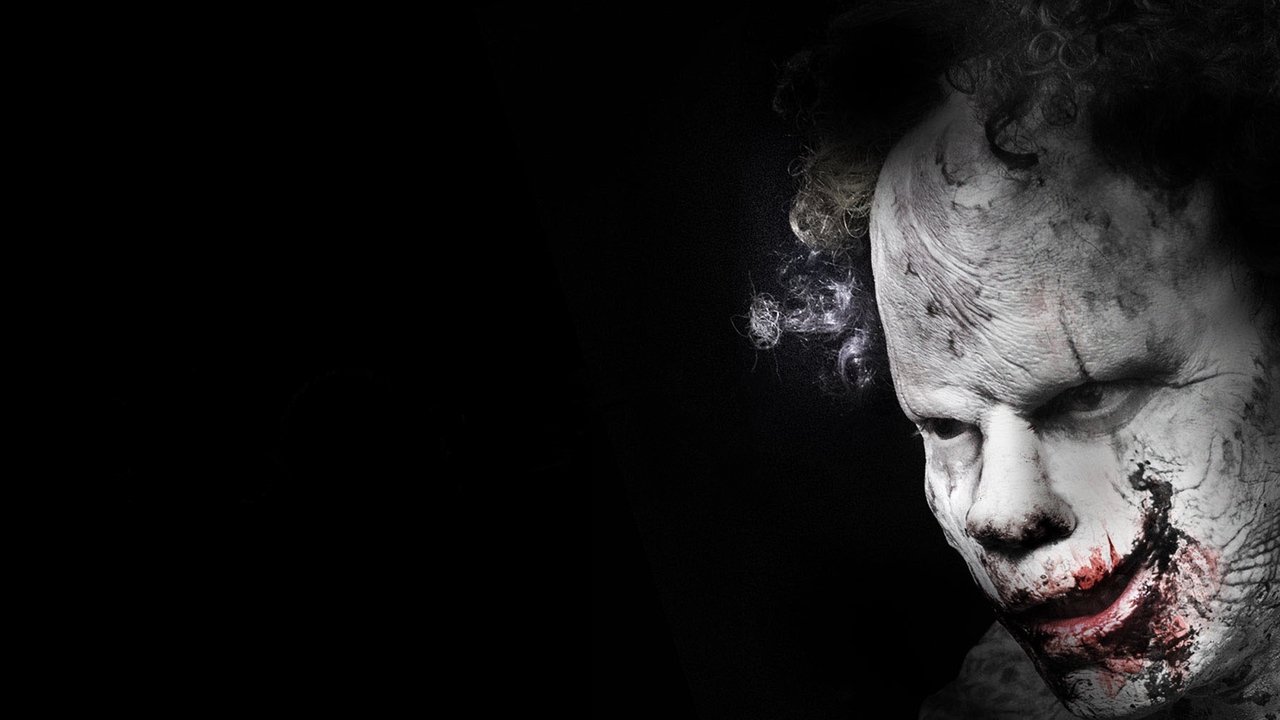
What I find fascinating looking back at Clown from a 2024 perspective is how it bridges the gap between the "torture porn" trend of the mid-2000s and the more atmospheric, mythological horror that would follow. It’s a body horror film at heart, but it treats the transformation with a tragic, Cronenberg-esque weight. Andy Powers does a hell of a job here; he’s not just a guy in a suit, he’s a man losing his humanity. As the suit consumes him, his voice changes, his gait shifts, and you genuinely feel the agony of a man who just wanted to make his kid smile. It’s basically 'The Santa Clause' rewritten by a guy who hates children and loves gore.
Practical Magic and Icelandic Demons

While the 2010s saw a massive (and often regrettable) shift toward cheap CGI jump scares, Clown stays remarkably grounded in practical effects. This is where the movie earns its stripes. The transformation isn't a digital blur; it’s a slow, tactile rot. We see the "clown hair" actually sprouting from Kent’s scalp as a coarse, multicolored mane. We see the "whiteface" makeup becoming his actual pigment.
Then enters Peter Stormare (who you’ll recognize from Fargo or his menacing turn in Constantine). He plays Karlsson, a man who knows the secret of the "Clöyne." According to the film’s lore, the clown wasn’t always a balloon-animal-twisting goofball; it was an ancient Icelandic demon that lived in the mountains and ate five children—one for each month of winter. Stormare brings his usual brand of high-octane weirdness to the role, acting as a grim exposition machine who explains that the only way to stop the suit is, well, a decapitation.
The sound design in these middle acts is what really got to me. The squeak of the clown shoes—usually a sound of joy—becomes a rhythmic, wet thud that signals impending doom. It’s a clever subversion of circus tropes that turns every "honk" into a death knell.
The Watts Evolution
It’s wild to think that Jon Watts, the man behind this grisly little indie, would eventually go on to helm the massive, multi-billion dollar Spider-Man trilogy for Marvel. You can see the seeds of his talent here, specifically in how he handles the geography of a scene. There’s a sequence in a Chuck E. Cheese-style play place that is genuinely masterfully directed. He uses the bright, neon tubes and plastic slides to create a claustrophobic maze that feels more dangerous than any gothic castle.
However, I have to give a fair warning: this movie is mean. It doesn't follow the "unspoken rules" of Hollywood horror regarding children. Because the demon requires "five children" to satisfy its hunger, the stakes are uncomfortably high. It captures that post-9/11 anxiety where the world feels fundamentally unsafe, even in the places meant for play. It’s a grim, cynical piece of work that doesn't offer much in the way of hope, which is probably why it stayed in the "cult curiosity" lane rather than becoming a mainstream hit.
Clown might not have the "elevated" status of something like Hereditary, but it’s a rock-solid example of what happens when a clever idea meets a director with a real eye for tension. It’s a movie that understands that clowns aren't just scary because they look weird—they’re scary because they’re a mask that might never come off. If you’ve ever felt like your job or your responsibilities were slowly swallowing your identity, Kent’s struggle might hit a little closer to home than you’d expect. Just maybe keep the duct tape and the plumbing repairs for a different night.
The film is a testament to the era of viral beginnings and the enduring power of practical body horror. While it occasionally leans too hard into its own grimness, the central performance by Andy Powers and the sheer audacity of the "Clöyne" mythology make it a must-watch for horror fans looking for something that hasn't been scrubbed clean by studio notes. It's a nasty, effective little nightmare that proves Jon Watts was a talent to watch long before he ever met Peter Parker.
Keep Exploring...
-
The Possession
2012
-
The Tall Man
2012
-
V/H/S/2
2013
-
Carriers
2009
-
The Descent: Part 2
2009
-
The Haunting in Connecticut
2009
-
The Last House on the Left
2009
-
The Stepfather
2009
-
Don't Be Afraid of the Dark
2010
-
The Ward
2010
-
Wrong Turn 4: Bloody Beginnings
2011
-

House at the End of the Street
2012
-
Maniac
2012
-
The Collection
2012
-

Curse of Chucky
2013
-

I Spit on Your Grave 2
2013
-
Would You Rather
2013
-
13 Sins
2014
-
Creep
2014
-
Housebound
2014