Coherence
"One dinner party. Eight guests. Infinite versions of you."

The first time I saw Coherence, I was hunched over a laptop in a darkened bedroom while my neighbor’s car alarm kept chirping in a weird, syncopated rhythm outside. Every time the alarm cut out, the silence in my room felt heavier, more pressurized. By the time the credits rolled, I wasn't just checking my locks; I was eyeing my own reflection in the hallway mirror with a deep, prickly suspicion. I didn't recognize that guy. I wasn't sure I wanted to.
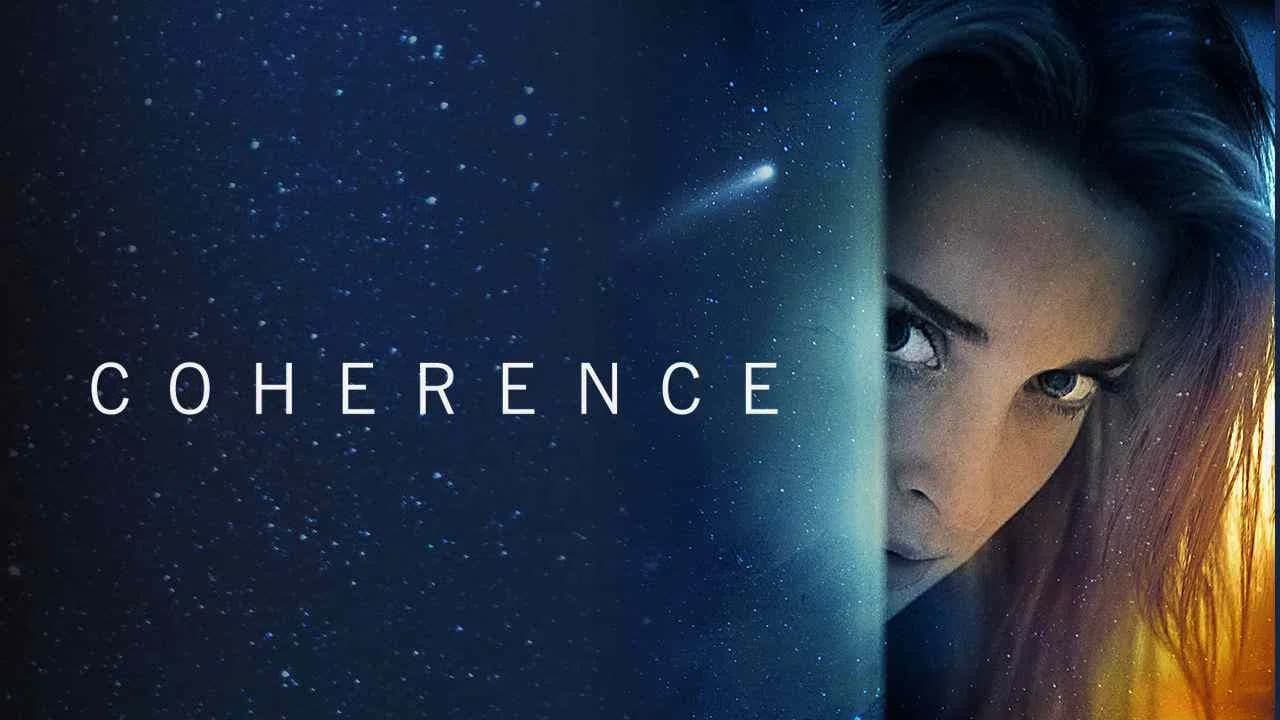
That is the specific, claustrophobic magic of James Ward Byrkit’s 2014 masterpiece. In an era where "Science Fiction" usually implies a $200 million price tag and a third act where a CGI city gets leveled by a blue laser from the sky, Coherence is a reminder that the most terrifying thing in the universe isn't an alien armada—it’s the person sitting across the dinner table from you. Or worse, the version of yourself you haven't met yet.
The Geometry of a Living Room
Made for a mere $50,000—roughly the catering budget for a single day on a Marvel set—Coherence is the ultimate poster child for the "digital democratizing" of the early 2010s. We were past the grainy, experimental look of the Blair Witch 90s, entering a period where high-definition digital cameras were small enough to be shoved into an actor's face in a cramped living room without losing that cinematic sheen. Byrkit (who previously worked on the story for Rango with Gore Verbinski) took this tech and leaned into the limitations.
The setup is deceptively simple: four couples meet for dinner on the night a comet passes overhead. There’s some talk about strange historical anomalies associated with comets—people getting lost, phone screens cracking, reality fraying at the edges. Then the power goes out. When the guests look outside, the entire neighborhood is black, save for one house down the block. A house that looks exactly like theirs.
What follows is the cinematic equivalent of a panic attack. This isn't a movie that explains its "what if" through clunky exposition. Instead, it traps you in the room with characters who are just as confused, petty, and terrified as you would be. Because the film was shot almost entirely chronologically over five nights in Byrkit’s own home, there’s a lived-in, sweaty authenticity to the environment. I could almost smell the spilled wine and the mounting dread.
Schrödinger’s Dinner Party
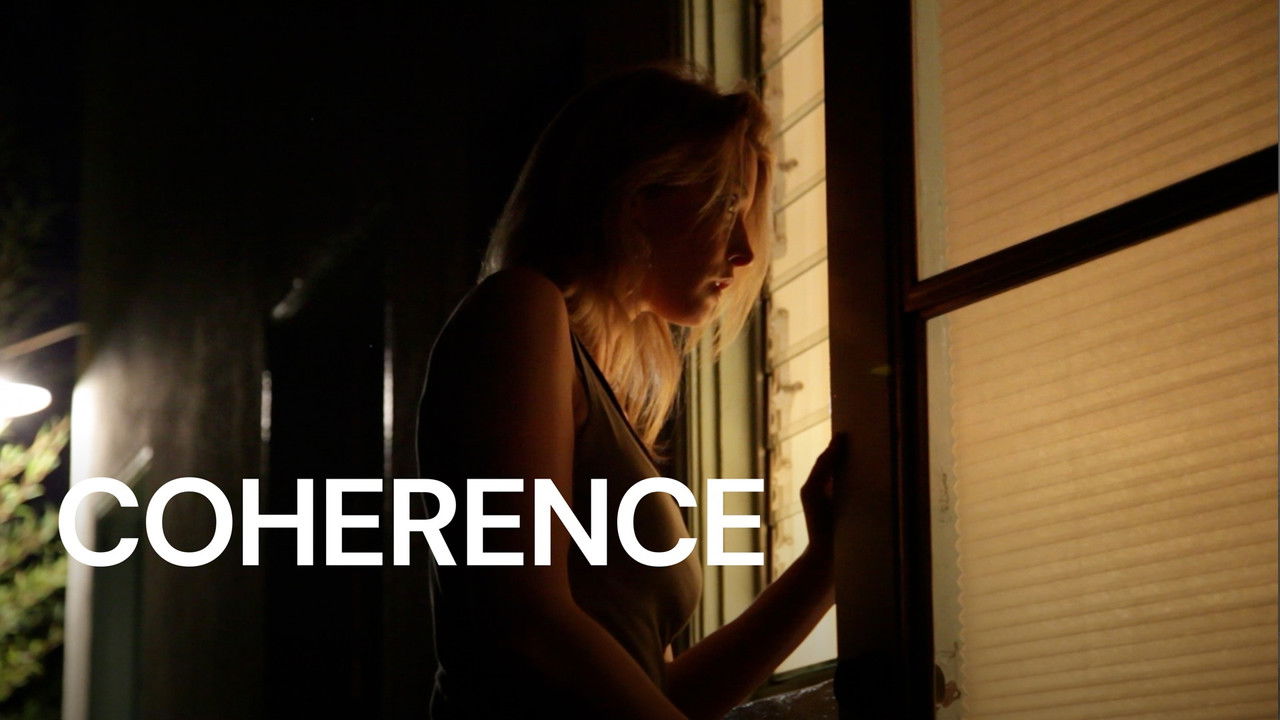
The brilliance of the production lies in its "treatment" rather than a traditional script. The actors—including Emily Baldoni, Maury Sterling, and Nicholas Brendon—weren't given lines. They were given note cards with their character’s motivations and secrets for that specific night. They didn't know what the other actors were going to do. When a character reacts with genuine shock to a knock at the door or a weird discovery in a box, that’s not just "good acting"; it’s a captured moment of actual surprise.
Emily Baldoni, playing Em, serves as our emotional anchor. She’s the one we trust, yet as the night disintegrates into a series of "decoherence" events where multiple realities begin to overlap, even her perspective starts to feel compromised. It’s a somber, heavy performance that carries the weight of the film’s darkest question: if you realized there was a "better" version of your life happening in the house down the street, would you be monster enough to go take it?
The presence of Nicholas Brendon (best known as Xander from Buffy the Vampire Slayer) adds a meta-layer of 90s nostalgia that the film proceeds to dismantle. Seeing Xander from Buffy being the most stable person in the room for all of ten minutes before he, too, succumbs to the group’s spiraling paranoia is a cruel, effective stroke of casting.
The Darkness Within the Glow Sticks
Technically, the film is a marvel of "less is more." The lighting is often provided by glow sticks—blue, red, or green—which become vital markers for the audience to track which "version" of reality we are currently inhabiting. It’s a low-tech solution to a high-concept problem, and it works flawlessly. The score by Kristin Øhrn Dyrud doesn't rely on jump-scare stingers; it’s a low, thrumming anxiety that feels like a migraine coming on.
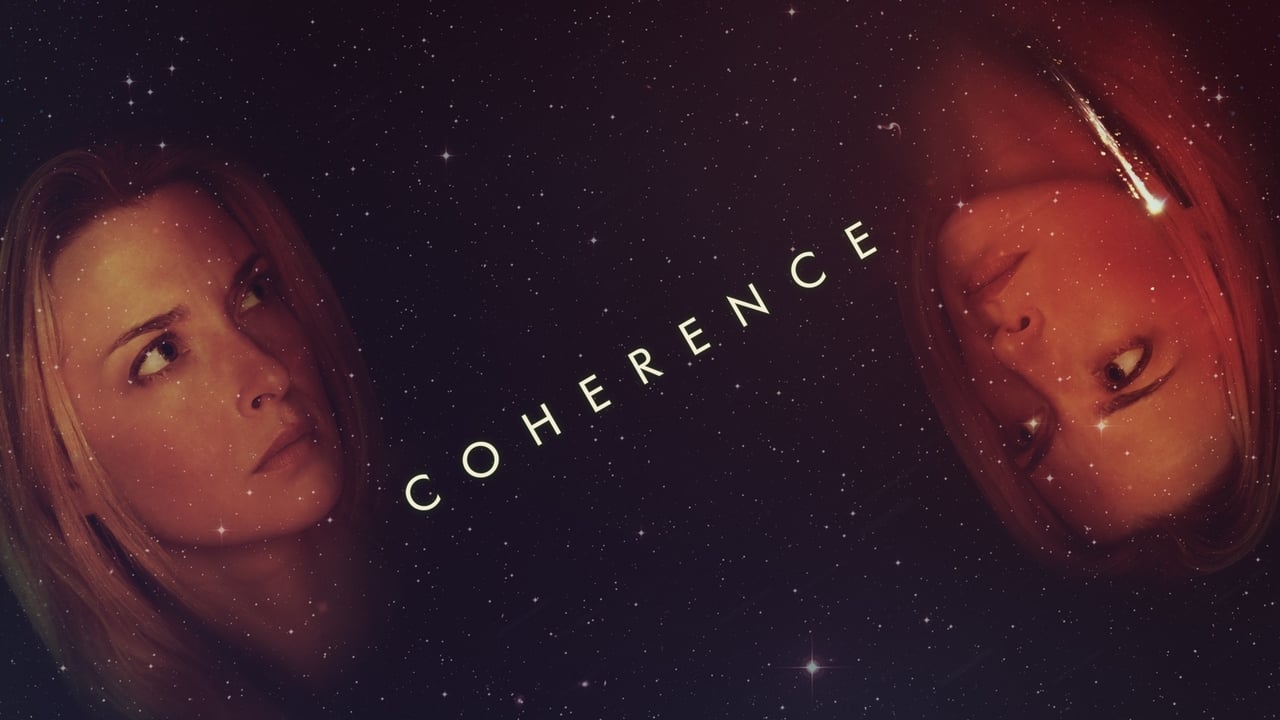
Looking back from a decade later, Coherence stands as a peak example of the Indie Renaissance. It arrived just as the industry was tilting toward massive franchises, proving that you don't need a multiverse of madness when you have a box of random objects and a group of friends who are secretly nursing old grudges. It captures that post-Y2K tech anxiety perfectly—the fear that our devices and our very identities are far more fragile than we care to admit.
There are no easy answers here. No scientist arrives in a lab coat to explain the physics of the comet. Instead, the film leaves you in a moral gray area so dark it’s practically pitch-black. By the time the final, haunting shot lingers on the screen, you realize the comet wasn't the threat. The comet was just the light that showed us who these people really were.
Coherence is a reminder that the best science fiction doesn't need to show you the stars to make you feel small. It just needs to show you yourself. It’s a lean, mean, and deeply unsettling ride that demands a second viewing immediately after the first—if only to see if you can spot the moment where the "you" on screen stopped being the "you" you started with. This is essential viewing for anyone who thinks they've seen everything the genre has to offer.

Keep Exploring...
-
Open Your Eyes
1997
-
Timecrimes
2007
-
Dark Skies
2013
-
Limitless
2011
-
Rise of the Planet of the Apes
2011
-
The Hunger Games
2012
-
Gravity
2013
-
Dawn of the Planet of the Apes
2014
-
The Maze Runner
2014
-

Blood and Bone
2009
-

Undisputed III: Redemption
2010
-
Source Code
2011
-
The Flu
2013
-
Predestination
2014
-
Primer
2004
-

The Girl Who Kicked the Hornet's Nest
2009
-
The Secret in Their Eyes
2009
-

The Man from Nowhere
2010
-
The Raid
2012
-
Marshland
2014