Creep
"Meet your new best friend. Please run."
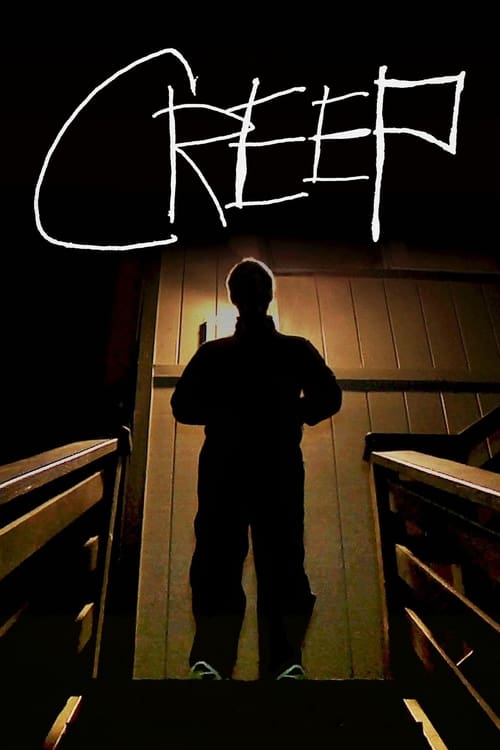
If you’ve ever answered a vaguely threatening Craigslist ad because you were three months behind on rent, you already know the specific brand of dread that fuels Creep. By 2014, the "found footage" genre was largely considered a decaying corpse, picked clean by a decade of Paranormal Activity sequels and cheap Blair Witch knockoffs. I remember thinking we’d reached the absolute ceiling of what a shaky GoPro could accomplish. Then along came Mark Duplass and Patrick Brice to prove that you don’t need a demonic entity or a CGI ghost to ruin someone's life—you just need a guy who doesn't understand personal boundaries.
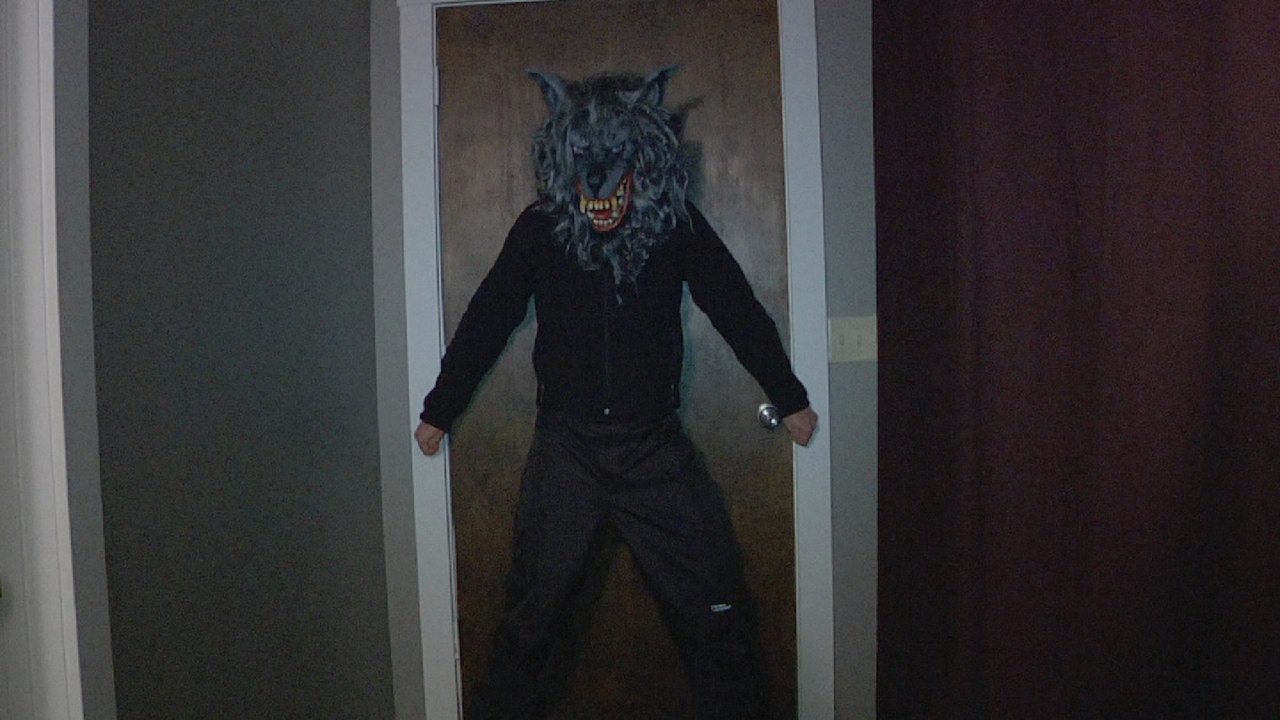
I watched this for the first time on a laptop with a cracked screen that made Mark Duplass’s face look even more distorted during the close-ups, which honestly felt like a feature, not a bug. It’s a film that thrives on the low-res, the handheld, and the deeply, profoundly awkward.
The Art of the Over-Sharer
The premise is deceptively simple: Aaron (Patrick Brice), a struggling videographer, drives out to a remote cabin to film Josef (Mark Duplass). Josef claims he’s dying of a brain tumor and wants to record a video diary for his unborn son. It’s a setup that triggers every "polite person" instinct we have. Aaron stays not because he’s stupid, but because he’s empathetic—and he really needs that $1,000.
What follows is a masterclass in psychological escalation. Mark Duplass—who usually plays the "lovable indie schlub" in things like The Puffy Chair—is a revelation here. He uses his natural "nice guy" charisma like a weapon. He invites Aaron into "tubby time" (a bath scene that is exactly as uncomfortable as it sounds) and forces him into high-intensity hugs. Mark Duplass looks like every guy who has ever tried to explain artisanal pickles to me at a party, but with a predatory glint in his eye that tells you he might be wearing your skin by Tuesday.
The genius of the film lies in the "mumblecore" aesthetic. This sub-genre, known for its improvised dialogue and low-budget naturalism, is usually reserved for quarter-life crisis dramas. By applying it to a thriller, Patrick Brice (who also directed) makes the horror feel eerily plausible. There are no jump scares that feel "manufactured"; instead, the scares come from the realization that you are trapped in a room with a man who is fundamentally wrong.
Peachfuzz and the Power of the Mask
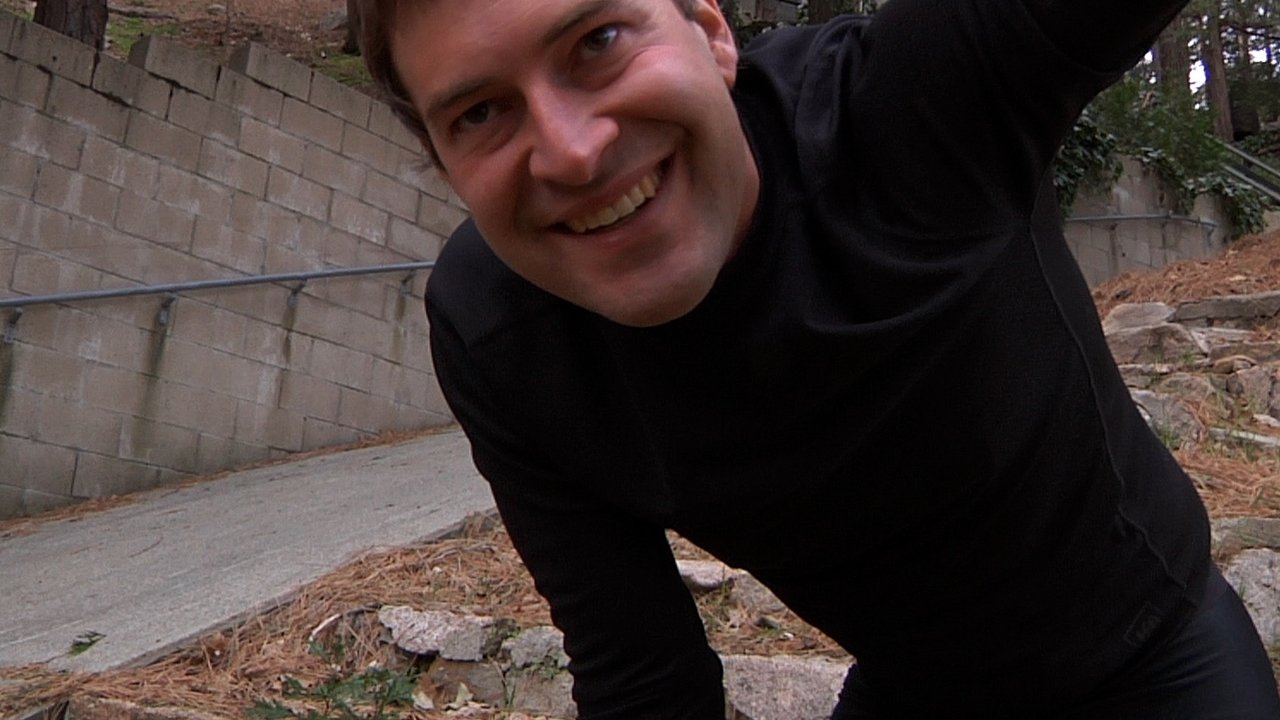
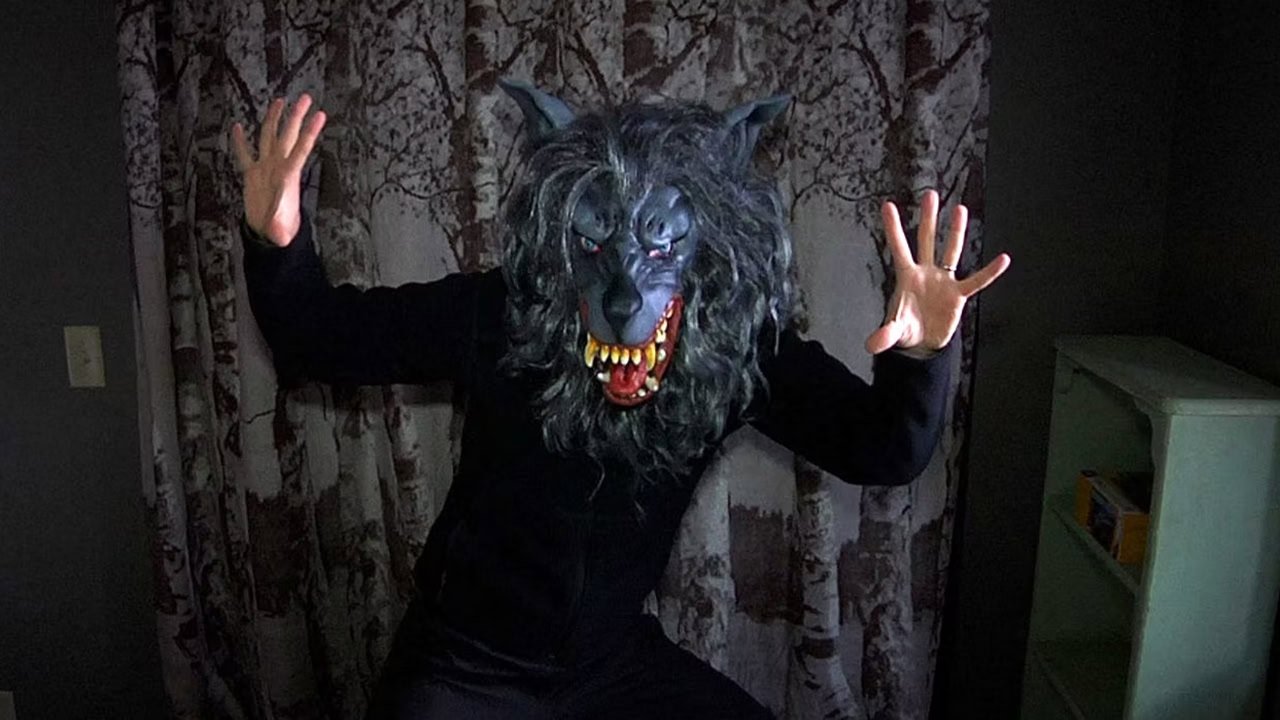
Every great horror movie needs an icon, and Creep finds its mascot in "Peachfuzz"—a grotesque, cheap-looking wolf mask that Josef keeps in his closet. It’s a perfect example of low-budget ingenuity. The mask isn't scary because it's high-tech; it’s scary because of the way Josef wears it, dancing silently in a doorway or staring into the camera. It taps into that primal, Y2K-era internet anxiety of "The Unknown User." It reminded me of the early days of viral marketing, where you weren't quite sure if what you were watching was a prank or a police evidence file.
Technically, the film is a product of its time. By 2014, digital cameras were good enough to look professional but cheap enough to be accessible, allowing the Duplass Brothers Productions and Blumhouse to experiment with this "two guys and a camera" approach. The cinematography, handled by Patrick Brice himself, captures the claustrophobia of the cabin and the vulnerability of the woods with a jagged, nervous energy. Even the involvement of Katie Aselton (as the voice of Angela) adds a layer of grounding reality to the increasingly surreal situation.
Why It Vanished (And Why You Should Find It)
Despite being a hit on the festival circuit and becoming a cult favorite on Netflix, Creep often feels like a "hidden gem" in the broader Blumhouse catalog. It doesn't have the marketing machine of Insidious or The Purge. It’s a quiet, nasty little film that relies entirely on performance and pacing.
Turns out, the film was almost entirely improvised. The duo shot enough footage for three different versions of the movie—one that was a straight comedy, one that was a dark drama, and the horror version we eventually got. This improvisational DNA is why the dialogue feels so lived-in. When Josef says something weird, Aaron’s reaction isn't a scripted "Why did you say that?" It’s the genuine, hesitant chuckle of a man who is actively calculating the fastest route to his car.
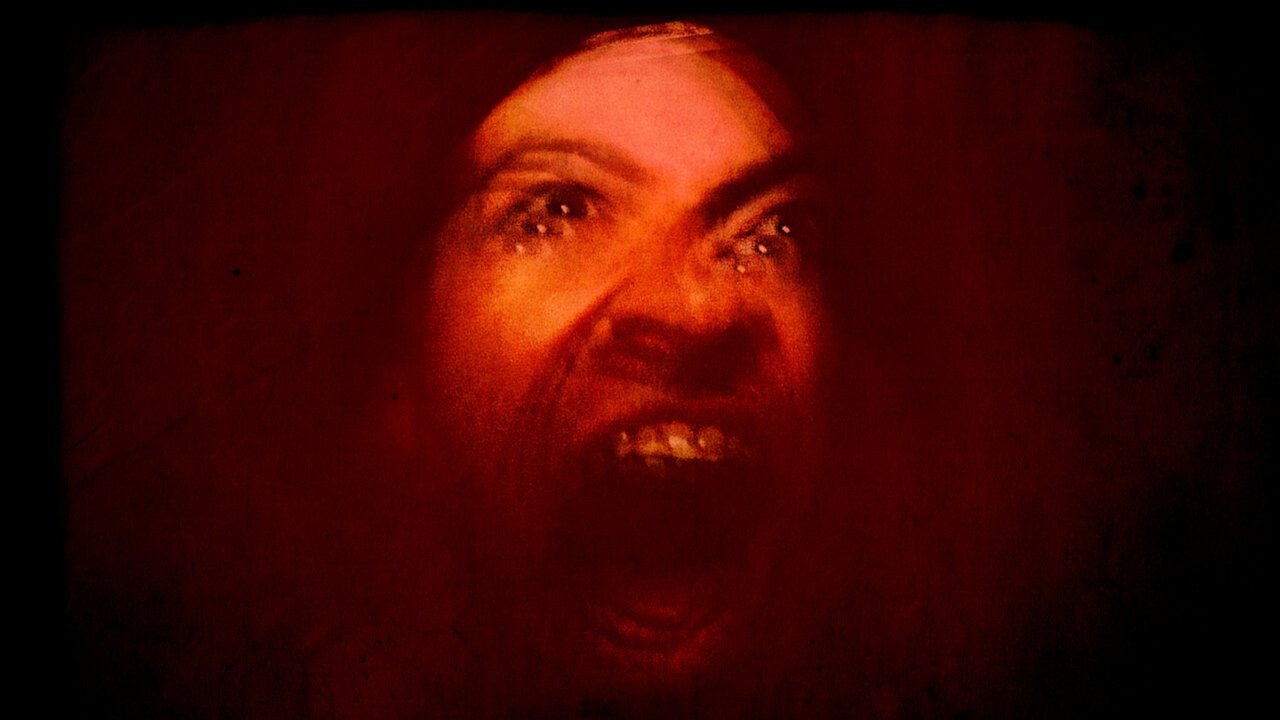
Looking back, Creep stands as a pivot point for modern horror. it moved away from the "found footage" gimmick of ghosts in the attic and toward the very real, very modern horror of the "gig economy" and the strangers we invite into our lives through a screen. It’s a film that understands that the most terrifying thing in the world isn't a monster under the bed—it's a man who won't stop smiling at you.
Creep is a lean, mean 82 minutes that respects your time and your intelligence. It manages to be both hilarious and deeply upsetting, often in the same breath. If you haven't seen it, watch it with the lights off—and maybe double-check the locks on your front door before you hit play. Just don't blame me if you start eyeing every wolf mask at the Halloween store with a new sense of suspicion.
***
Patrick Brice and Mark Duplass created something special here by stripping horror down to its barest essentials. It’s proof that a great script and a terrifying central performance will always beat a $100 million CGI budget. As the credits roll, you’ll find yourself reconsidering every "nice" stranger you’ve ever met. And really, isn't that what the best horror is supposed to do?
Keep Exploring...
-
Creep 2
2017
-
Carriers
2009
-
The Last House on the Left
2009
-
Take Shelter
2011
-
Maniac
2012
-
The Collection
2012
-

Curse of Chucky
2013
-
Would You Rather
2013
-
13 Sins
2014
-
Stonehearst Asylum
2014
-
Time Lapse
2014
-
Thirst
2009
-
Don't Be Afraid of the Dark
2010
-
Sleep Tight
2011
-
The Possession
2012
-
The Tall Man
2012
-
V/H/S/2
2013
-
Clown
2014
-
Housebound
2014
-
Child's Play 2
1990