Dawn of the Planet of the Apes
"The line between man and beast is written in lead."
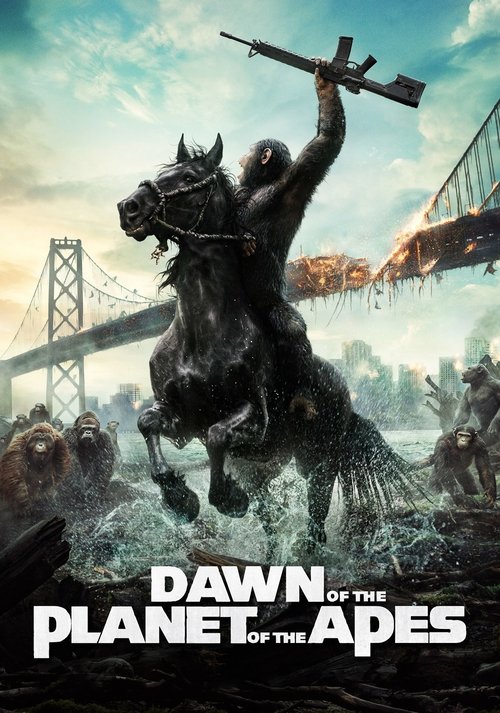
The first ten minutes of Dawn of the Planet of the Apes are a masterclass in narrative audacity. There is no dialogue—only the rustle of leaves, the rhythmic thud of galloping hooves, and a series of urgent, expressive hand signals. It’s a bold way to start a summer blockbuster, trusting the audience to lean in and read the subtitles of a burgeoning civilization. I watched this in a theater where the person behind me spent the entire opening sequence trying to open a bag of Sun Chips as quietly as possible, which, in a movie that starts with such deliberate silence, felt like a genuine war crime.
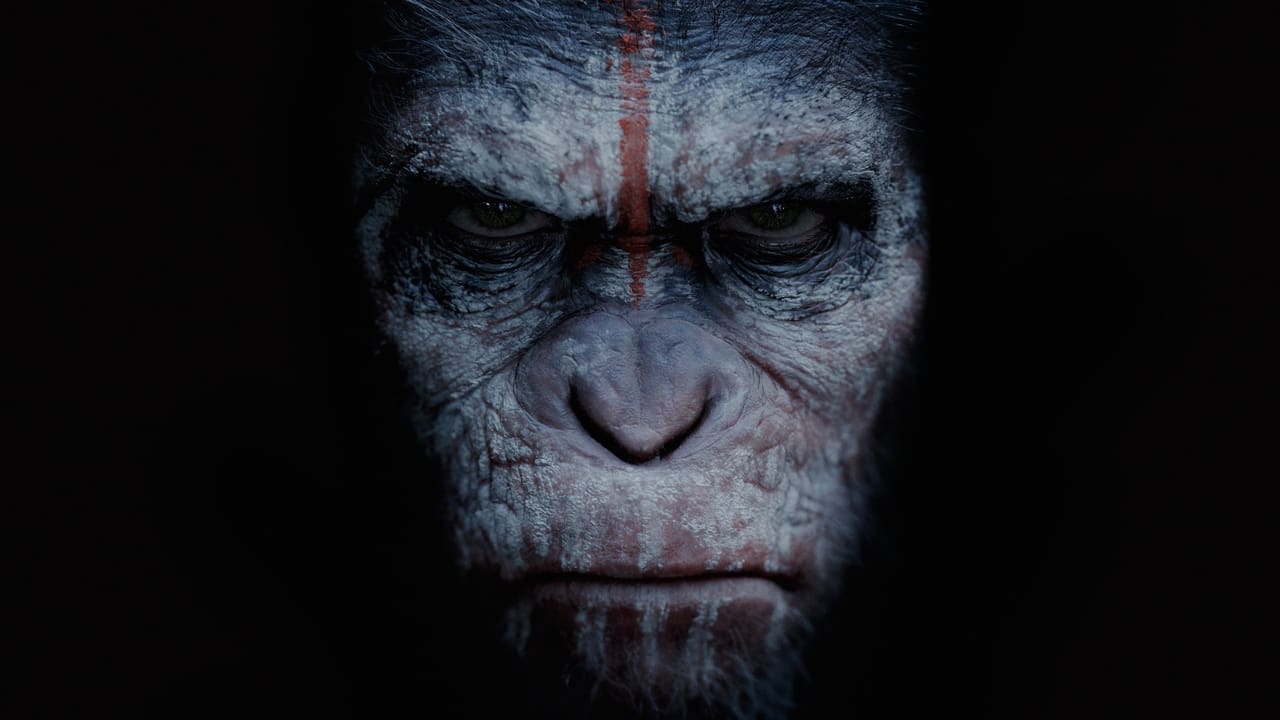
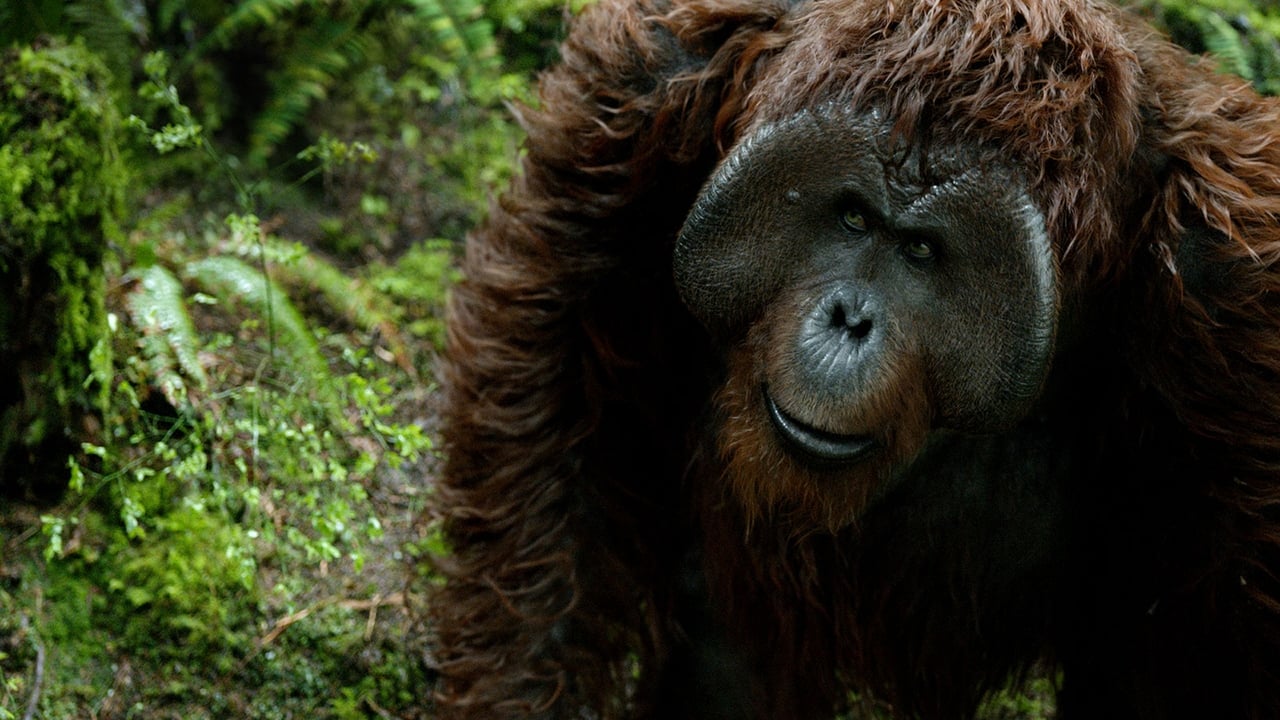
When Matt Reeves (The Batman, Cloverfield) stepped into the director’s chair for this 2014 sequel, he didn't just want to make a movie about monkeys with guns. He wanted to make a Shakespearean tragedy that happened to feature primates. Following the 2011 reboot Rise of the Planet of the Apes, this entry skips ahead ten years. A "Simian Flu" has devastated the globe, leaving humanity huddled in crumbling urban pockets while Caesar's colony thrives in the Muir Woods. It is a bleak, rainy, and intensely serious piece of filmmaking that remains one of the high-water marks of the CGI revolution.
The Ghost in the Shell
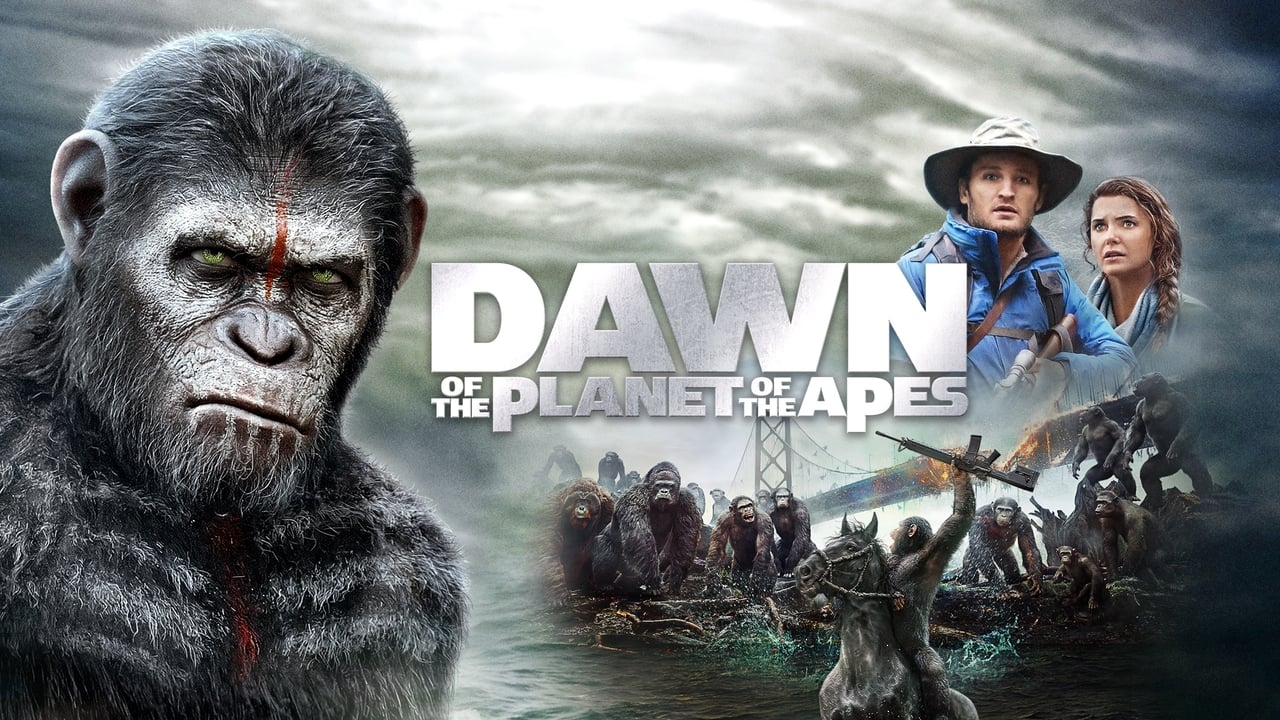
The conversation around this film always starts with the technology, but it should really start with Andy Serkis. By 2014, the "motion capture vs. acting" debate was reaching a fever pitch, and Dawn was the definitive proof that the technology had finally caught up to the soul. As Caesar, Serkis provides a performance of such immense weight and weary leadership that you forget you’re looking at pixels within minutes.
But the real revelation here is Toby Kebbell (RocknRolla) as Koba. If Caesar represents the hope for peace, Koba is the manifestation of trauma. Having spent his life in labs being poked and prodded by humans, his hatred isn't just a plot point; it’s a survival mechanism. Koba is a more terrifying and better-realized villain than 90% of the characters in the modern superhero canon. There’s a scene where he feigns being a "stupid" circus ape to disarm two armed humans that is genuinely chilling. It’s a reminder that intelligence isn’t just about solving math problems; it’s about the capacity for deception.
The production was a massive undertaking, with a $170 million budget that actually shows up on screen. Unlike most blockbusters of the era that stayed glued to green-screen stages, Reeves insisted on taking the mo-cap suits into the actual mud and rain of Vancouver and New Orleans. This was groundbreaking; Weta Digital had to invent new ways to keep the infrared cameras functional in the deluge. The result is a film that feels tangible and damp. When the apes move, they have a physical presence that anchors the fantastical premise in a grim, recognizable reality.
A Fragile Peace and Heavy Stakes
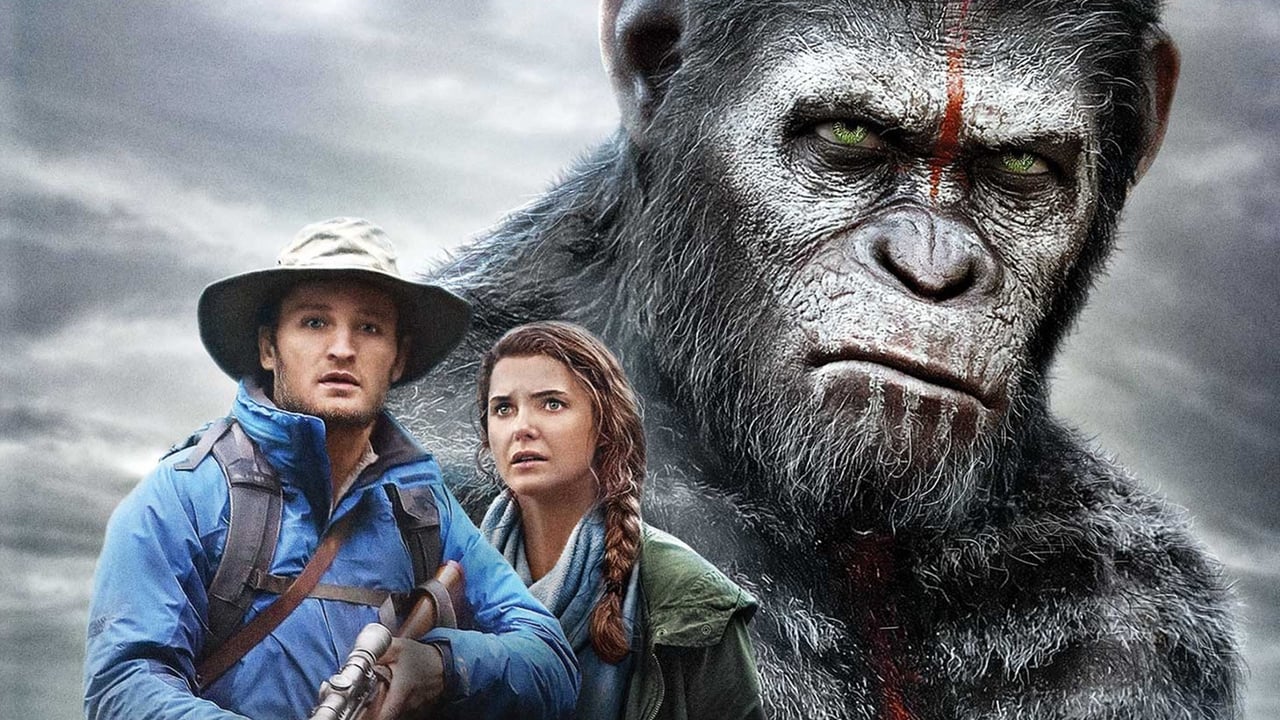
On the human side, we have Jason Clarke (Zero Dark Thirty) as Malcolm, a man trying to fix a hydro-dam to bring power back to San Francisco, and Gary Oldman (Darkest Hour) as Dreyfus, the leader of the human colony who is fueled by grief and fear. While the humans are often the weakest link in this franchise, Clarke and Keri Russell (The Americans) do enough heavy lifting to make their side of the bridge feel desperate rather than disposable.
However, the humans in this movie are ultimately just furniture for the apes to move around. The real meat of the story is the crumbling relationship between Caesar and Koba. It’s a mirror of the human conflict—two leaders, both wanting to protect their people, but destroyed by the radicals in their midst. The screenplay by Amanda Silver and Rick Jaffa doesn't offer easy outs. There are no mustache-twirling monologues here, just a series of tragic misunderstandings and valid fears that escalate into an inevitable war.
The action choreography is equally deliberate. When the war finally breaks out, it isn't "fun" in the traditional sense. It’s chaotic and terrifying. There’s a long, unbroken shot of Koba hijacking a tank that captures the sheer kinetic horror of the conflict. Michael Giacchino’s score—filled with discordant pianos and tribal percussion—underlines the dread. It’s a far cry from the heroic fanfares we usually get in July releases.
The $710 Million Tragedy
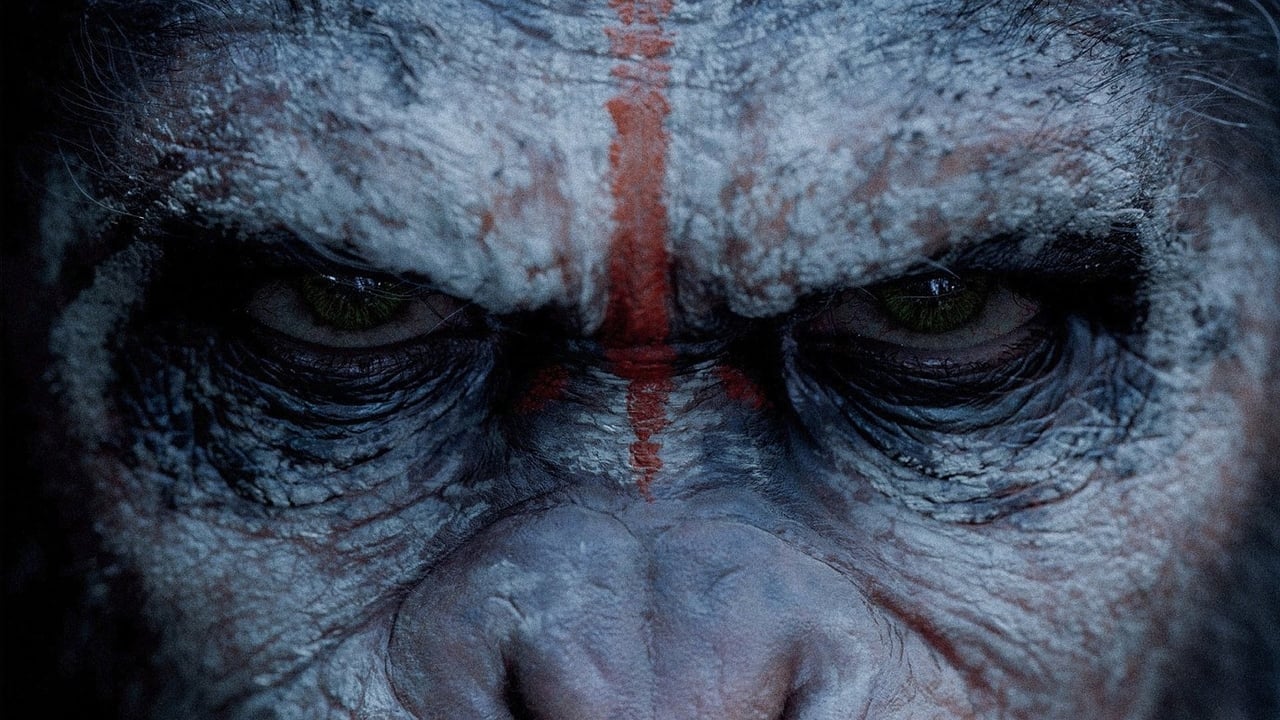
Culturally, Dawn of the Planet of the Apes was a bit of an anomaly. It grossed a staggering $710 million worldwide, proving that audiences were hungry for high-concept sci-fi that didn't feel the need to wink at the camera every five minutes. It successfully navigated the "middle-chapter" syndrome, expanding the world without feeling like a mere bridge to a finale.
Looking back, this film captures that specific 2014 moment where the industry was pivoting toward the "Extended Universe" model, yet Reeves managed to keep this feeling like a singular, authorial vision. It avoided the bright, quippy tone that was becoming the industry standard post-Avengers, opting instead for a grey, moss-covered aesthetic that felt like a throwback to the serious sci-fi of the 1970s. It’s a blockbuster with a soul, a brain, and a very heavy heart.
Dawn of the Planet of the Apes is that rare sequel that surpasses its predecessor by leaning into the darkness. It’s a film that respects its audience's intelligence as much as it respects its characters' pain. While the human characters don't quite reach the soaring heights of their simian counterparts, the central conflict is so well-drawn that it barely matters. It’s a haunting look at how easily peace can be dismantled by a single sparked fuse, and ten years later, its warnings about fear and tribalism feel more relevant than ever.
Keep Exploring...
-
Rise of the Planet of the Apes
2011
-
War for the Planet of the Apes
2017
-
Cloverfield
2008
-

The Dark Knight Rises
2012
-
The Hunger Games
2012
-
Gravity
2013
-
Outbreak
1995
-

Captain Phillips
2013
-
The Maze Runner
2014
-
Children of Men
2006
-
Terminator 2: Judgment Day
1991
-
Minority Report
2002
-

The Bourne Identity
2002
-

The Matrix Reloaded
2003
-
The Bourne Supremacy
2004
-
I Am Legend
2007
-
The Bourne Ultimatum
2007
-
Elysium
2013
-
The Fugitive
1993
-
Star Trek: First Contact
1996