Deliver Us from Evil
"Hell is a precinct in the Bronx."
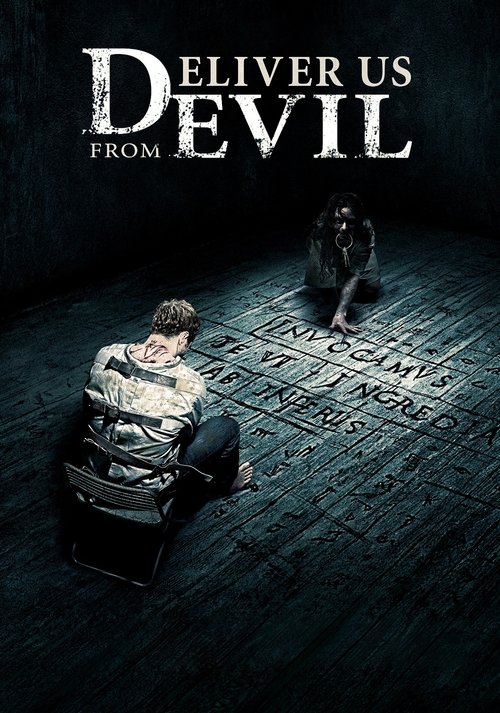
New York City in the movies is usually a place where you worry about getting mugged or stepping in something questionable, but in 2014, Scott Derrickson decided the real threat was ancient Babylonian soul-eaters. Deliver Us from Evil arrived right at the tail end of that gritty, desaturated era of filmmaking where every city street had to look like it was washed in charcoal and misery. It’s a strange beast—a police procedural that starts like Seven and ends like The Exorcist—and while it didn’t set the world on fire upon release, it has lingered in the peripheral vision of horror fans as a uniquely grime-soaked entry in the "faith vs. physics" subgenre.
I watched this recently on a Tuesday night while my radiator was clanking like a trapped spirit in the walls, which honestly provided a layer of 4D immersion I didn't pay for. It’s the kind of movie that makes you want to wash your hands immediately after the credits roll, not because it’s "gross-out" horror, but because the atmosphere is so perpetually damp and decaying.
Blue Bloods and Black Magic
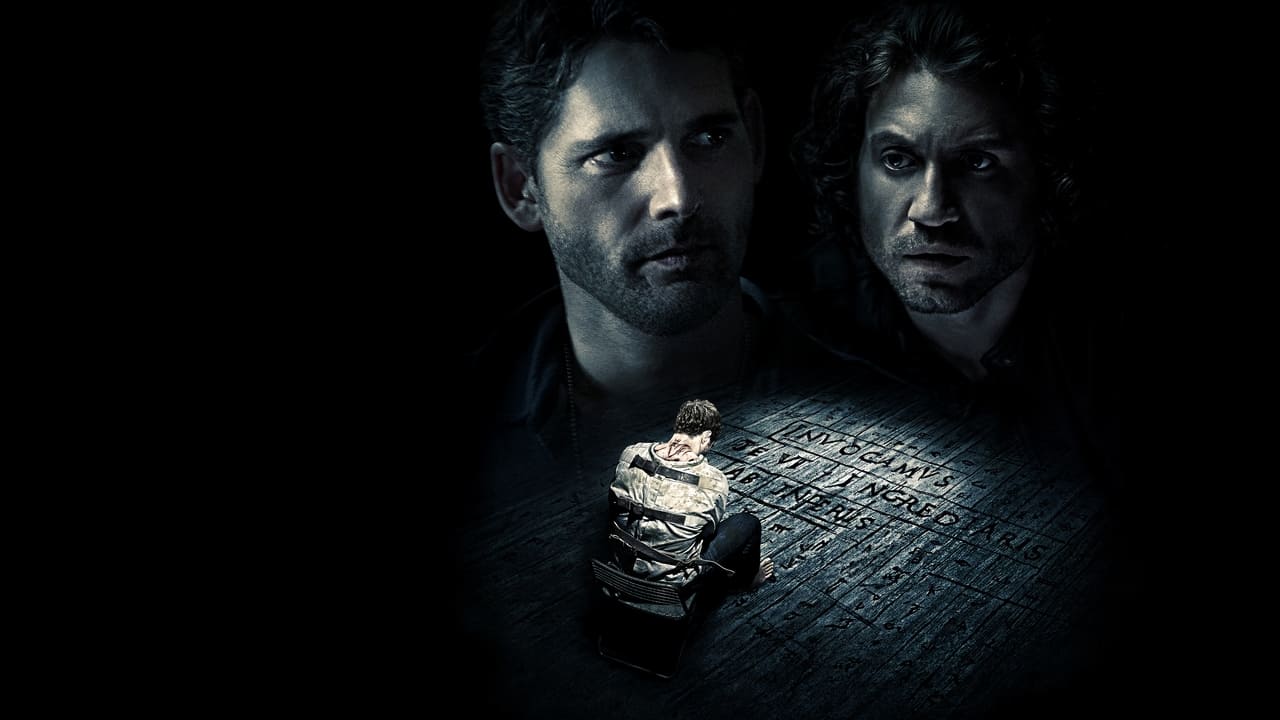
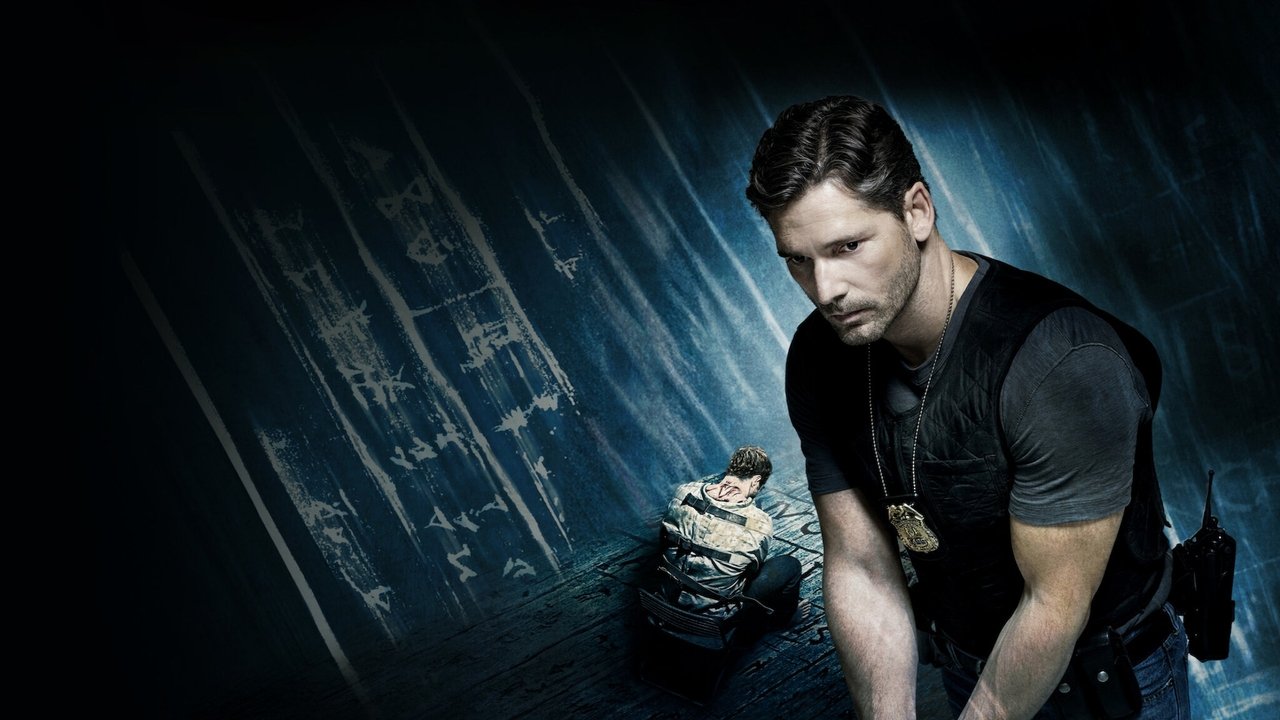
The film follows Ralph Sarchie, played with a permanent, vein-popping scowl by Eric Bana (who I still think is one of our most underutilized leading men; see Hulk or Munich). Sarchie is a Bronx cop with a "radar" for the weird. He’s the guy who ends up at the domestic calls that turn out to be something much worse. Scott Derrickson, fresh off the success of Sinister, brings that same knack for making ordinary spaces feel profoundly wrong. Whether it’s a darkened zoo enclosure or a basement filled with discarded junk, the lighting (or lack thereof) does most of the heavy lifting.
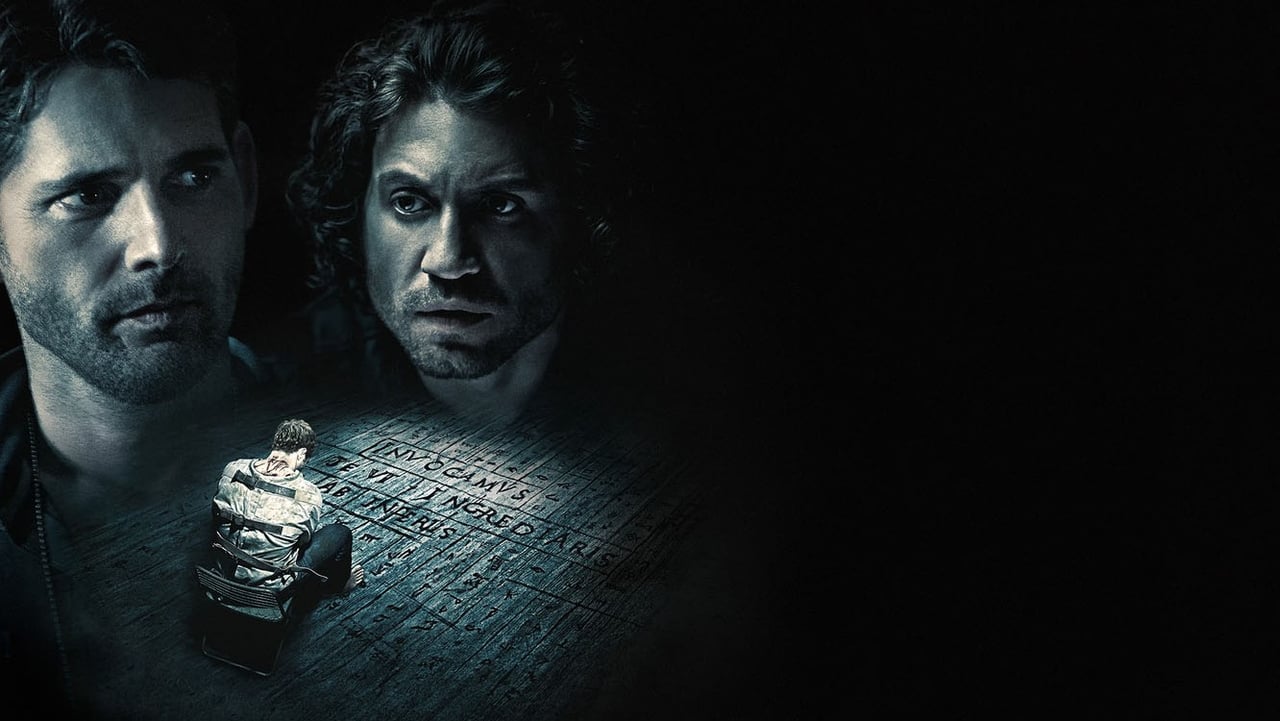
What makes this stand out from the generic jump-scare fests of the early 2010s is the partnership between Sarchie and Mendoza, a "renegade" Jesuit priest played by Edgar Ramírez with a leather jacket and a backstory involving a past addiction. They have this wonderful "buddy cop" chemistry, except instead of trading quips about retirement, they’re discussing the nuances of secondary demonic possession. The movie treats exorcism like a tactical extraction, and that’s a vibe I can get behind.
The McHale Factor and Doors Obsession
The real surprise, and the element that has helped this film achieve its minor cult status, is Joel McHale. At the time, he was the snarky king of Community, so seeing him as a knife-wielding, adrenaline-junkie cop named Butler was a massive pivot. He’s essentially playing a human Corgi with a death wish and a collection of sharpened steel. Joel McHale’s presence in this movie is like finding a jalapeño in a bowl of vanilla pudding—weird, but it definitely wakes you up.
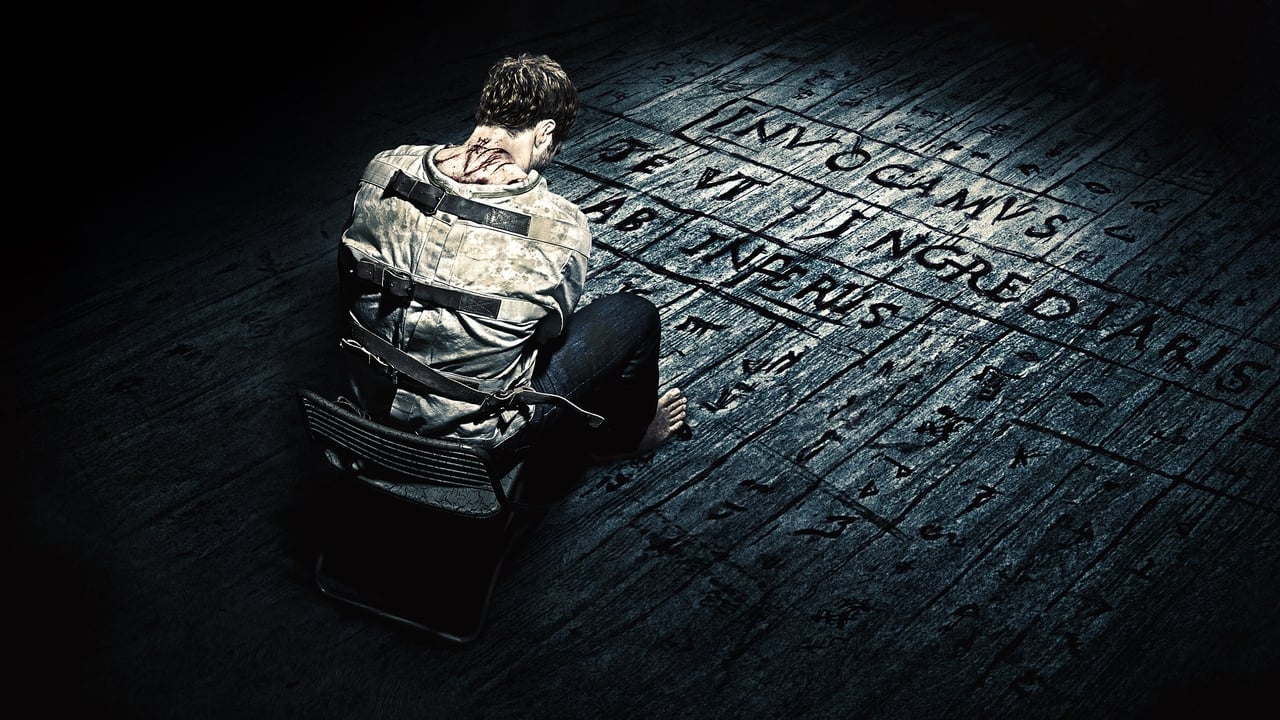
Then there’s the music. The film has a bizarre, deep-seated obsession with The Doors. Lyrics from Jim Morrison aren't just background noise; they’re clues, triggers, and practically a character in themselves. It’s a bold choice that tethers the film to a specific kind of classic rock mysticism. Apparently, the production had to spend a significant chunk of the budget just to secure the rights to those tracks, which tells you how vital Scott Derrickson felt they were to the movie's DNA.
Stuff You Didn't Notice
If you look at the "Based on a True Story" tag with a skeptical eye, you’re right to do so. The real Ralph Sarchie was a decorated NYPD sergeant who actually did become a demonologist, but the movie cranks the dial to eleven.
1. The real Sarchie actually served as a consultant on set, making sure the "cop talk" felt authentic even when the subject matter went south of heaven. 2. The zoo scene, featuring a very creepy lion, was filmed at the abandoned Bear Mountain Zoo, and the actors were reportedly genuinely unsettled by the location. 3. Sean Harris, who plays the possessed Santino, stayed in character so intensely that he avoided the rest of the cast, making the final showdown feel legitimately dangerous. 4. The film was originally titled Beware the Night, the same as Sarchie's book, but was changed to sound more like a traditional horror flick. 5. During the climactic exorcism, the Latin used is largely accurate to the Roman Ritual, adding a layer of "don't try this at home" authenticity that Derrickson loves.
A Relic of the Gritty Mid-2010s
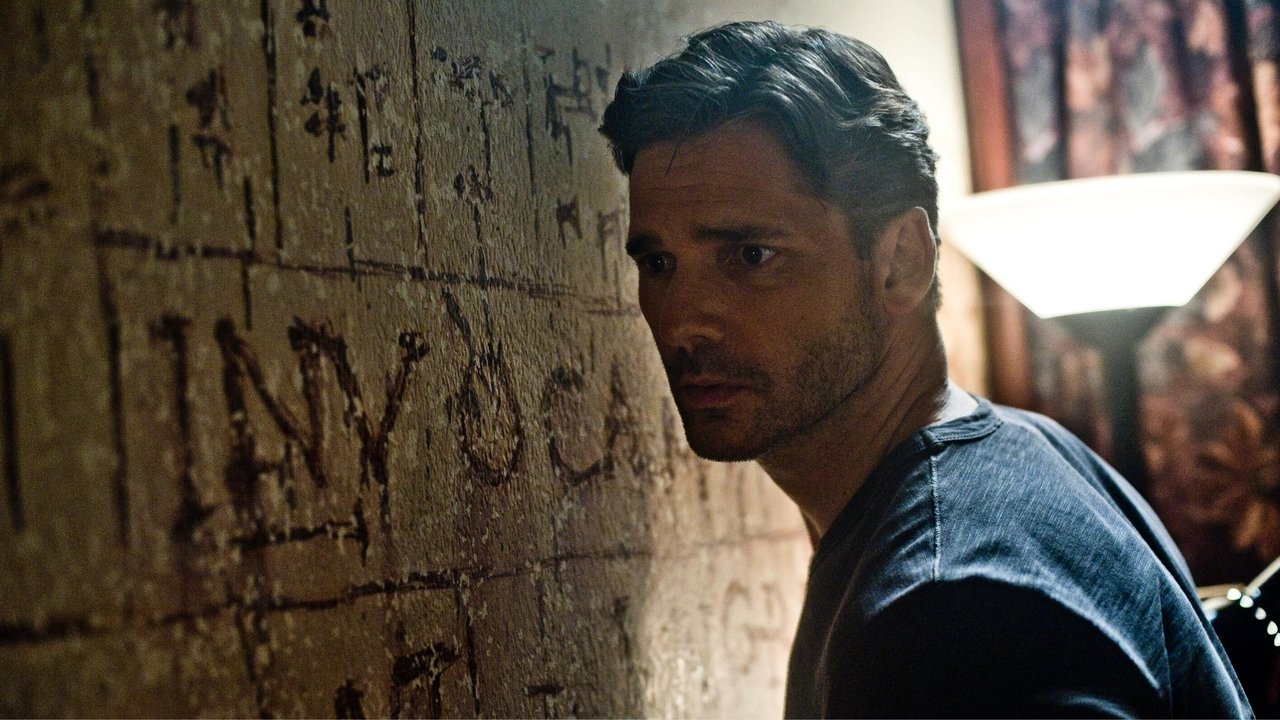
Looking back, Deliver Us from Evil captures that specific moment when digital cinematography started to truly master low-light environments. It’s a dark movie—literally—and on a bad screen, you’ll be squinting at shadows. But on a good one, the textures of the rain-slicked Bronx streets and the peeling wallpaper of haunted apartments feel incredibly tactile. It’s a bridge between the "shaky-cam" horror of the 2000s and the more "prestige" horror we see today.
The film doesn't reinvent the wheel, and the "skeptical cop learns to believe" arc is a path well-traveled. However, it earns its keep through sheer commitment to the bit. It doesn't wink at the camera. It doesn't apologize for being a movie where a priest and a cop fight a demon in a precinct holding cell. It’s a blue-collar horror movie that works for a living.
Deliver Us from Evil is a solid, rainy-night watch that pairs perfectly with a pizza you're not entirely sure about. It’s got enough procedural grit to satisfy fans of Law & Order and enough supernatural nastiness to keep horror buffs engaged. It’s not a masterpiece, but it’s a confident, well-acted genre mashup that understands the Bronx is scary enough even without the demons. If you missed it during the 2014 shuffle, it’s worth a look for Joel McHale's knife-fighting alone.
Keep Exploring...
-
The Exorcism of Emily Rose
2005
-

Sinister
2012
-
From Dusk Till Dawn
1996
-
The Last House on the Left
2009
-
Red Dragon
2002
-
Hannibal Rising
2007
-
I Spit on Your Grave
2010
-

I Spit on Your Grave 2
2013
-
Crank: High Voltage
2009
-
Drag Me to Hell
2009
-
Friday the 13th
2009
-
Orphan
2009
-
Pandorum
2009
-
Saw VI
2009
-
Devil
2010
-
Faster
2010
-
The Next Three Days
2010
-
Colombiana
2011
-
The Lincoln Lawyer
2011
-
The Mechanic
2011