Dumb and Dumber To
"Two decades of dust, one shared brain cell."
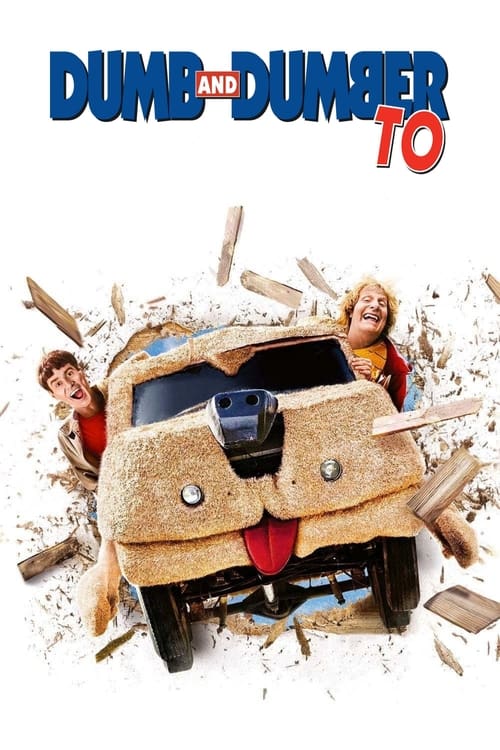
Lloyd Christmas spent two decades in a catatonic state just to pull off the world's most dedicated "Gotcha." That level of commitment to a bit—spending twenty years of your life staring at a wall in a mental institution just for a five-second laugh—is exactly the kind of beautiful, high-stakes idiocy that defined the Farrelly brothers' peak. When Dumb and Dumber To finally arrived in 2014, it felt less like a standard sequel and more like an archaeological dig into a specific brand of 90s maximalist stupidity. It’s a film that asks a very dangerous question: can the "rubber-face" energy of a 1994 superstar survive in a world of high-definition digital cameras and cynical social media?

I once tried to cut my own hair into a Lloyd Christmas bowl cut using a literal kitchen bowl and a pair of poultry shears, and let’s just say I looked more like a survivor of a lawnmower accident than a comedy icon. Watching Jim Carrey slide back into that same haircut twenty years later, I felt a strange mix of secondhand scalp pain and genuine curiosity. Could this actually work?
The Longest Con in Comedy History
Looking back at the landscape of 2014, the "legacy sequel" wasn't quite the inescapable monster it is today. We hadn't yet been buried under a mountain of reboots. This made the return of Harry and Lloyd feel like a genuine event. Jim Carrey (fresh off a more experimental period in his career) and Jeff Daniels (who was literally winning Emmys for The Newsroom at the time) have a chemistry that shouldn't be possible after twenty years apart. They fall back into their rhythmic, overlapping dialogue as if they’ve been sharing a communal toothbrush the entire time.
The plot is a thin clothesline for gags—Harry needs a kidney, discovers he has a long-lost daughter (Rachel Melvin), and the duo hits the road. Along the way, they run into the legendary Fraida Felcher, played with a wonderfully dry "I’m too old for this" energy by Kathleen Turner. But the plot is irrelevant. You’re here to see Jim Carrey eat a hot dog in the most upsetting way possible or watch Jeff Daniels get into a fight with a sophisticated life-filtering machine.
A 20-Year Time Capsule of Gross-Out Humor
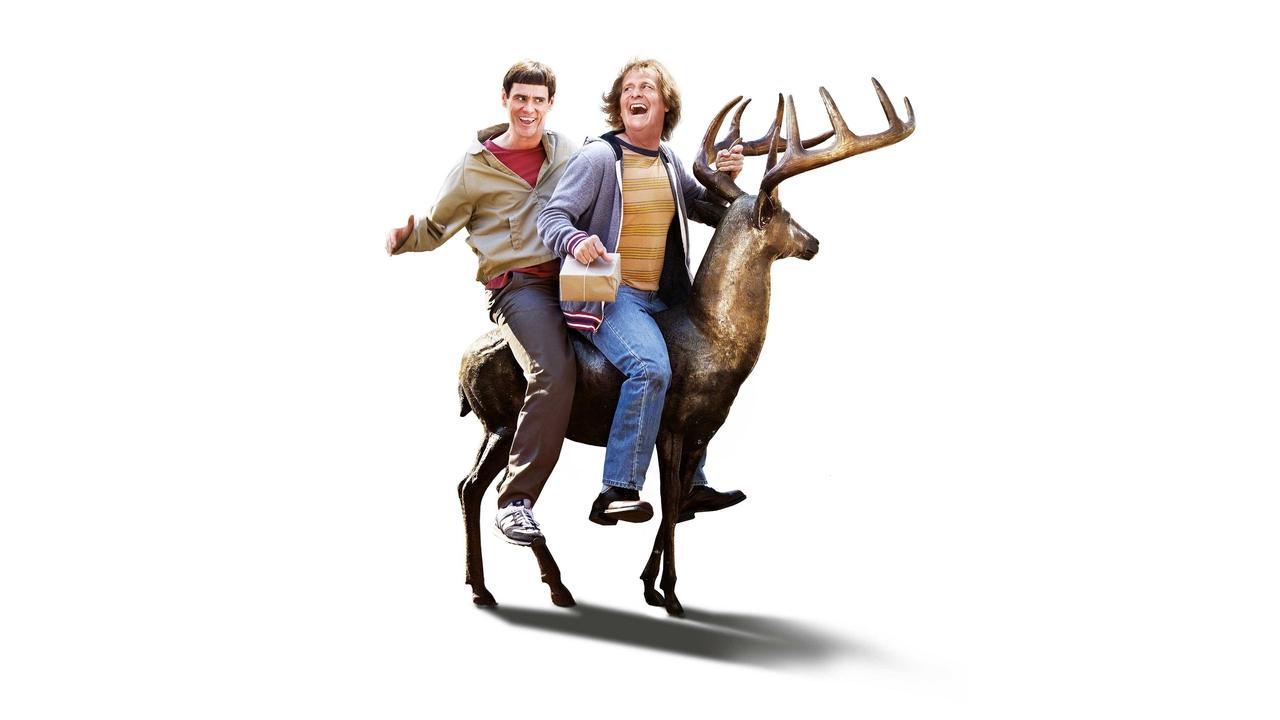
The Farrelly brothers—Bobby Farrelly and Peter Farrelly—helped define the transition from 80s slapstick to 90s gross-out comedy with the original film and There’s Something About Mary. By 2014, that style was fighting for air against the improv-heavy "Apatow style" of comedy. In retrospect, Dumb and Dumber To feels like a stubborn holdout. It refuses to modernize. It still relies on elaborate physical setups, loud noises, and the kind of unapologetically low-brow humor that makes you feel like your brain is slowly turning into lukewarm oatmeal.
Is it dated? Absolutely. Some of the jokes about gender and technology feel like they were written in 1997 and left in a drawer. But there’s something fascinating about its commitment to the bit. It doesn't try to be "smart" or "meta." It’s just two older men being spectacularly, violently stupid. Rob Riggle joins the fray as a double-agent villain, and while he’s great, he almost feels too "modern" for the movie. He’s playing a character; Carrey and Daniels are playing cartoons that somehow walked into the real world.
The Physics of the Blockbuster Sequel
This movie was a massive commercial win, pulling in over $169 million against a $40 million budget. Audiences clearly missed these idiots. Interestingly, Jennifer Lawrence was such a massive fan of the original that she reportedly filmed a cameo as a younger version of Fraida Felcher, though it was ultimately cut because she (or the studio) felt it didn't quite fit. It shows the cultural reach of the first film—the "Dumb and Dumber" brand was strong enough to survive two decades of dormancy.
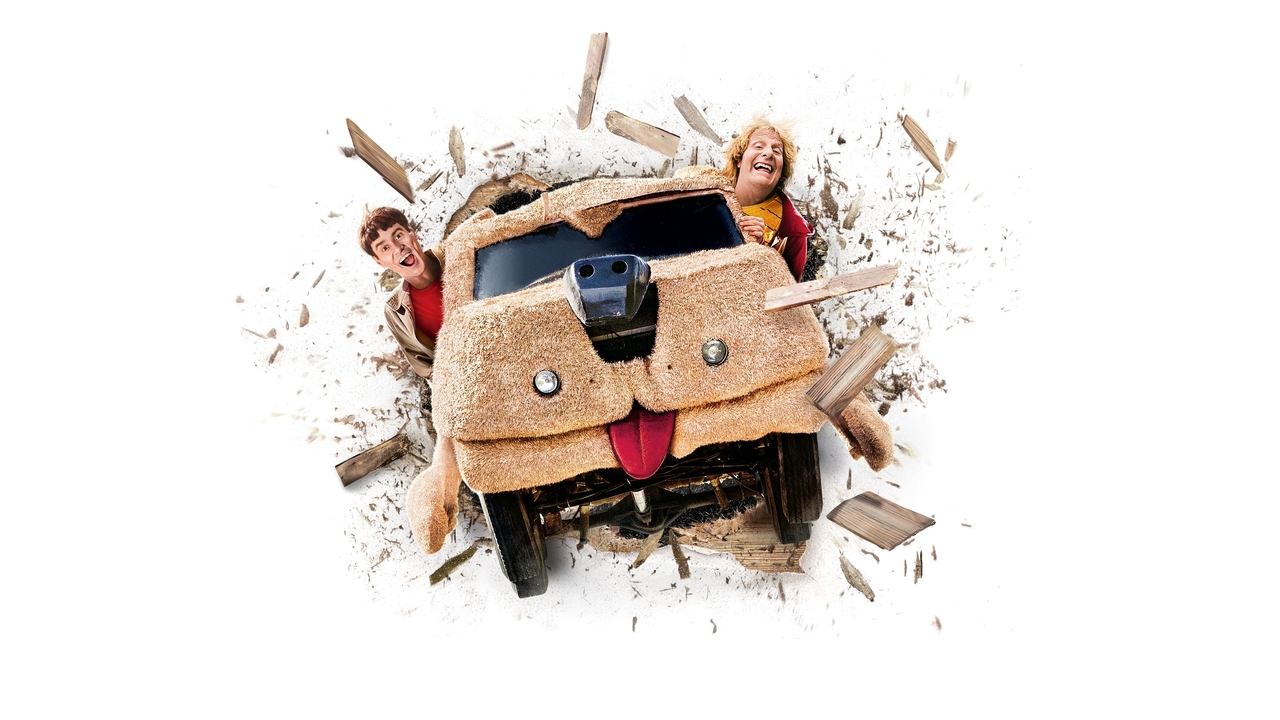
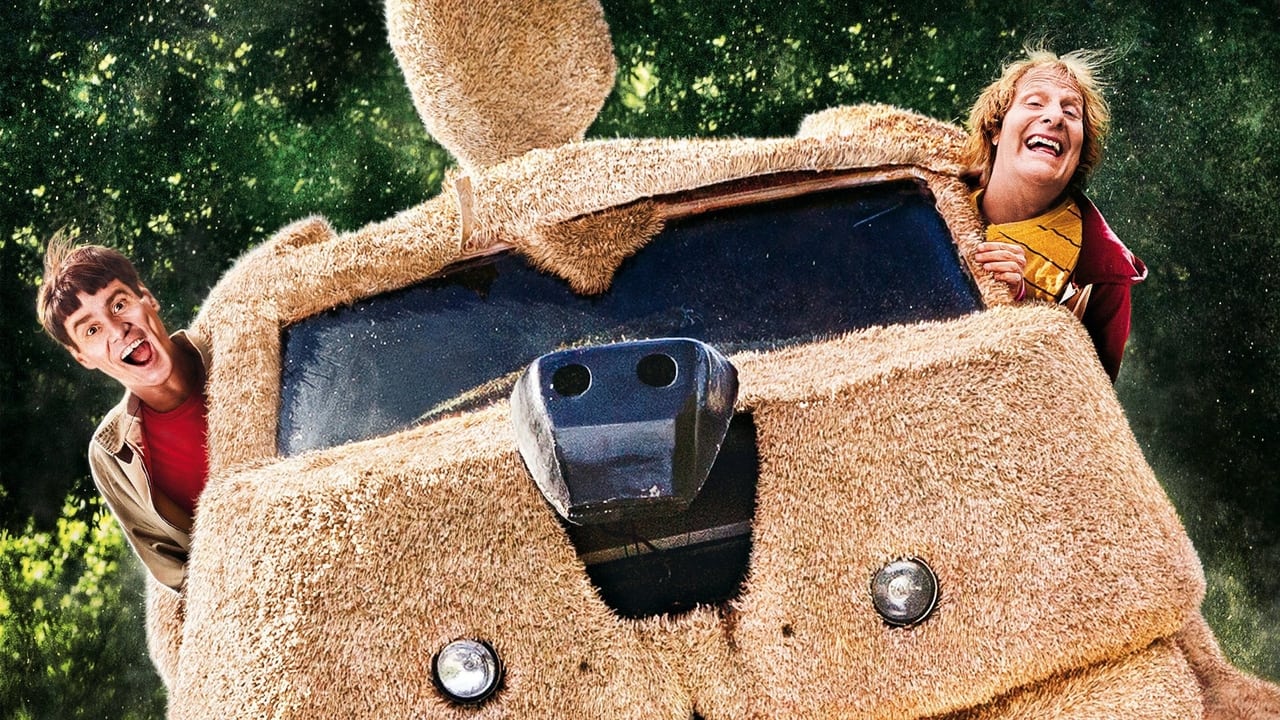
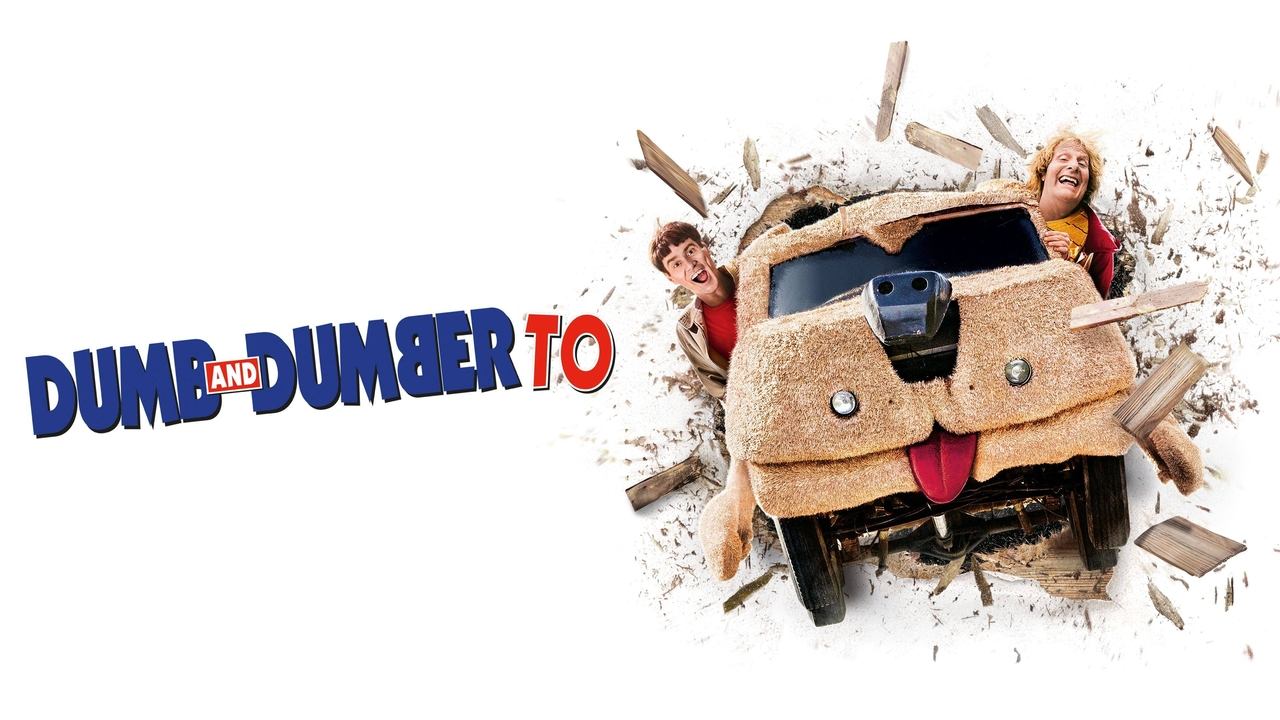
The production also saw the return of the iconic "Mutts Cutts" van, which is essentially the third lead actor of the franchise. There’s a scene involving a "stealth suit" that feels like a nod to the CGI advancements of the era, but the best moments are still the practical ones—the faces Carrey makes, the way Daniels falls over a chair. It’s a reminder that even in the age of digital marvels, a grown man falling down is still the ultimate comedic currency.
Ultimately, this sequel is a bit like seeing your favorite high school band reunite when they’re in their fifties. They still know the chords, and the lead singer can still hit the high notes if he tries, but the energy has shifted. I laughed more than I expected to, but I also felt the weight of time. It’s a fascinating relic of the end of the "star-driven comedy" era—a loud, messy, and occasionally hilarious farewell to the kings of the 90s box office. It won’t replace the original in anyone’s heart, but it’s a decent enough road trip if you’re willing to leave your dignity at the gas station.
Keep Exploring...
-
Dumb and Dumber
1994
-
Shallow Hal
2001
-
Hall Pass
2011
-
Me, Myself & Irene
2000
-
The Heartbreak Kid
2007
-
Mr. Popper's Penguins
2011
-
Ace Ventura: Pet Detective
1994
-
Ace Ventura: When Nature Calls
1995
-
There's Something About Mary
1998
-
Osmosis Jones
2001
-
Let's Be Cops
2014
-
Horton Hears a Who!
2008
-

17 Again
2009
-
Bride Wars
2009
-

Hotel for Dogs
2009
-

The Ugly Truth
2009
-

The Bounty Hunter
2010
-
Bad Teacher
2011
-
No Strings Attached
2011
-
Identity Thief
2013