Enemy
"One face is a crowd."
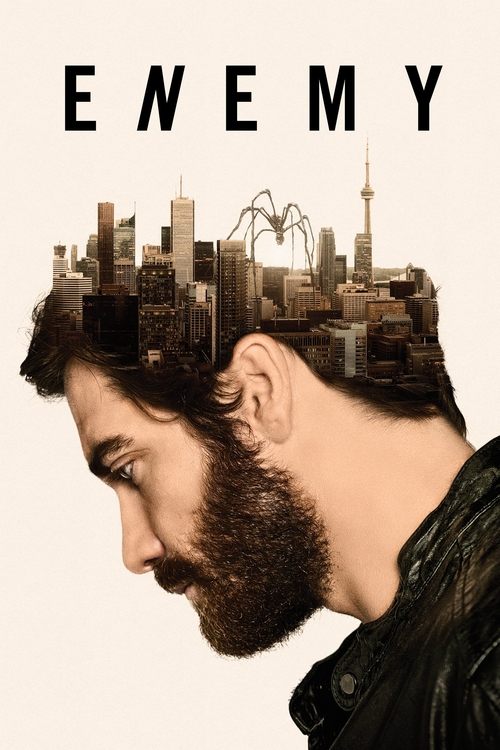
Forget the Toronto you think you know—the clean, polite metropolis of postcards. In Enemy, Denis Villeneuve reimagines the city as a jaundiced, concrete labyrinth where every skyscraper feels like it’s leaning in to whisper a secret you aren't supposed to hear. Everything is bathed in a sickly, nicotine-stained yellow that makes the air look heavy, like you’re breathing through an old sofa.
I recently rewatched this on a Tuesday afternoon while my neighbor was power-washing their driveway, and the constant, low-frequency drone of the machine actually synced up perfectly with the humming, dread-inducing score. It made the whole experience feel like a 4D horror simulation I didn't sign up for.
The Gyllenhaal Paradox
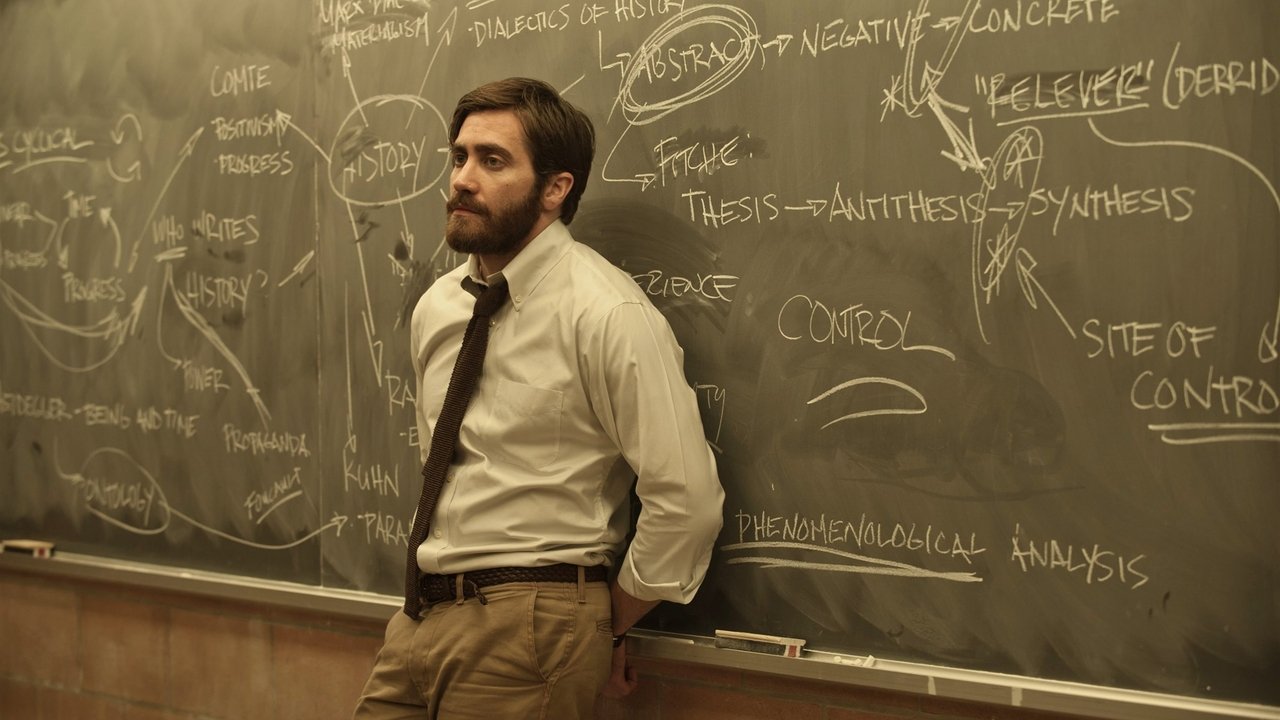
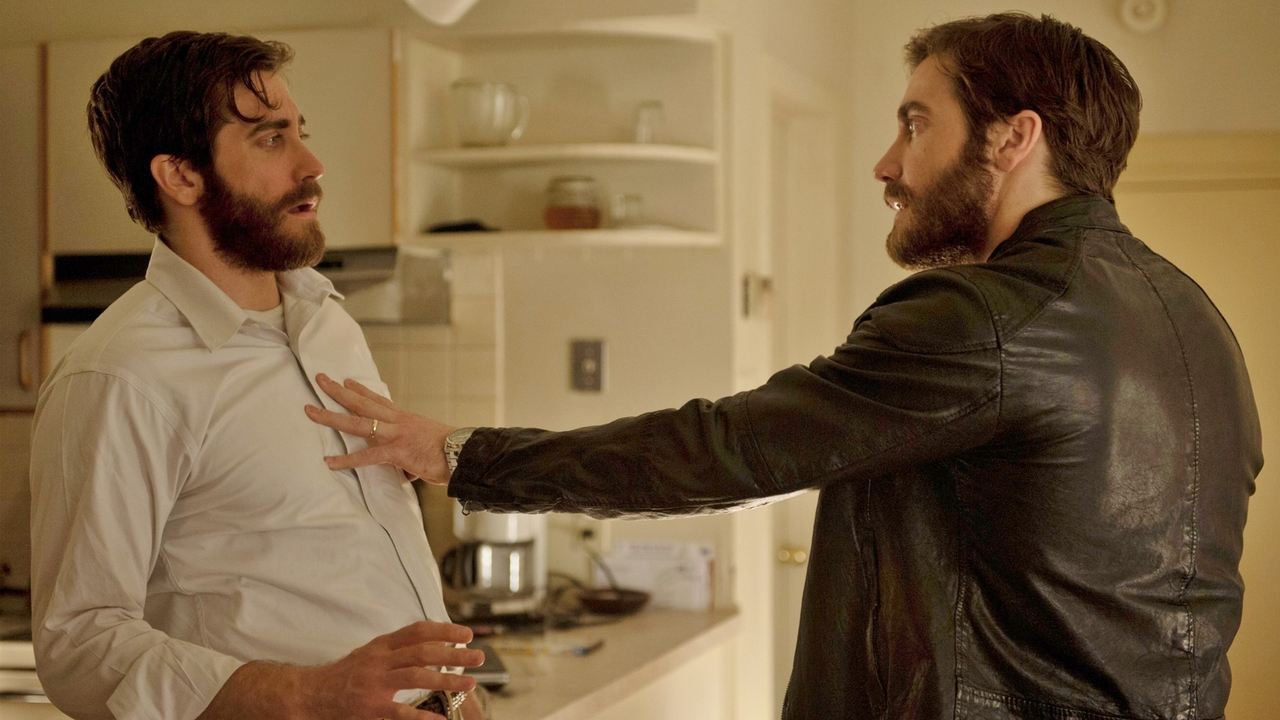
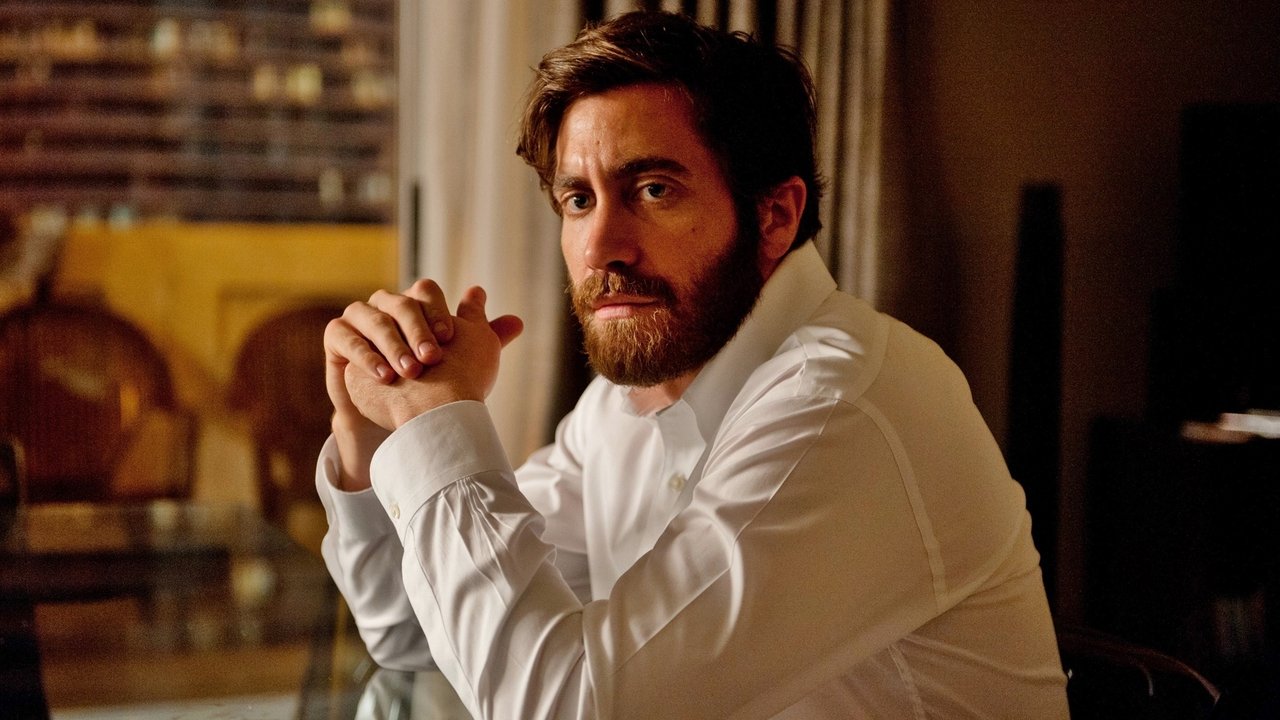
At its core, the movie is a puzzle box. Jake Gyllenhaal plays Adam Bell, a history professor who is the human equivalent of a beige wall. He lives a repetitive, joyless life until he spots his exact physical double, Anthony Clair, in a bit part in a rental DVD. When they eventually meet, it’s not a joyous "long-lost twin" moment; it’s a collision of two lives that should never have occupied the same space.
Jake Gyllenhaal is doing incredible heavy lifting here. This was right in the middle of his "prestige weirdo" era—sandwiched between Prisoners (2013) and Nightcrawler (2014)—where he seemed determined to shed his heartthrob image by looking as exhausted and haunted as possible. As Adam, he’s mousy and terrified; as Anthony, he’s arrogant and predatory. He manages to make them feel like two entirely different souls sharing the same beard. Watching him navigate the friction between these two identities is the real draw. Enemy is essentially a high-stakes horror movie for anyone who has ever been terrified of their own subconscious.
A City Dipped in Nicotine
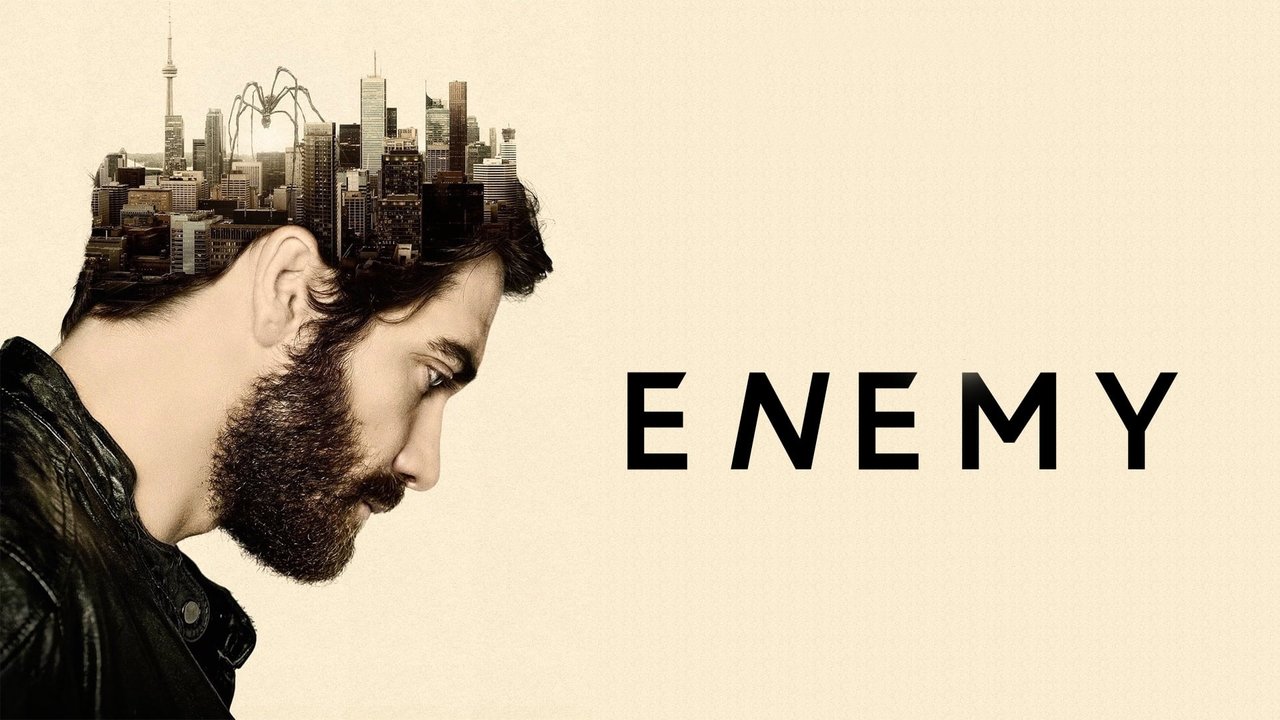
This film arrived in 2014, right as Denis Villeneuve was transitioning from a French-Canadian indie darling to the guy who would eventually be trusted with Dune and Blade Runner 2049. You can see him playing with scale here. He uses the brutalist architecture of Toronto to make the characters feel like ants in a colony. It’s a very 2010s "Modern Cinema" look—sharp digital cinematography by Nicolas Bolduc that avoids the glossy "CGI-everything" trap of the era, opting instead for a gritty, oppressive atmosphere that feels entirely tactile.
The supporting cast is equally game. Mélanie Laurent and Sarah Gadon play the women in the men’s lives, and their performances are crucial because they act as the "normal" barometers for how insane the situation is. Sarah Gadon, in particular, has a scene where she realizes the man in her bed might not be her husband, and the look of sheer, quiet terror on her face is more effective than any jump scare. Then there’s Isabella Rossellini as the mother, providing a brief, surreal anchor that feels like a deliberate nod to the dreamlike works of David Lynch (think Blue Velvet).
That Ending (And the Eight-Legged Elephants in the Room)
You can’t talk about Enemy without talking about the spiders. They show up in dreams, they loom over the skyline, and they lead to one of the most famous final shots in modern cinema. When I first saw this in a half-empty theater, the person behind me yelled, "What?!" at the screen. I felt the same way. It’s a polarizing choice that cemented the film’s status as a cult classic. It demands that you stop looking at the plot literally and start thinking about it as a fever dream about infidelity and control.
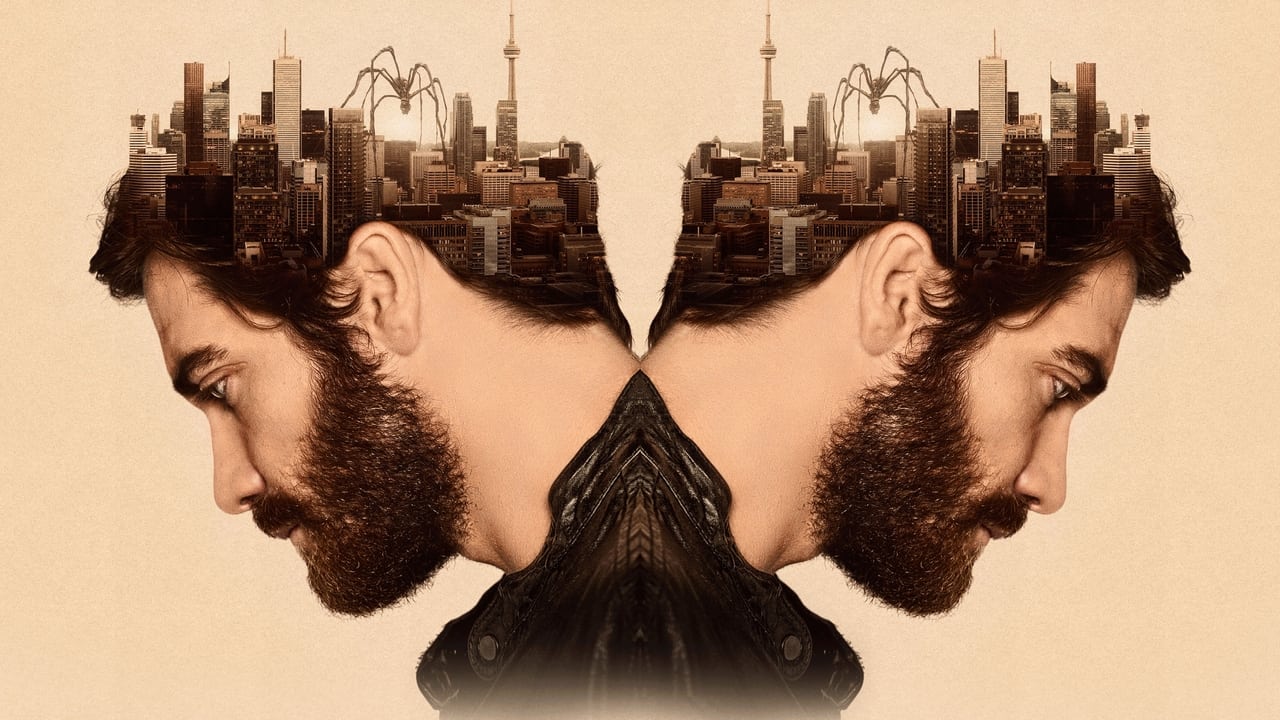
Turns out, the production was just as secretive as the script. Villeneuve reportedly made the cast and crew sign an agreement never to reveal what the spiders actually symbolize. Even the author of the original book (The Double), José Saramago, probably would have been surprised by the direction this took. The "stuff you didn't notice" file for this movie is deep: from the way the two apartments are mirror images of each other to the fact that the film was shot in just 25 days. The yellow tint wasn't just a stylistic whim; it was a post-production choice meant to evoke the feeling of a persistent, low-grade fever.
Enemy isn't a movie you watch to "relax." It’s a movie you watch when you want to feel your brain working against you. It’s a tight, 91-minute exercise in tension that rewards repeat viewings, even if those viewings leave you feeling a little bit more paranoid about who your neighbors (or your spouses) really are. It’s the best movie ever made about the absolute nightmare of being a person with a history.
If you missed this one during the mid-2010s indie boom, go back and find it. Just maybe check under your bed before you turn out the lights. And if you hear a low hum, it might just be the score—or your neighbor's power washer. Either way, it fits the mood perfectly.
Keep Exploring...
-

Zodiac
2007
-
Source Code
2011
-
Devil
2010
-
Pandorum
2009
-
State of Play
2009
-

Salt
2010
-
The Ghost Writer
2010
-
The Girl with the Dragon Tattoo
2011
-
The Skin I Live In
2011
-
Tinker Tailor Soldier Spy
2011
-

Trance
2013
-
A Walk Among the Tombstones
2014
-
Before I Go to Sleep
2014
-

The Guest
2014
-
Eastern Promises
2007
-
End of Watch
2012
-
Nightcrawler
2014
-
Gattaca
1997
-
Lost Highway
1997
-

The Game
1997