Exodus: Gods and Kings
"The heavens opened, the sea parted, and the budget exploded."
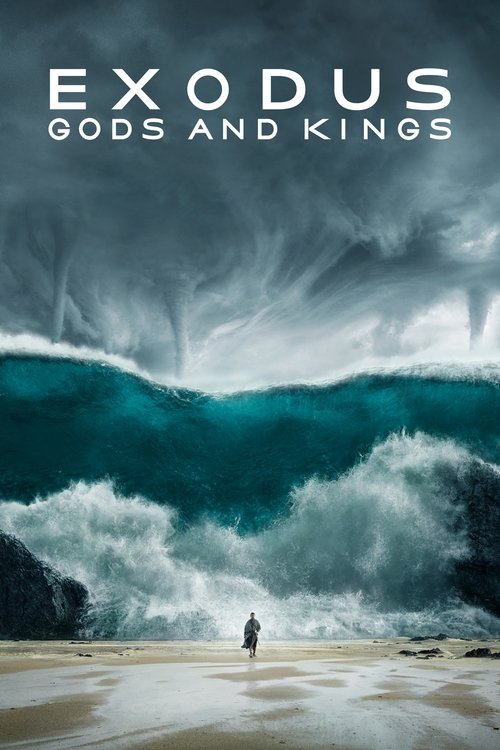
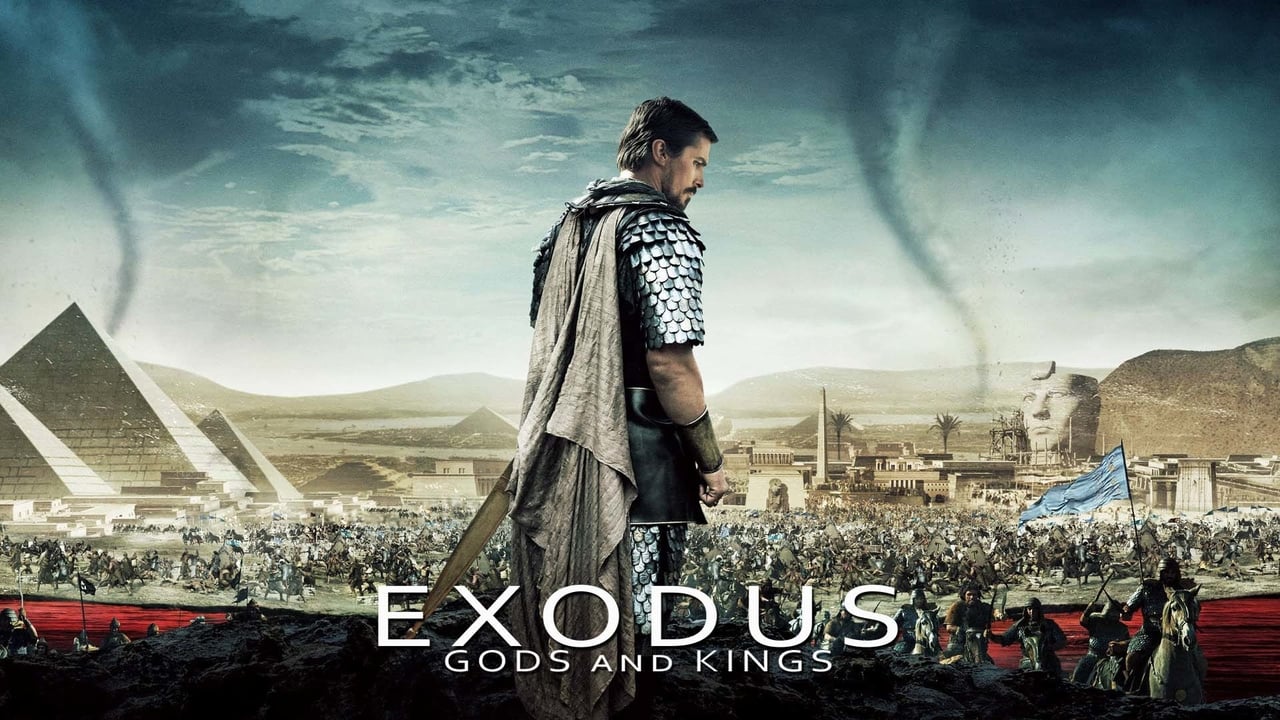
In the mid-2010s, Hollywood was possessed by the idea that if you threw enough pixels at a Bible story, you could conjure the ghost of the 1950s sword-and-sandal epic. Ridley Scott, fresh off the sleek sci-fi of Prometheus (2012), stepped into the desert with $140 million and a desire to make the book of Exodus feel like a gritty tactical manual. The result, Exodus: Gods and Kings, is a massive, clanking machine of a movie that feels like it’s constantly trying to apologize for being a religious story by pretending it’s a deleted scene from Kingdom of Heaven (2005).
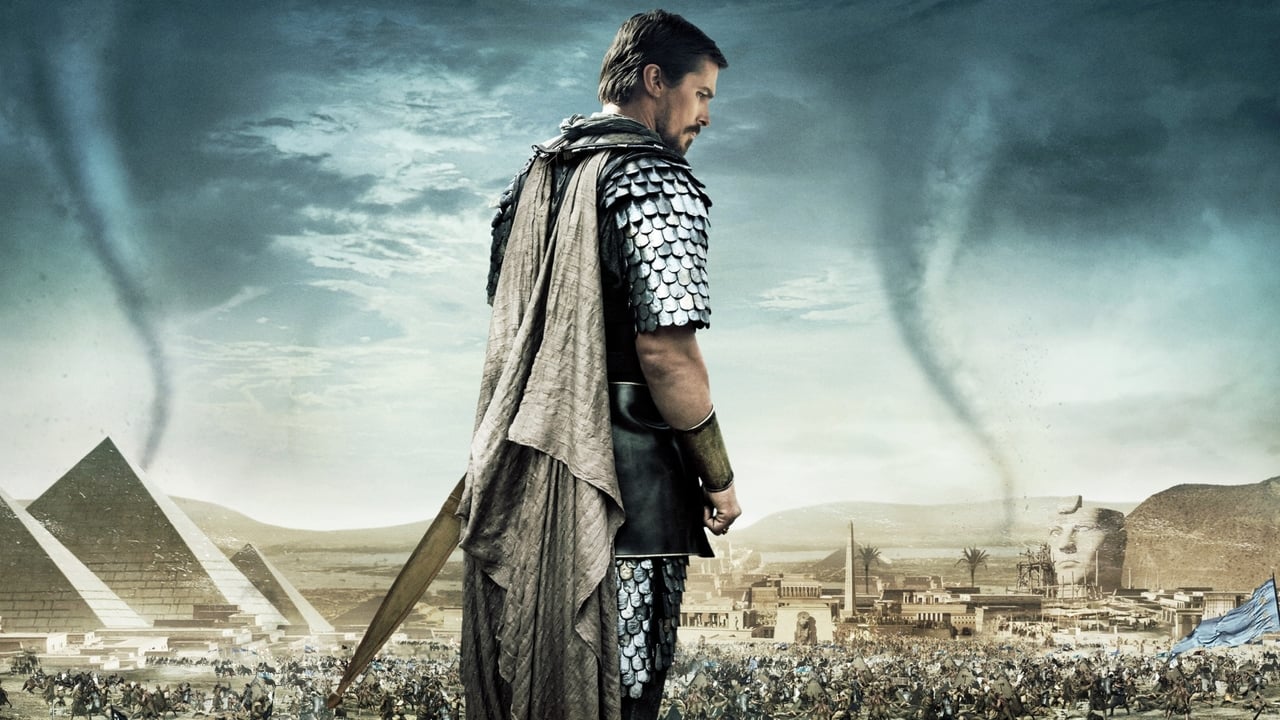
I watched this on a Tuesday night while wearing mismatched socks, and the sheer volume of the Red Sea sequence made my left big toe go numb from the floor vibrations. It is a film of incredible scale that somehow manages to feel remarkably small whenever the characters start talking.
When Science Attacks the Bible
What makes this film such a fascinator for cinema buffs is how it reflects the 2014 "Gritty Reboot" era. Following the success of the Dark Knight trilogy, every director wanted to ground the fantastical in reality. Ridley Scott and screenwriters Steven Zaillian (who gave us the masterful Schindler’s List) and Bill Collage decided that the ten plagues of Egypt shouldn't be mystical miracles, but a cascading ecological disaster.
The Nile turns red because of crocodiles feeding in a frenzy; the dead fish lead to frogs; the frogs lead to lice and flies; the flies lead to boils. It’s a gruesome, high-definition logic chain that is actually the best part of the movie. There’s a gross-out satisfaction in seeing John Turturro (looking deeply confused as Pharaoh Sethos I) deal with a palace infested with CGI amphibians. Apparently, they actually brought about 400 live frogs to the set to mingle with the digital ones, and Christian Bale reportedly spent a fair amount of time making sure he didn't step on his co-stars.
However, this "scientific" approach creates a weird friction. By trying to explain away the magic, the film loses the awe. It’s a Bible story told by someone who clearly prefers a spreadsheet of logistical nightmares to a prayer book.
Chariots, Chaos, and Christian Bale
Let’s talk about the action, because if you’re hiring the guy who made Black Hawk Down (2001), you want some crunch. The battle sequences are staggering. Scott has always been a master of the "Big Map" style of directing—you always know where the chariots are, where the infantry is, and exactly how much trouble everyone is in. The stunt work is top-tier; when horses go down in the mountain passes, you feel the weight of it.
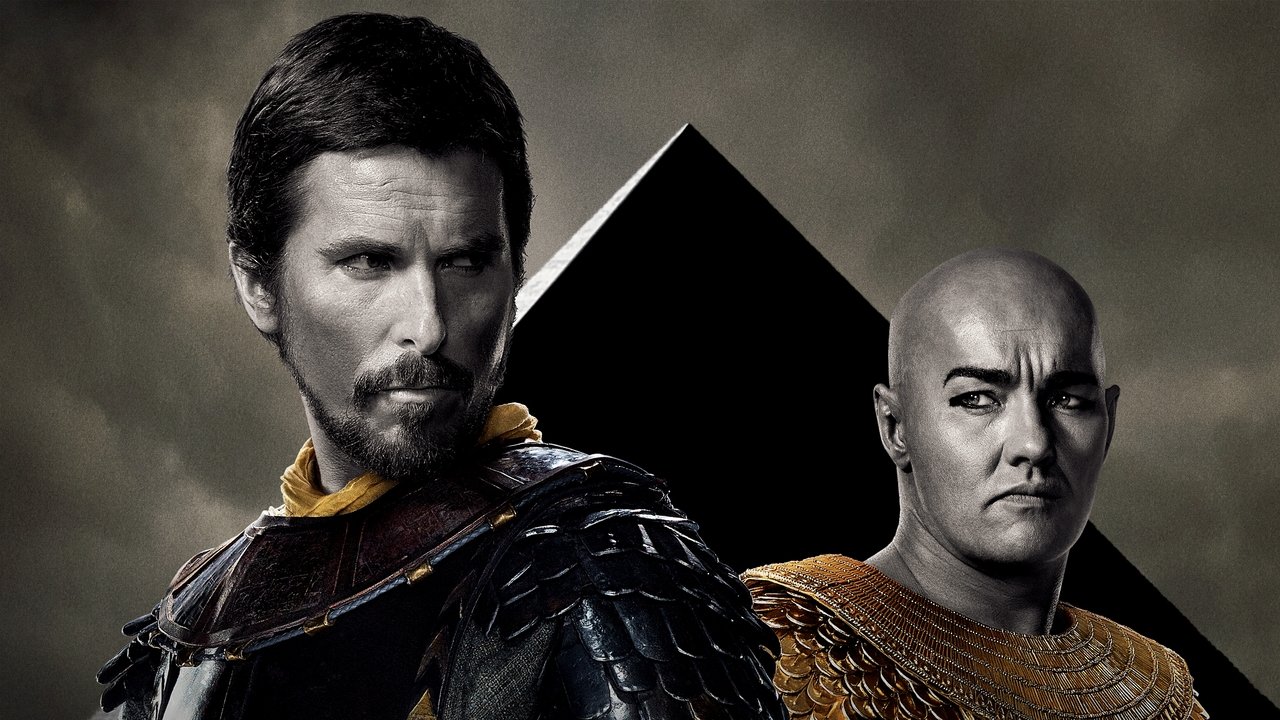
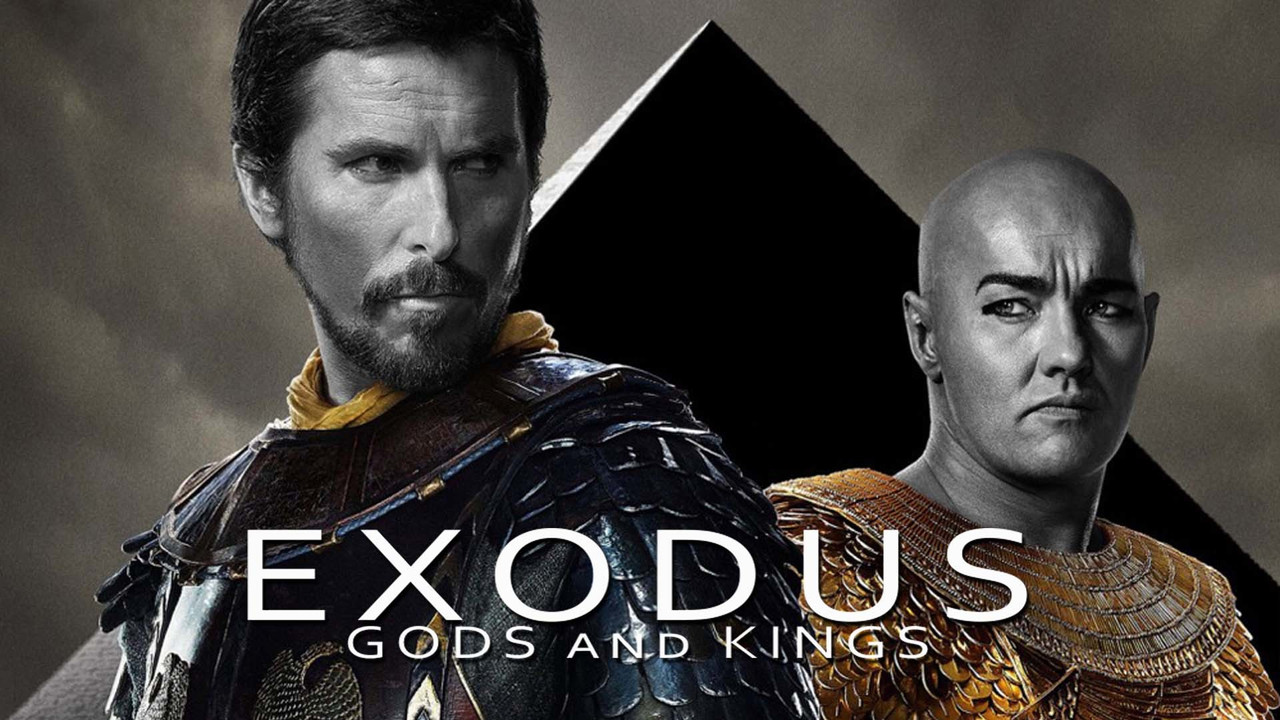
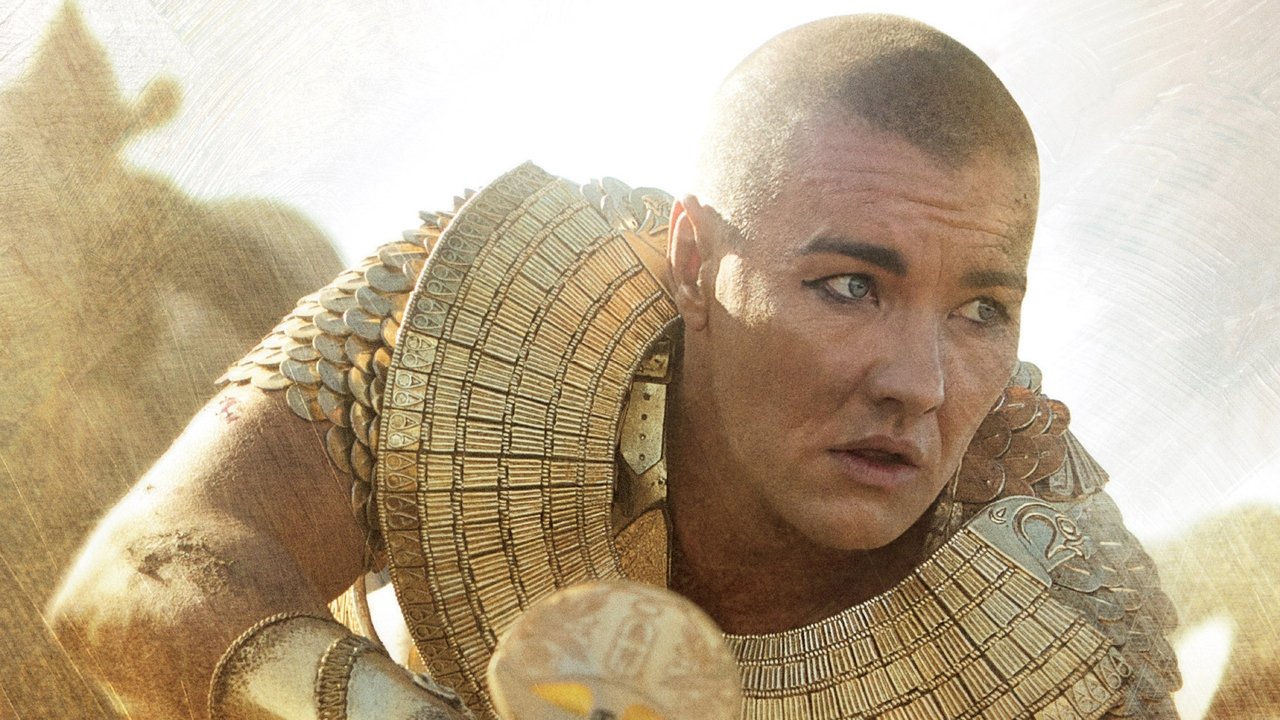
Christian Bale plays Moses not as a bearded prophet, but as a traumatized general. He’s all grit and scowls, looking like he’s ready to drop into a bat-cavern at any moment. Opposite him, Joel Edgerton (who was brilliant in Warrior) is saddled with a gold-leafed wardrobe and some of the most unfortunate eyeliner in cinematic history. The whole thing feels like a very expensive HR dispute between two men in skirts.
The casting was the film’s biggest lightning rod. In an era where audiences were starting to demand more authentic representation, casting a bunch of white Australians, Brits, and Americans as Egyptians and Israelites felt like a relic of the 1990s. Even Ben Kingsley, playing the elder Nun, feels like he’s just there to lend a "prestige" voice to a movie that’s mostly about waves crashing into things. Aaron Paul, fresh off his Breaking Bad high, is relegated to standing in the background as Joshua, looking like he’s waiting for someone to tell him what his character actually does.
The Cult of the Big-Budget Misstep
Why do we still talk about Exodus? Because it represents the end of an era. This was one of the last "Middle-East-as-Action-Movie" epics before the industry pivoted almost entirely to the MCU formula of quippy heroes and purple space tyrants. It’s a film that utilized the peak of CGI crowd technology—turning 1,500 extras into 400,000 with the help of the same tech used in The Lord of the Rings—to tell a story that felt strangely hollow.
Interestingly, the film was banned in Egypt and Morocco for "historical inaccuracies," which is a badge of honor for any big-budget flop. But for the home viewer, the joy is in the production design. The sets are gargantuan. To simulate the Egyptian sun, the crew used massive 4,000-watt lighting rigs that could probably be seen from the moon. You can see every penny of that $140 million on screen, even if you can’t see the soul of the story.
If you’re a fan of Ridley Scott’s visual eye, there’s enough here to keep you hooked for the 150-minute runtime. The parting of the Red Sea isn't a magical wall of water this time; it’s a receding tide followed by a massive, terrifying tsunami. It’s scary, it’s loud, and it’s technically flawless. It’s just a shame that the movie leading up to it feels like it’s stuck in the mud.
Exodus: Gods and Kings is a magnificent failure that is well worth a look for the sheer audacity of its scale. It’s a film caught between two worlds: the old-fashioned Hollywood epic and the modern, cynical blockbuster. While it doesn't have the heart of The Ten Commandments, it has enough plague-based body horror and chariot-flipping action to satisfy any Ridley Scott completist. Just don't expect a religious experience—expect a very loud history lesson from a teacher who skipped the poetry section.
Keep Exploring...
-
Body of Lies
2008
-

1492: Conquest of Paradise
1992
-
Robin Hood
2010
-

Green Zone
2010
-
Jack the Giant Slayer
2013
-
Pompeii
2014
-

Gladiator II
2024
-
King Arthur
2004
-
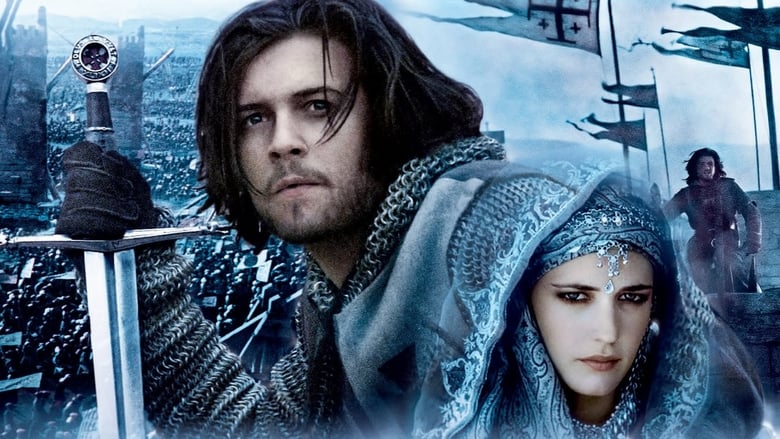
Kingdom of Heaven
2005
-
DragonHeart
1996
-
Dante's Peak
1997
-

G.I. Jane
1997
-

The Perfect Storm
2000
-
The Scorpion King
2002
-

Alexander
2004
-

Poseidon
2006
-

10,000 BC
2008
-
Reign of Fire
2002
-
Centurion
2010
-
Prince of Persia: The Sands of Time
2010