Feast
"A life told in leftovers."
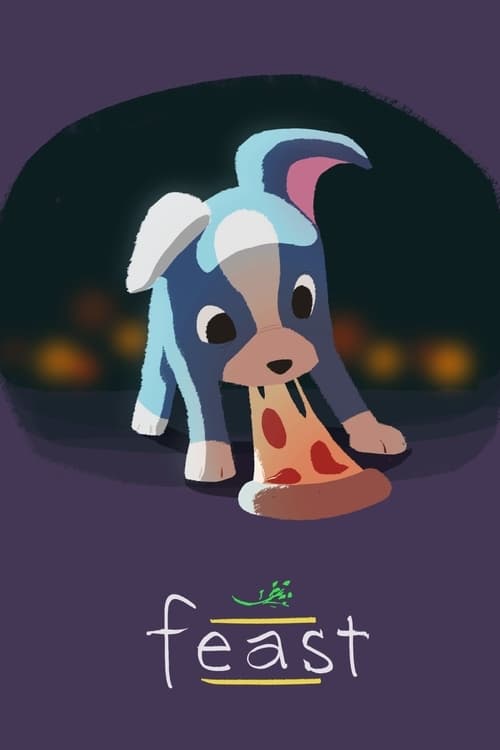
The sound of a ceramic bowl sliding across a hardwood floor is a universal signal for "pay attention." In the opening seconds of Disney’s 2014 short Feast, that sound isn't just an invitation to dinner; it’s the heartbeat of a narrative that manages to cram more emotional resonance into six minutes than most feature-length dramas manage in two hours. I remember watching this for the first time on my laptop while wearing only one wool sock—I’d lost the other under the bed and given up—and that specific brand of "messy bachelorhood" perfectly mirrored the early scenes of this film. It’s a movie that understands the cluttered, greasy, hopeful reality of being a human (and a dog) in the modern world.
The Culinary Calendar of the Heart
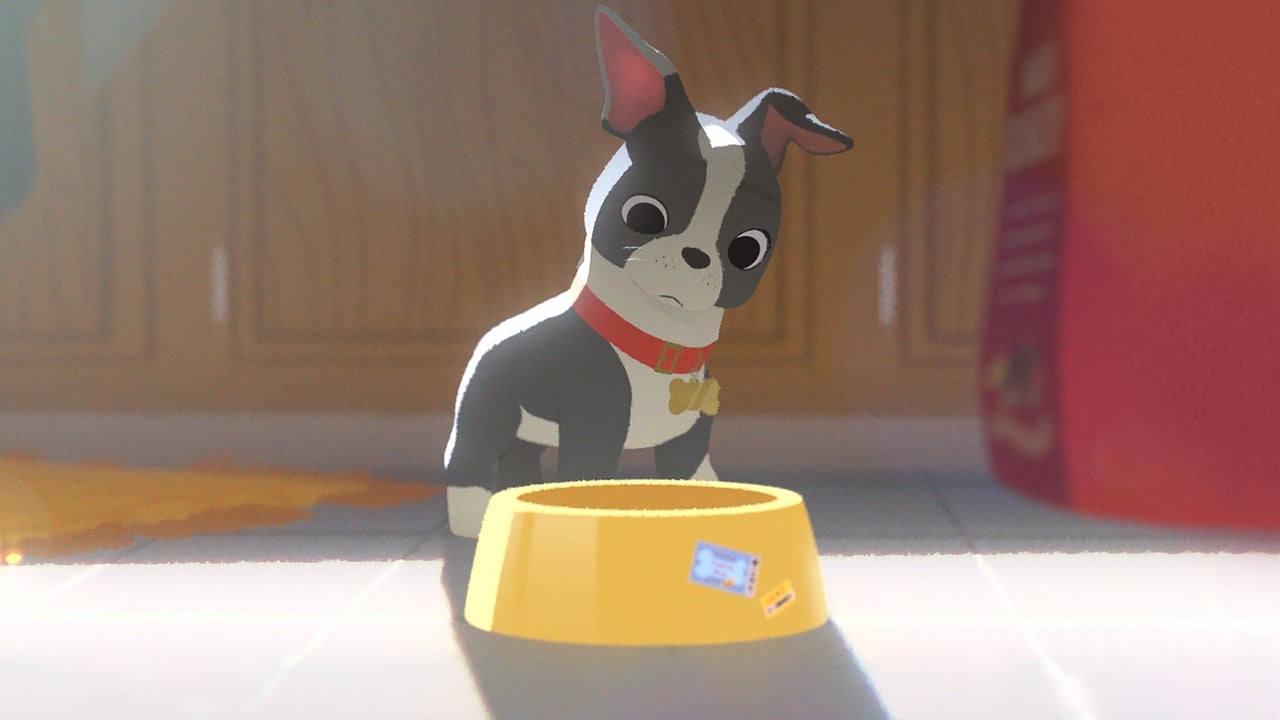
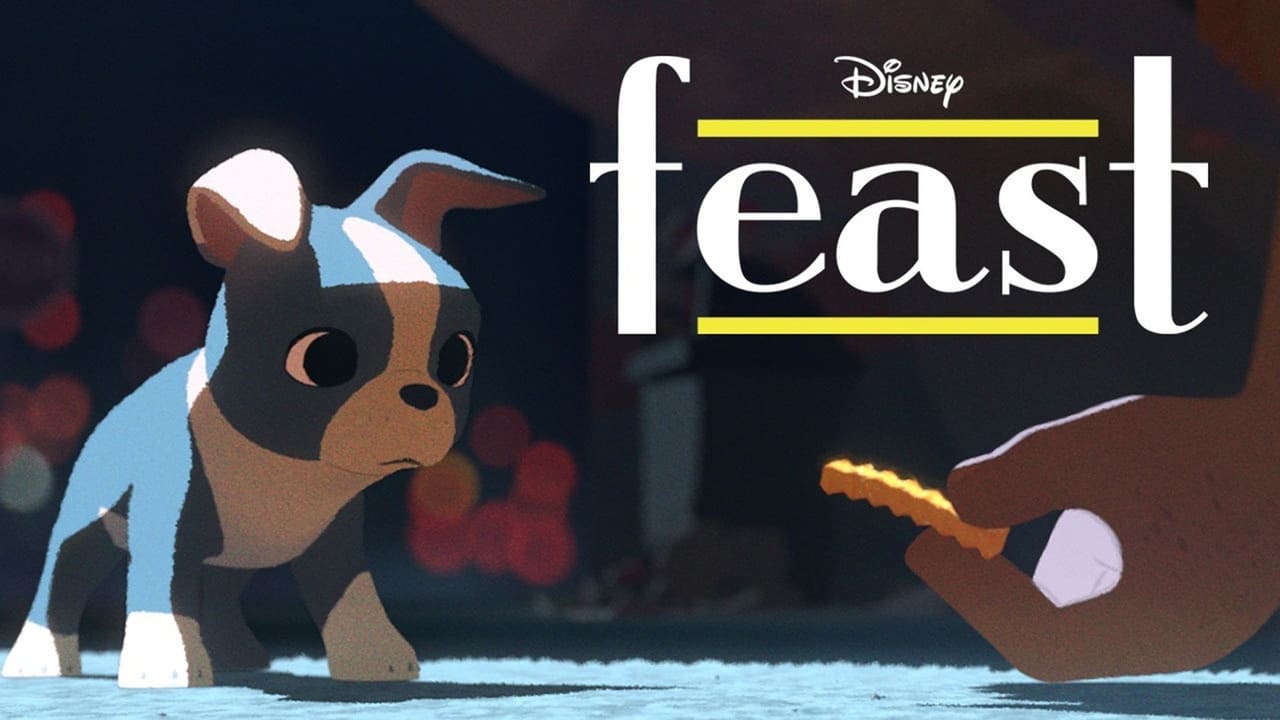
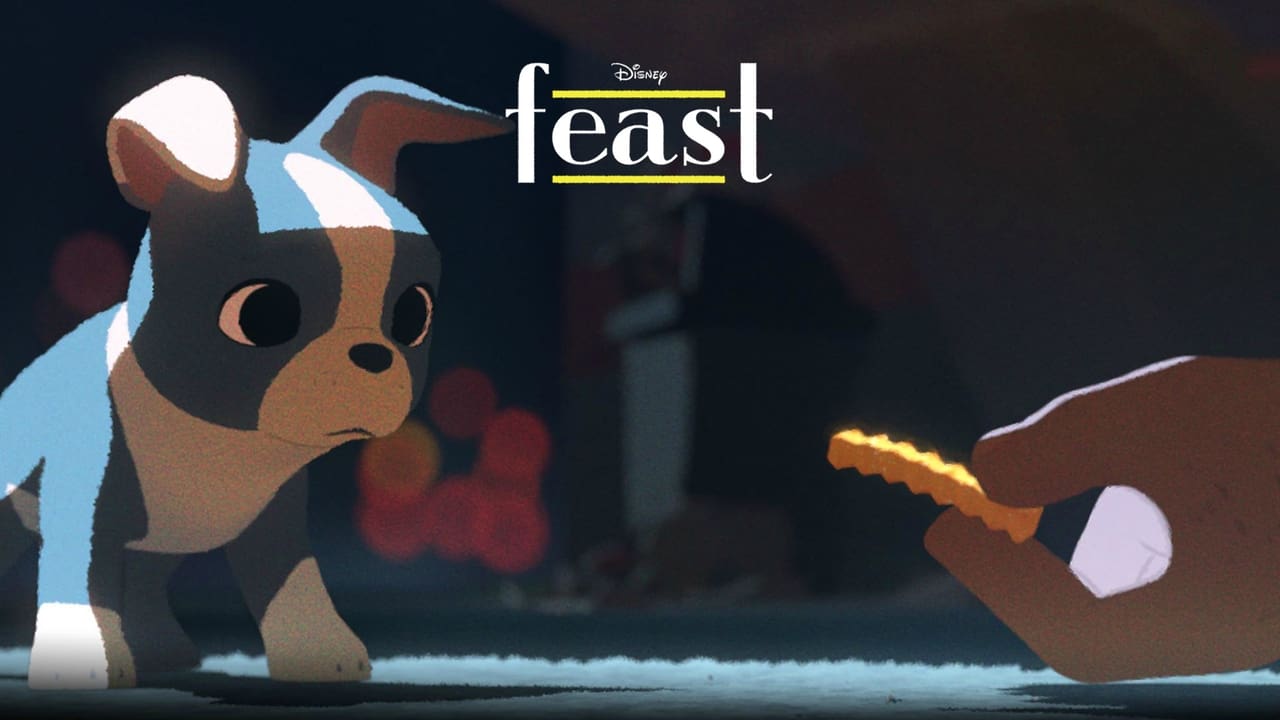
At its core, Feast is a drama about the evolution of a relationship, but it’s told through a strictly canine lens. We follow Winston, a Boston Terrier with a bottomless pit for a stomach, as he is adopted by a young man named James. The brilliance of Patrick Osborne’s direction lies in the restriction: we almost never see the humans’ faces in full. The camera stays low, anchored to Winston’s eye level, making the world a series of shins, dropped fries, and shifting shadows.
The storytelling is purely caloric. We see James’s life transition from a lonely bachelor existence—symbolized by pepperoni slices and nachos—to a blossoming romance marked by the arrival of a woman who introduces "the green stuff." I’ve always felt that the Brussels sprout is the universal cinematic shorthand for ‘I’m being forced to grow up’ and I won’t hear otherwise. As James falls in love, Winston’s diet suffers. The pizza crusts vanish, replaced by sprigs of parsley and pieces of kale. It’s a hilarious, light-hearted take on how our partners change us, but beneath the comedy, there’s a genuine dramatic weight. When the relationship hits the rocks and the junk food returns, the sight of a sad man eating a burger over a dog bowl feels devastatingly authentic. It’s a breakup told in trans-fats.
The "Meander" Magic: CGI with a Soul
Looking back at the 2010s, this was a pivotal moment for Walt Disney Animation Studios. They were finally breaking out of the "plastic" look of early 3D animation and experimenting with something more painterly. Feast utilized a software called Meander—the same tech used for the 2012 short Paperman—which allowed artists to draw hand-drawn lines over 3D models.
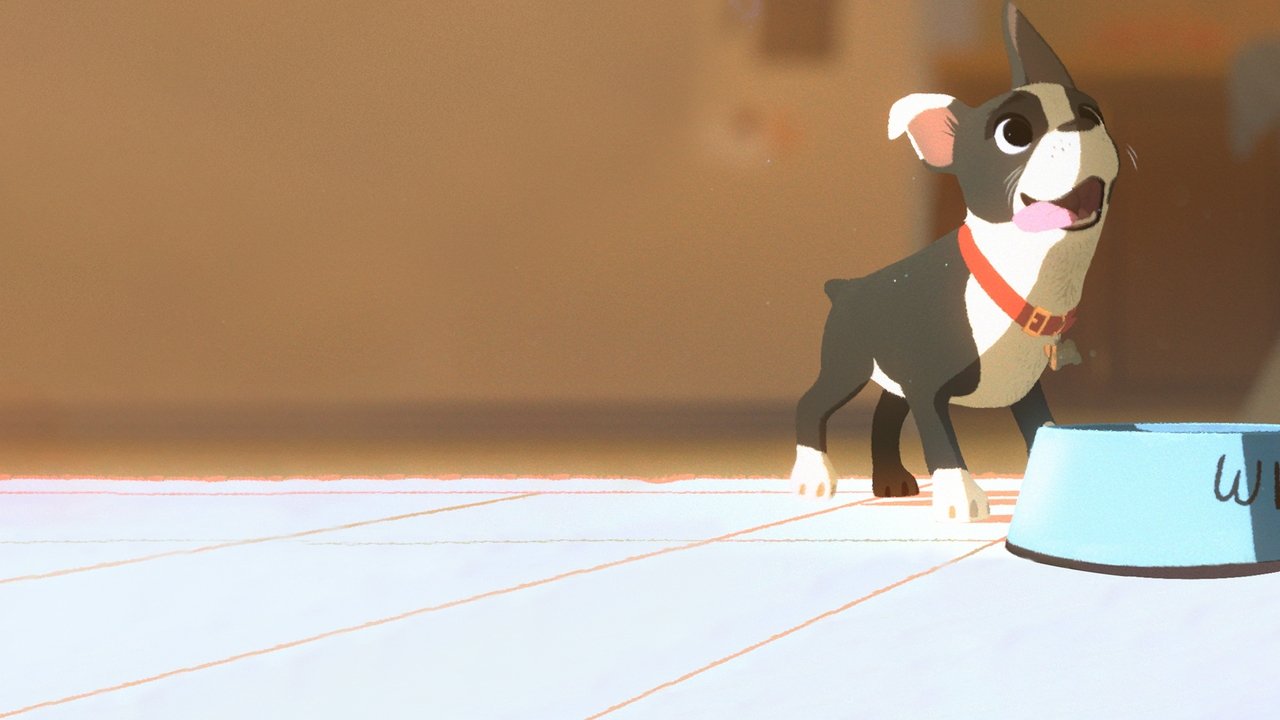
The result is a visual style that feels tactile and warm. In an era where every blockbuster was chasing hyper-realism, Patrick Osborne and producer Kristina Reed went the other way. They leaned into flat colors and sharp silhouettes. The lighting, handled with a deceptive simplicity, makes a piece of dropped popcorn look like a holy relic. It’s a testament to the fact that CGI doesn’t have to be cold. Even though Winston is a collection of digital polygons, his performance is incredibly nuanced. The way his ears flatten when he realizes the "healthy" era has begun, or the frantic, clicking sound of his claws on the floor during the film's climax, conveys a desperate, selfish, but ultimately pure love. Winston is a more relatable romantic lead than 90% of the guys in actual rom-coms because his loyalty is directly tied to the quality of the appetizers.
A Dog-Eye View of the Quarter-Life Crisis
While Feast is categorized as a family comedy, the dramatic subtext is what makes it stick to your ribs. It captures that specific 1990-2014 transition of the "extended adolescence." James is a guy living a digital-era life, likely working a creative job, navigating the shift from "me" to "us." The film subtly addresses how our pets aren't just witnesses to our lives; they are the anchors that keep us grounded when our personal worlds fall apart.
The score by Alex Ebert (of Edward Sharpe and the Magnetic Zeros fame) is the secret sauce here. It’s bouncy and rhythmic when Winston is gorging on bacon, but it turns surprisingly tender as the stakes shift from "where is my next meal?" to "how do I save my human’s happiness?" It avoids the manipulative sap of many dog movies—there’s no Marley & Me tragedy here—but it earns its tears by showing Winston making a genuine sacrifice. When he finally chooses a sprig of parsley over a plate of fries to lead James back to his lost love, it’s a moment of character growth that rivals any prestige drama.
Stuff You Didn't Notice
One of the coolest details about Feast is its origin story. It was the first project to come out of Disney’s "Spark" program, an internal initiative that allows employees to pitch and direct their own short films, regardless of their usual job title. Patrick Osborne was an animator on Wreck-It Ralph and Frozen before he got the green light to direct this. He was inspired by the "One Second Everyday" app trend, where people would record a tiny snippet of their life daily. You can really feel that "snapshot" energy in the editing; the film moves with a frantic, hungry pace that perfectly matches a dog's attention span.
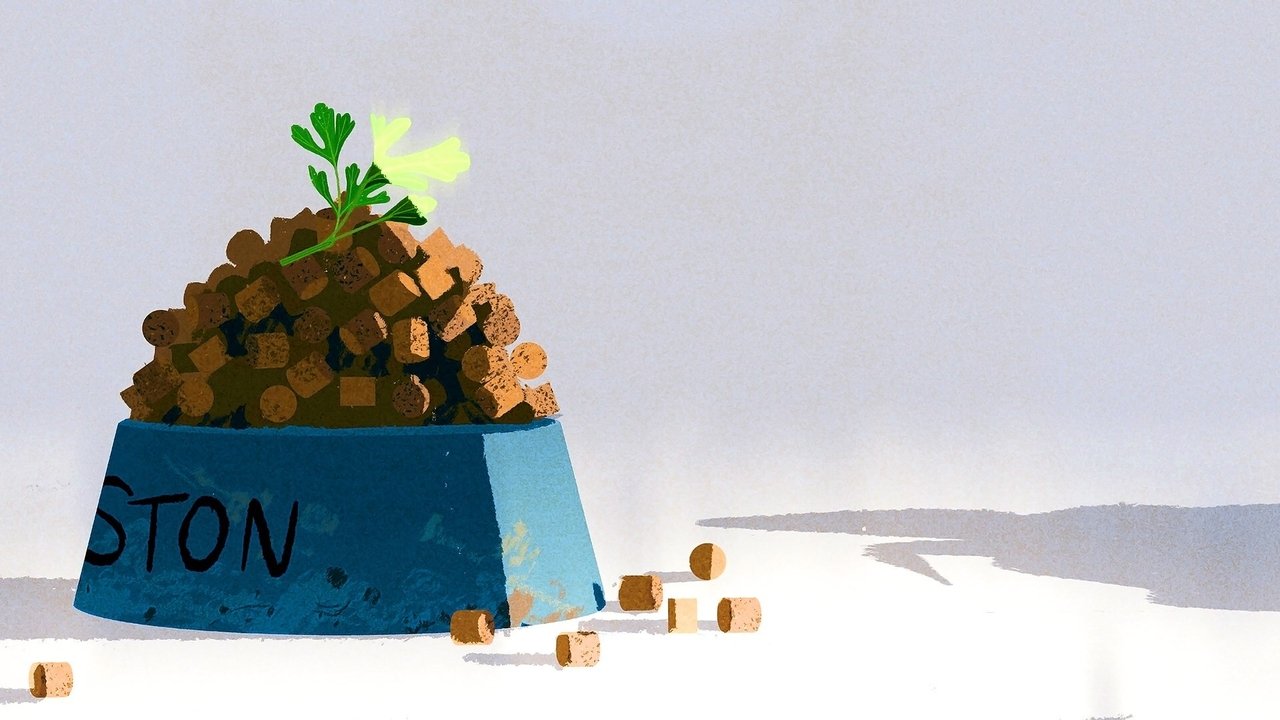
Also, if you look closely at the background during the montage of meals, the clutter in the apartment changes to reflect the passing of years and the changing tastes of the era. It’s a masterclass in environmental storytelling that most people miss because they’re too busy looking at the Boston Terrier's bulging eyes.
In just six minutes, Feast manages to be a romance, a comedy, and a deeply moving drama about the passage of time. It avoids the pitfalls of the era's more "perfect" CGI by embracing a look that feels like a living illustration. It’s a reminder that sometimes the most profound stories aren’t found in grand speeches or epic battles, but in the quiet, messy moments shared over a dinner plate. Whether you’re a dog lover or just someone who’s ever had their heart broken over a cold slice of pizza, this film hits home.
The ending is a perfect "final act" that brings the cycle of life into full view, suggesting that the cycle of meals (and love) is never-ending. It’s a bit of a hidden gem for those who don’t usually seek out short films, but it’s absolutely essential viewing for anyone who appreciates visual storytelling at its most efficient. Just make sure you have some snacks nearby—watching Winston eat for six minutes is guaranteed to make you reach for the fridge.
Keep Exploring...
-
The Triplets of Belleville
2003
-
Partly Cloudy
2009
-
Day & Night
2010
-
Winnie the Pooh
2011
-

Tangled Ever After
2012
-
Toy Story of Terror!
2013
-
Toy Story That Time Forgot
2014
-
A Monster in Paris
2011
-

The Muppet Christmas Carol
1992
-
A Goofy Movie
1995
-
Geri's Game
1997
-

For the Birds
2000
-

Holes
2003
-
Presto
2008
-

Arthur Christmas
2011
-
A Close Shave
1996
-

Tokyo Godfathers
2003
-

Barbie as The Princess & the Pauper
2004
-
Fantastic Mr. Fox
2009
-

Up
2009