Foxcatcher
"Wealth doesn't build champions. It buys them."
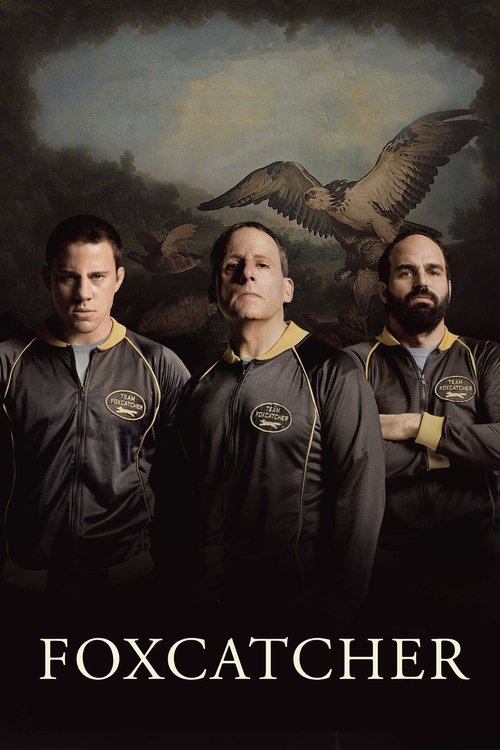
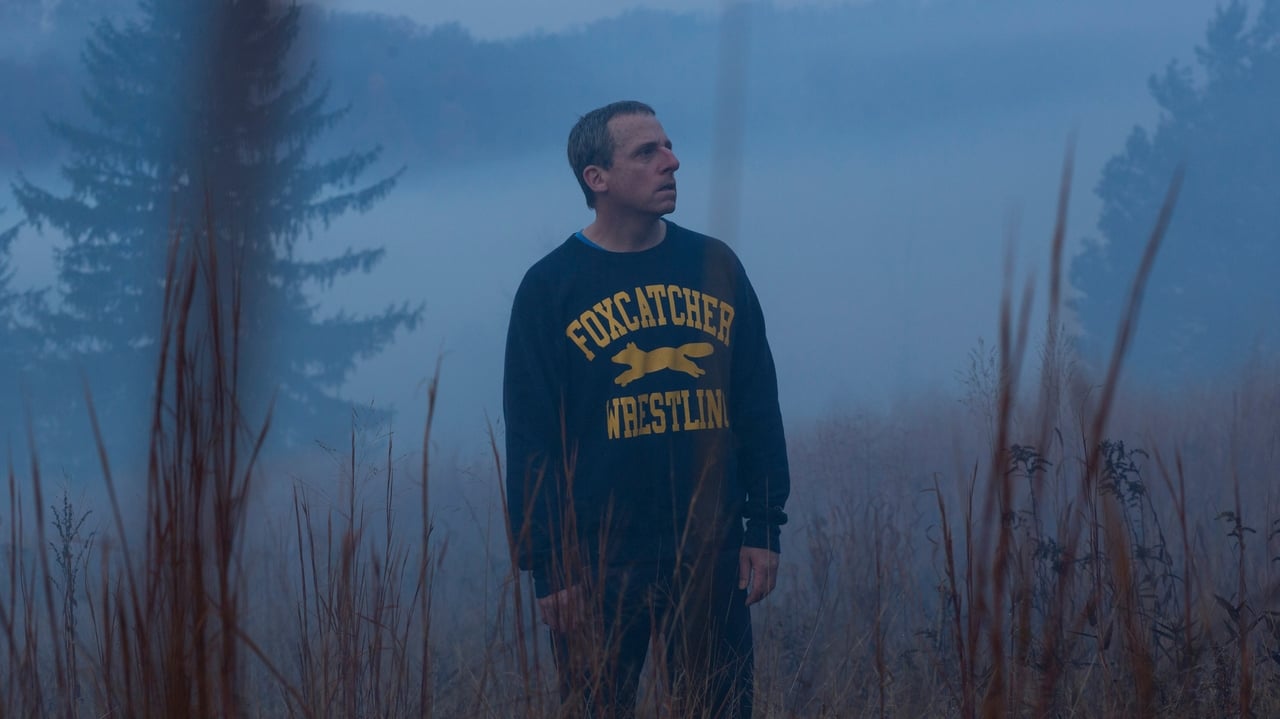
The first time I saw the trailer for Foxcatcher, I genuinely didn't realize I was looking at the guy who played Michael Scott. It wasn't just the prosthetic nose that looked like a vulture’s beak or the deathly pallor of his skin; it was the way Steve Carell moved. He had this stiff, reptilian gait, like a man who had never been hugged and wasn't entirely sure how human limbs were supposed to function. It remains one of the most jarring "against type" casting swings of the 2010s, and looking back ten years later, it’s still the most unsettling thing I’ve ever seen a comedic actor do.
I originally watched this in a tiny theater in the suburbs where the air conditioning was stuck on high. I spent the whole two hours shivering in a hoodie, which, in retrospect, was the perfect way to experience Bennett Miller’s frigid, clinical masterpiece. The film doesn't just tell a story; it lowers your internal body temperature.
The Uncanny Valley of Team Foxcatcher
At its core, Foxcatcher is a psychological thriller masquerading as a sports biopic. It follows Mark Schultz (Channing Tatum), an Olympic gold medalist living on 99-cent ramen and loneliness, who is "rescued" by multimillionaire John du Pont (Steve Carell). Du Pont wants to fund a world-class wrestling facility on his sprawling estate to prepare for the 1988 Seoul Olympics. But Du Pont isn't just a benefactor; he’s a black hole of insecurity, desperate for the respect of his icy mother (Vanessa Redgrave) and a sense of "greatness" he can’t actually earn.
The brilliance of the film lies in the silence. This was the era where Miller (fresh off Moneyball and Capote) was perfecting the art of the "quiet movie." There is very little music, and when Rob Simonsen’s score does creep in, it sounds like a funeral dirge played on a piano with half the keys missing. Steve Carell gives a performance that is almost physically painful to watch. He speaks in these long, labored pauses, as if he’s waiting for the ghost of a Founding Father to tell him what to say next. John du Pont looks like a bird that’s forgotten how to fly, and Carell captures that pathetic, dangerous energy with terrifying precision.
Physicality as Dialogue
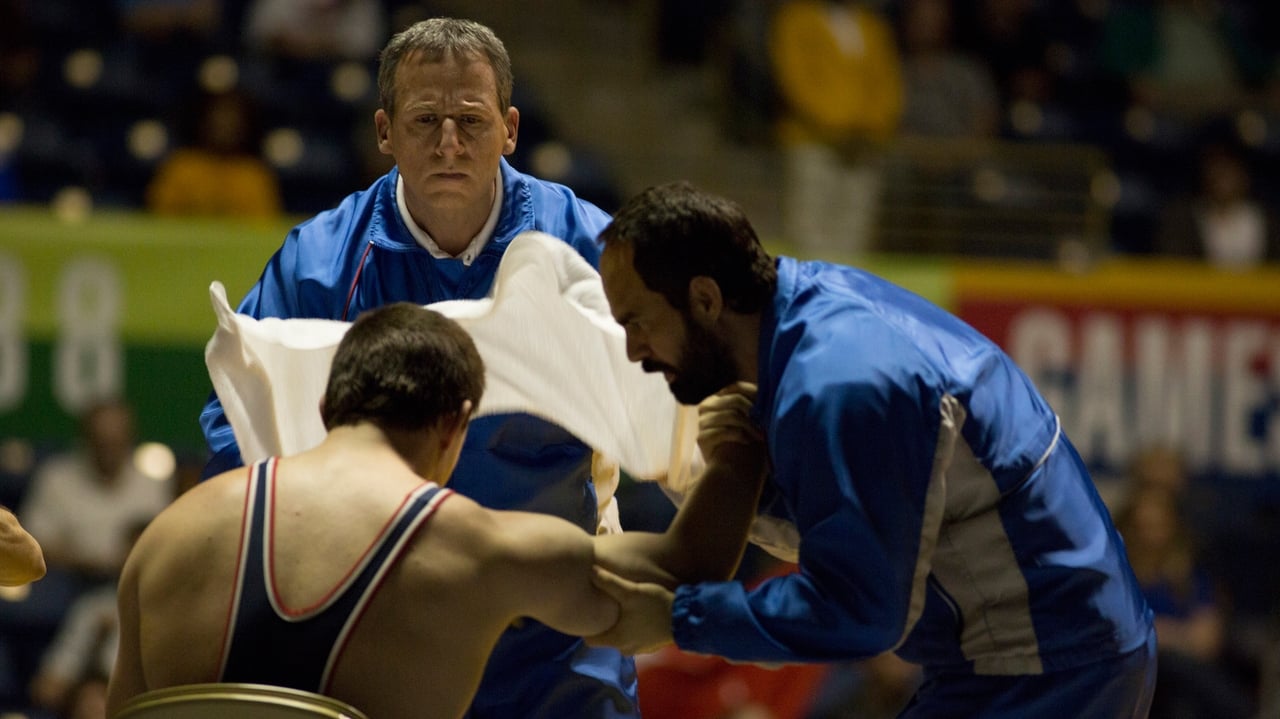
If Carell is the cold heart of the film, Channing Tatum and Mark Ruffalo are its bruised, aching muscles. This was the movie that finally made people stop pigeonholing Tatum as just a "dance guy" or an action lead. His Mark Schultz is a creature of pure, repressed rage. He walks with his chin tucked and his shoulders hunched, looking like he’s perpetually trying to headbutt the world. The wrestling scenes are basically high-stakes cuddling with a high probability of a broken nose, and Tatum treats them with a grim, athletic reality that feels a world away from the glossy sports movies of the 90s.
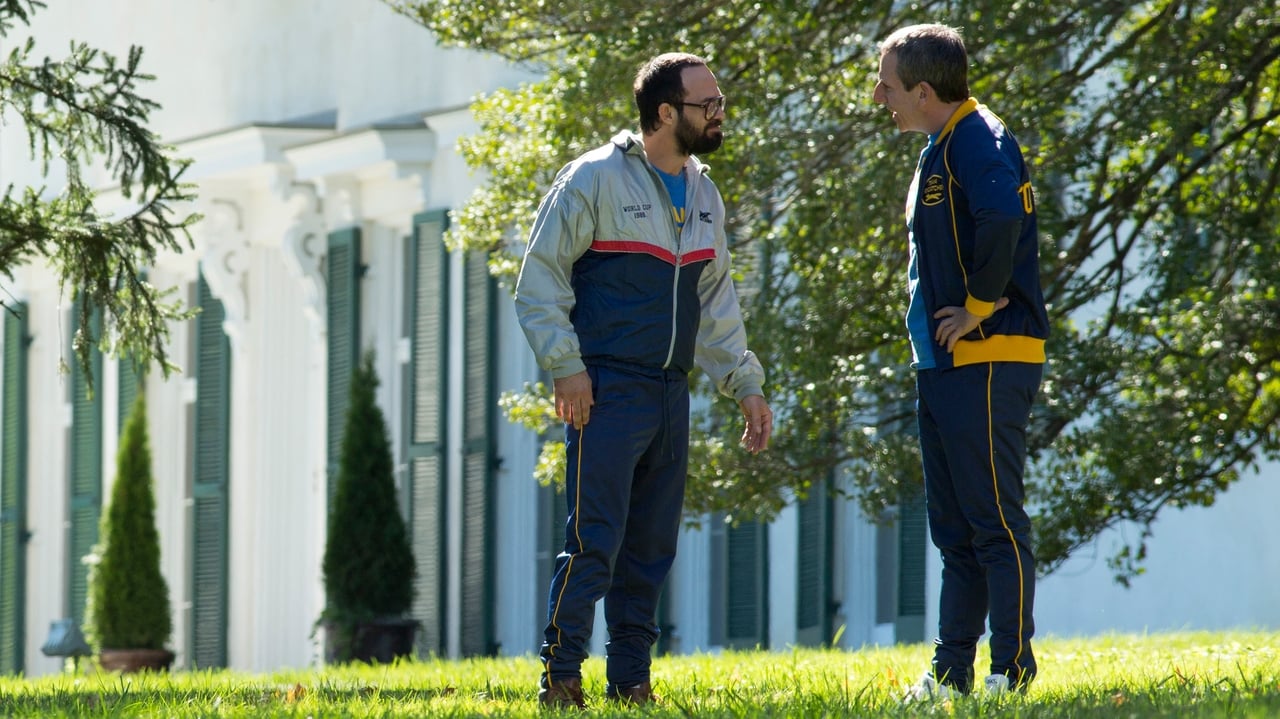
Then there’s Mark Ruffalo as Dave Schultz. Ruffalo is the only source of warmth in the entire 134-minute runtime. He plays Dave with a relaxed, lived-in paternalism that makes the eventual tragedy feel like a personal loss for the viewer. There’s a scene where Dave has to film a testimonial for a documentary about Du Pont, and the way Ruffalo’s face twitches as he tries to force out the word "mentor" is a masterclass in subtle acting. He manages to be the film's moral compass without ever delivering a "big" speech.
A Relic of the High-Prestige Drama
Looking back from the 2020s, Foxcatcher feels like one of the last of its kind—a mid-budget, R-rated adult drama that a major studio (Sony Pictures Classics/Annapurna) actually put muscle behind. It reflects that early-2010s obsession with the "dark side" of the American Dream, stripping away the glamour of the Olympic spirit to show the transactional, often parasitic relationship between the ultra-wealthy and the talented poor.
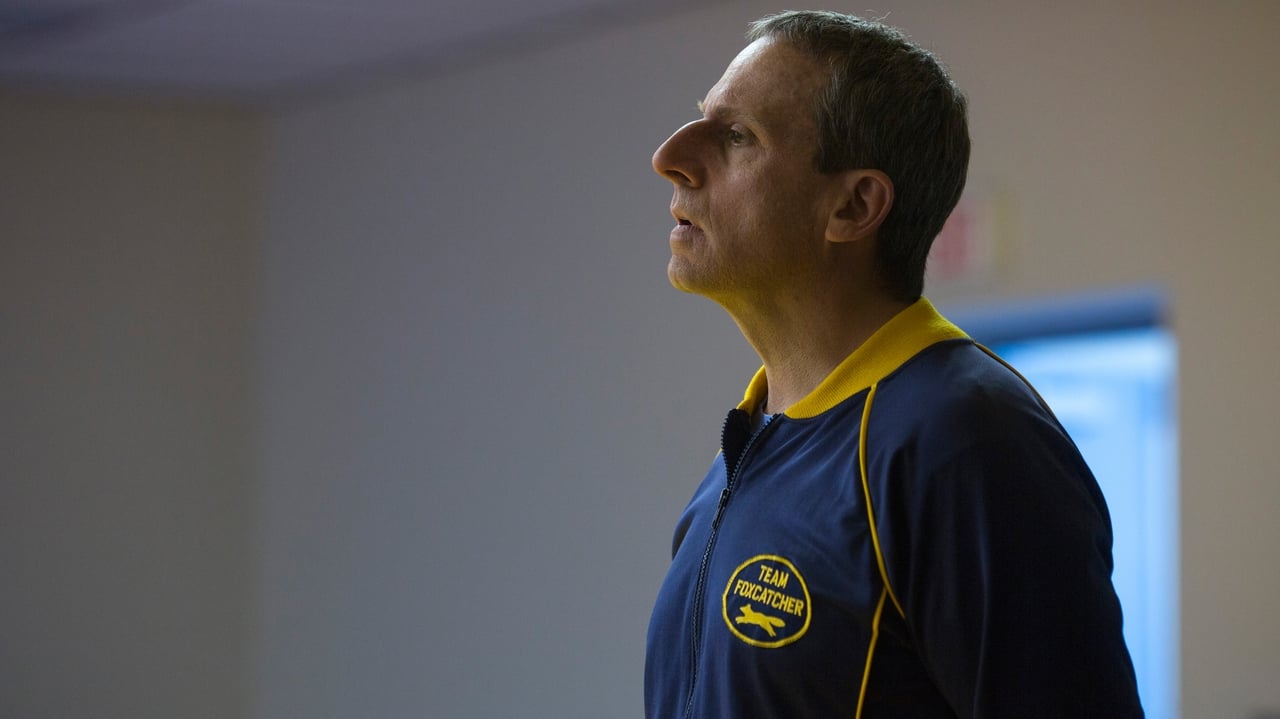
The production details are obsessively authentic. Apparently, Steve Carell stayed away from Channing Tatum and Mark Ruffalo on set to maintain that awkward, outsider tension. Even weirder? The real Mark Schultz actually has a cameo in the film (he’s the official who weighs in the wrestlers), despite having a notoriously volatile relationship with how the film portrayed his life. It’s that kind of messy, real-world friction that bleeds through the screen. Greig Fraser’s cinematography captures the Pennsylvania winter with such a bleak, grey palette that you can almost smell the damp leaves and the stale air of the wrestling room.
Foxcatcher isn't a "fun" watch, but it’s a necessary one for anyone who appreciates the craft of acting. It’s a film about the danger of wanting to be seen as a leader when you have no one to lead, and the tragedy of people who are willing to sell their souls for a bit of stability. It’s cold, it’s slow, and it’s deeply uncomfortable, but like a well-executed takedown, it stays with you long after you’ve left the mat. If you missed it during the 2014 awards season, grab a blanket (and maybe turn off your AC) and settle in for a haunting piece of modern cinema.

Keep Exploring...
-
Moneyball
2011
-
Side Effects
2013
-
Capote
2005
-

Brothers
2009
-
127 Hours
2010
-
Faster
2010
-
The Next Three Days
2010
-
Colombiana
2011
-
Drive
2011
-
The Lincoln Lawyer
2011
-
The Rite
2011
-
Contraband
2012
-
End of Watch
2012
-
Savages
2012
-
The Grey
2012
-
Out of the Furnace
2013
-
Snitch
2013
-
Stoker
2013
-

3 Days to Kill
2014
-
A Walk Among the Tombstones
2014