Frank
"The most human face in cinema is made of fiberglass."
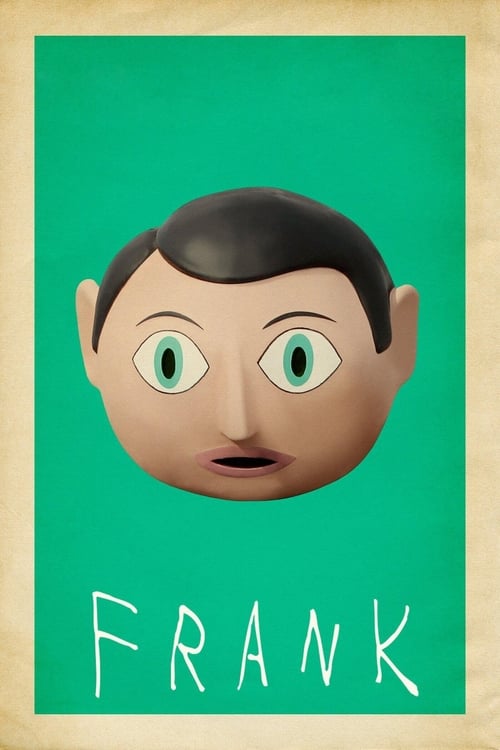
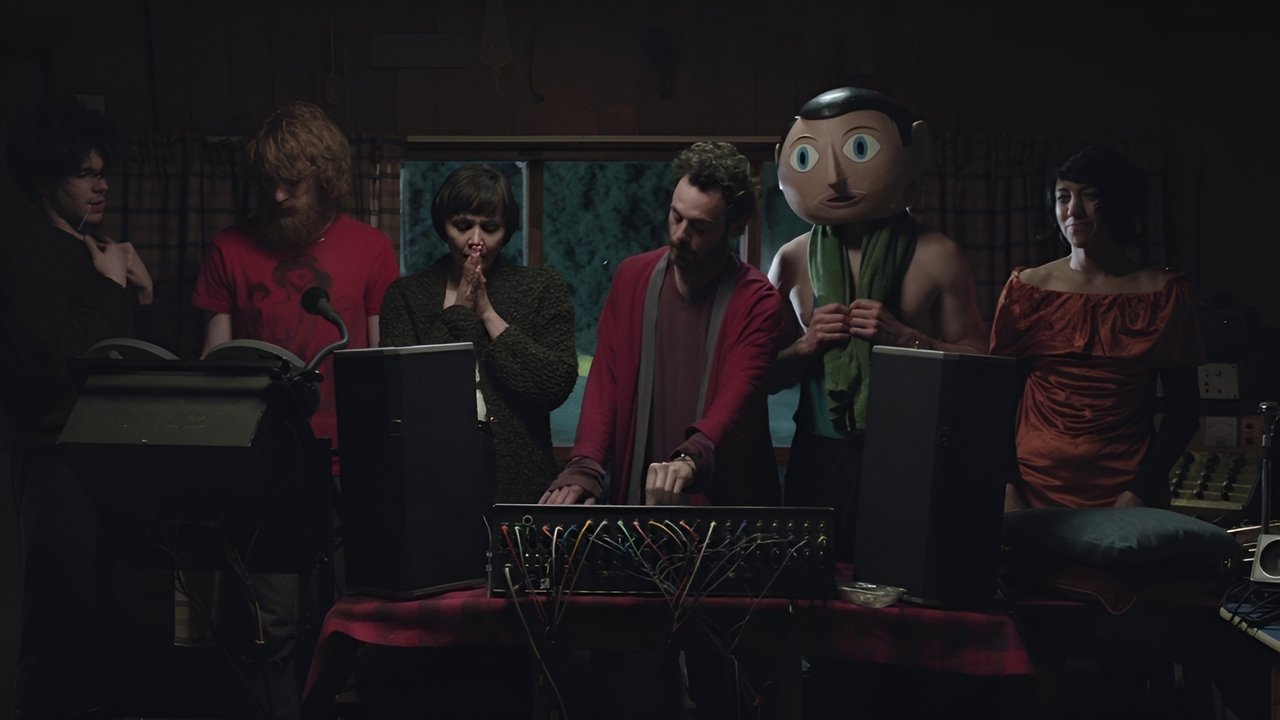
Most movies are built on the bankability of a leading man’s face. Studios pay tens of millions of dollars for a specific set of eyes, a certain jawline, and the way a brow furrows in a moment of crisis. So, when director Lenny Abrahamson decided to take Michael Fassbender—at that point, one of the most recognizable and handsome actors on the planet following Prometheus and X-Men: First Class—and shove his head into a giant, unblinking papier-mâché dome for 95% of a movie, it felt like a magnificent act of cinematic sabotage.
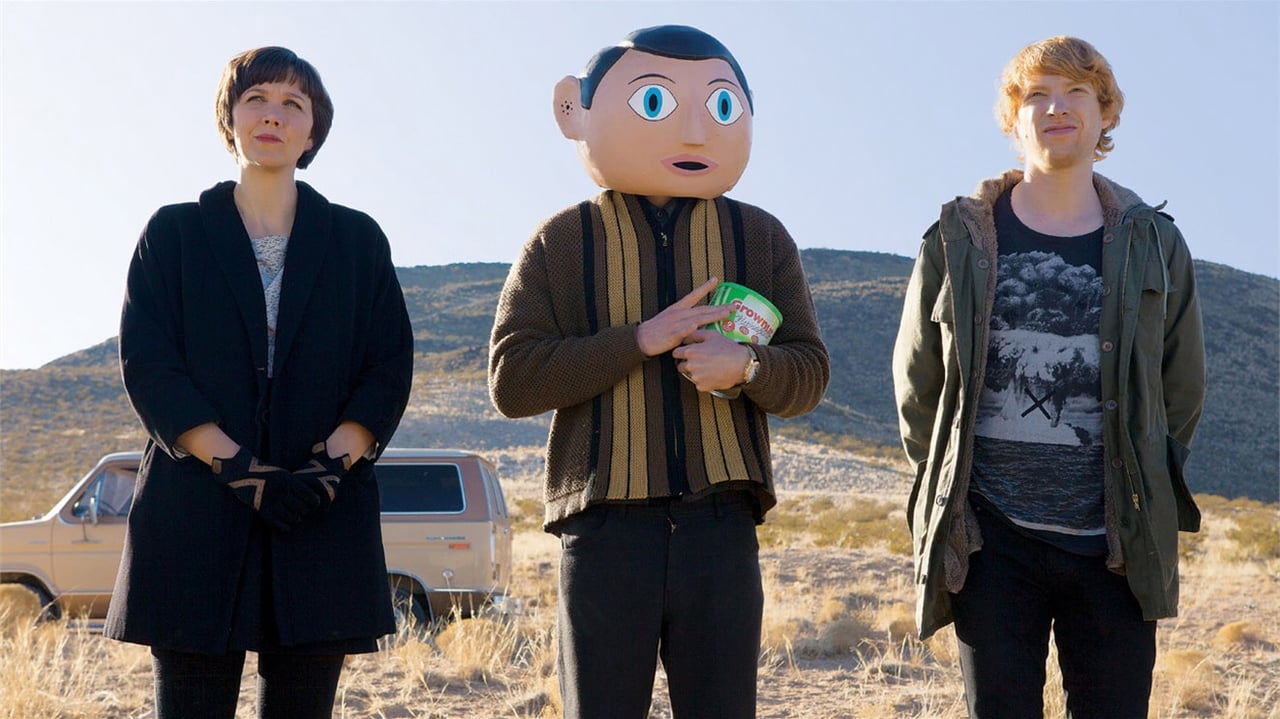
I remember watching this for the first time while hunched over a bowl of dangerously stale pretzels I found in the back of my pantry, and by the forty-minute mark, I’d completely forgotten there was a movie star inside that mask. That’s the magic trick of Frank. It’s a film about the cult of personality that succeeds by literally erasing the person at the center of it.
The Myth of the Tortured Genius
Our way into this weird world is Jon, played with a perfect "clueless-but-eager" energy by Domhnall Gleeson (who was just beginning his transition from "that guy in Harry Potter" to a genuine indie powerhouse). Jon is a mediocre songwriter in a seaside town who stumbles into a gig with an unpronounceable band called The Soronprfbs. They are led by Frank, a man who never takes off his giant head. Not to eat, not to sleep, not to shower.
At first, Jon—and by extension, the audience—views Frank as this mythical, enlightened creature. We’ve been conditioned by decades of indie cinema to believe that "weird" equals "genius." We want Frank to be a wizard who has unlocked a secret frequency of the universe. But as the band retreats to a cabin in the woods to record an album (a process that takes a year and involves tracking the sounds of lightbulbs), the comedy curdles into something much more profound. Most "quirky" indies are just annoying hipsters trying to sell you a record player, but Frank is actually about the tragedy of being mediocre. Jon wants Frank’s "madness" because he thinks it’s the source of Frank’s talent. He doesn’t realize that Frank is talented despite his struggles, not because of them.
Acting Without an Edge
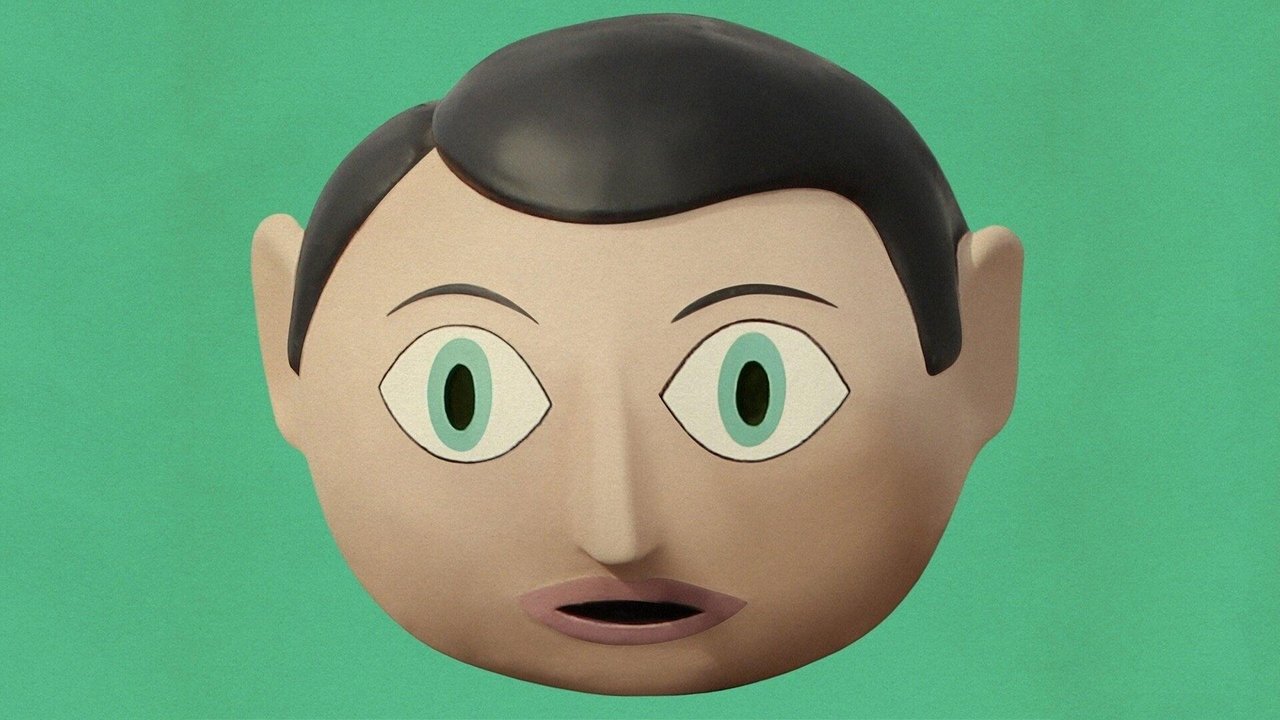
The performance by Michael Fassbender is a miracle of body language. Since we can’t see his face, he has to communicate everything through a tilt of the oversized head or a specific slump of the shoulders. He even narrates his facial expressions ("Welcoming smile," "Chastened expression"), which is a hilarious gag that slowly becomes heartbreaking. He’s supported by a terrifyingly sharp Maggie Gyllenhaal as Clara, the band’s protective, theremin-playing attack dog. Gyllenhaal is the secret weapon here; she sees through Jon’s tourist-like fascination with their lifestyle and treats him with the utter contempt he probably deserves.
The music, composed by Stephen Rennicks, is legitimately fantastic in its discordance. This wasn't a "fake" movie band; the actors actually learned the instruments and played live during filming. There’s a raw, tactile energy to their sessions that feels miles away from the polished, studio-sheen dramas we usually get. When they finally perform "I Love You All" at the end of the film, it isn't just a song—it’s a confession.
A Masterclass in Indie Resourcefulness
Looking back from our current era of $200 million blockbusters that look like they were rendered on a Nintendo 64, the $1 million budget of Frank is a badge of honor. This is the "Sundance Generation" philosophy at its peak: take a wild premise, a few great actors, and a singular vision, and just go for it. The film was co-written by Jon Ronson, the journalist who actually played keyboard for the real-life Frank Sidebottom (the British cult comedian who inspired the mask). That grounding in reality—the knowledge of what it’s like to be in a failing band with a charismatic enigma—keeps the movie from drifting into "too-weird-to-function" territory.

The cinematography by James Mather captures the transition from the damp, grey Irish coast to the blinding, dusty heat of SXSW in Austin with a handheld intimacy that makes you feel like a roadie. It’s a film that understands the digital shift of 2014; Jon’s constant tweeting and obsession with "views" is the villain of the story. He tries to turn Frank’s private, fragile art into a public commodity, and the result is disastrous. It’s a cautionary tale about the early days of social media fame that has only aged better as the years have passed.
Frank is a rare bird: a comedy that isn't afraid to be deeply uncomfortable and a drama that isn't afraid to be absurd. It deconstructs the "Man Behind the Mask" trope and finds something much more interesting than a monster or a hero—it finds a human being who is just trying to get through the day. By the time the credits roll, you'll realize that the giant, unblinking eyes of the mask were actually more expressive than half the actors working today. It’s weird, it’s loud, and it’s beautiful. Go watch it, but maybe skip the stale pretzels.
Keep Exploring...
-
Rubber
2010
-
In the House
2012
-
Inherent Vice
2014
-

Fanboys
2009
-
The Girl Who Played with Fire
2009
-
Buried
2010
-
Four Lions
2010
-
Super
2010
-
The Kids Are All Right
2010
-

Winter's Bone
2010
-
Beginners
2011
-
Robot & Frank
2012
-
The First Time
2012
-
Don Jon
2013
-
Nymphomaniac: Vol. II
2013
-

The Kings of Summer
2013
-
The Spectacular Now
2013
-
The Way Way Back
2013
-
Donnie Darko
2001
-
Secretary
2002