Fury
"Hell is a five-man crew."
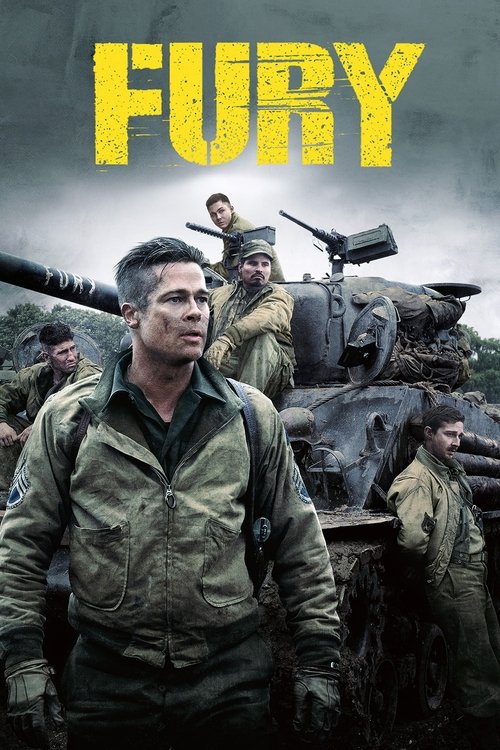
The mud of Nazi Germany in April 1945 wasn’t just wet dirt; it was a hungry, black slurry of diesel oil and human history. By the time David Ayer released Fury in 2014, we had seen decades of World War II cinema that mostly traded in the "Greatest Generation" mythos—the idea that every Allied soldier was a square-jawed saint fighting for the soul of the world. But Fury arrived with a different agenda. It wanted to show us the grease under the fingernails and the rot in the soul that comes from spending years inside a steel box designed for killing.
I re-watched this recently while sitting in a folding chair that squeaked every time I breathed, which oddly mirrored the constant, rhythmic groaning of the tank’s suspension. It made the experience feel uncomfortably tactile. That’s the magic of this film; it’s a sensory assault that makes you want to take a hot shower the second the credits roll.
The Machinery of Murder
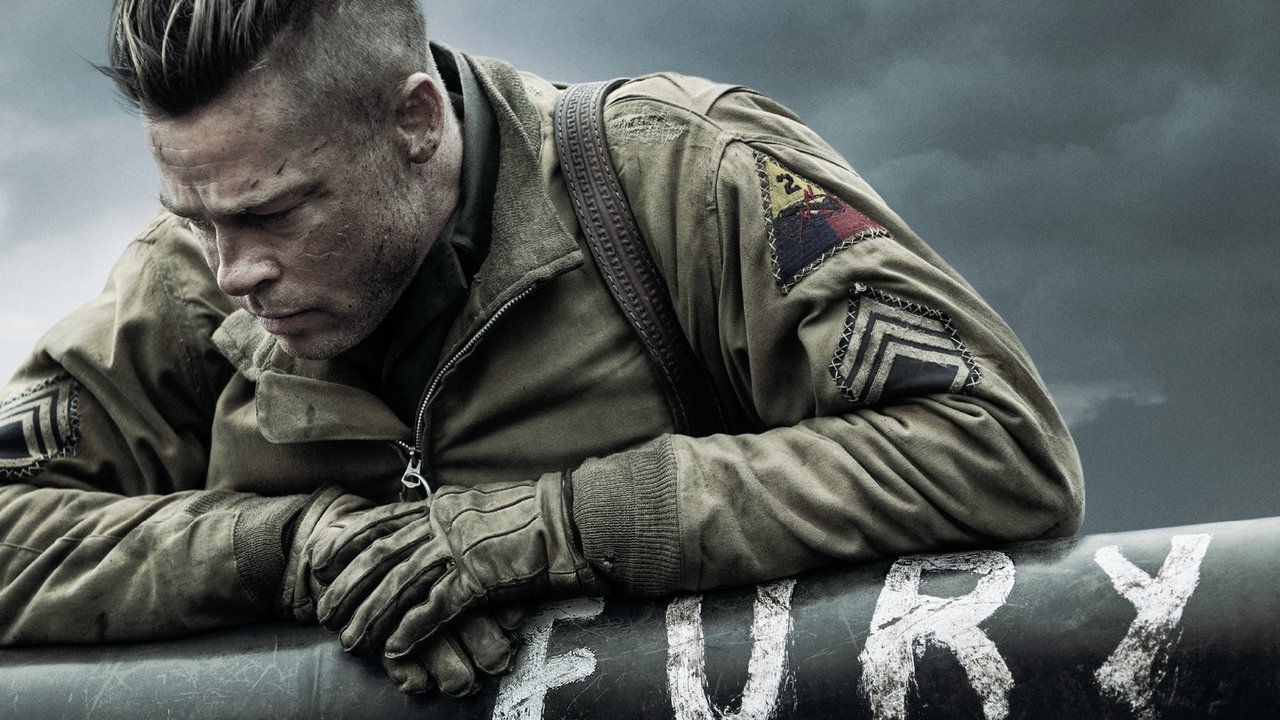
Technically, Fury is a marvel of the late-modern era of filmmaking. We were deep into the digital revolution by 2014, but David Ayer (who also wrote the screenplay) insisted on a level of physical reality that feels increasingly rare. This isn't a movie where tanks look like weightless CGI toys. They feel heavy. They feel loud. When a shell bounces off the "Fury" (a M4A3E8 Sherman), the sound design creates a ringing in your ears that makes you duck in your seat.
The cinematography by Roman Vasyanov (who later worked on Suicide Squad) captures the European theater in muted grays and browns, making the green tracer fire look like something out of a sci-fi nightmare. It’s a stylistic choice that reminds me of the beach landing in Saving Private Ryan, but sustained for over two hours. The film even features the only functioning Tiger 131 tank in the world, on loan from the Bovington Tank Museum. Knowing that the massive, terrifying machine on screen is a real 54-ton piece of history adds a weight to the action sequences that no amount of pixels can replicate.
A Family of Bastards
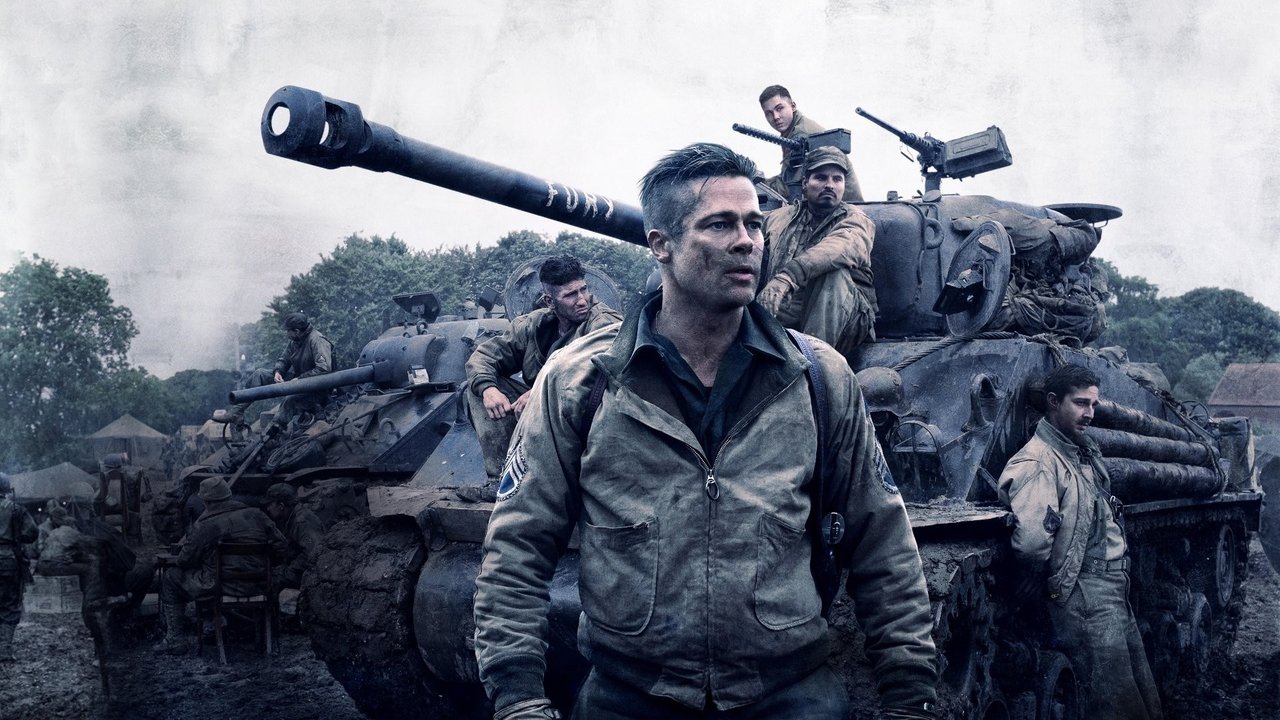
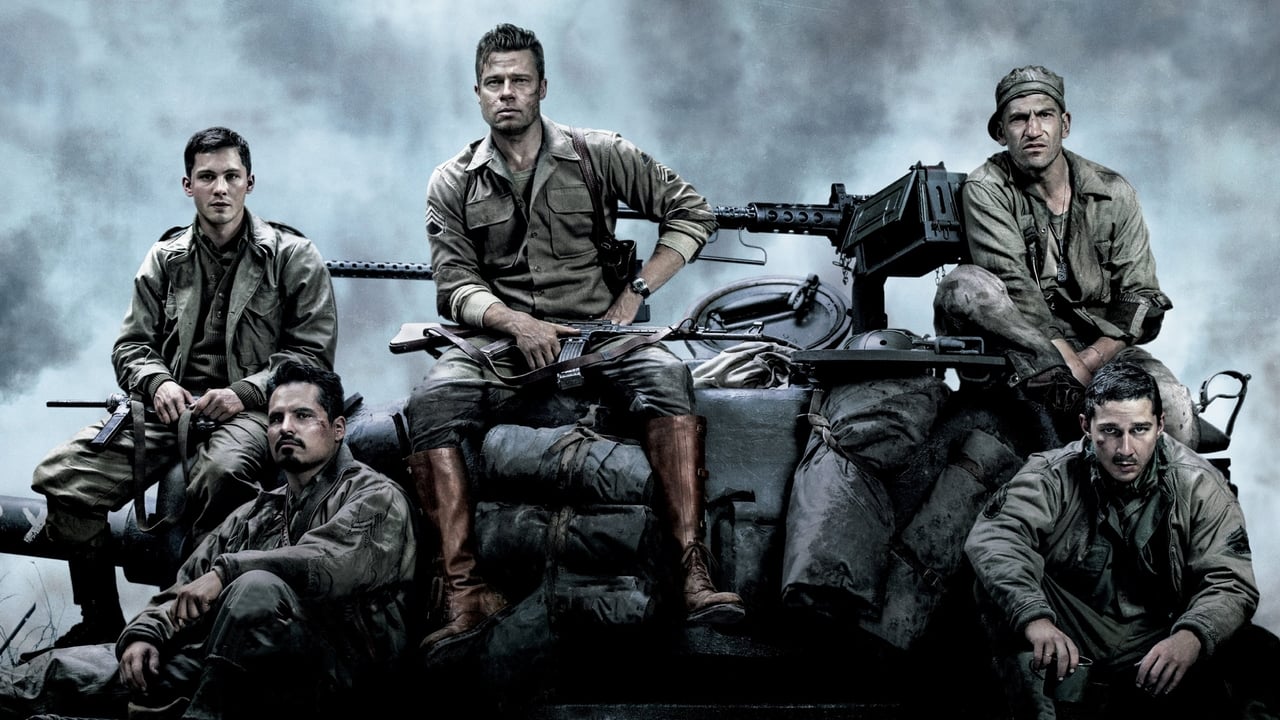
At the heart of the metal is a crew that has clearly spent too much time together. Brad Pitt plays Don "Wardaddy" Collier with a quiet, simmering exhaustion. It’s a world away from his swaggering performance in Quentin Tarantino’s Inglourious Basterds. Here, he’s a man who has traded his humanity for the survival of his men.
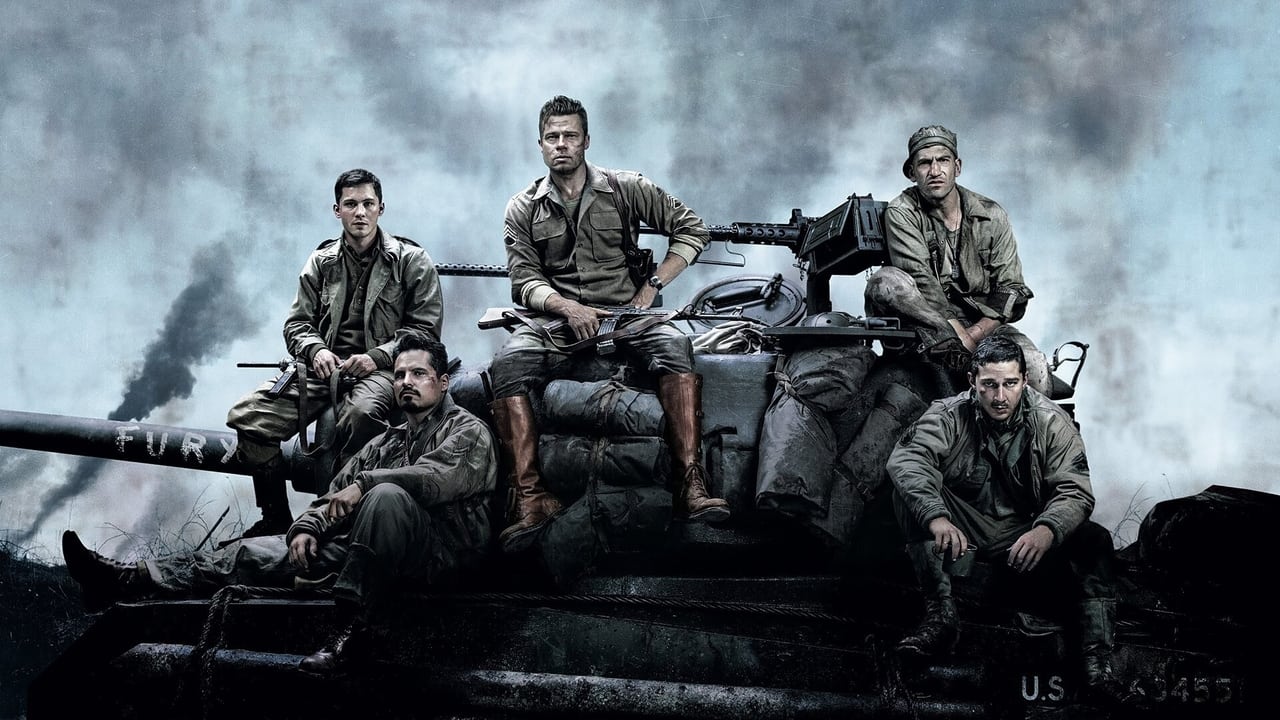
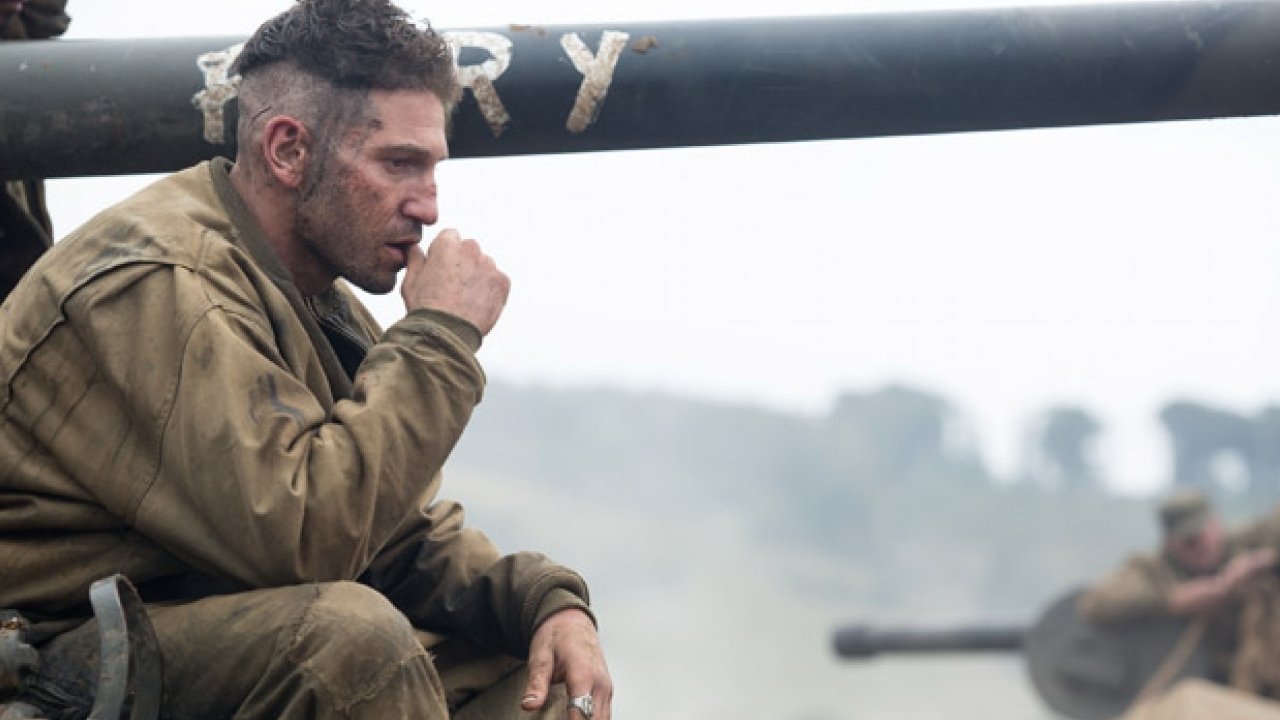
The chemistry between the crew—Shia LaBeouf as the religious "Bible," Michael Peña as "Gordo," and Jon Bernthal as the abrasive "Coon-Ass"—is where the film finds its dark, beating heart. Jon Bernthal is particularly effective at being absolutely loathsome yet somehow indispensable. Then you have Logan Lerman as Norman, the rookie typist thrown into this meat grinder. He is our surrogate, and his transition from a terrified boy to a "machine" is harrowing to watch.
The stories from the set are legendary for being a bit "extra." Shia LaBeouf reportedly pulled out his own tooth and refused to shower for weeks to get into character. While that sounds like a nightmare for his co-stars, his performance is arguably the best of his career. He brings a weeping, shaky-handed intensity to "Bible" that makes the religious underpinnings of the film feel earned rather than forced.
The Ghost of the Greatest Generation
Where Fury separates itself from its peers is its refusal to be "nice." There is a lengthy sequence in a captured German town where the crew has dinner with two local women. It is the most tense, uncomfortable scene in the movie, far more frightening than the actual battles. It highlights the moral ambiguity of an occupying force. These aren't heroes in the traditional sense; they are traumatized, angry men who have been broken by the things they've seen and done.
If the film has a weakness, it’s the final act. After two hours of gritty, grounded realism, the climax shifts into a more traditional "last stand" action trope. The German SS soldiers in the third act have the tactical awareness of a bowl of wet cereal, lining up to be shot instead of using the anti-tank weapons they clearly possess. It’s a bit of a "Hollywood" ending for a film that otherwise feels so stubbornly un-Hollywood.
Still, looking back on the 2010s, Fury stands out as a high-water mark for the war genre. It captured that post-9/11 cynicism—the idea that war isn't a grand adventure, but a job that ruins the people who do it well. It’s a loud, smelly, and deeply moving film that reminds us that even when the "good guys" win, they lose something in the process.
Fury is a masterclass in atmospheric tension and mechanical action. It’s not an easy watch, and it doesn't want to be. It’s a film that respects the history it depicts by refusing to sugarcoat the brutality of the men who lived it. If you can stomach the grim tone and the bone-shaking violence, it’s one of the most immersive experiences of its decade. Just don't expect to feel "good" when it's over.
Keep Exploring...
-

Legends of the Fall
1994
-
End of Watch
2012
-
Lone Survivor
2013
-
The Last Samurai
2003
-
Red Cliff
2008
-
The Patriot
2000
-
Inglourious Basterds
2009
-
Rise of the Planet of the Apes
2011
-
American Sniper
2014
-
Dawn of the Planet of the Apes
2014
-

Braveheart
1995
-
Crimson Tide
1995
-
Kingdom of Heaven
2005
-
Troy
2004
-

The Dark Knight Rises
2012
-

Captain Phillips
2013
-
Sabotage
2014
-
Dunkirk
2017
-
Letters from Iwo Jima
2006
-
The Bourne Identity
2002