Godzilla
"A gods-eye view from the pavement."
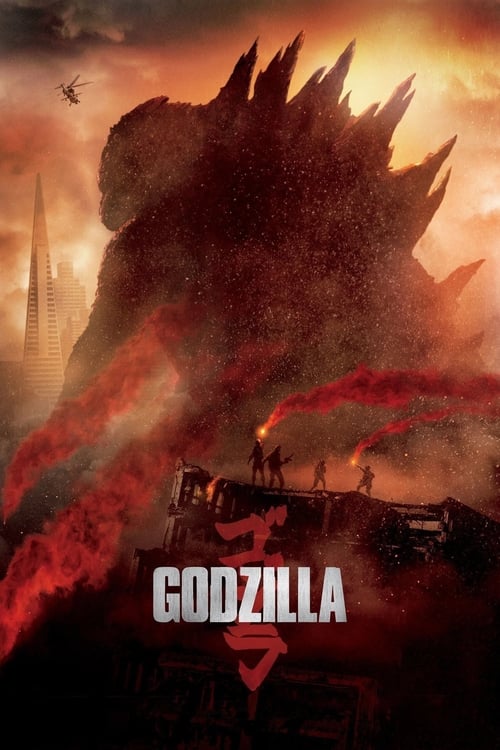
I distinctly remember sitting in a darkened IMAX theater in May 2014, clutching a lukewarm cherry ICEE, when the "Halo Jump" sequence began. The theater went dead silent as those red flares trailed through the storm clouds to the haunting choral swells of György Ligeti. In that moment, I wasn't just watching a summer blockbuster; I was experiencing a nightmare of scale. It’s a feeling many modern movies try to replicate but usually fail at by being too bright, too fast, and too desperate for our attention. Gareth Edwards (Monsters, Rogue One) understood something fundamental: Godzilla is only scary if you feel small enough to be stepped on.
The Art of the Tease
Looking back from a decade out, this film feels like a strange bridge between the "gritty reboot" era of the early 2010s and the sprawling cinematic universes that were about to swallow Hollywood whole. It arrived right as we were moving away from the campy, bright colors of the 2000s into a post-9/11 aesthetic that prioritized dust, debris, and a sense of genuine panic. Gareth Edwards brought a documentary-style eye to the chaos, helped immensely by the cinematographer Seamus McGarvey (The Avengers, Atonement), who shot the film with a gorgeous, hazy gloom.
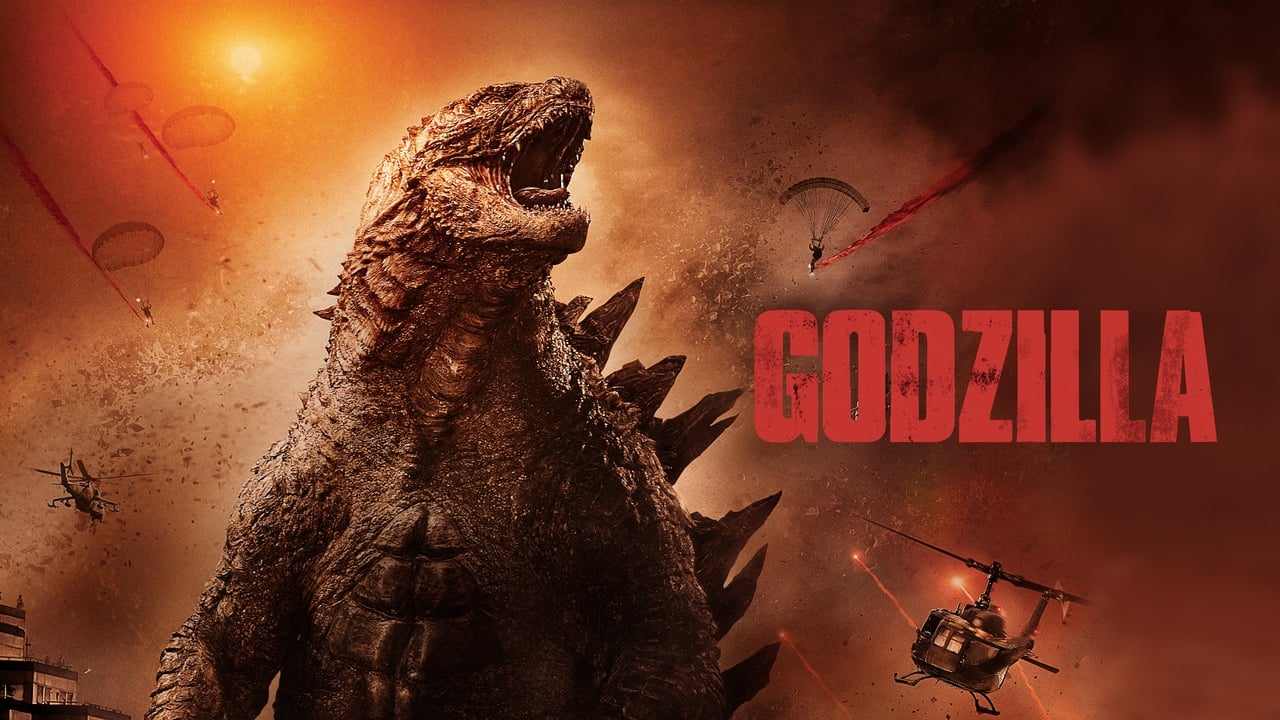
The most controversial choice—and my personal hill to die on—is the restraint. I know, I know, people wanted 123 minutes of monster wrestling. Instead, we got a film where Godzilla has less screen time than my last lunch break. For the first hour, he’s a shadow, a fin in the water, a footfall that shakes the camera. It’s essentially a $160 million game of peek-a-boo, and while I find that choice incredibly bold, I can see why it drove some of my friends crazy. I remember one guy in the row behind me kept whispering, "He's coming," every time the screen went dark, only for the movie to cut to a news report. It was infuriatingly brilliant.
The Cranston Conundrum
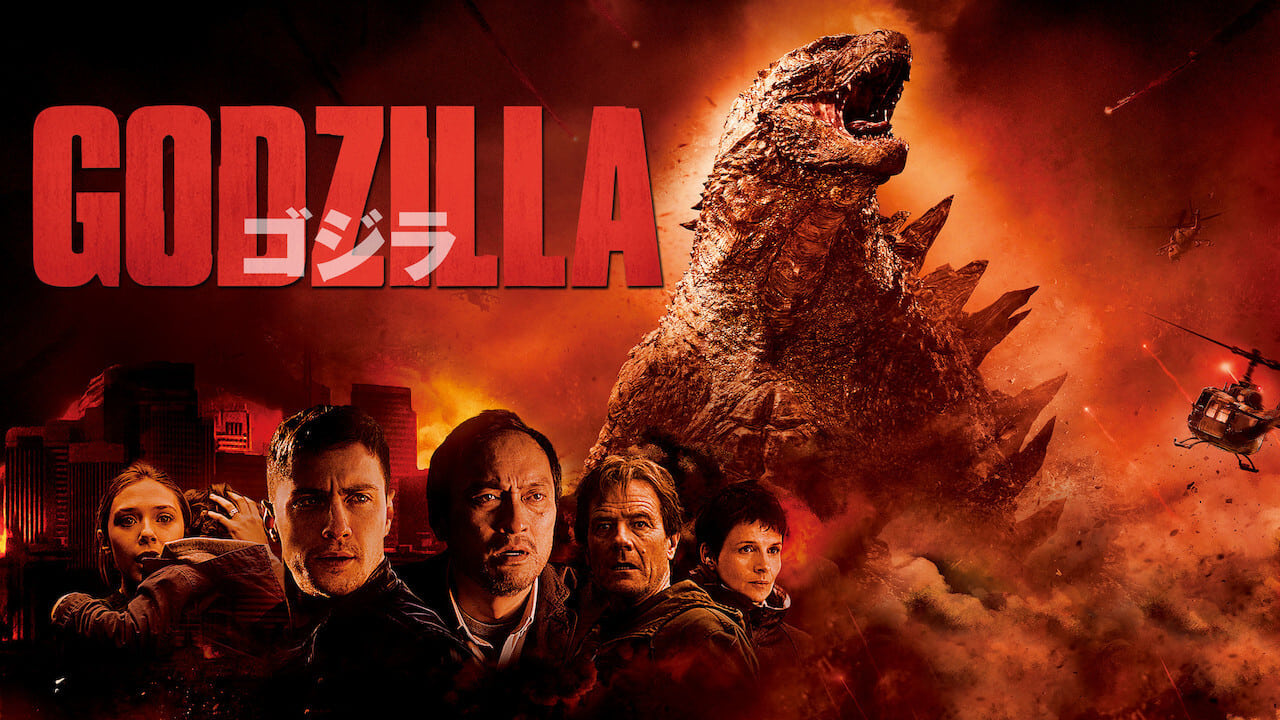
If the film has a glaring flaw, it’s the human element. The marketing campaign was a bit of a masterstroke in deception, leaning heavily on the gravitas of Bryan Cranston, who was fresh off his Breaking Bad high. He brings an infectious, frantic energy to the first act as Joe Brody, the conspiracy-theorist father who lost everything. When the story pivots to his son, Ford, played by Aaron Taylor-Johnson (Bullet Train), the emotional stakes take a massive hit.
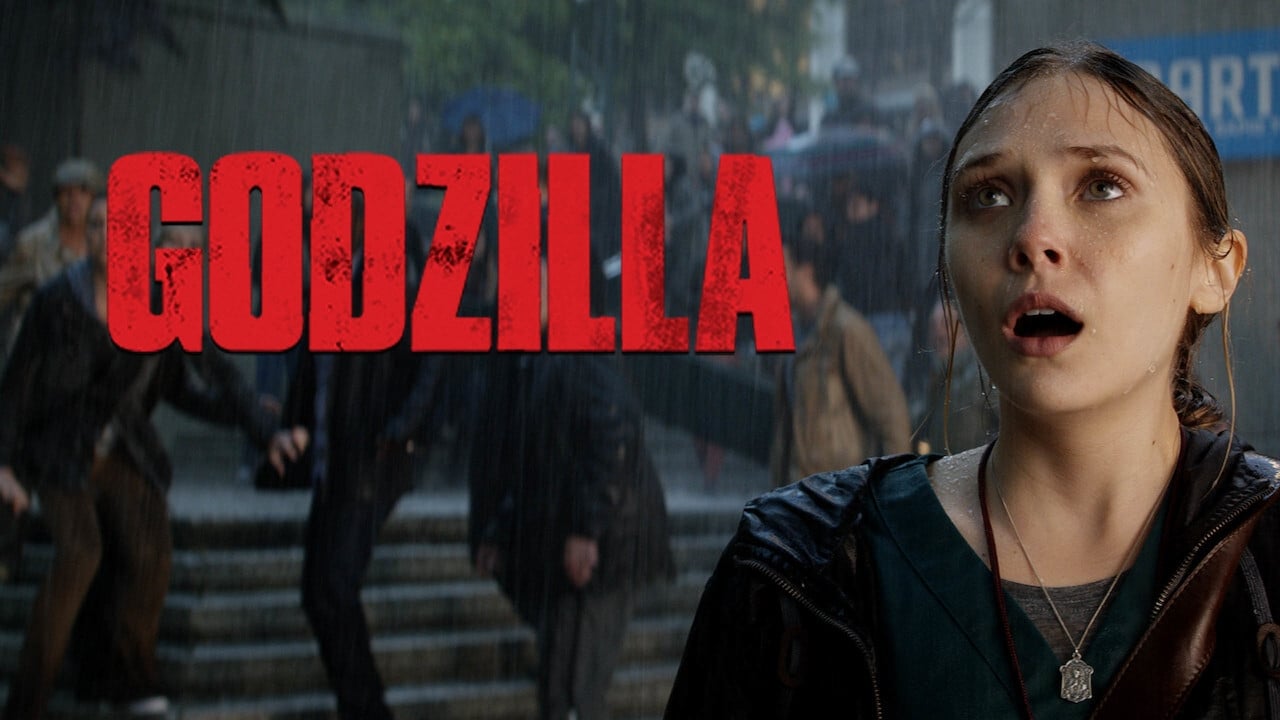
Aaron Taylor-Johnson is a talented actor, but here he’s asked to play "Generic Soldier Man #4." Beside the powerhouse presence of Ken Watanabe (Inception), who spends most of the movie looking at monitors with a look of profound constipation and whispering "Gojira," the younger Brody feels like a passenger in his own movie. Even the wonderful Elizabeth Olsen (WandaVision) and Sally Hawkins (The Shape of Water) are relegated to "concerned person on phone" roles. Let’s be real: the human characters have all the personality of a damp napkin, which makes the long stretches between monster fights feel longer than they actually are.
Sound, Scale, and Big Bad Bugs
Where the film absolutely triumphs is in its sound design and the "Mutos." These ancient adversaries aren't just generic dragons; they have this clicking, electromagnetic pulse language that sounds like a corrupted hard drive. The sound team reportedly recorded Godzilla’'s roar on a 12-foot-tall stack of speakers that could be heard three miles away. When that roar finally happens in the San Francisco airport, it doesn't just come from the screen—it vibrates your ribcage.
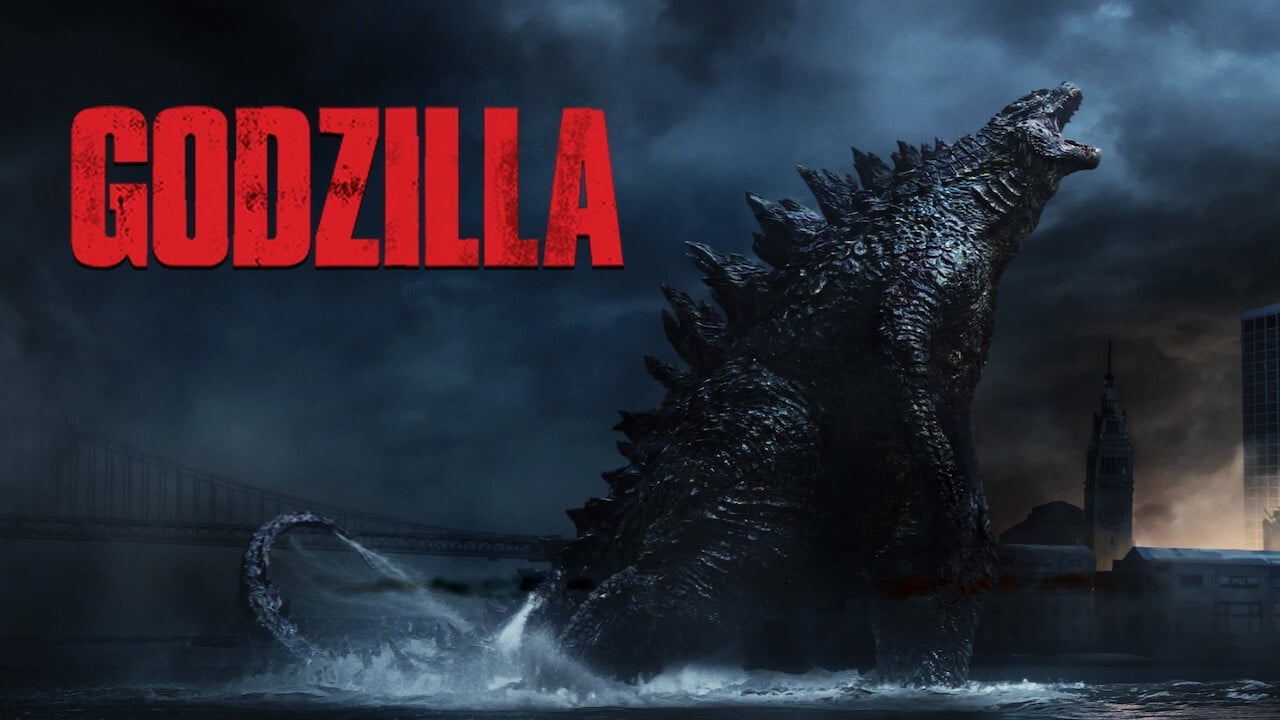
The action choreography isn't about fast cuts; it’s about weight. When Godzilla finally clashes with the Mutos in the foggy ruins of San Francisco, the movements are slow and deliberate. You feel every ton of muscle. It’s a far cry from the weightless CGI of later entries in the "MonsterVerse." This film treats its titular star not as a superhero, but as a force of nature—an earthquake with a tail. It captured that specific 2014 anxiety of being powerless against systems and disasters much larger than ourselves.
Cool Details
The 60th Anniversary: This was released exactly sixty years after the original 1954 Japanese masterpiece. To honor that, Ken Watanabe famously refused to say "Godzilla" the American way, insisting on the original "Gojira" pronunciation in every take. The Roar: To create the updated roar, the sound designers used a variety of leather glove sounds rubbed against a double bass, then processed through massive speakers to capture the "bounce" of the sound off real buildings. The Easter Eggs: If you look closely at the terrarium in the beginning of the film, it’s labeled "Mothra," a nod to the fans that a wider world was coming. CGI Breakthroughs: Despite the "darkness," the rendering of Godzilla’s skin used over 900,000 individual scales. The tech was so heavy it took some frames 72 hours just to render a single second of footage.
Ultimately, Godzilla (2014) is a mood piece dressed in a blockbuster’s clothing. It’s a film that respects the "G" in Greatness, even if it treats its human cast like background extras in a disaster documentary. While the later sequels would lean into the "Rock 'em Sock 'em" madness of the 1970s Toho era, this first entry remains a beautiful, somber, and occasionally frustrating look at what happens when humanity is no longer at the top of the food chain. If you can handle the slow burn, the payoff is still one of the most satisfying "blue breath" reveals in cinema history.
Keep Exploring...
-
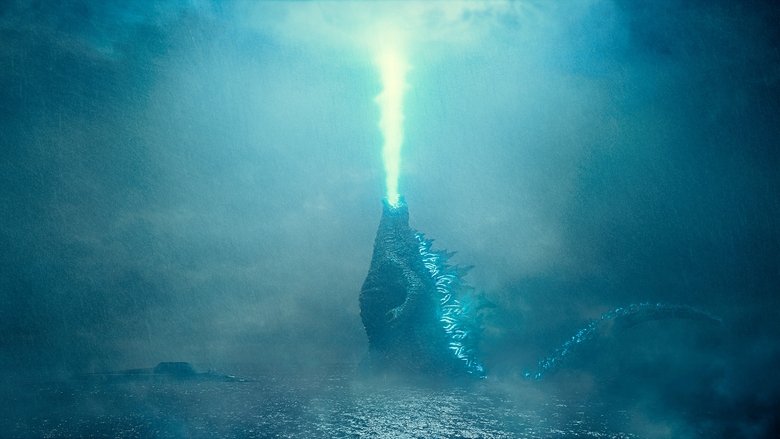
Godzilla: King of the Monsters
2019
-
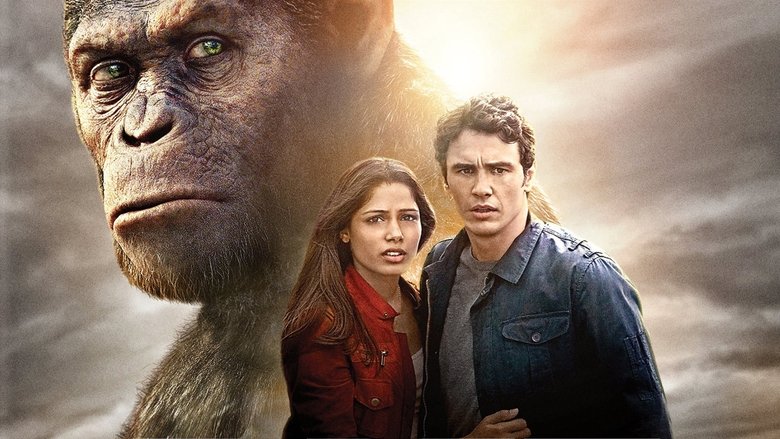
Rise of the Planet of the Apes
2011
-
Dawn of the Planet of the Apes
2014
-
Godzilla vs. Kong
2021
-
Monsters
2010
-
Outbreak
1995
-
Deep Impact
1998
-
Real Steel
2011
-
Elysium
2013
-
Carriers
2009
-
2012
2009
-
Fast & Furious
2009
-
Knowing
2009
-
Transformers: Revenge of the Fallen
2009
-

Iron Man 2
2010
-
Resident Evil: Afterlife
2010
-
Battle: Los Angeles
2011
-

Immortals
2011
-

Transformers: Dark of the Moon
2011
-
Jack Reacher
2012