Gone Girl
"Marriage is a blood sport where the only prize is surviving your own reflection."
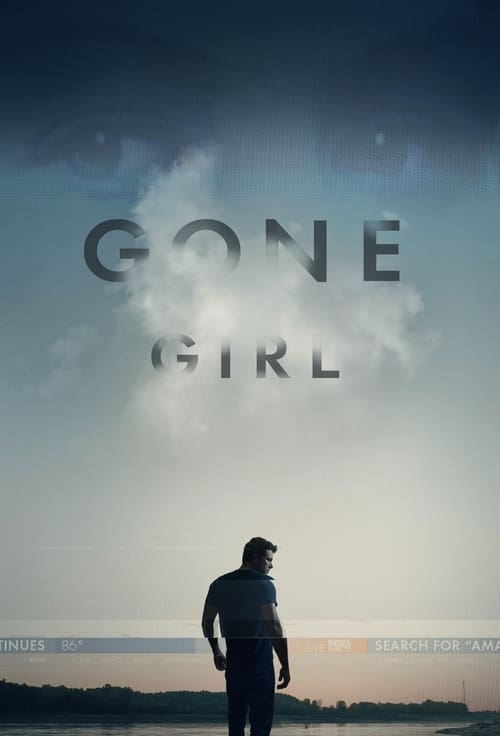
I watched Gone Girl for the first time in a packed theater where you could practically hear the collective pulse of the audience racing, punctuated only by the occasional sound of couples shifting uncomfortably in their seats. I remember I had a small bag of peanut M&Ms that I was too afraid to crunch because the silence David Fincher creates between the dialogue is so heavy, so clinical, that a snapping candy shell felt like a gunshot. By the time the credits rolled to the hum of Trent Reznor and Atticus Ross’s unsettling score, I didn't just want to discuss the movie—I wanted to check my own pulse.
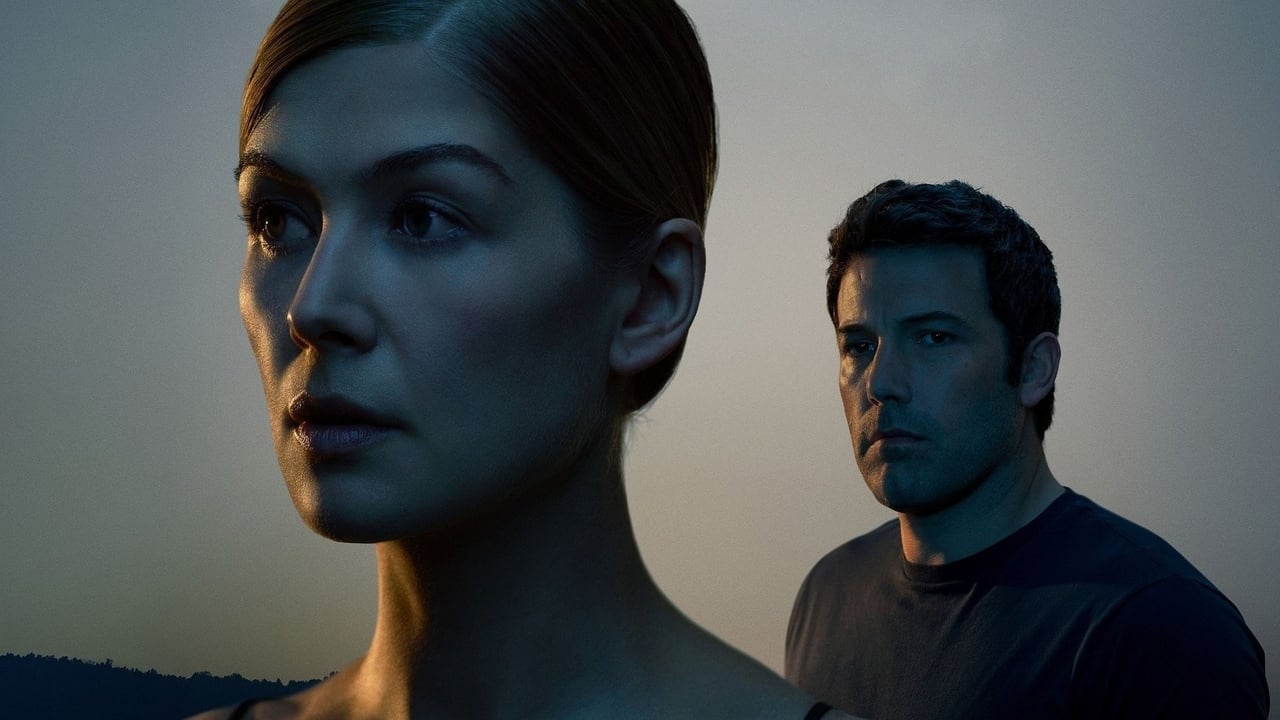
Released in 2014, Gone Girl arrived at the tail end of a specific cinematic era. It was a moment when major studios like 20th Century Fox were still willing to throw a $61 million budget at a hard-R, cynical, adult-oriented drama based on a literary phenomenon. Looking back, it feels like one of the last great "event" thrillers before the mid-budget drama was largely swallowed by the streaming void. It’s a film that captured the terrifying intersection of the 24-hour news cycle, the artifice of social media personas, and the rot that can settle into a long-term recession-era marriage.
The Meta-Casting of the Century
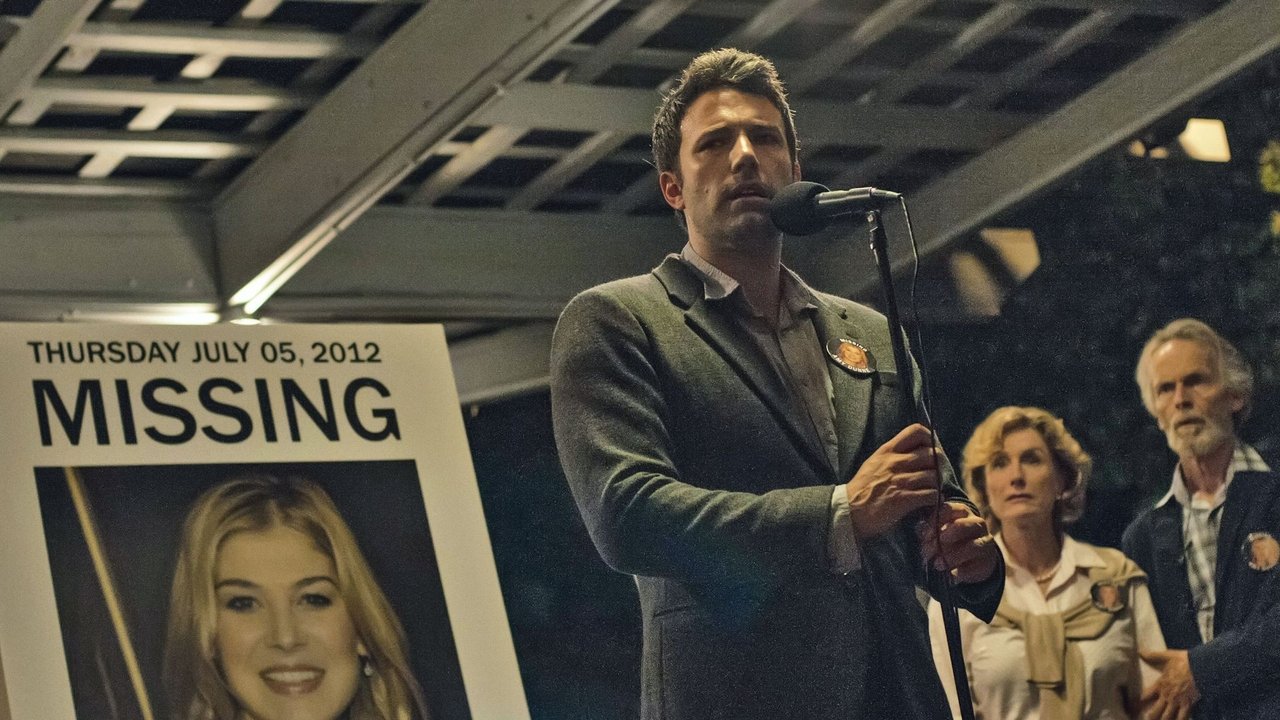
The brilliance of the film begins with Ben Affleck as Nick Dunne. At the time, Affleck was navigating his own complex relationship with the tabloids, and Fincher—a director known for his obsessive, bordering-on-cruel precision—knew exactly how to weaponize that. Nick is a man who doesn't know how to look "innocent" because he’s too busy trying to look "likable." When his wife, Amy, goes missing on their fifth anniversary, Nick’s smirk during a press conference becomes a national scandal. Affleck’s chin is the most untrustworthy thing in cinema history, and he plays into that "doofus-or-deviant" ambiguity with incredible self-awareness.
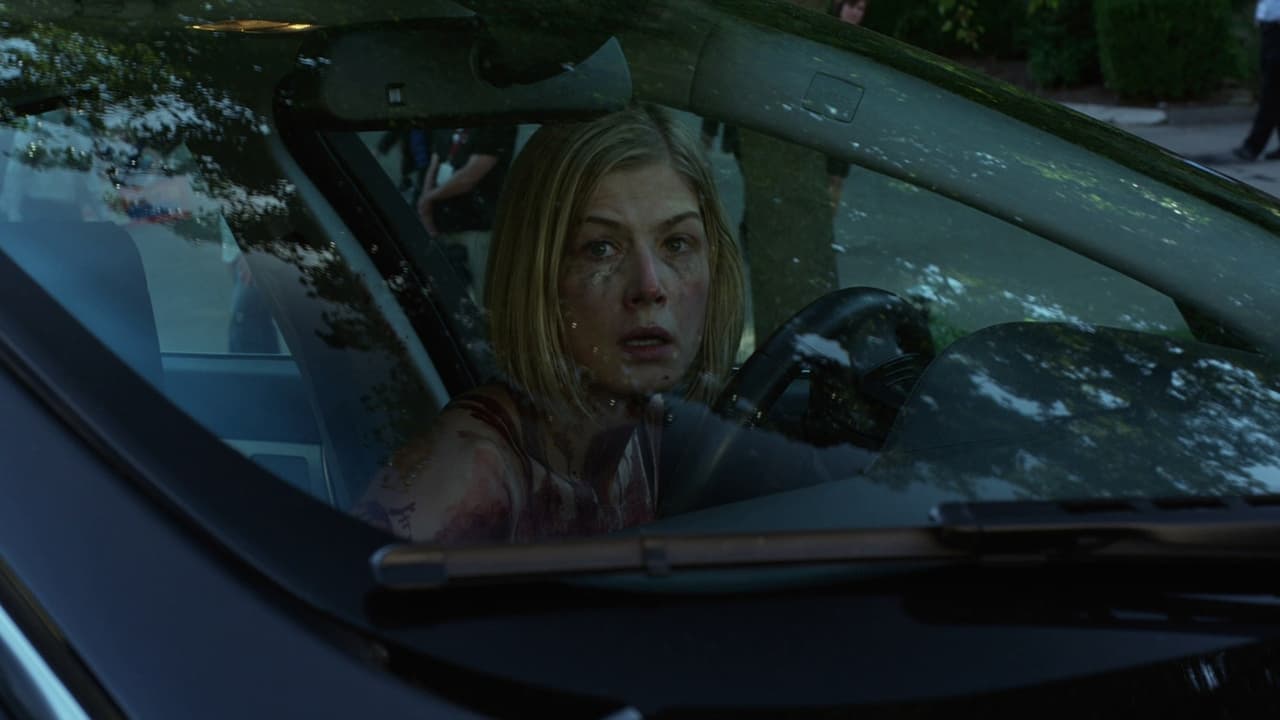
Then there is Rosamund Pike. Before this, she was often cast as the ethereal, beautiful supporting player. Here, as "Amazing Amy," she delivers a performance that is nothing short of a serrated knife. She is the architect of her own myth, a woman who has spent her life being the inspiration for her parents’ children's books and has decided she is done being a character in someone else’s story. Her "Cool Girl" monologue remains the definitive cultural critique of the mid-2010s "cool girl" trope, and Pike delivers it with a cold, calculated venom that still stings. It’s no wonder she secured an Oscar nomination; she makes the screen feel like it’s made of ice.
The Fincher/Flynn Alchemy

What makes Gone Girl more than just a "missing wife" mystery is the script by Gillian Flynn, who adapted her own novel. Most authors are too precious with their prose, but Flynn understood that a Fincher movie needs to move with the relentless efficiency of a shark. The film is split into two distinct movements, and the pivot point is one of the most satisfying "gotcha" moments in modern film. It shifts from a procedural mystery into a pitch-black satire of domestic bliss and media manipulation.
Fincher’s digital mastery is on full display here. He was an early adopter of the RED Dragon camera system, and along with cinematographer Jeff Cronenweth, he bathes Missouri in a sickly, jaundiced yellow and a sterile, refrigerated blue. Every frame is composed with such exactness that it feels oppressive. There’s a piece of trivia I love: Trent Reznor and Atticus Ross were reportedly told by Fincher to think about the kind of terrible "spa music" you hear in a massage parlor—the kind that is supposed to be relaxing but actually makes you feel like you’re trapped. That "spa music from hell" vibe perfectly captures the Dunne marriage: a beautiful surface hiding a grotesque interior.
A Masterclass in Supporting Players
While the central duo gets the glory, the supporting cast is a 2010s fever dream that somehow works. Tyler Perry as celebrity lawyer Tanner Bolt is a stroke of genius; he brings a charismatic, grounding energy that provides the only levity in the film. Kim Dickens as Detective Rhonda Boney is the audience’s surrogate—the only person in the room actually looking at the evidence instead of the narrative. And we have to talk about Neil Patrick Harris as Desi Collings. He is playing a character so creepy and obsessed that he makes his Barney Stinson persona feel like a distant, wholesome memory.
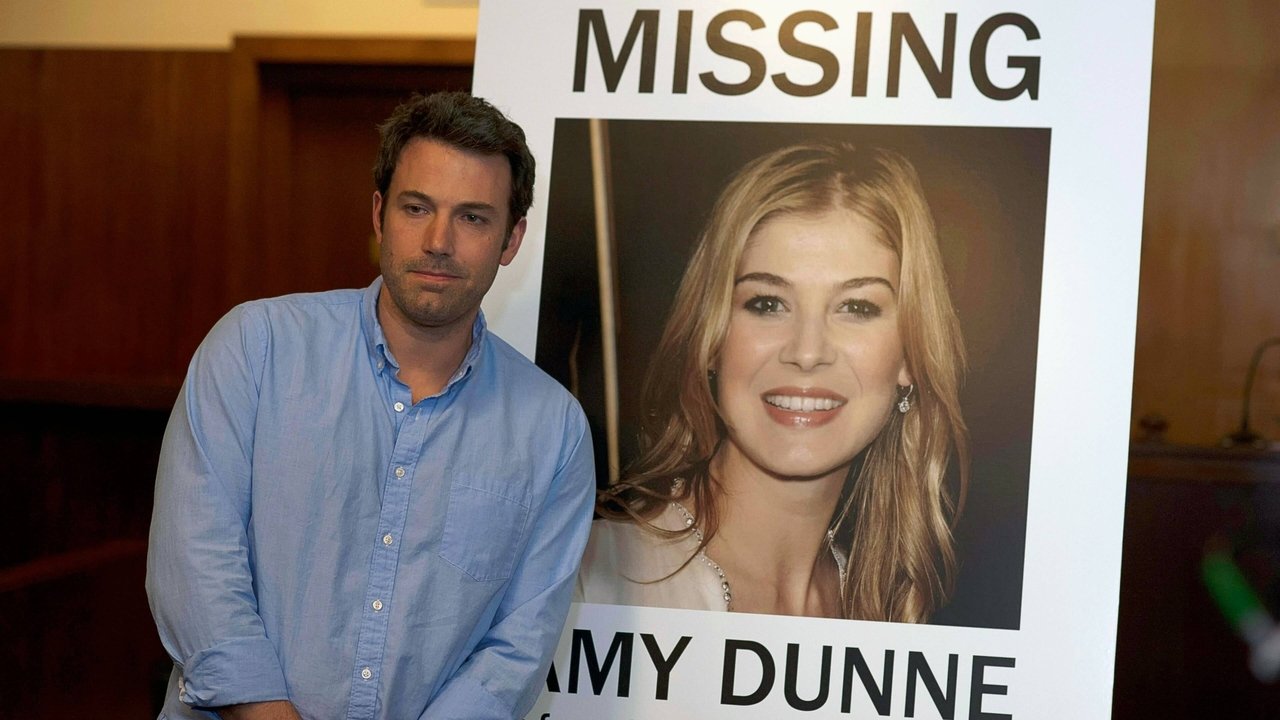
The film also captures the anxieties of its time. 2014 was a year of peak "outrage culture," and Gone Girl shows how easily a life can be dismantled by a 30-second news clip. It looks back at the 2008 financial crisis as the catalyst for Nick and Amy’s downfall—the move from New York to a cavernous, empty McMansion in Missouri is the beginning of the end. It’s a ghost story where the ghosts are the people they used to be when they were falling in love.
Why It Still Bites
Revisiting Gone Girl a decade later, it hasn't aged a day. If anything, our world of curated Instagram lives and "main character energy" has only made Amy Dunne’s radical self-actualization feel more relevant. It refuses to offer the easy out of a "hero" or a "villain." Instead, it leaves you with a couple who deserve each other in the most horrific way possible. It’s a drama that treats marriage not as a romantic goal, but as a high-stakes psychological war of attrition.
Gone Girl is a rare beast: a prestige awards contender that is also an unapologetic, trashy-at-heart popcorn thriller. It is David Fincher at his most cynical and his most controlled, turning a suburban mystery into a grand, operatic nightmare. It’s the kind of movie that makes you want to go home and have a very long, very honest conversation with your partner—or maybe just hide the kitchen knives.
Keep Exploring...
-

The Game
1997
-

Fight Club
1999
-
Shutter Island
2010
-

The Girl with the Dragon Tattoo
2011
-

Zodiac
2007
-
Se7en
1995
-
L.A. Confidential
1997
-
The Sixth Sense
1999
-
Mulholland Drive
2001
-

Oldboy
2003
-

Inglourious Basterds
2009
-

Unbreakable
2000
-

The Bourne Identity
2002
-

The Bourne Ultimatum
2007
-
The Town
2010
-
Argo
2012
-
The Girl with the Dragon Tattoo
2009
-
The Secret in Their Eyes
2009
-

Confessions
2010
-

The Skin I Live In
2011