Hector and the Search for Happiness
"Happiness is a side effect, not a destination."
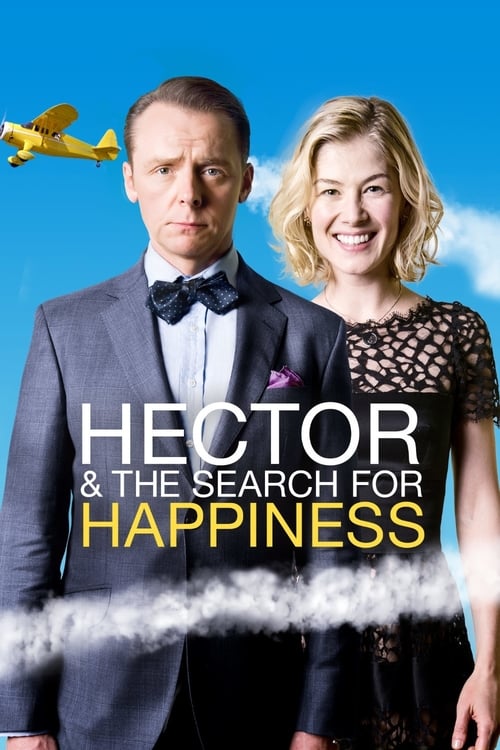
By 2014, the "privileged person goes on a global walkabout to find themselves" trope was starting to feel a bit exhausted. We’d already seen Julia Roberts eat her way through Italy and Ben Stiller longboard across Greenland. It was a specific flavor of late-era Modern Cinema—films that used high-definition digital cinematography to turn the world into a series of Pinterest boards for the soul. Yet, Simon Pegg stepping into the shoes of Hector, a London psychiatrist with a life so structured it’s practically calcified, managed to breathe a different kind of life into the genre.
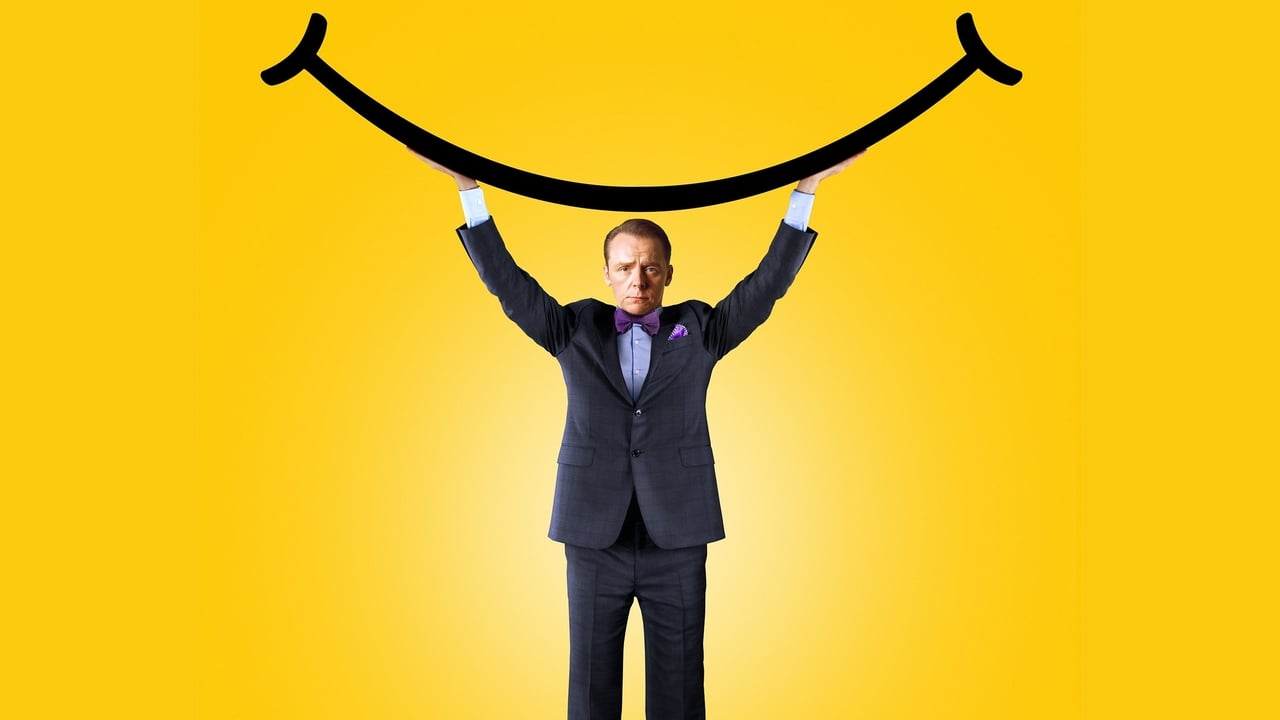
I actually watched this film on my laptop while eating a bowl of cereal that was about 40% dusty crumbs, and somehow, Hector’s frustration with his own comfortably mediocre existence felt incredibly personal. There’s something deeply relatable about a man who has everything "right"—a successful career, a beautiful girlfriend, a collection of perfectly organized socks—but feels like he’s living his life through a thick pane of glass.
The Midlife Crisis as an Adventure Sport
In the mid-2010s, Simon Pegg was in a fascinating transitional phase. He was moving away from the frantic, kinetic energy of the Cornetto Trilogy and trying on roles that required a softer, more vulnerable touch. As Hector, he’s wonderful. He captures that specific brand of British awkwardness that masks a deep, simmering anxiety. When he tells his girlfriend, Clara—played with a mix of affection and growing exasperation by Rosamund Pike—that he needs to go away to "research" happiness, it’s not presented as a heroic quest. It’s presented as a desperate, slightly pathetic flailing.
The film follows Hector as he bounces from the high-flying corporate excess of China to the visceral (oops, I mean "raw") dangers of Africa and finally to the sun-drenched, therapy-soaked hills of Los Angeles. Along the way, he keeps a journal of "lessons" that the movie displays on screen with charmingly hand-drawn animations. Some critics at the time found these lessons—like "Making comparisons can spoil your happiness"—to be overly simplistic, but I think that’s the point. Hector is rediscovering things he should have known all along. It's a Hallmark card with a better budget and a much higher IQ.
A Masterclass in Supporting Stealers

Director Peter Chelsom has always had a knack for ensemble casting, and here he surrounds Simon Pegg with a literal "Who's Who" of international cinema. Each leg of Hector’s journey is anchored by a heavyweight performance. In China, we get Stellan Skarsgård as Edward, a cynical businessman who views happiness as something you can buy, use, and discard. Their chemistry is fantastic; Skarsgård’s heavy, world-weary presence is the perfect foil to Pegg’s frantic curiosity.
Then there’s Jean Reno as a drug lord in Africa, who gives Hector a lesson in the happiness found in safety and family, and Toni Collette as Agnes, an old flame in LA who provides the film’s most grounded, emotionally honest moment. But the real MVP is Christopher Plummer as Professor Coreman. Plummer brings an effortless, twinkly-eyed gravitas to the role of a happiness researcher. Watching him and Pegg discuss the neuroscience of joy is a delight; it makes the film’s more whimsical elements feel anchored in something substantial.
The film doesn't shy away from the darker side of the search. Hector gets kidnapped, faces mortality, and realizes that sadness is the essential shadow that gives happiness its shape. The movie treats global poverty as a colorful backdrop for a white man's epiphany, but it does so with such wide-eyed sincerity that you almost forgive its more problematic travelogue tendencies.
The Mystery of the Missing Audience

Despite the star power and the gorgeous locations, Hector and the Search for Happiness barely made a ripple at the box office, earning just over a million dollars. It was released in that awkward window where mid-budget dramas were starting to get swallowed whole by the burgeoning MCU machine. It didn't have the "prestige" branding of an Oscar-frontrunner, nor the viral marketing of a cult hit. It just... existed.
Looking back, it’s a film that perfectly captures the tech-anxiety of the early 2010s. Hector’s need to disconnect from his routine reflects a world that was becoming increasingly "plugged in" but emotionally distant. It was the era of the DVD’s decline, and this feels like one of those movies you’d discover in a rental shop (if any were left) and be genuinely surprised that you hadn't heard more about it. It’s not a masterpiece of cinema history, but it is a deeply comforting, thoughtfully acted piece of storytelling that deserves a spot on your "rainy Sunday afternoon" watchlist.
Ultimately, Hector’s journey works because of the performances. Rosamund Pike—filming this shortly before her career-altering turn in Gone Girl—gives Clara enough depth that she never feels like a "waiting woman" trope. And Simon Pegg proves that he’s more than just a comedic genius; he’s a leading man who can carry a global adventure on his shoulders without losing his relatability. It’s a film about the messiness of being alive, and while its answers might be simple, the way it asks the questions is purely entertaining.


Keep Exploring...
-

Wizards of Waverly Place: The Movie
2009
-

The 100 Year-Old Man Who Climbed Out the Window and Disappeared
2013
-
Maverick
1994
-

Babe: Pig in the City
1998
-

Holes
2003
-

Shall We Dance?
2004
-

Casanova
2005
-

Sahara
2005
-

Fanboys
2009
-

The Secret Life of Walter Mitty
2013
-

Filth
2013
-

Hannah Montana: The Movie
2009
-

Paul
2011
-

Aliens in the Attic
2009
-

Princess Protection Program
2009
-

The Informant!
2009
-

Get Him to the Greek
2010
-

Morning Glory
2010
-

30 Minutes or Less
2011
-

A Monster in Paris
2011