How to Train Your Dragon 2
"Bigger wings, sharper scales, and a whole lot of heart."
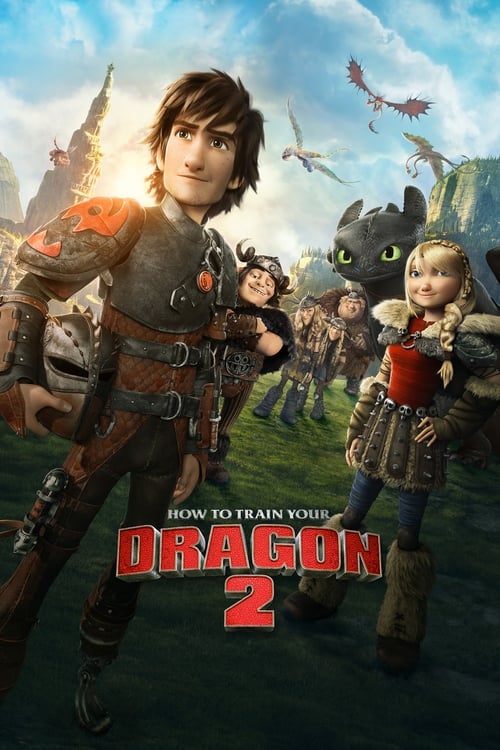
There is a specific, dizzying rush that comes from watching a lanky Viking and his Night Fury bank a hard left into a cloud bank at four hundred miles per hour. It’s a sensation the first How to Train Your Dragon (2010) mastered, but by the time the sequel soared into theaters in 2014, DreamWorks wasn't just trying to catch lightning in a bottle again—they were trying to map the entire storm. I actually watched this for the third time on a cross-country flight next to a toddler who was wearing a fuzzy Toothless onesie, which made the inevitable "emotional" scenes significantly more awkward as I tried to hide my weeping from a four-year-old who was just there for the fire-breathing.

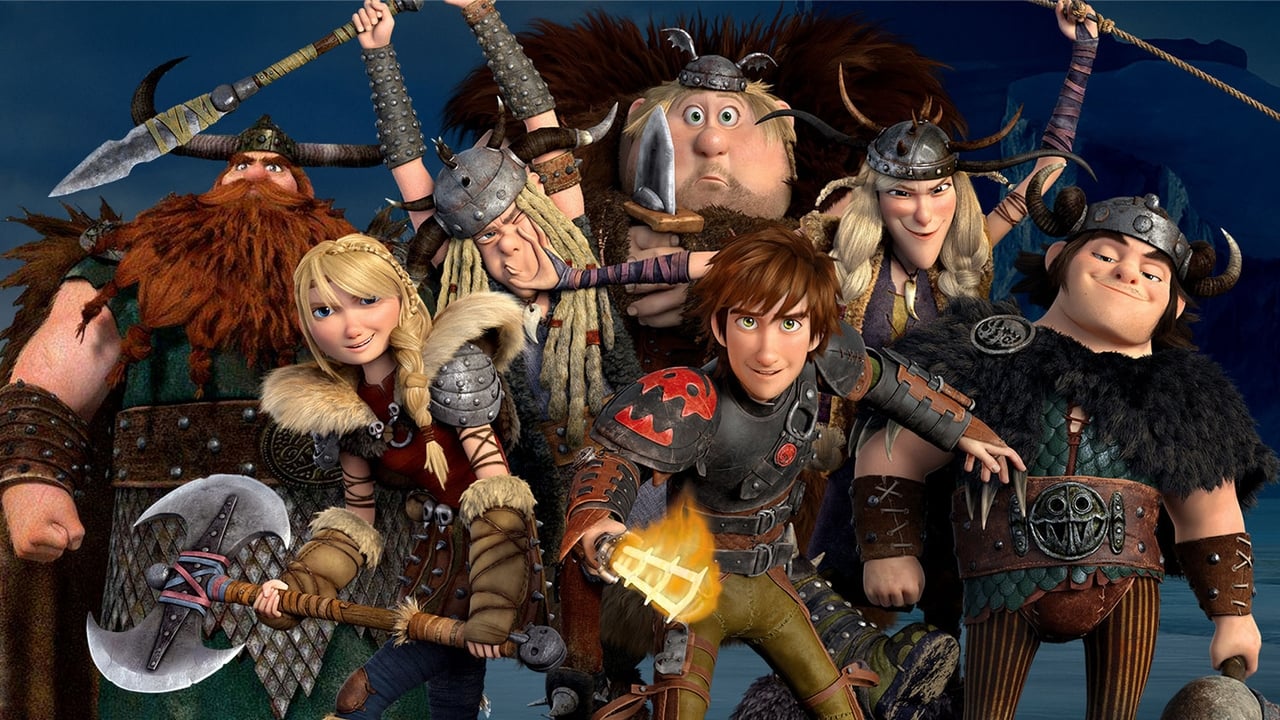
Looking back at the tail end of the "Modern Cinema" era, 2014 felt like a moment where big-budget animation finally stopped trying to be "the next Shrek" and started embracing the scope of high-fantasy epics. How to Train Your Dragon 2 doesn’t just iterate; it matures. We skip five years ahead, finding a bearded (well, mostly) Hiccup, voiced with perpetual vocal-crack sincerity by Jay Baruchel, grappling with the looming shadow of leadership. It’s a sequel that respects the fact that its original audience grew up, trading the "boy and his dog" simplicity for a sprawling meditation on family, pacifism, and the cost of war.
High-Altitude Action and Digital Breakthroughs
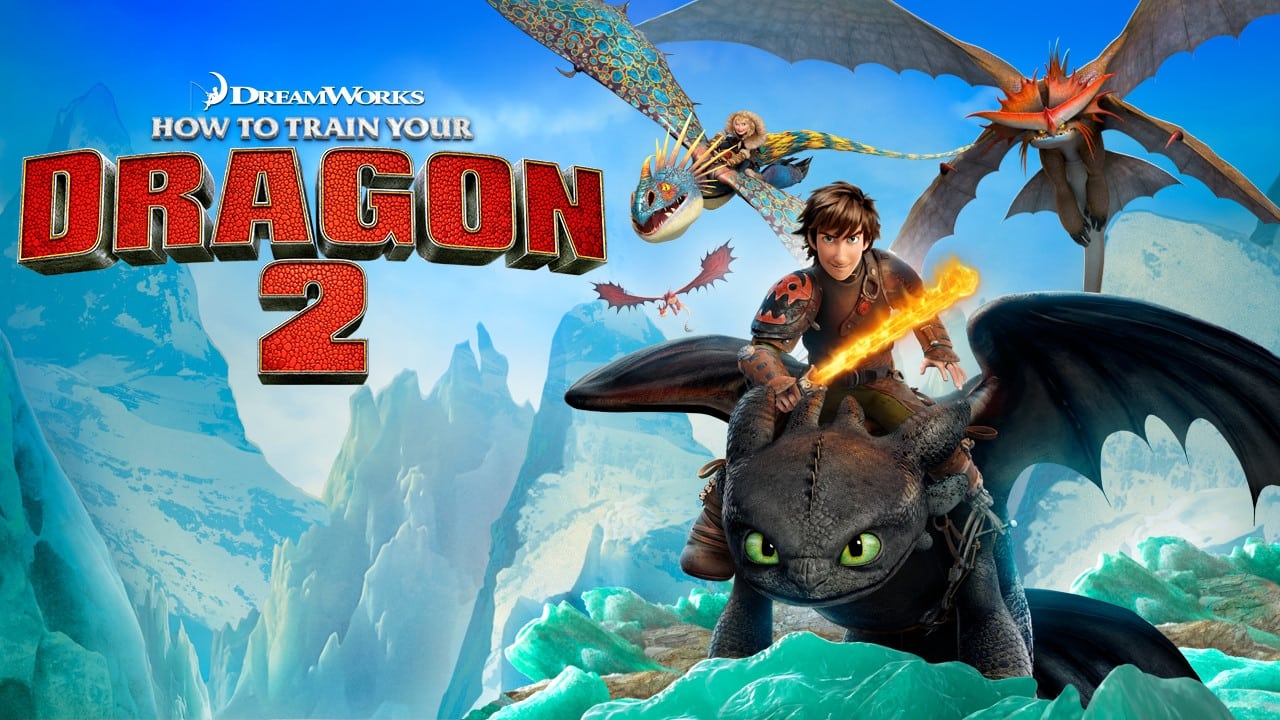
If the first film was about the discovery of flight, this one is about the mastery of it. Director Dean DeBlois—who took the solo reins here after co-directing the first with Chris Sanders (the duo behind Lilo & Stitch)—pushed the technical envelope until it tore. This was the first film to use DreamWorks’ new "Apollo" software, which allowed animators to work in a way that felt more intuitive and less like data entry. You can see it in the way Toothless moves; he’s more expressive, more tactile, and his flight physics feel grounded in a way that puts most live-action superhero movies to shame.
The action choreography is a masterclass in clarity. In a decade where many directors thought "action" meant "shaking the camera until the audience gets a migraine," DeBlois keeps the camera sweeping and steady. The "Battle for the Nest" sequence is massive, featuring two "Bewilderbeasts"—gigantic, tusken dragons that act as living aircraft carriers. It’s chaotic, yes, but you always know where Hiccup is in relation to the dragon-trapping fleet. It’s the kind of scale that makes the $145 million budget feel like a bargain. Drago Bludvist has the fashion sense of a heavy metal roadie who lost his way in a pelt shop, but as a villain, he represents a genuine threat: the man who doesn't love dragons, but enslaves them.
A Family Reunion with Scales
The heart of the film, however, isn't the giant ice-spitting dragons—it’s the introduction of Valka, played with a breathy, ethereal intensity by Cate Blanchett. Finding out Hiccup’s mother didn't die but has instead spent twenty years living as a dragon-obsessed hermit is a bold swing. Valka is essentially a dragon-themed Jane Goodall who happens to have a cool mask. Her reunion with Gerard Butler’s Stoick the Vast is arguably the film's high point. Instead of a standard Hollywood argument, we get a quiet, folk-song-driven dance that feels more "classic cinema" than "modern blockbuster."
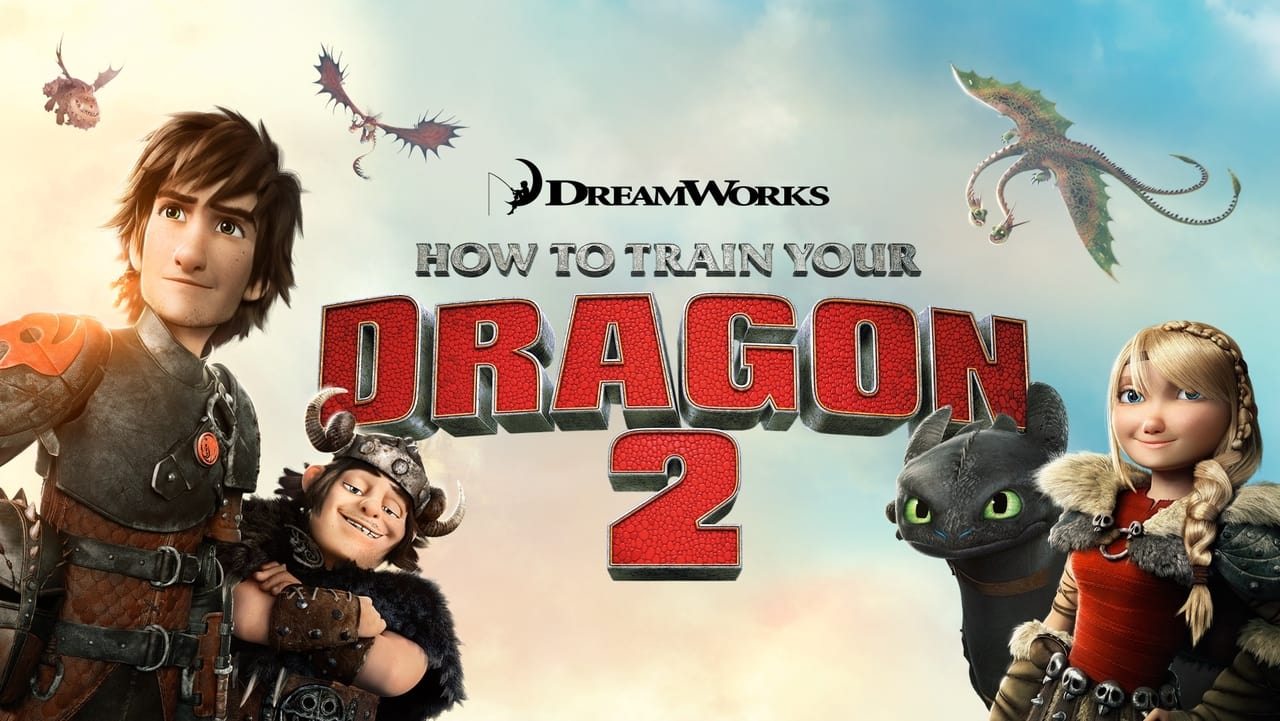
The supporting cast remains a comedic goldmine, even if they have less to do this time around. America Ferrera’s Astrid is the grounded soul of the group, while Jonah Hill, Christopher Mintz-Plasse, and Kristen Wiig provide the necessary levity to keep the film from spiraling into total darkness. Craig Ferguson as Gobber remains the MVP of comedic timing, delivering lines with a dry, Scottish wit that balances the high-stakes drama. It’s a testament to the writing that even with a dozen characters and fifty different dragon species, the film never feels cluttered.
The Legacy of the Sky
Financially, the film was a titan, raking in over $621 million worldwide and proving that DreamWorks could sustain a prestige franchise that rivaled Pixar’s best. It’s a "DVD Culture" darling, too; I remember the special features being packed with "Dragon Stats" and behind-the-scenes looks at the animation process that turned a whole generation of kids into amateur creature designers. It captures that 2014 spirit—technologically fearless, narratively ambitious, and unafraid to let its characters suffer real, permanent consequences.
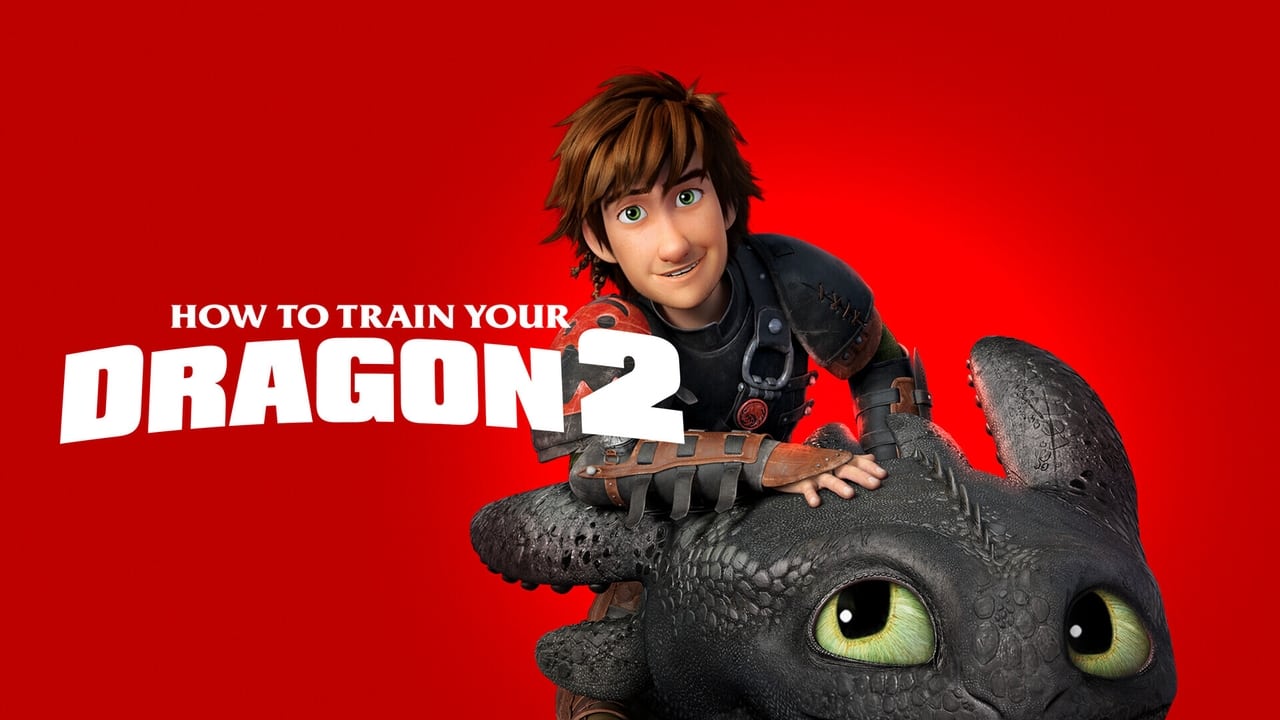
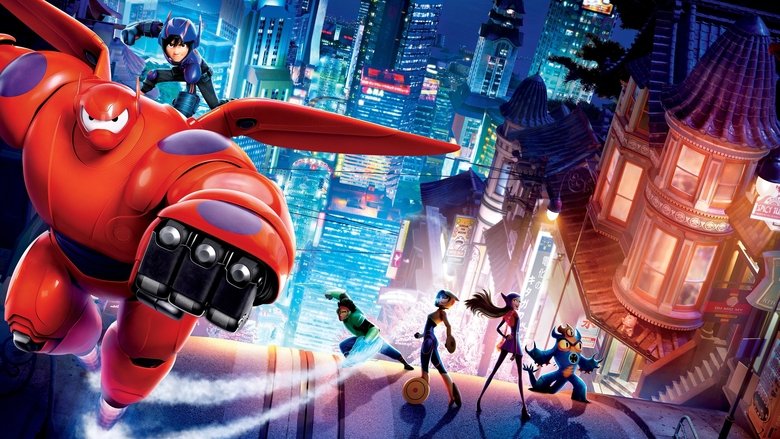
While it lost the Best Animated Feature Oscar to Big Hero 6 (a decision I still grumble about over my morning coffee), its legacy is secure. It’s a film that understands that being a hero isn't about having the biggest dragon; it's about having the soul of a leader. It's a gorgeous, soaring piece of filmmaking that reminds us why we go to the movies in the first place: to see things we never thought possible, and maybe, just maybe, to feel like we’re flying.
The film earns every bit of its emotional weight, refusing to take the easy way out during its heartbreaking second-act climax. It’s a rare bird in the world of sequels—one that understands that to truly honor the original, you have to be willing to let it grow up. If you haven't revisited Berk lately, it's time to hop back in the saddle. Just bring some tissues; the wind hits your eyes pretty hard at these altitudes.
Keep Exploring...
-
How to Train Your Dragon
2010
-
How to Train Your Dragon: The Hidden World
2019
-
Brave
2012
-
Big Hero 6
2014
-

Puss in Boots
2011
-
The Lego Movie
2014
-

Lilo & Stitch
2002
-

Sinbad: Legend of the Seven Seas
2003
-
Shrek
2001
-
Shrek 2
2004
-
Kung Fu Panda
2008
-

The SpongeBob SquarePants Movie
2004
-

Ice Age: Dawn of the Dinosaurs
2009
-
The Book of Life
2014
-

How to Train Your Dragon
2025
-
Horton Hears a Who!
2008
-

Up
2009
-
Rio
2011
-
Hotel Transylvania
2012
-
The Croods
2013