I Can Quit Whenever I Want
"Finally, a use for that PhD."
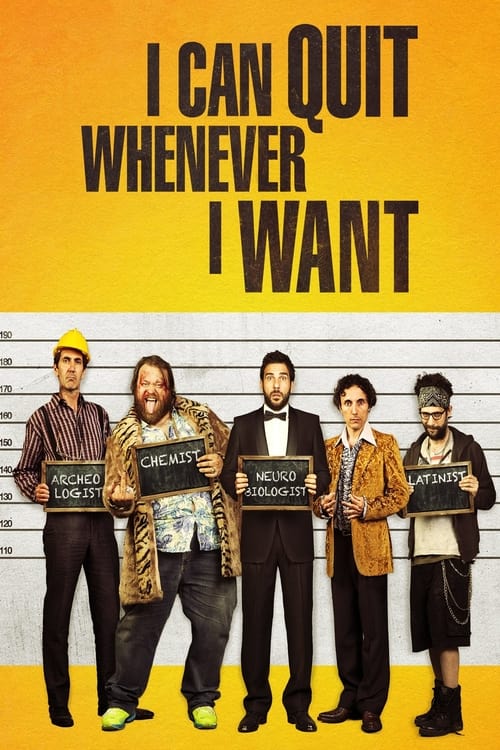
There is a specific kind of indignity that comes with being the smartest person in a room where no one cares. I’ve felt it, usually while trying to explain why a certain film edit works to a cousin who just wants to know if there are explosions. But for Pietro Zinni, a neurobiologist who can map the human brain but can’t afford a decent suit, that indignity is a way of life. When he’s unceremoniously dumped by his university due to budget cuts, he doesn’t just look for a new job; he realizes that the legal economy has no place for him. The illegal one, however, is starving for talent.
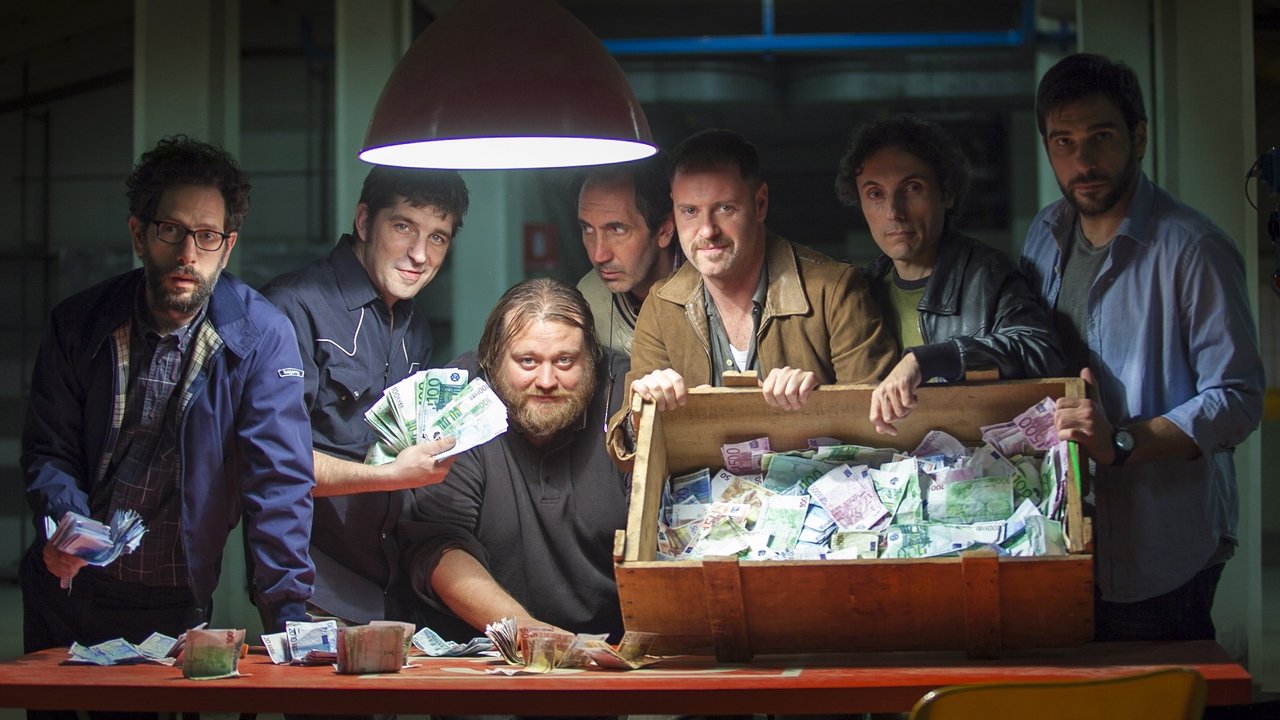
The smartest guys in the gutter
I Can Quit Whenever I Want (or Smetto quando voglio) is what happens when you take the DNA of Breaking Bad, strip away the grim-dark Albuquerque ego-trips, and replace them with the frantic, caffeine-fueled energy of a Roman street market. I first watched this on a rainy Tuesday while trying to ignore a neighbor’s leaf blower that sounded like a dying aircraft carrier, and within ten minutes, the noise outside didn't matter. I was too busy watching the most overqualified criminal syndicate in cinematic history.
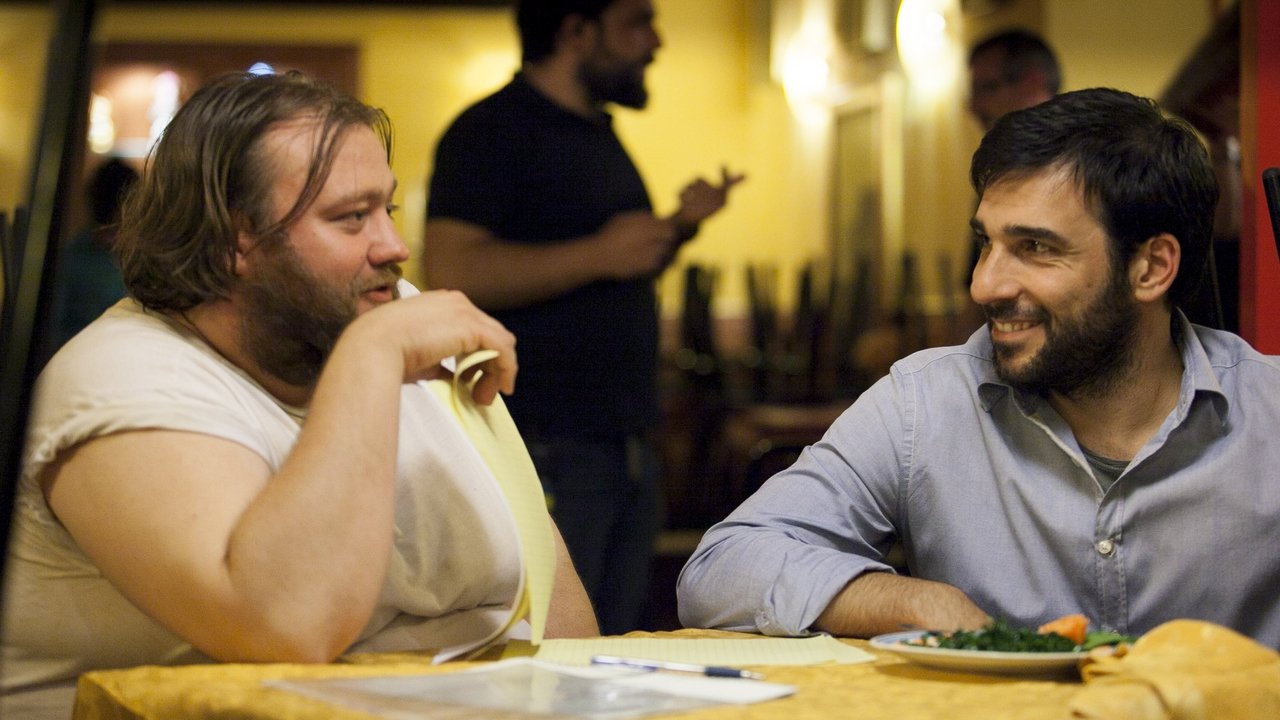
Pietro (Edoardo Leo) doesn't go looking for street thugs. He goes looking for his friends—a pair of Latinists working as gas station attendants, a chemist acting as a human dishwasher, and a macroeconomist who spends his nights playing poker just to survive. These are people living at the margins of a society that promised them everything if they just kept studying. Watching a man use his knowledge of dead languages to negotiate a drug deal is the kind of specific, ironic comedy that makes this script sing.
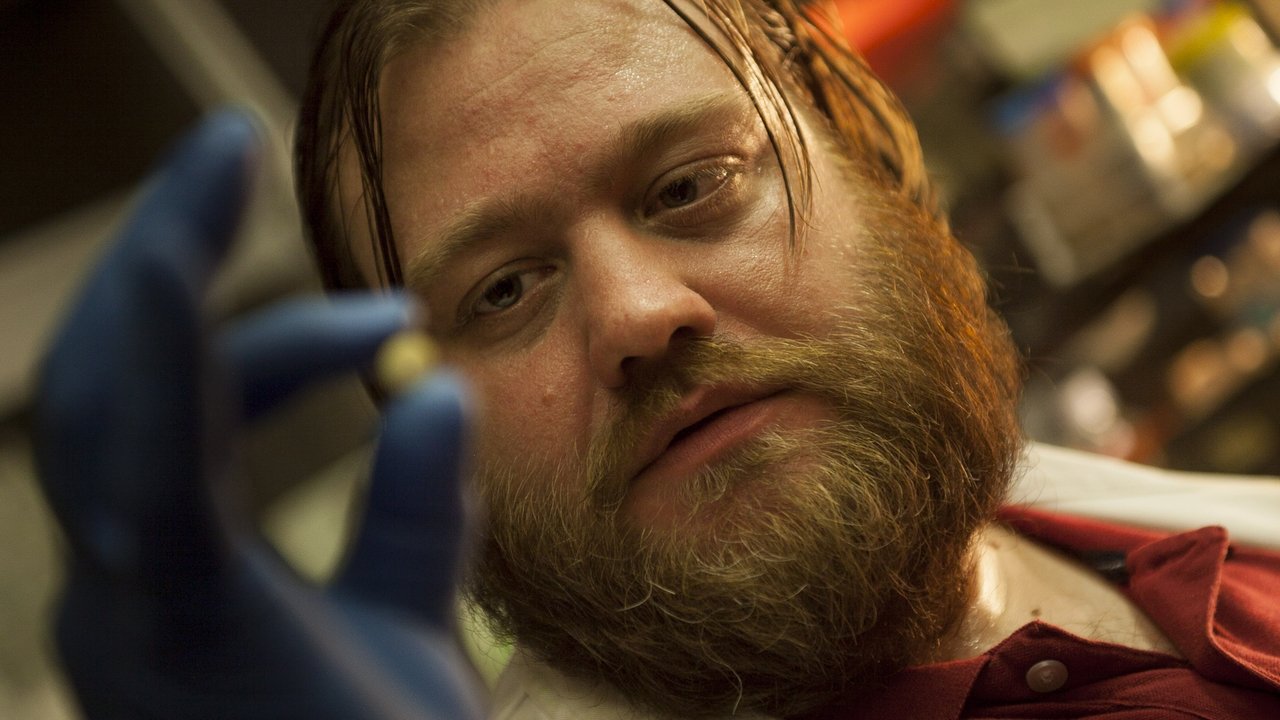
Edoardo Leo plays Pietro with a wonderful, twitchy desperation. He’s the anchor, but the film really breathes through its ensemble. Stefano Fresi, as the chemist Alberto, is a standout—the scene where he tests their new "product" and experiences a rather profound neurological shift is a masterclass in physical comedy. You believe these guys have been friends for a decade because they argue with the shorthand of people who have shared too many cheap beers in cramped apartments.
Technicolor unemployment
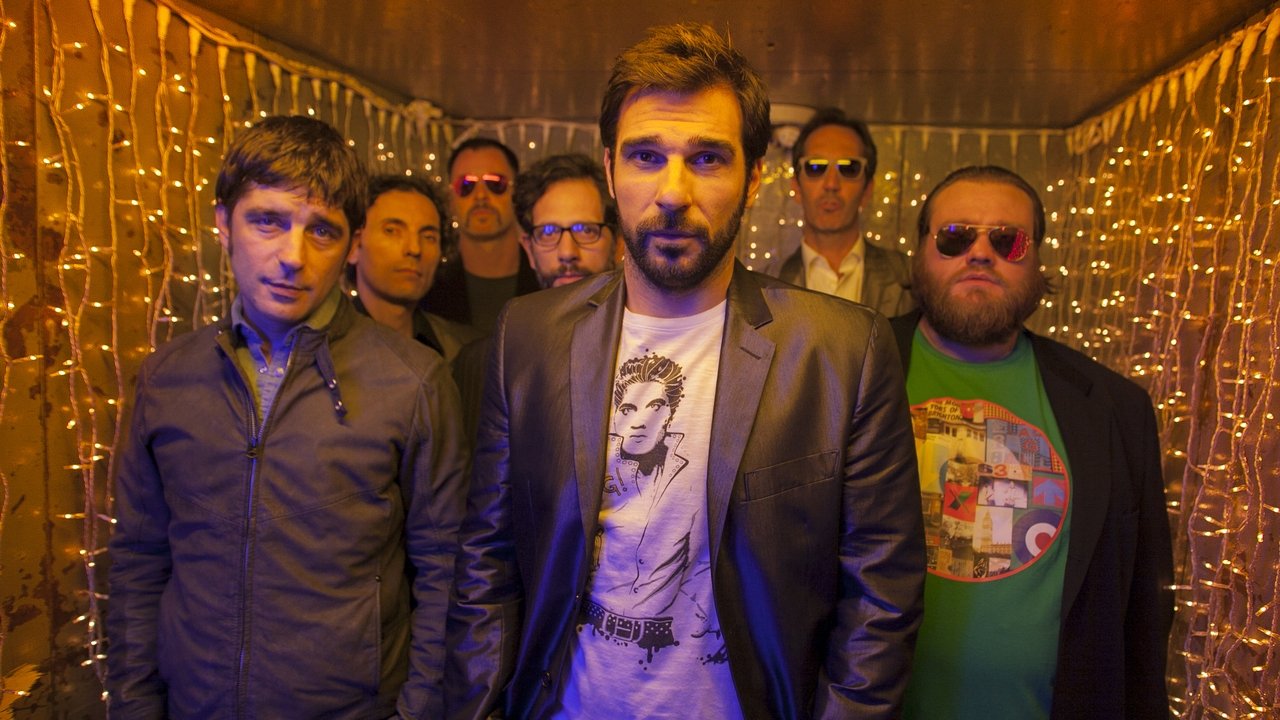
Director Sydney Sibilia was a first-timer here, and you can feel that "nothing to lose" energy in every frame. In 2014, Italian cinema was largely divided between somber, high-brow dramas and "cine-panettone" (crass, holiday-themed slapstick). Sibilia kicked the door down with something that looked like a Guy Ritchie film but felt uniquely Italian.
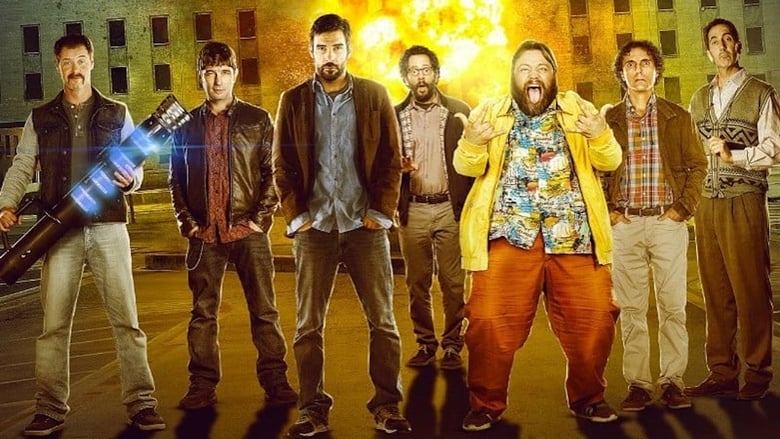
The visual language is remarkably bold for a $2 million indie. Working with cinematographer Vladan Radović, Sibilia opted for a hyper-saturated, almost neon color palette. The oranges are too orange; the greens are sickly and electric. It’s a digital-era aesthetic that reflects the artificiality of the "legal" drug world they’re entering. Looking back at the mid-2010s, this was the peak of the transition where indie filmmakers finally stopped trying to make digital look like film and started using digital to create looks that film never could. It feels like a comic book come to life, which fits the "super-team" assembly of the plot perfectly.
The editing is equally relentless. Comedy is rhythm, and Sydney Sibilia treats the pacing like a percussion solo. There’s no dead air. Even the exposition—usually the boring part of a heist flick—is delivered with such a snappy, infographic-style flair that you don’t realize you’re being taught chemistry and economics until the lesson is over.
The indie hustle
What makes this an indie gem isn’t just the budget—it’s the subversion. A major studio would have been tempted to make this a standard "crime doesn't pay" moral play. But Sibilia and co-writer Andrea Garello are more interested in the absurdity of the Italian labor market. This is a film born from the frustration of a generation told they were the "future" only to find the future was already sold for scrap.
The "legal drug" loophole at the center of the plot—the idea that you can create a molecule not yet classified as illegal—is a brilliant narrative engine. It allows the characters to maintain a thin, hilarious veneer of "we aren't actually criminals" even as they’re buying semi-automatic weapons. The macroeconomist treating a drug war like a fluctuation in the commodities market is funnier than any fart joke 2014 had to offer.
It’s worth noting that this film became a massive word-of-mouth hit in Italy, eventually spawning two sequels. It struck a nerve because it didn't just mock the characters; it mocked the system that made their brilliance a liability. It has that rare quality of being deeply localized in its politics but universal in its humor. Anyone who has ever looked at their degree and then at their bank account will find a kindred spirit in Pietro Zinni.
The film ends exactly where it needs to, balancing the high-stakes tension of the climax with a final beat that acknowledges the reality of these characters' lives. It’s smart, it’s vibrant, and it’s a reminder that sometimes the most dangerous thing you can be is over-educated and broke. If you’ve ever felt like the world didn't have a slot for your specific set of skills, this is your new favorite heist movie. Just don't try the chemistry at home.

Keep Exploring...
-
I Can Quit Whenever I Want 2: Masterclass
2017
-
I Can Quit Whenever I Want 3: Ad Honorem
2017
-
Welcome to the South
2010
-
The Postman
1994
-

Four Lions
2010
-

Super
2010
-
The Kids Are All Right
2010
-
Beginners
2011
-

Robot & Frank
2012
-
Safety Not Guaranteed
2012
-

The First Time
2012
-

The Kings of Summer
2013
-

The Spectacular Now
2013
-
The Way Way Back
2013
-
Frank
2014
-

What We Do in the Shadows
2014
-

Rose Island
2020
-
The Night Before the Exams
2006
-

Tutta colpa di Freud
2014
-

A Grand Day Out
1990