I Origins
"Look closely. You’ve seen these eyes before."
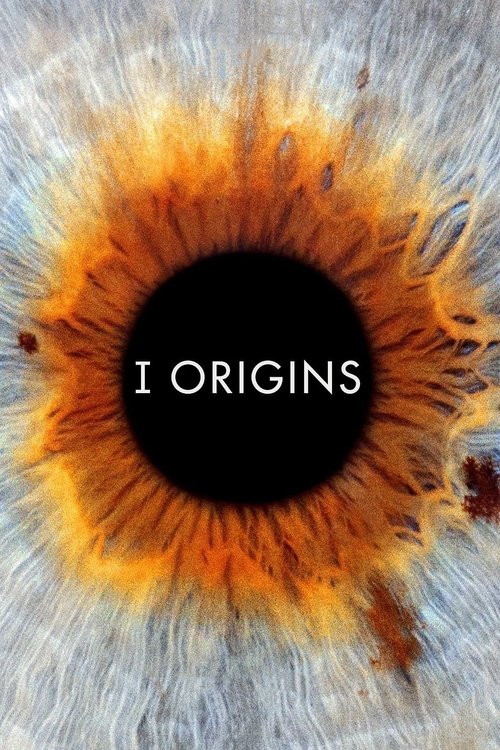
The human iris is more unique than a fingerprint—a chaotic, colorful map of tissue that shouldn't, by the laws of probability, ever repeat. In I Origins, director Mike Cahill takes this biological fact and stretches it until it snaps into something spiritual. It’s a film that asks you to stare directly into the sun of "what if" until your retinas burn, and while it occasionally trips over its own earnestness, it’s the kind of high-concept indie swing that I really miss seeing in the mid-budget desert of the 2020s.
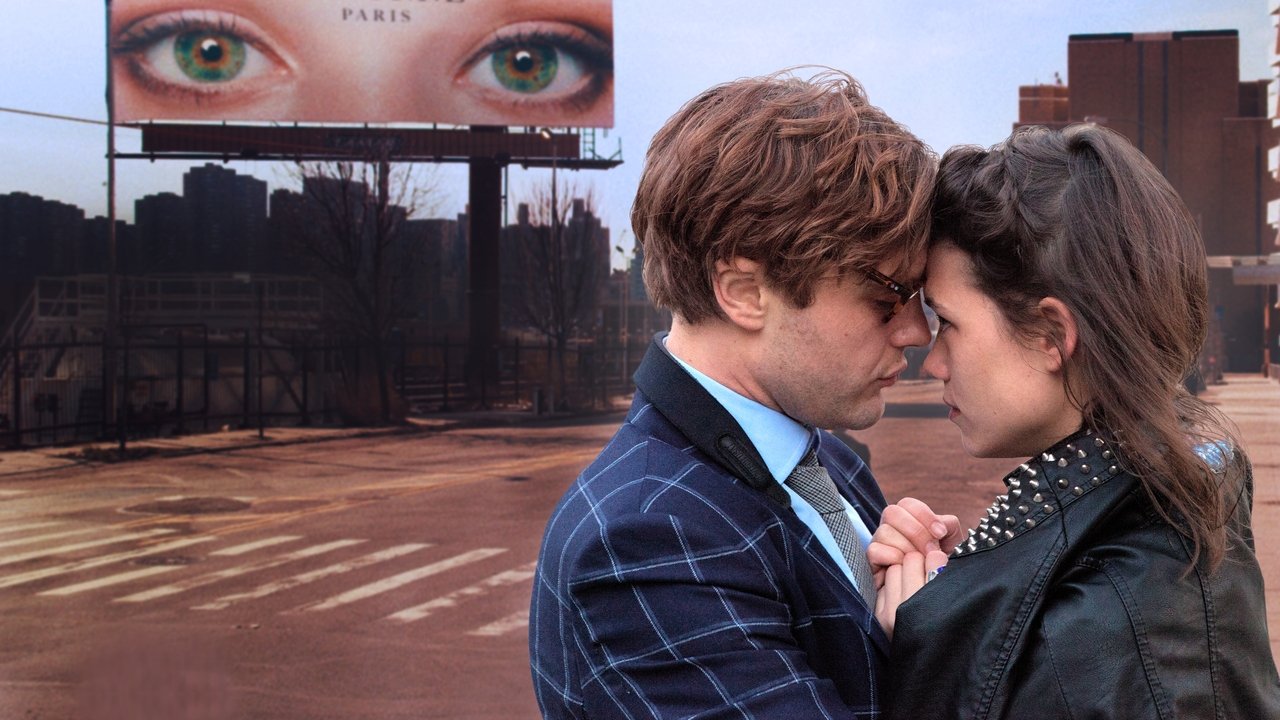
I watched this for the first time on my old MacBook Pro while my roommate was in the kitchen loudly blending a kale smoothie, and yet, the moment Àstrid Bergès-Frisbey appeared on screen, I completely tuned out the whirring blades. There’s a magnetic, almost intrusive intimacy to the way this movie is shot that demands your undivided attention.
The Science of the Stare
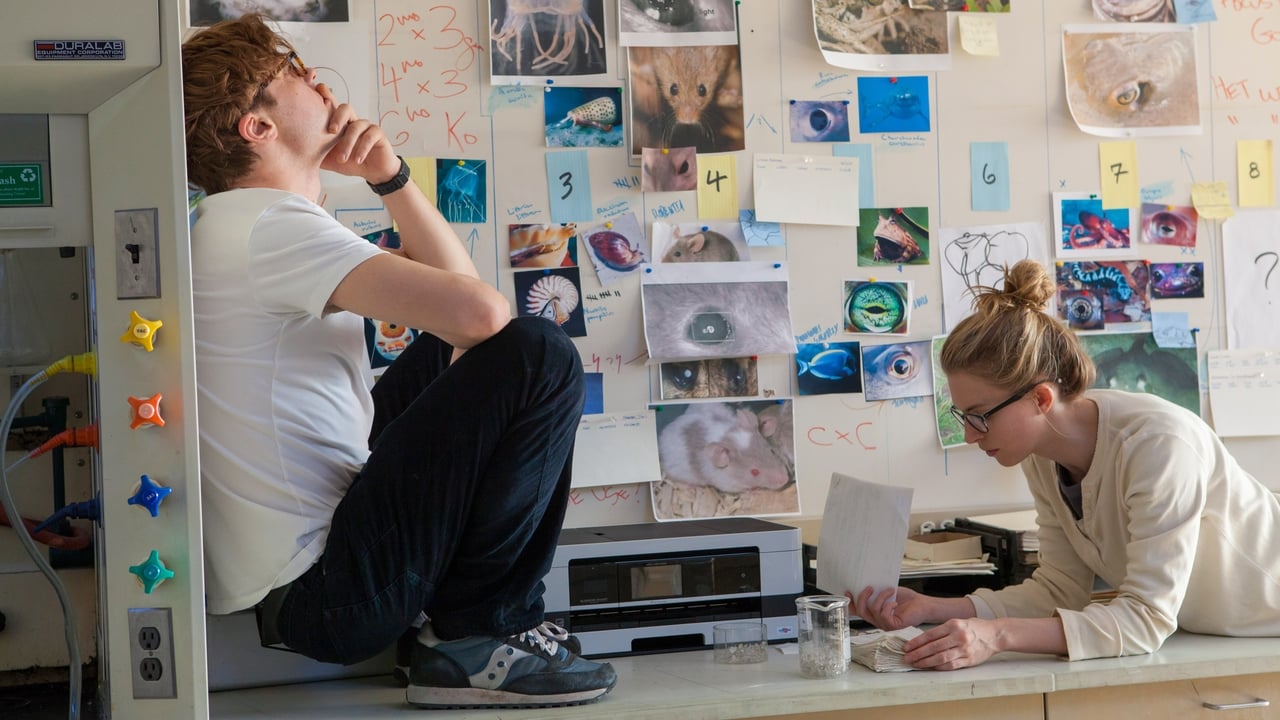
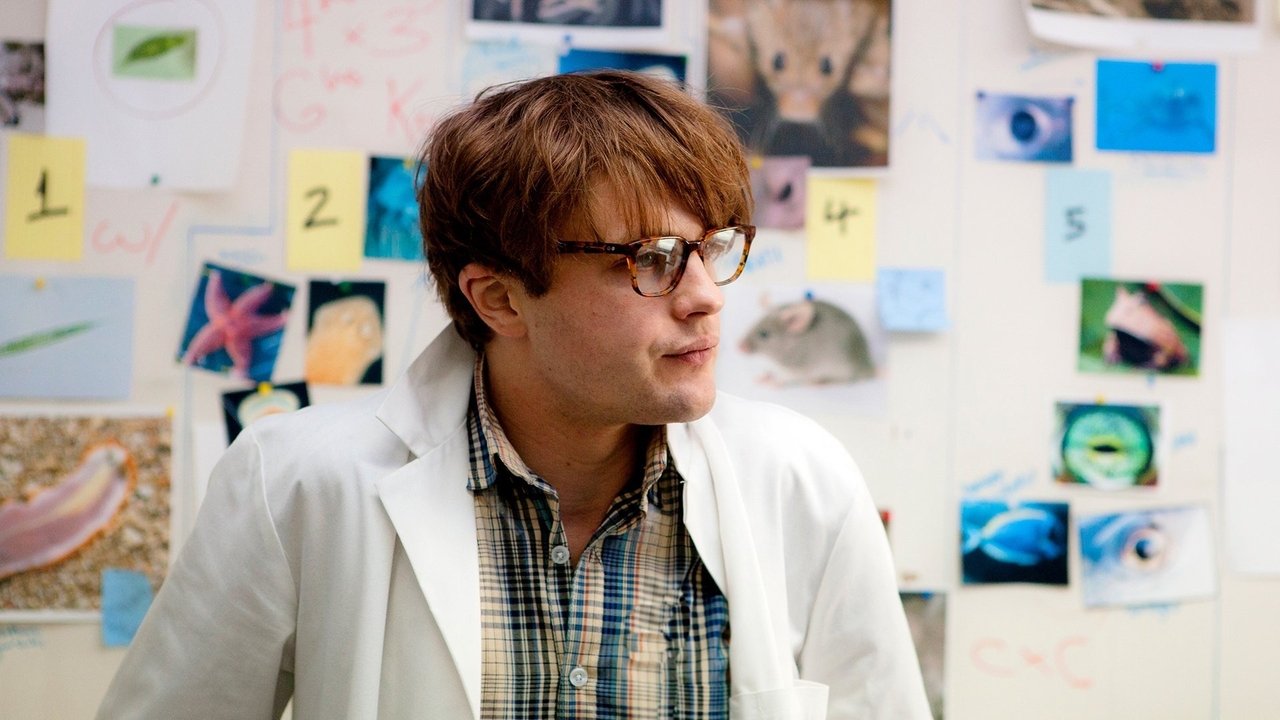
We follow Ian Gray (Michael Pitt), a molecular biologist with a chip on his shoulder the size of a Darwinian textbook. Ian is obsessed with eyes—not because he’s a romantic, but because he wants to find the "missing link" in eye evolution to finally shut down the "intelligent design" argument once and for all. He’s the quintessential 2014 cinematic scientist: he lives in a chilly Brooklyn loft, wears thick frames, and treats data like a religion.
Michael Pitt plays Ian with a prickly, jittery energy that keeps him from becoming a total bore. He’s joined in the lab by Kenny, played by a pre-superstardom Steven Yeun, and Karen (Brit Marling), a brilliant first-year student who eventually becomes his intellectual anchor. The lab scenes feel surprisingly grounded for a film that eventually pivots into metaphysical territory; you can practically smell the agar plates and the ozone of the equipment.
But the friction begins when Ian meets Sofi (Àstrid Bergès-Frisbey) at a costume party. She’s wearing a mask, but he’s captivated by her eyes—speckled, multi-colored rifts in reality. She’s his polar opposite: a mystic who believes in reincarnation and "spirit" while he’s counting mutations. Their romance is the catalyst for the film's shift from a procedural about biology into a globe-trotting mystery about the persistence of the self.
A Million Dollar Vision
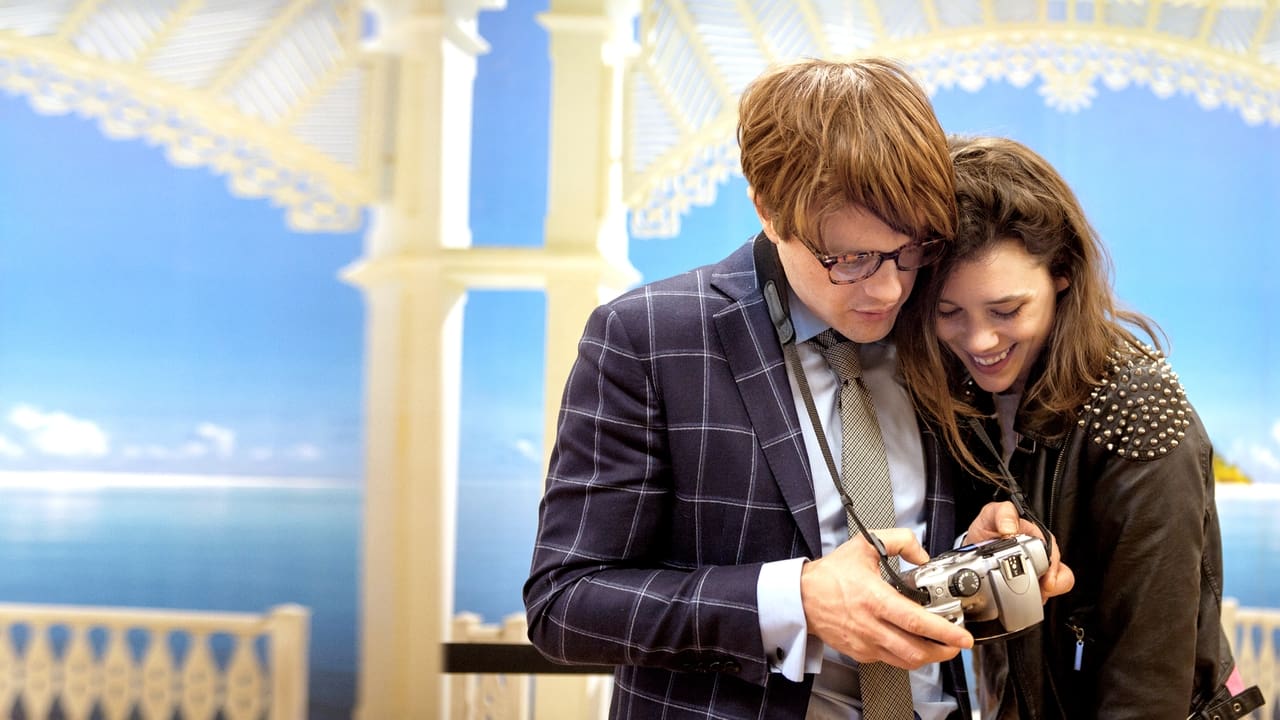
Looking back at 2014, it’s wild to realize I Origins was made for roughly $1 million. In an era where even "small" movies now cost $20 million, Cahill’s resourcefulness is a masterclass in independent filmmaking. He leans heavily on the "Sundance Aesthetic"—lots of shallow depth of field, natural light, and handheld camerawork that makes the world feel lived-in and immediate.
The film doesn’t need massive CGI set pieces to feel big. Instead, it uses the technology of the era—iris scanners, digital databases, and the emerging connectivity of the internet—to build its tension. There’s a sequence involving a billboard and a series of coincidences (the number 11) that feels like a paranoid thriller, yet it cost almost nothing to shoot.
Apparently, Cahill is a bit of a polymath; he wrote, directed, produced, and edited the film. That singular vision is why it works, but it’s also why it occasionally feels like a philosophy undergrad trying to get laid by quoting Rumi. The dialogue can get a bit "Intro to Metaphysics," especially when Sofi and Ian argue about the "eye-less worm" that can still sense light. It’s a bit on the nose, but in the context of the film’s dreamy atmosphere, I found myself willing to go along with it.
The Window to Something Else
The second half of the film takes a sharp turn that I won't spoil, moving the action to India and introducing Archie Panjabi as a local researcher. This is where the "Cerebral Sci-Fi" tag really earns its keep. The movie stops being about proving evolution and starts asking a much scarier question: If science can prove the existence of a soul, does that soul belong to the person or the data?
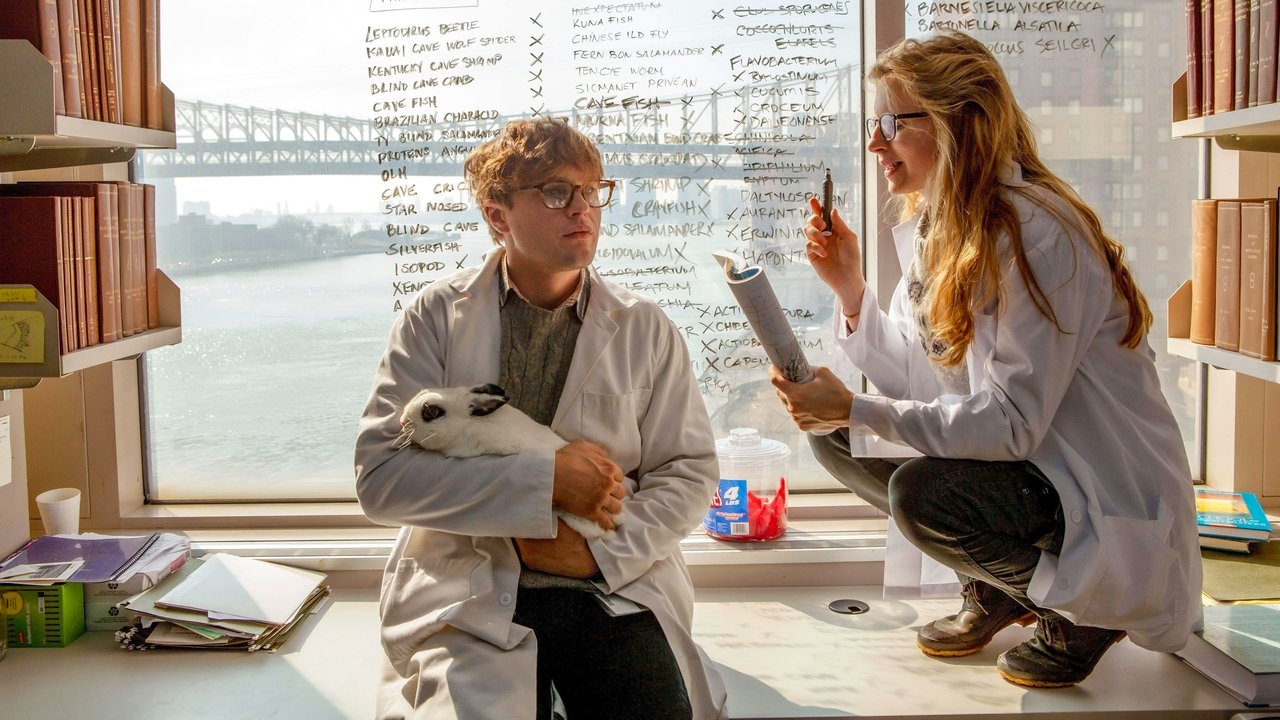
Brit Marling is the secret weapon here. While Sofi represents the "magic," Marling’s Karen represents the evolution of the scientific mind—someone willing to follow the evidence even when it leads to places that make her uncomfortable. Her chemistry with Michael Pitt is clinical and warm all at once, providing a necessary counterweight to the more ethereal first act.
One of the coolest details I found out later is that the iris-scanning technology shown in the film was actually based on real software being developed at the time. Cahill has a knack for taking "five minutes into the future" tech and wrapping it in ancient myths. He actually intended for this movie to be a stealth prequel to a much larger story (originally titled I), which explains why the ending feels like a massive door being kicked open rather than a neat resolution.
I Origins is a beautiful, flawed, and deeply sincere piece of work. It’s the kind of movie that’s easy to poke fun at if you’re feeling cynical—the hipness is occasionally suffocating—but if you’re willing to meet it halfway, it delivers a genuine emotional wallop. It captures that specific 2010s indie energy where filmmakers weren't afraid to be "cringe" if it meant being profound.
It’s a film that respects your intelligence while asking you to lead with your heart. Whether you believe in the "Great Light" or just in the double helix of DNA, you’ll probably find yourself staring into the mirror for a few extra seconds after the credits roll, checking to see if your own eyes have any stories to tell. Just try not to think about the $1 million budget while you're doing it, or you'll realize just how much some directors can do with so little.
Keep Exploring...
-
Another Earth
2011
-
The Man from Earth
2007
-
Robot & Frank
2012
-
Before Midnight
2013
-

Short Term 12
2013
-
Evangelion: 2.0 You Can (Not) Advance
2009
-

Moon
2009
-
Mr. Nobody
2009
-
PK
2014
-
Primer
2004
-
Mommy
2014
-
The Iron Giant
1999
-
Night on Earth
1991
-
Bowling for Columbine
2002
-

Mysterious Skin
2005
-
Open Your Eyes
1997
-
Batman: The Dark Knight Returns, Part 1
2012
-

Batman: The Dark Knight Returns, Part 2
2013
-
Neon Genesis Evangelion: The End of Evangelion
1997
-
The Girl Who Leapt Through Time
2006