Inherent Vice
"Lost in the hazy, paranoid smog of 1970."
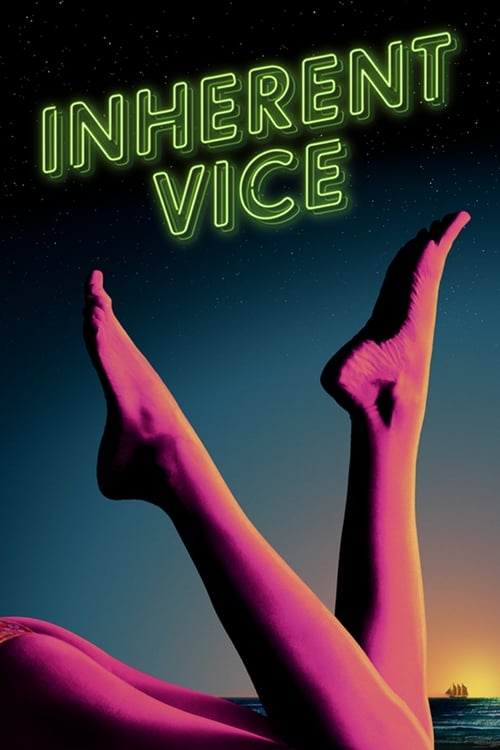
Imagine walking into a room that has been sealed since 1970, where the air is thick with stale patchouli, cheap weed, and the lingering scent of a dream that just turned into a nightmare. That’s the precise "nose" of Paul Thomas Anderson’s Inherent Vice. I watched this for the third time recently while sitting in a chair that has one slightly shorter leg, causing me to tilt marginally to the left the entire time, and honestly, the physical disorientation only added to the experience.
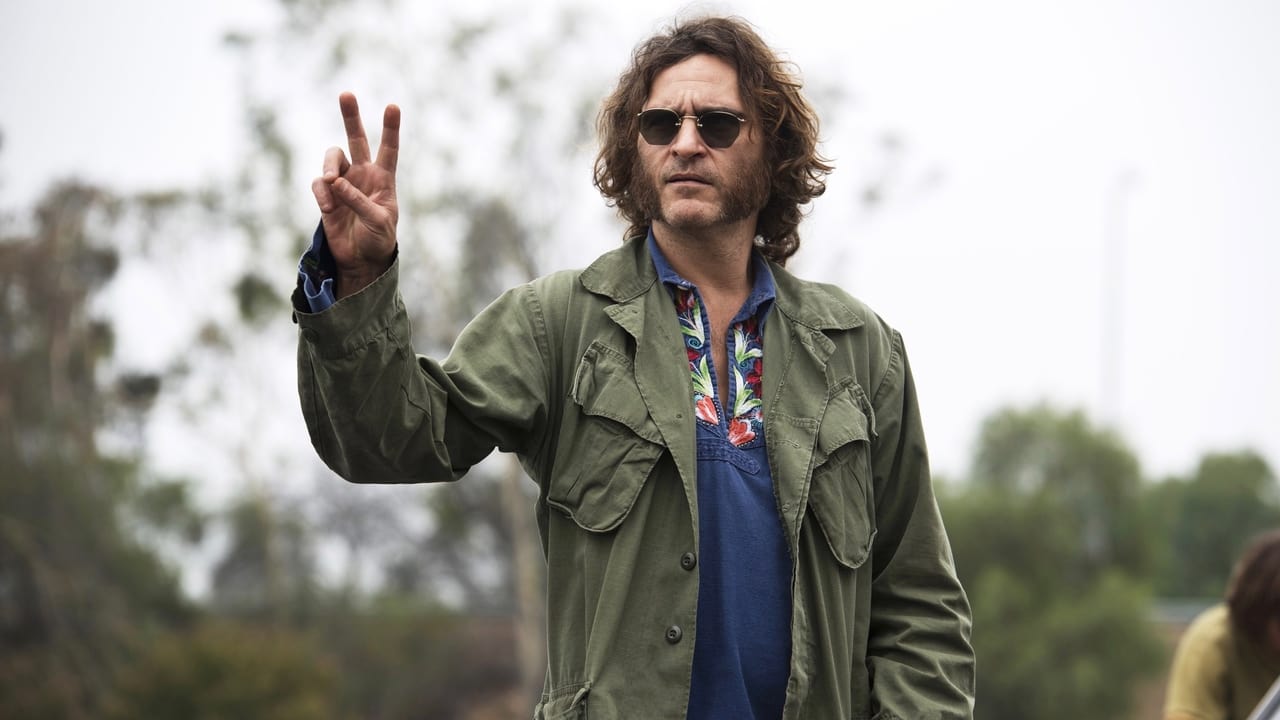
When it hit theaters in late 2014, audiences weren't quite sure what to do with it. Coming off the back of the obsidian-dark There Will Be Blood and the psychological intensity of The Master, we expected Paul Thomas Anderson (or PTA, as the cool kids call him) to deliver another heavy-handed sermon on the American soul. Instead, he gave us a stoner-noir slapstick mystery that is arguably the most expensive home movie ever made for people who find confusion a virtue.
The Beautiful, Blurry Labyrinth
Based on the supposedly "unadaptable" novel by Thomas Pynchon, the film follows Larry "Doc" Sportello—played with a brilliant, mumbling fragility by Joaquin Phoenix—a private investigator who lives in a beach shack and seems to solve most of his cases by accident. When his "ex-old lady," Shasta Fay Hepworth (Katherine Waterston), appears out of the blue with a plot involving a real estate mogul and a kidnapping, Doc is sucked into a vortex of maritime syndicates, heroin-addicted saxophonists, and dental cartels.
If you try to follow the plot of Inherent Vice with a spreadsheet and a highlighter, you’re going to have a bad time. I tried that on my first viewing and ended up feeling like I’d done a week’s worth of taxes for a company that doesn't exist. Looking back at this tail-end of the "Modern Cinema" era, the film stands as a defiant middle finger to the increasingly rigid, formulaic franchise storytelling that was beginning to swallow Hollywood whole. It’s a film that demands you stop asking "Wait, who is that?" and start asking "How does this vibe feel?"
Joaquin Phoenix is a comedic revelation here. Before he was doing the brooding, tortured clown act, he was doing "high-functioning" stoner slapstick. His physical comedy—the way he shrieks at a picture of a baby or frantically scribbles "NOT GOOD" in his notebook during a high-stakes meeting—is pure gold. He’s the anchor in a sea of beautiful, digital-age filmmaking that ironically looks more "analog" than movies actually made in the 70s.
Pancakes, Paranoia, and Bigfoot
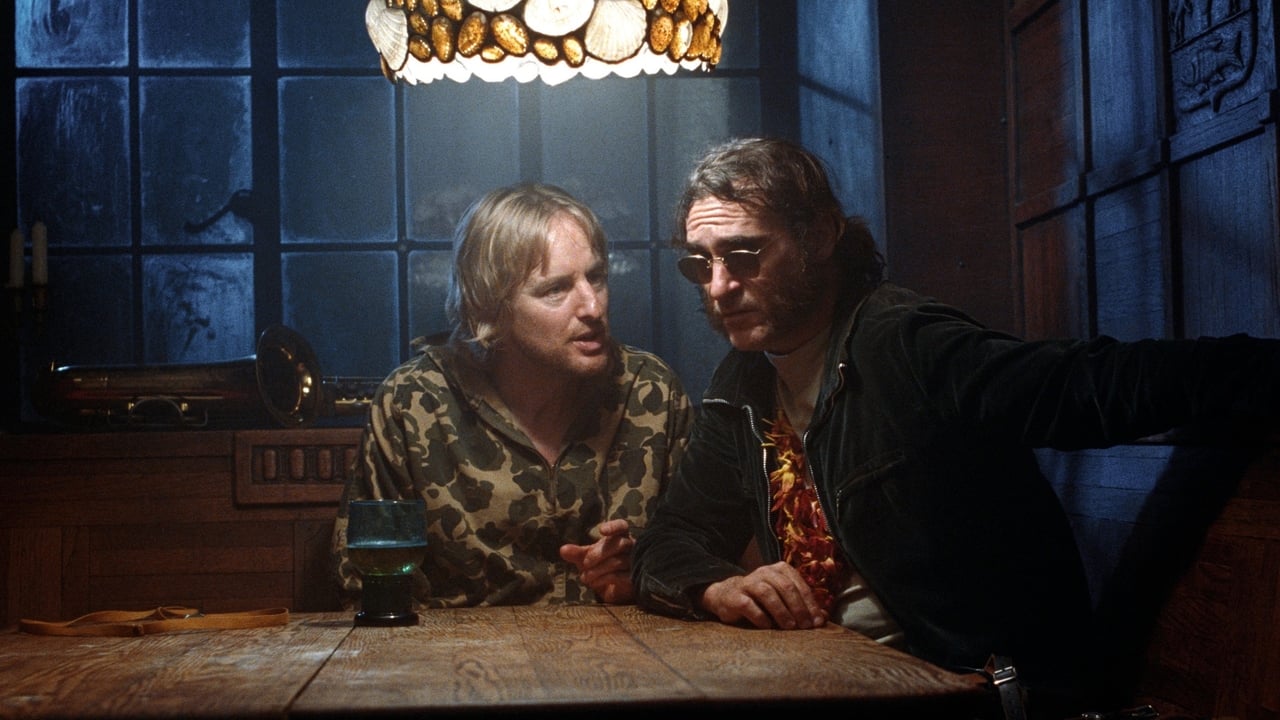
The real juice of the movie, though, is the relationship between Doc and Lt. Det. Christian "Bigfoot" Bjornsen, played by a flat-topped, chocolate-banana-sucking Josh Brolin. Brolin plays Bigfoot like a man who is one skipped breakfast away from committing a war crime. Their chemistry is the heart of the film: the hippie and the narc, two sides of a coin that’s been dropped in the dirt.
One of the best bits of trivia is that the infamous "pancake scene"—where Bigfoot kicks down Doc’s door and demands breakfast in Japanese—was largely improvised. Brolin and Phoenix supposedly pushed each other to see who would crack first. It’s that kind of loose, indie-spirit energy that PTA brought from his early days (Boogie Nights, Magnolia) and infused into this $20 million studio-backed fever dream.
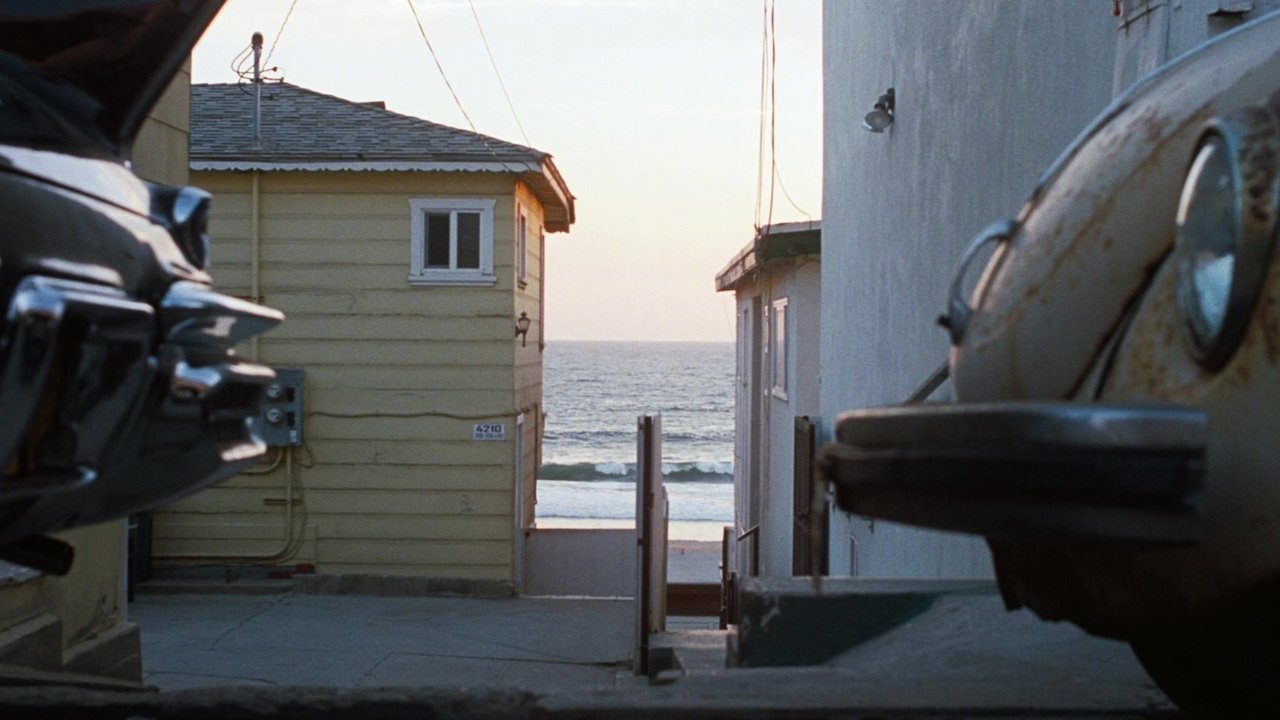
Speaking of the production, Paul Thomas Anderson and his longtime cinematographer Robert Elswit (the guy who gave There Will Be Blood its oily sheen) shot this on 35mm film, often using older lenses to create a soft, hazy look. In an era where everything was moving toward the clinical sharpness of 4K digital, Inherent Vice looks like it was developed in a tub of seawater and gin. It’s a texture you can almost feel on your skin.
Why It’s a Cult Classic in the Making
Inherent Vice bombed at the box office. It made about $14 million against a $20 million budget, which in studio terms is a "hide the car and pretend we aren't home" level of failure. But like all great cult films, its life truly began on home video and streaming. It’s a "membership" movie; once you’ve seen it three times and can quote Owen Wilson’s lines about the "Golden Fang," you’re part of a very specific, slightly confused club.
The score by Jonny Greenwood (of Radiohead fame) is another MVP. It captures that transition from the 60s to the 70s—the sound of the "Summer of Love" curdling into the "Winter of Our Discontent." It’s paranoid, lush, and slightly mournful.
Katherine Waterston also deserves a massive shout-out. In a film filled with caricatures and cartoons, she provides the genuine emotional weight. Her long, unbroken monologue in Doc’s apartment is one of the most hypnotic pieces of acting from the 2010s. It reminds you that underneath all the jokes about "pussy-eaters" and "Golden Fangs," this is a story about the heartbreak of losing a person—and a culture—you can never get back.
Inherent Vice is a rare breed of film that refuses to explain itself. It’s a comedy that’s occasionally a tragedy, a mystery that doesn't care about the solution, and a drama that features a man eating a frozen chocolate banana with aggressive intent. It’s the kind of movie you put on when it’s raining outside and you want to feel like you’ve traveled back to a time when everything was a little more dangerous and a lot more colorful. Don't worry about the plot; just let the fog roll in.

Keep Exploring...
-
Punch-Drunk Love
2002
-
The Master
2012
-
Licorice Pizza
2021
-

The Cabin in the Woods
2012
-
The Player
1992
-
Fear and Loathing in Las Vegas
1998
-
We Bought a Zoo
2011
-
The Secret Life of Walter Mitty
2013
-

What If
2013
-
The Life Aquatic with Steve Zissou
2004
-

Sahara
2005
-
High Fidelity
2000
-
Bad Santa
2003
-
Stranger Than Fiction
2006
-

The Darjeeling Limited
2007
-
Irrational Man
2015
-
The Boat That Rocked
2009
-
The Ballad of Buster Scruggs
2018
-
The Haunted Mansion
2003
-
Scooby-Doo 2: Monsters Unleashed
2004